
COLOMBIA
OVERVIEW – COLOMBIA
Colombia was the final country of our three-month journey through Latin America, after Mexico, Costa Rica, and Ecuador. We knew it would be hot — but Rincón del Mar showed us just how unbearable that heat could be. The mist-shrouded wax palms of the Valle de Cocora invited us on a multi-hour hike, while we explored the dry, sun-scorched Llanos on foot, on horseback, and by boat. At last, we saw capybaras, red howler monkeys, and many other species that had long been on our bucket list.
In Medellín, we immersed ourselves in the city’s fascinating history — a city that has far more to offer than many people realize. We encountered Pablo Escobar lookalikes on the streets, but consciously chose not to join one of the infamous tours about his life. Instead, we gained insight into how deeply millions of people had suffered under the reign of violence.
PALOMINO & THE FLAMINGOS
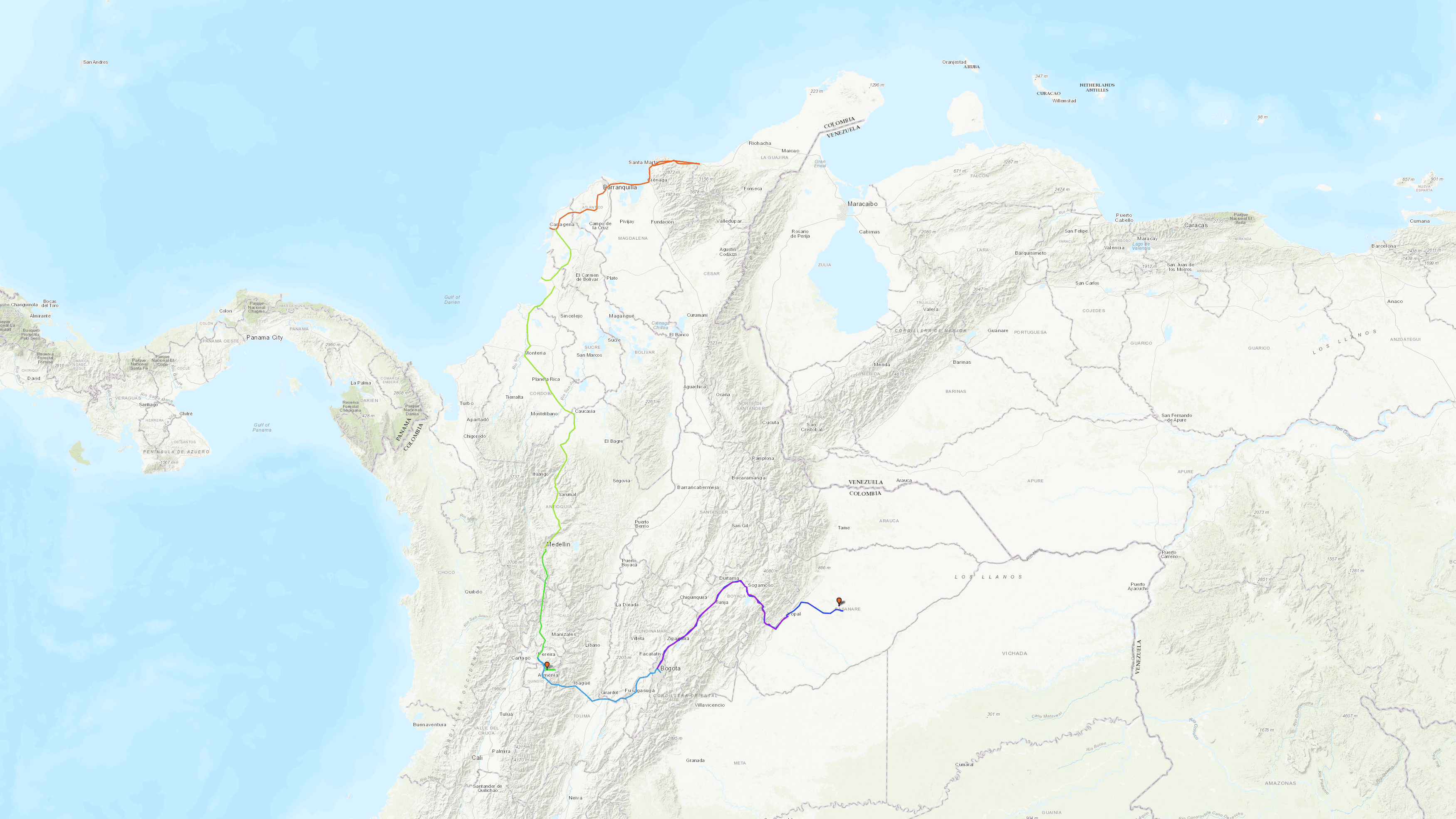
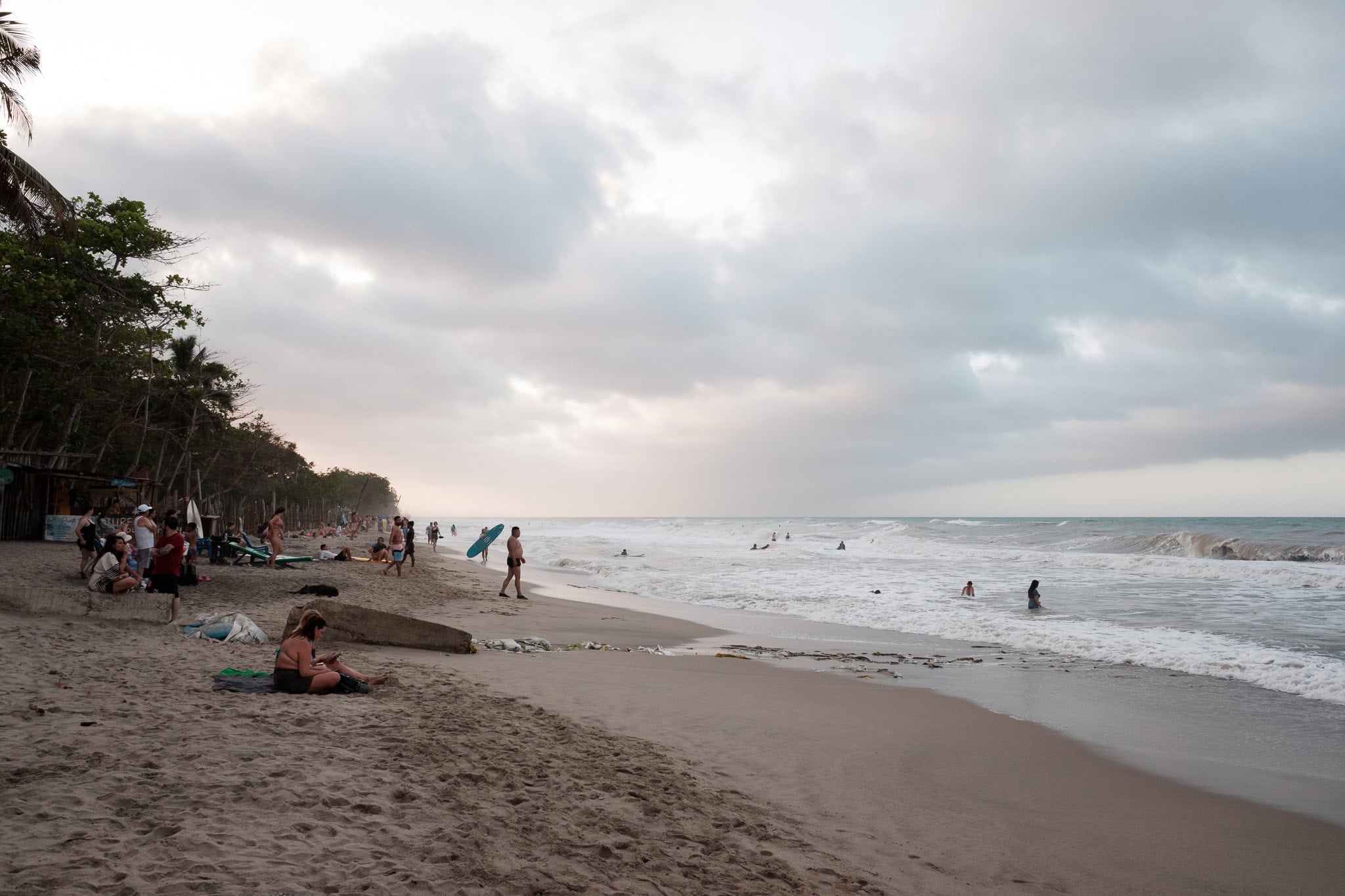
After a long flight from Quito via Bogotá to Santa Marta, we boarded a sweltering bus that took us to Palomino in about two and a half hours — a small beach town that, as we unfortunately only realized later, was largely taken over by expatriate Europeans. It was a place where you could learn to surf and go for vegan brunch.
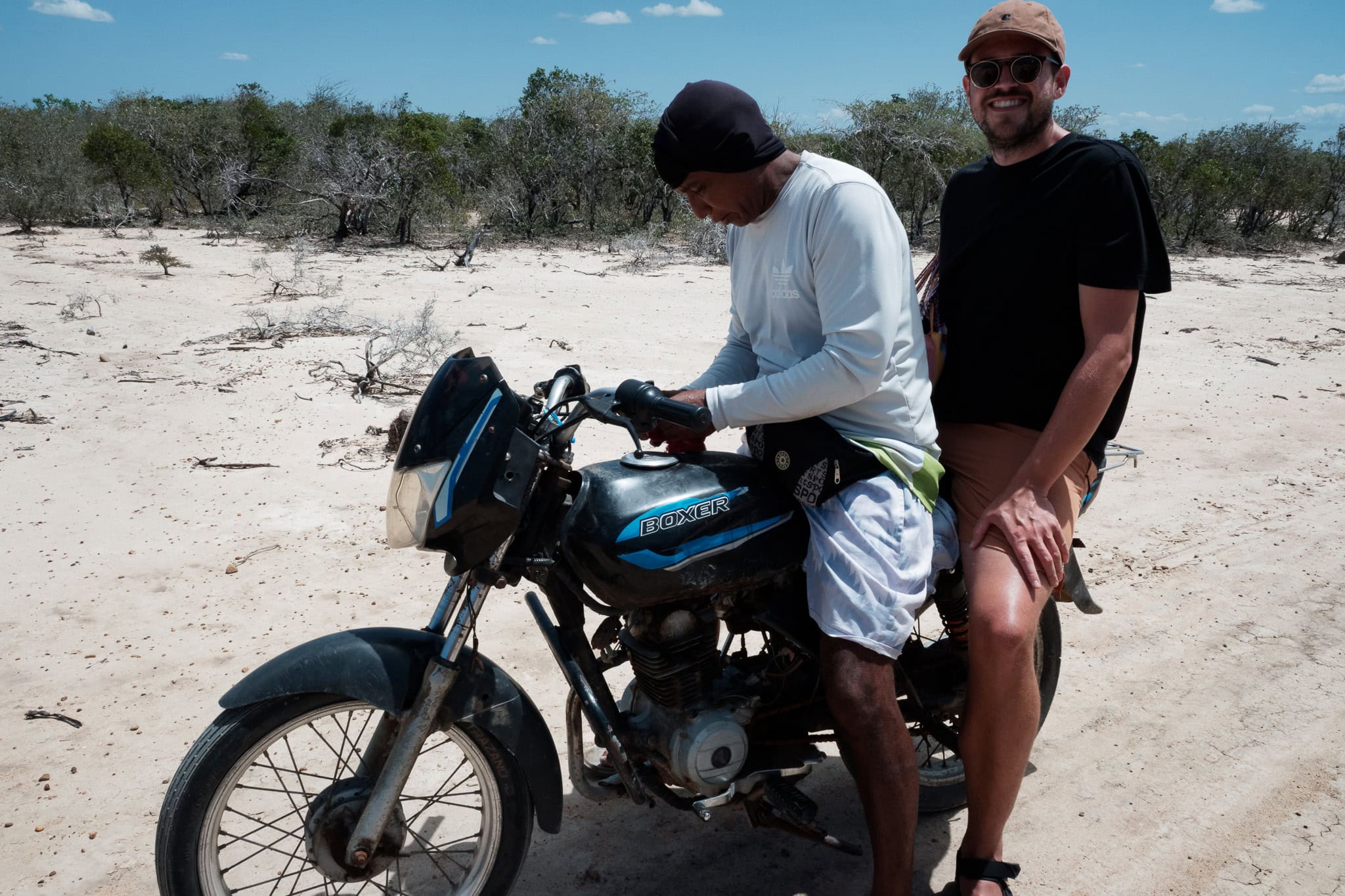
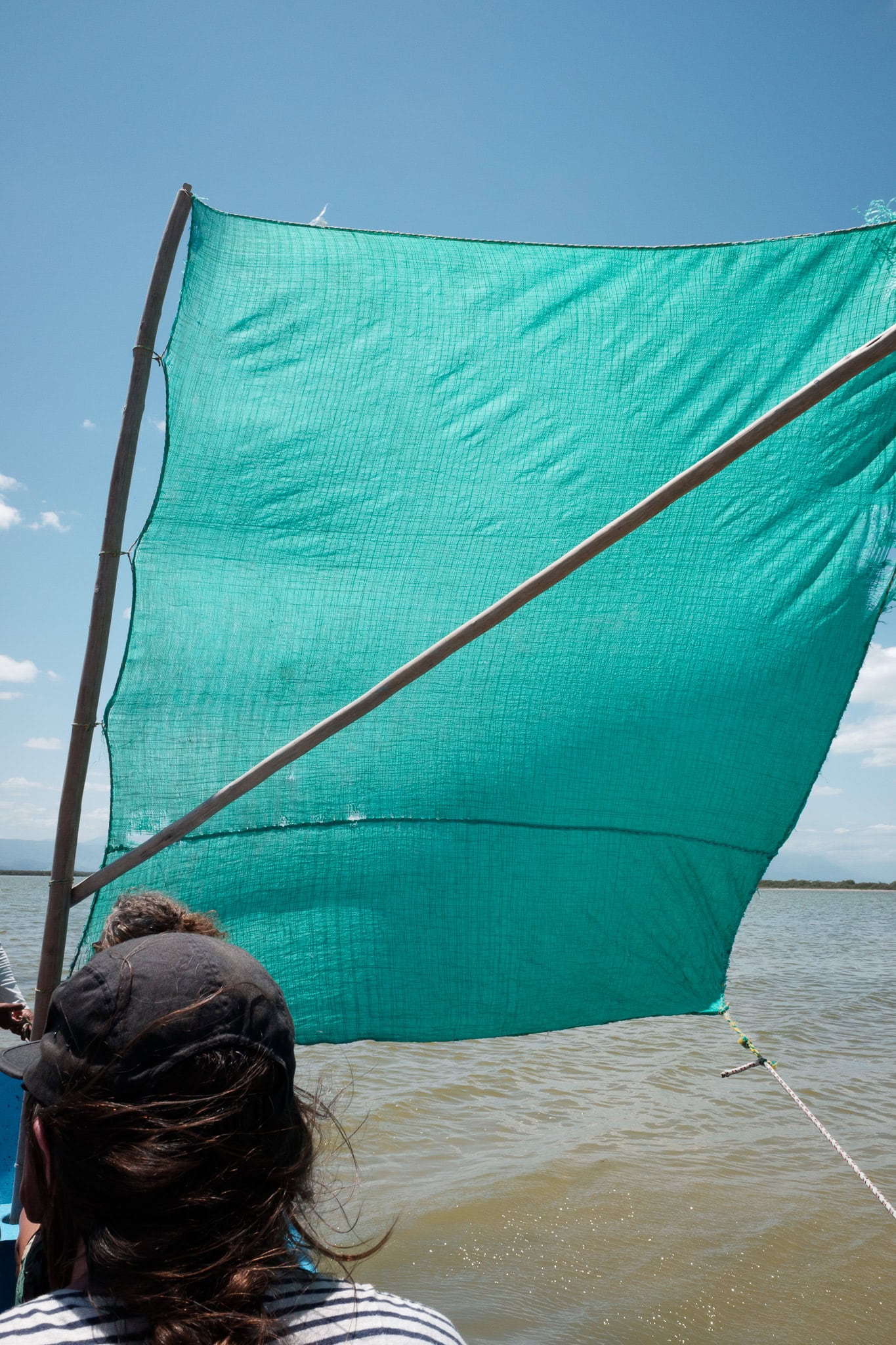
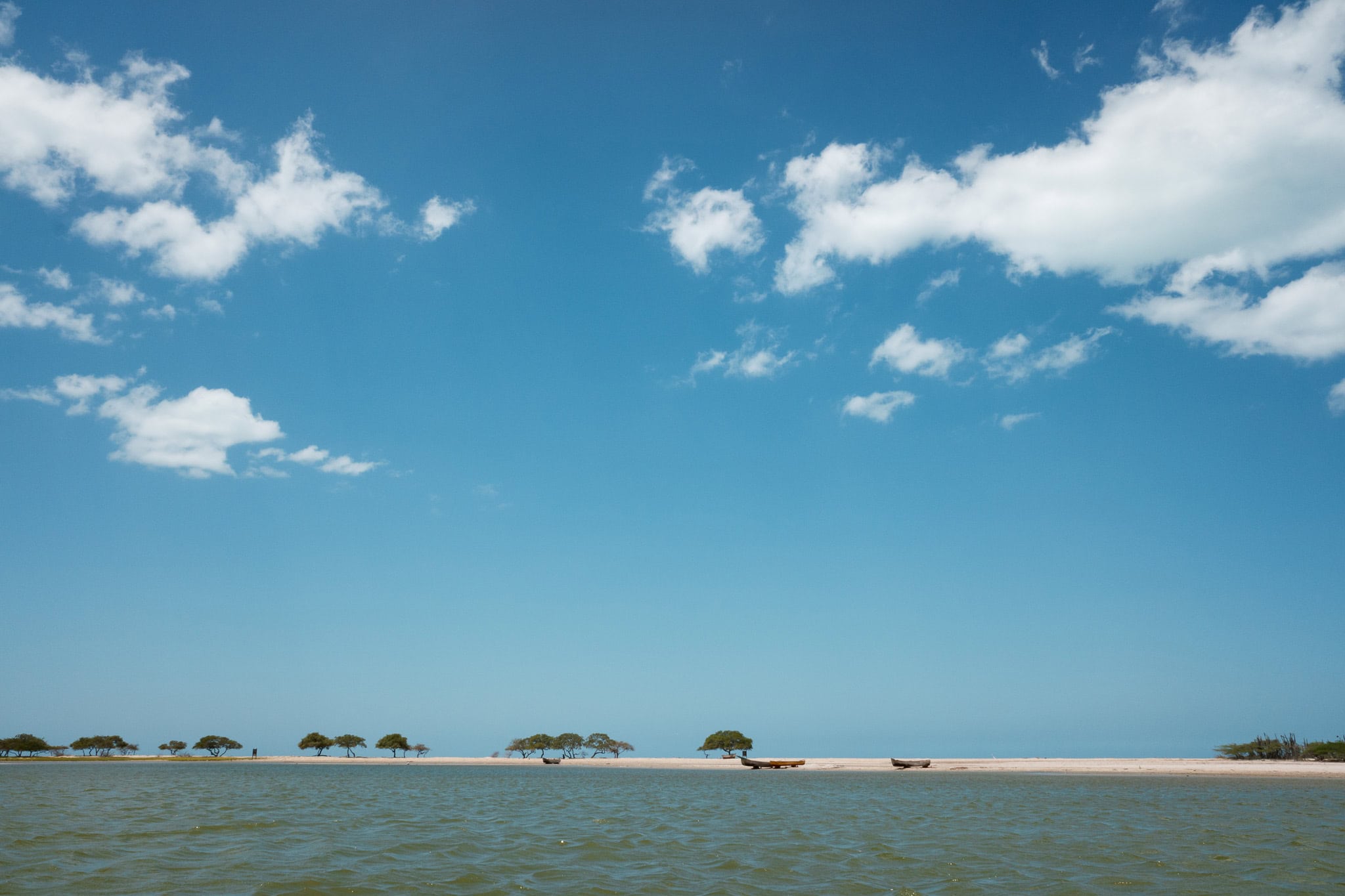
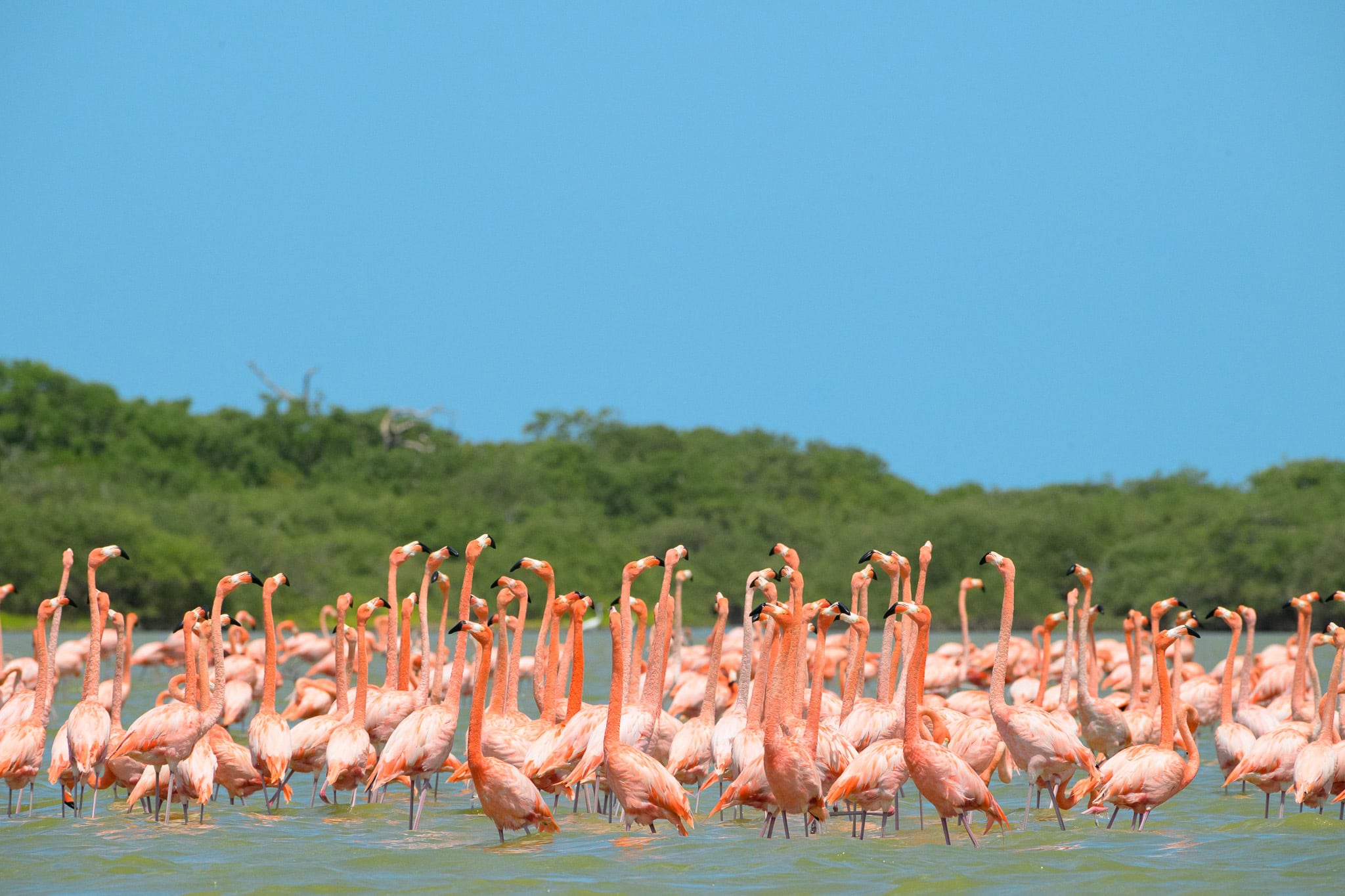
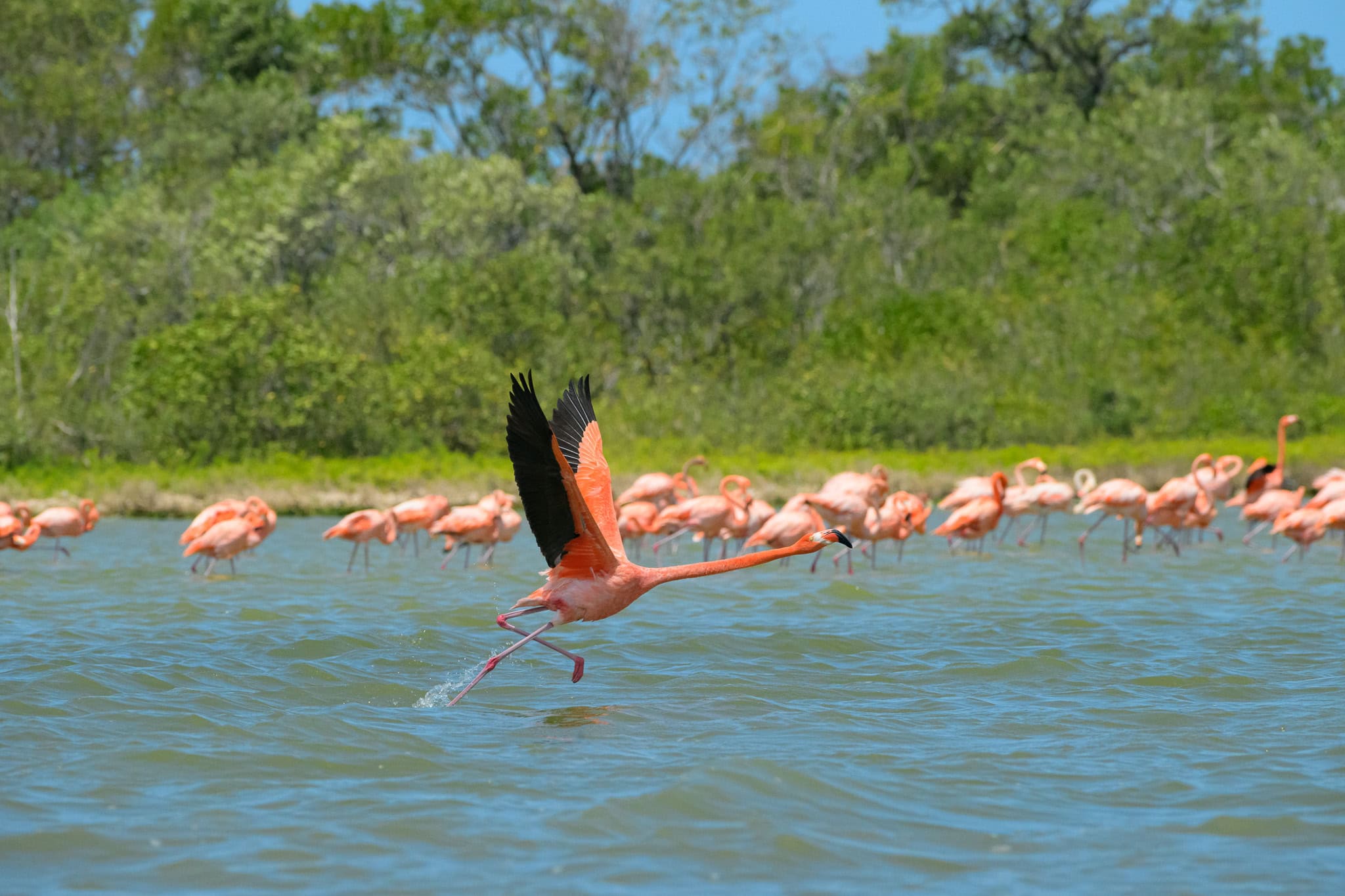
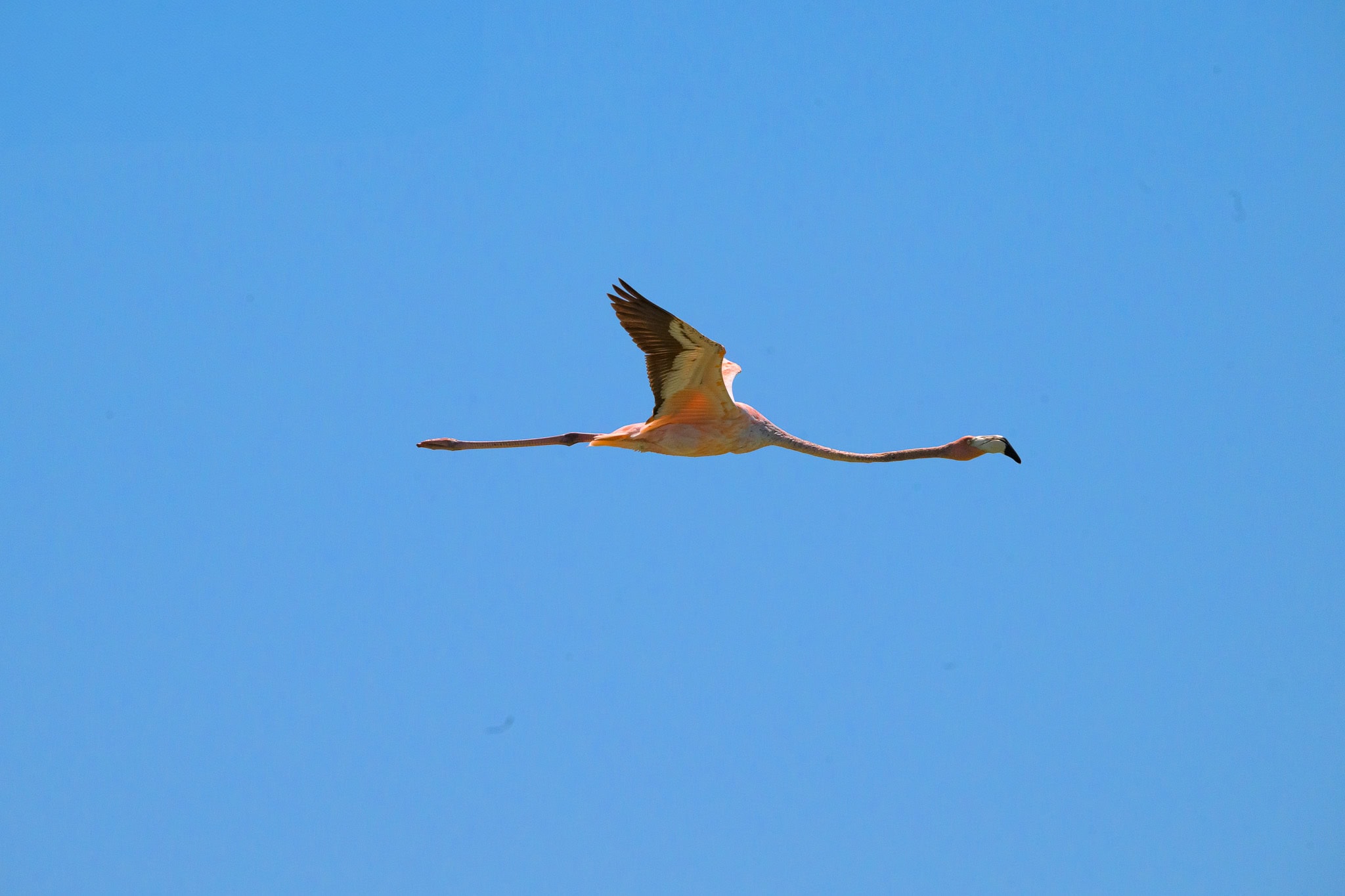
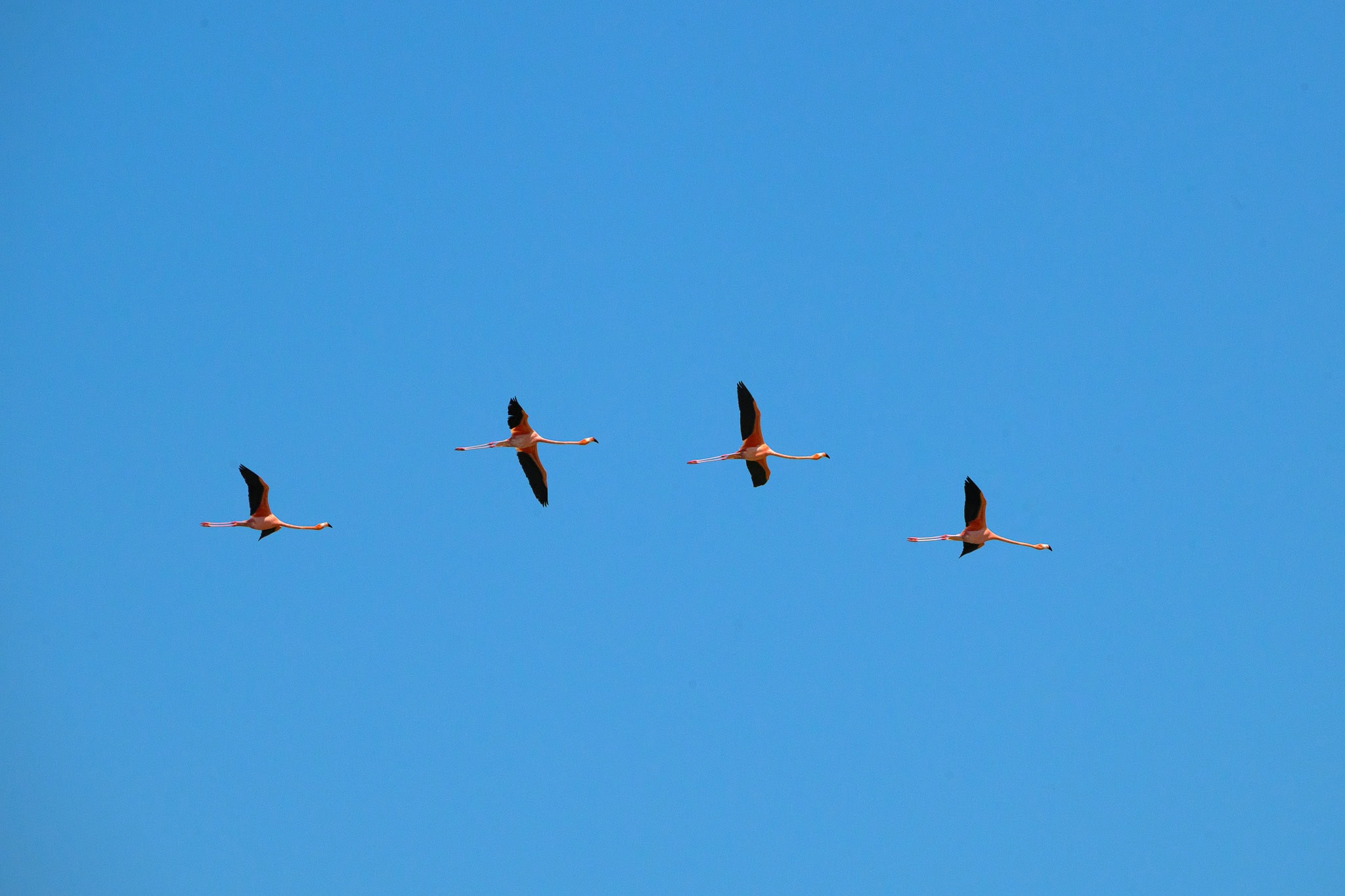
After a few days spent by the pool, on the beach, and somewhere in between, we felt drawn to Camarones and the lagoons where flamingos live. Following a one-and-a-half-hour bus ride, we were each put onto a motorcycle — and then spent an hour riding through the lagoons on small islands under the blazing midday sun. Eventually, we reached a small jetty, where a tiny, wobbly sailboat was already waiting for us. Not long after setting off, we finally saw them: 2,000 Caribbean flamingos (Phoenicopterus ruber). Because we stayed very quiet, we were able to get surprisingly close to the birds. A few took off, but most simply stood there, curious, watching us.
After countless photos and videos, we began the journey back. Another hour through the scorching heat, a quick drink in the shade — and then back to Palomino by bus. The pool at our hostel was already waiting for us.
PLANKTON, HEAT, AND A HIDDEN GEM
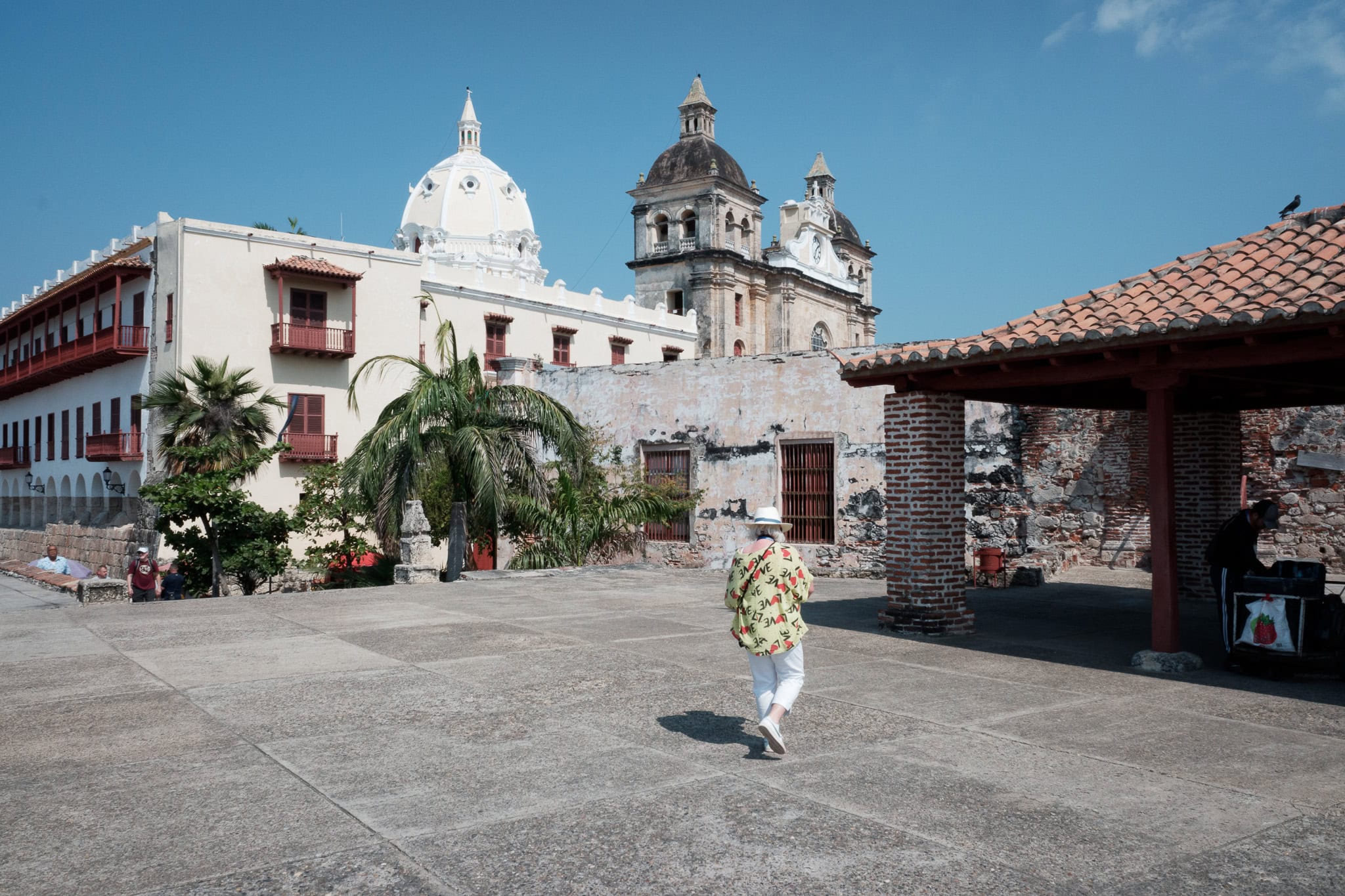
After a few relaxed days, we left Palomino behind and headed to Cartagena, where we explored the city and its turbulent history. But before long, we were drawn back to the sea — and that’s when I heard about a hidden gem: Rincón del Mar.
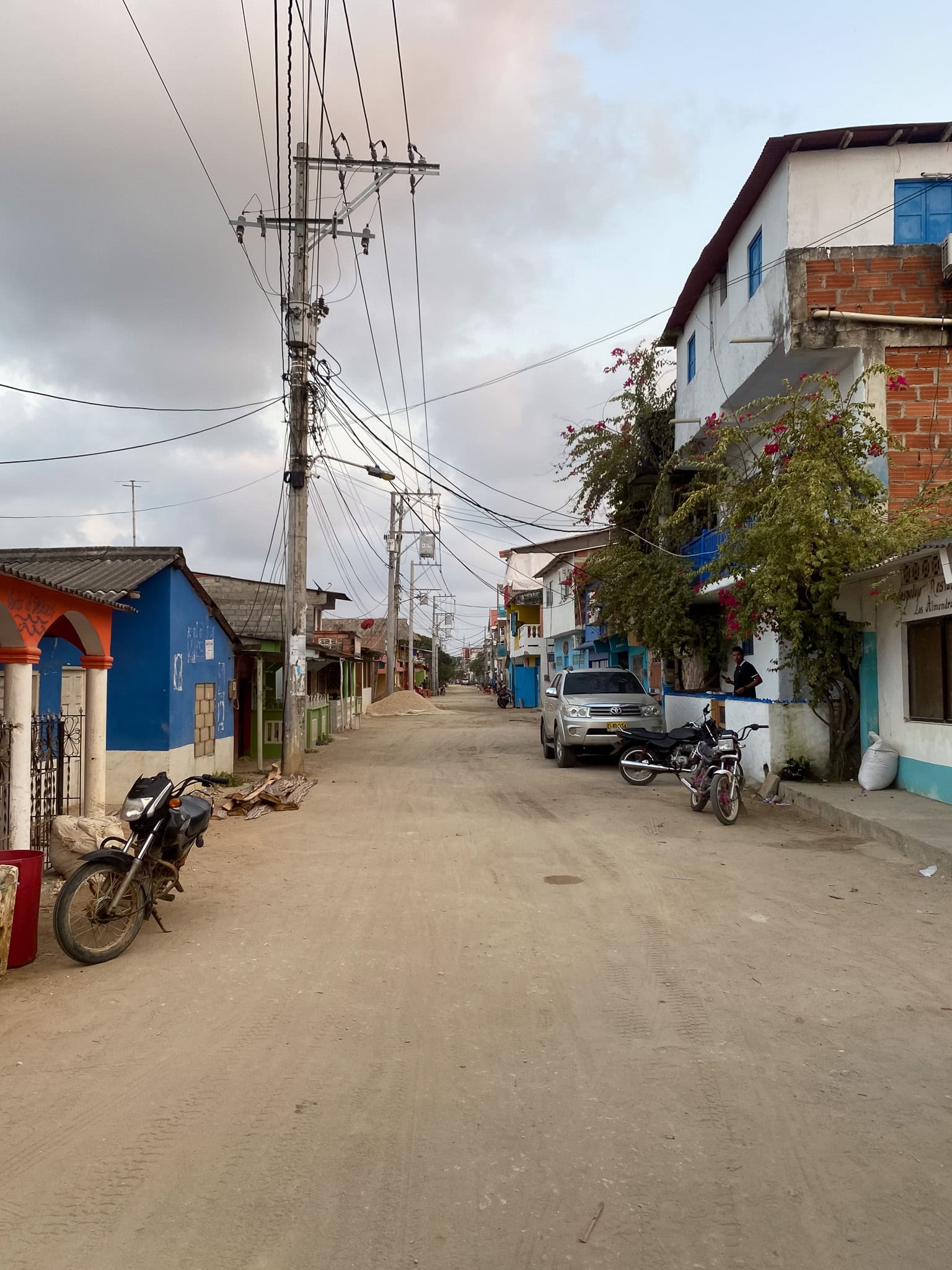
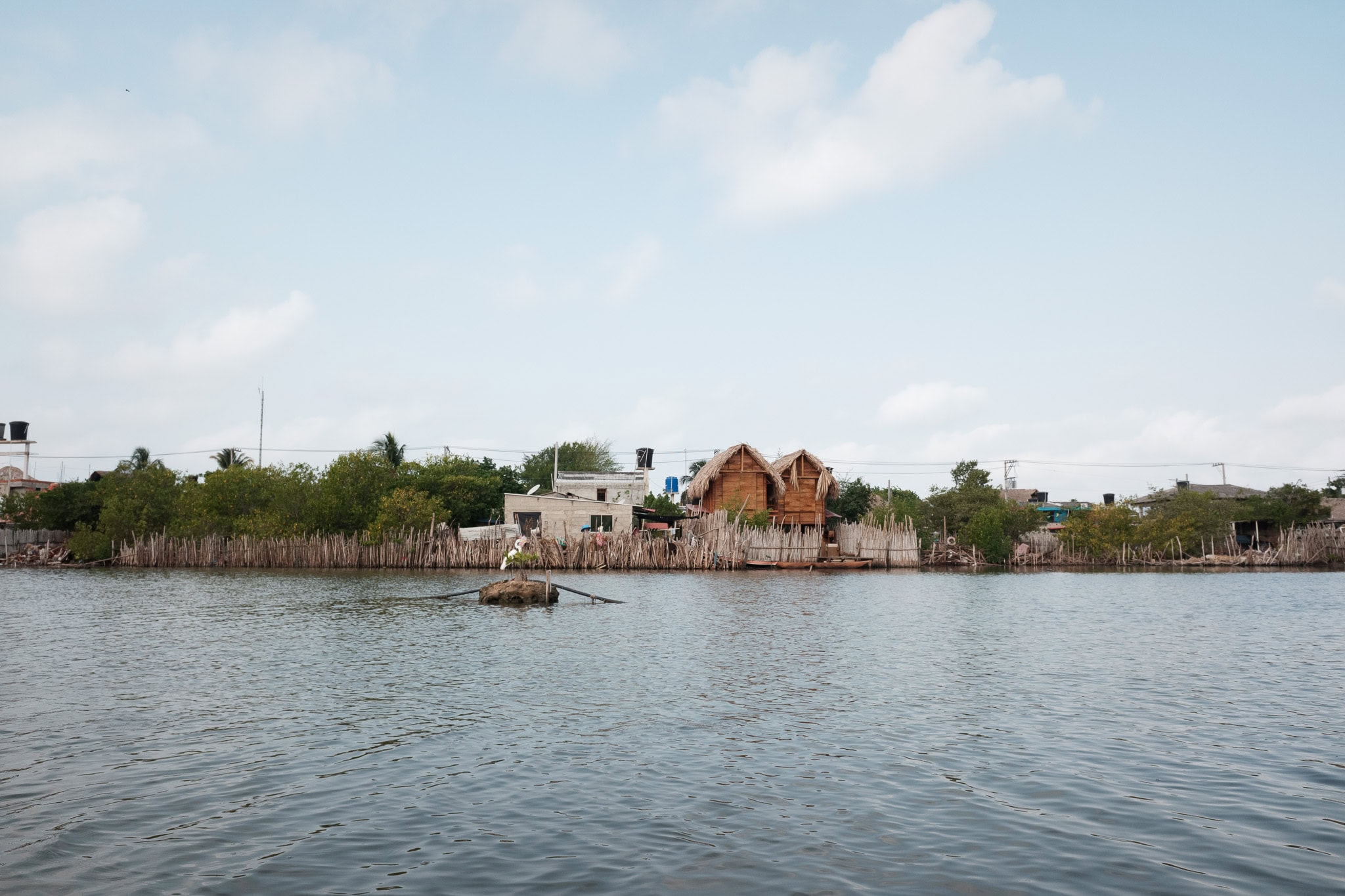
The village really did consist of nothing more than a sandy track, a handful of hotels, and scattered houses. When we arrived, the power wasn’t working because the lines were being replaced — which meant no air conditioning. Completely drenched in sweat, we walked straight to the sea. The setting was idyllic, with free sun loungers and umbrellas. After an ice-cold Coke Zero, we jumped into the water — and immediately froze in disbelief: the sea was at least 33 degrees Celsius. So we needed an alternative. We found a tour through the nearby mangroves for the next day, as well as another one where you could swim in glowing plankton. Both sounded promising, and we were already looking forward to the return of the air conditioning.
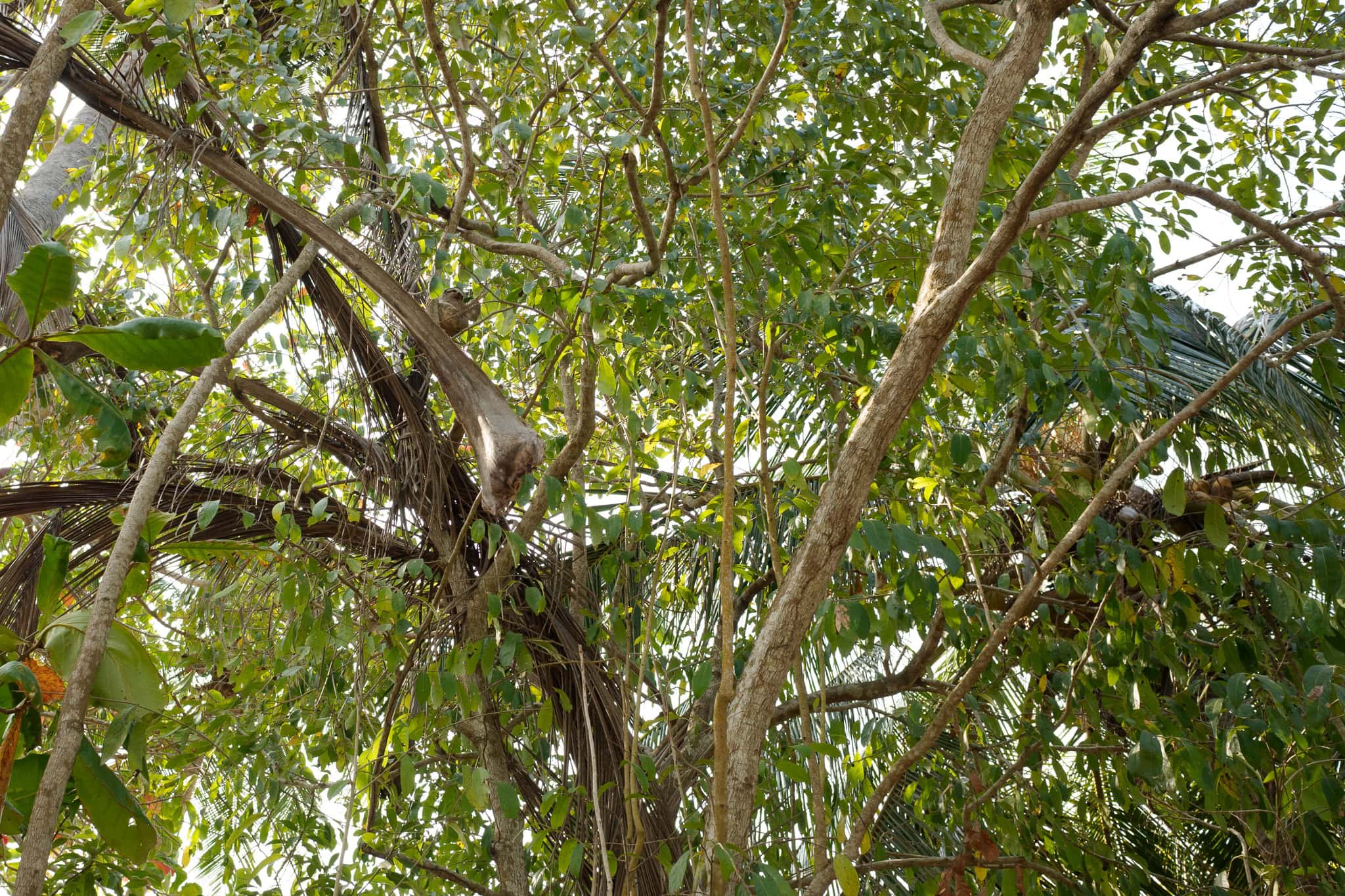
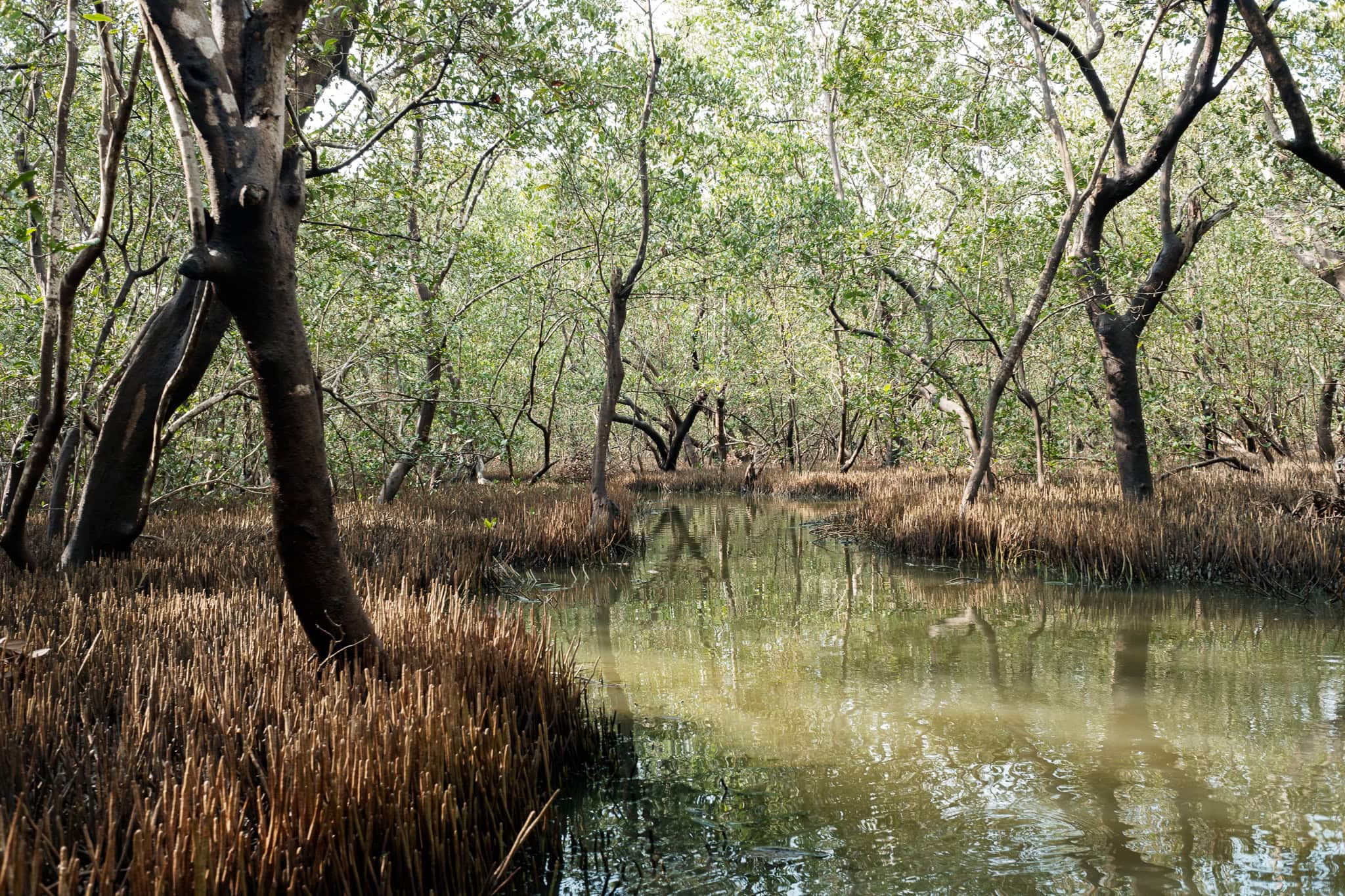
The mangrove tour was beautiful, even though our guide spoke only Spanish. With a bit of effort, we understood the essentials. On the mainland, he showed us a baby sloth in a tree, as well as the different mangrove species and their unique characteristics.
The plankton tour, however, was far more eventful. At full speed, we raced across the sea toward a small island inhabited by countless seabirds. We swam around it and admired the sunset — but the real highlight was yet to come. Our captain steered the boat into the mangroves, and then we saw it: with every movement, the water began to glow. It was magical. Once it was completely dark, we were allowed to jump into the water and experience this natural wonder up close.
The return trip, however, was pure torture. We were sitting right at the front of the boat — exactly where every wave hit the hardest. Our tailbones ached painfully, we were soaked, it was pitch-black, and when we finally reached the restaurant, there was no vegetarian food left.
All the more relieved were we when it was finally time to continue on to Medellín the next day.
THE MOST DANGEROUS CITY IN COLOMBIA
The overnight bus ride lasted 14.5 hours — and only after ten hours did we get our first chance to eat something. Unsurprisingly, our mood reflected that. Completely exhausted, we finally arrived at our hotel, and after a short nap, we were already back on our feet.
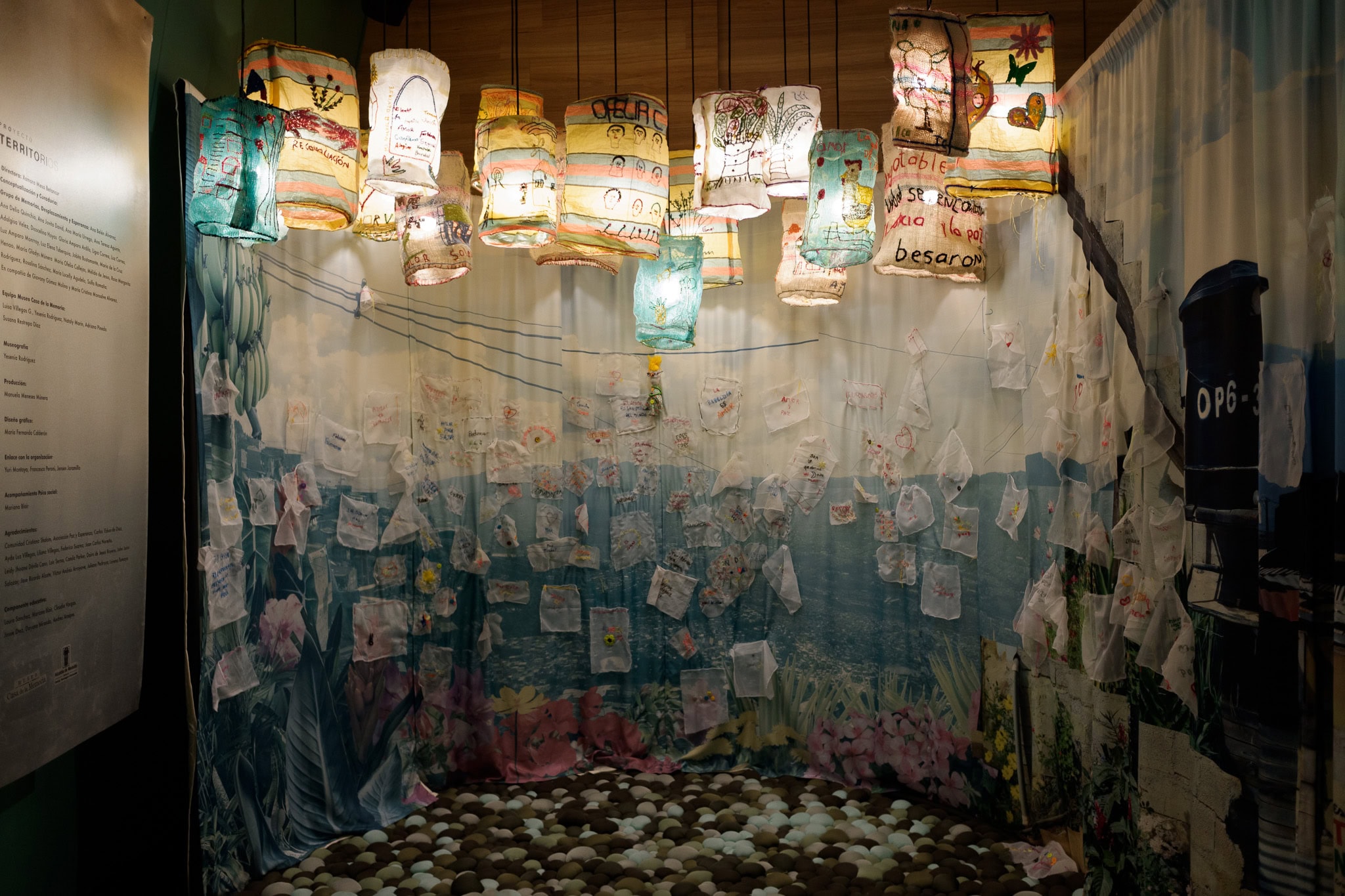
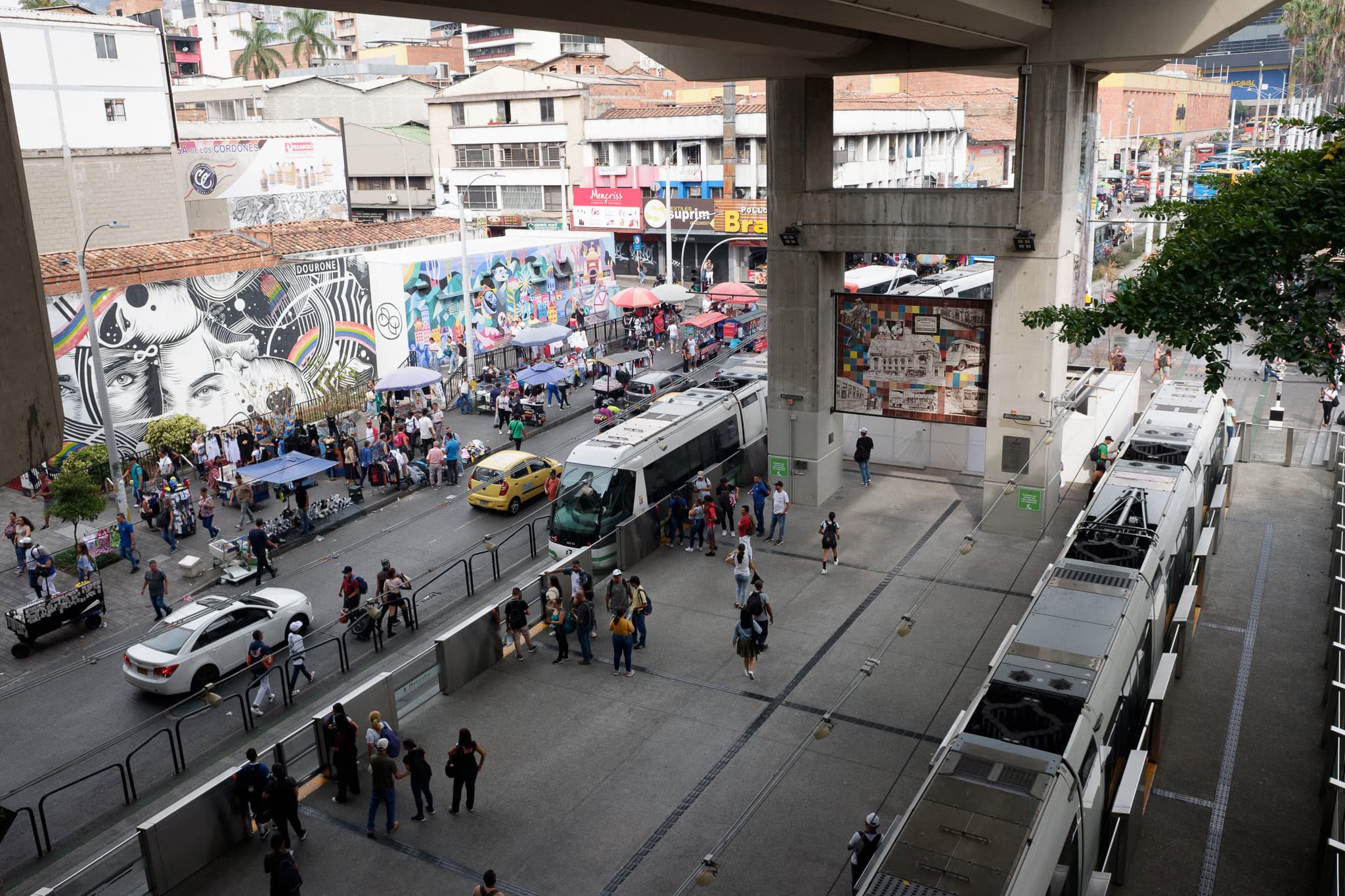
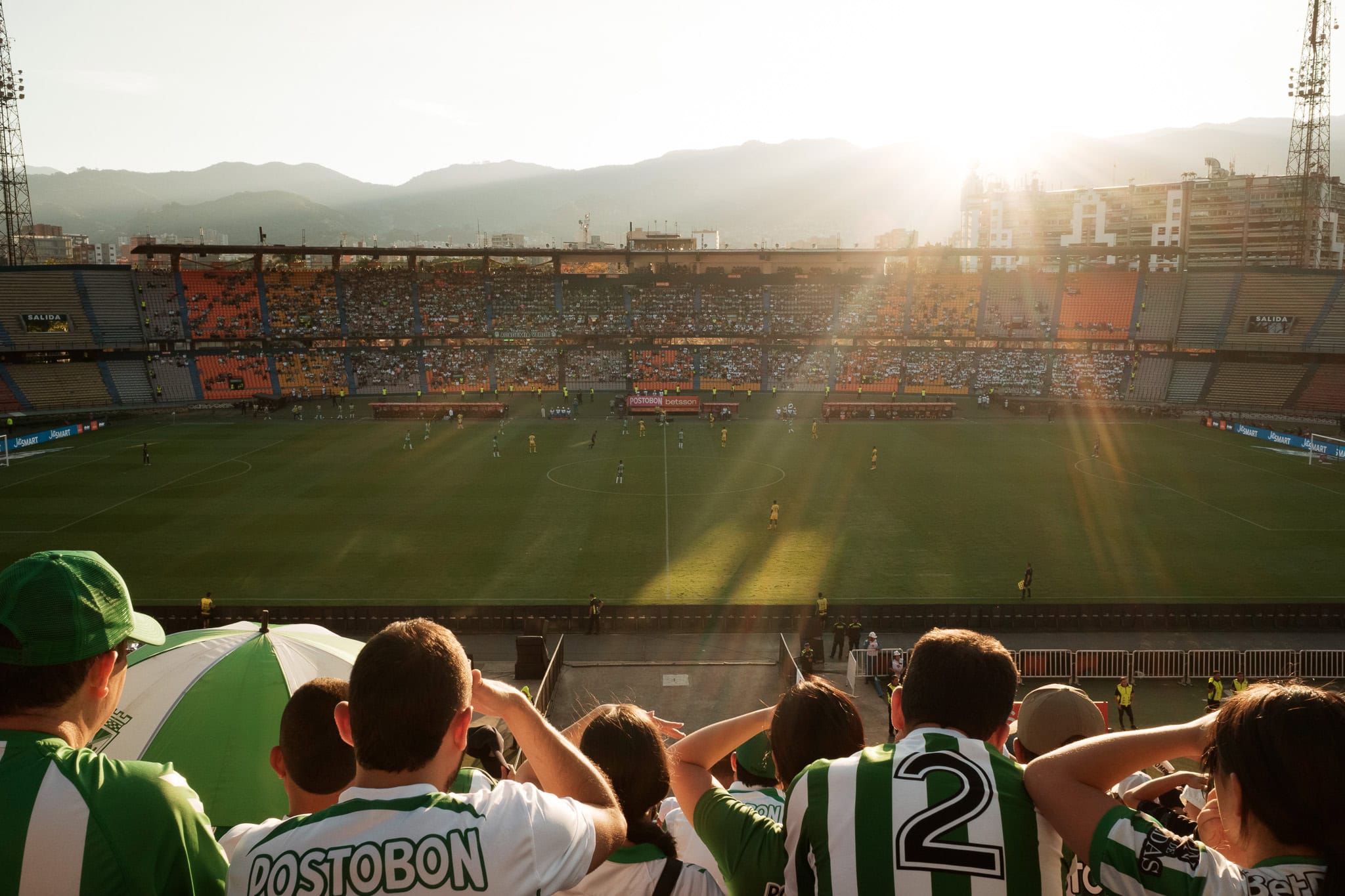
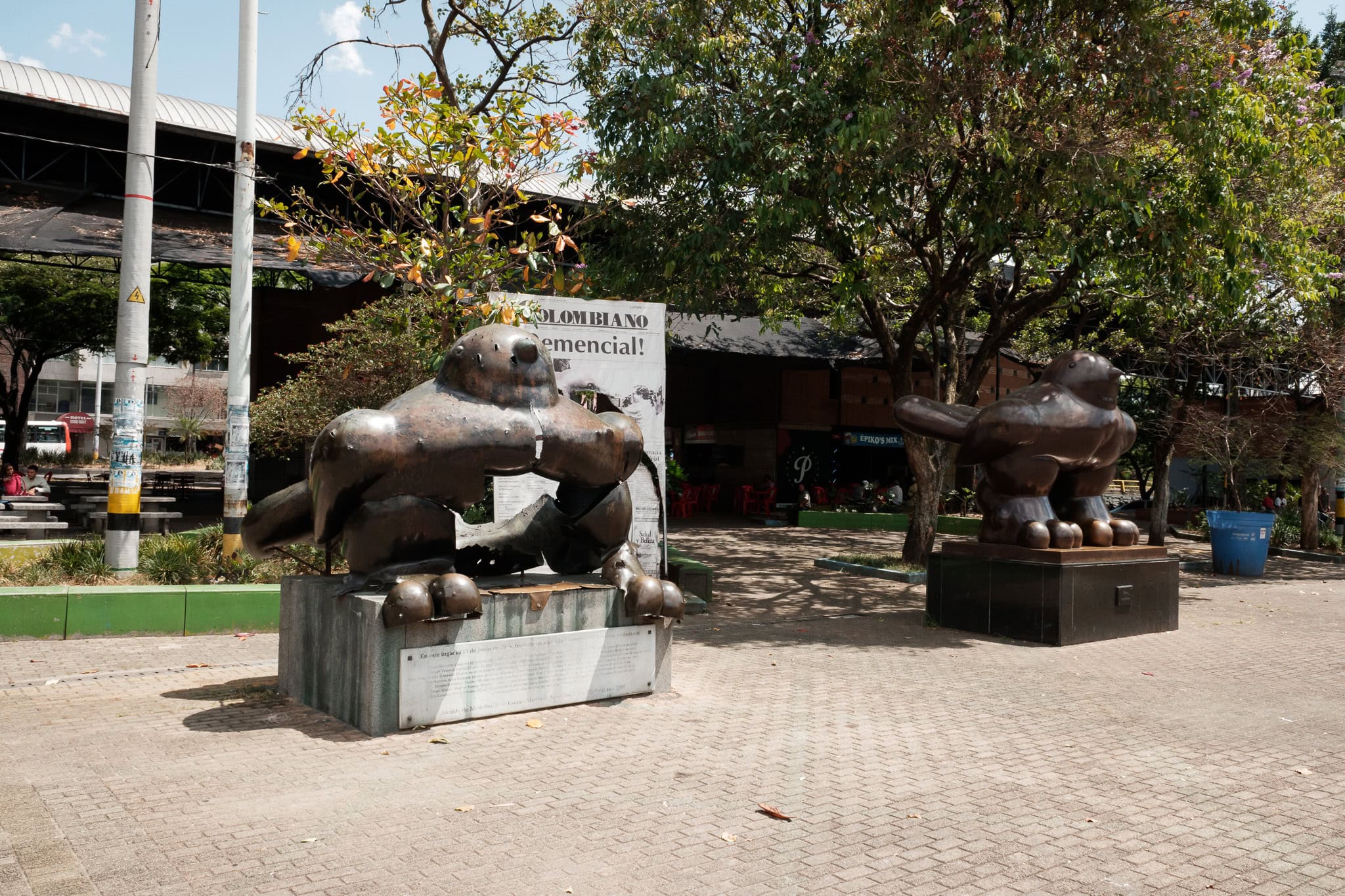
Our original plan had been to join a Pablo Escobar tour, but we weren’t sure what to expect. So instead, we explored the city on foot and visited the Museo Casa de la Memoria (House of Memory). The museum deals with Colombia’s civil and drug-related conflicts since 1948. Through interactive exhibits, we could scroll through digital newspaper archives and study various graphics and statistics on screens — a powerful and well-curated introduction to the city’s history.
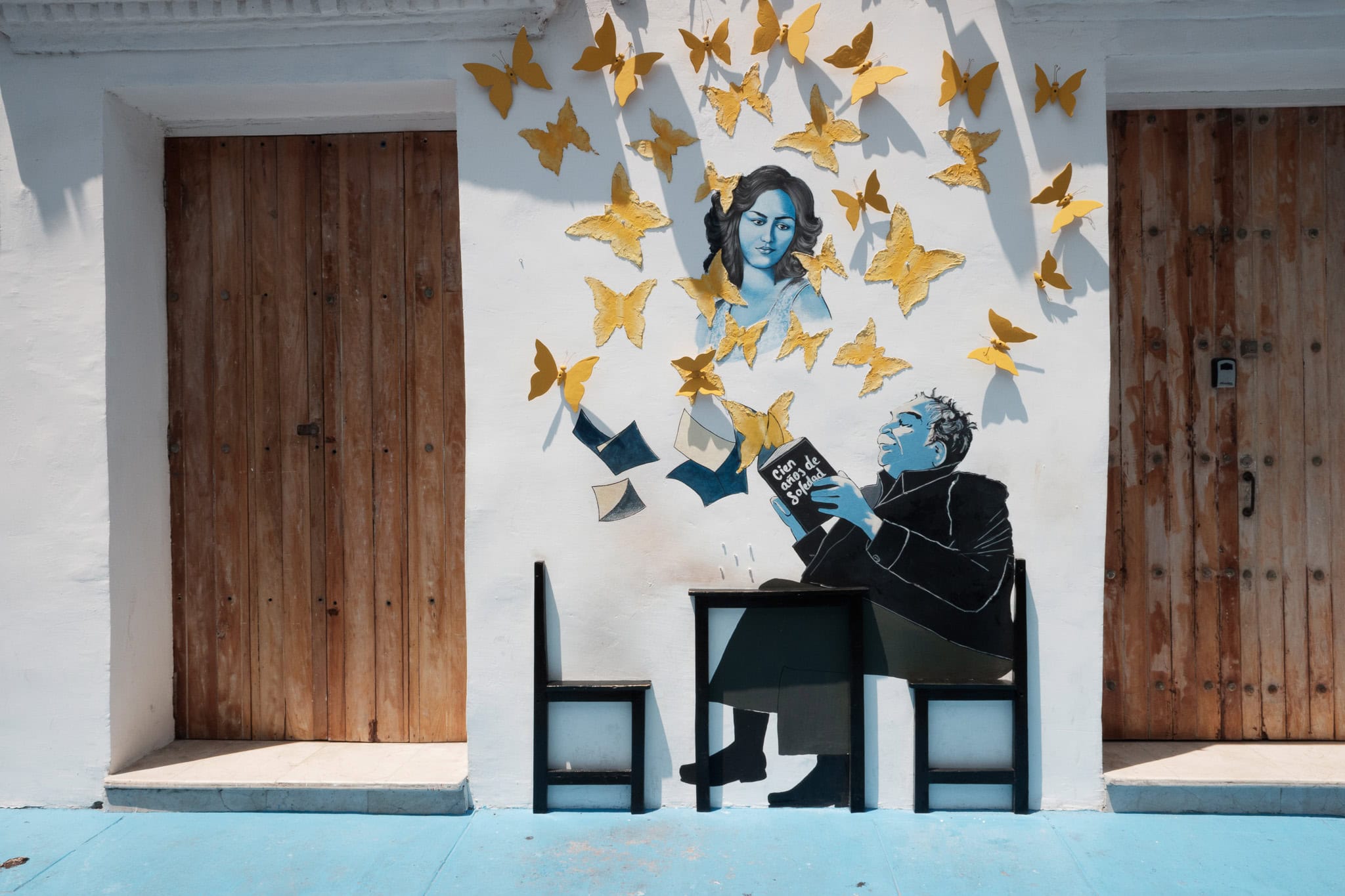
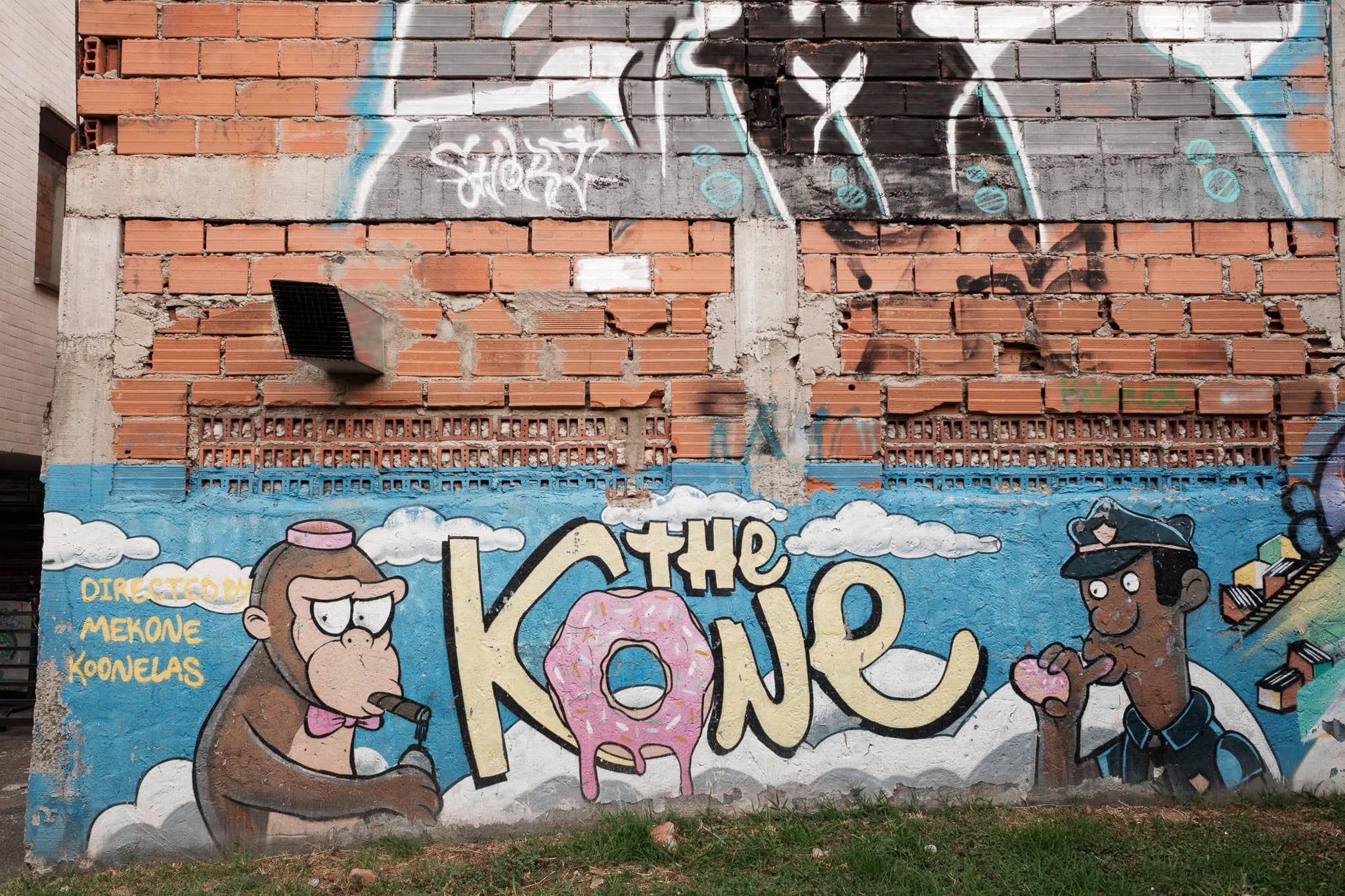
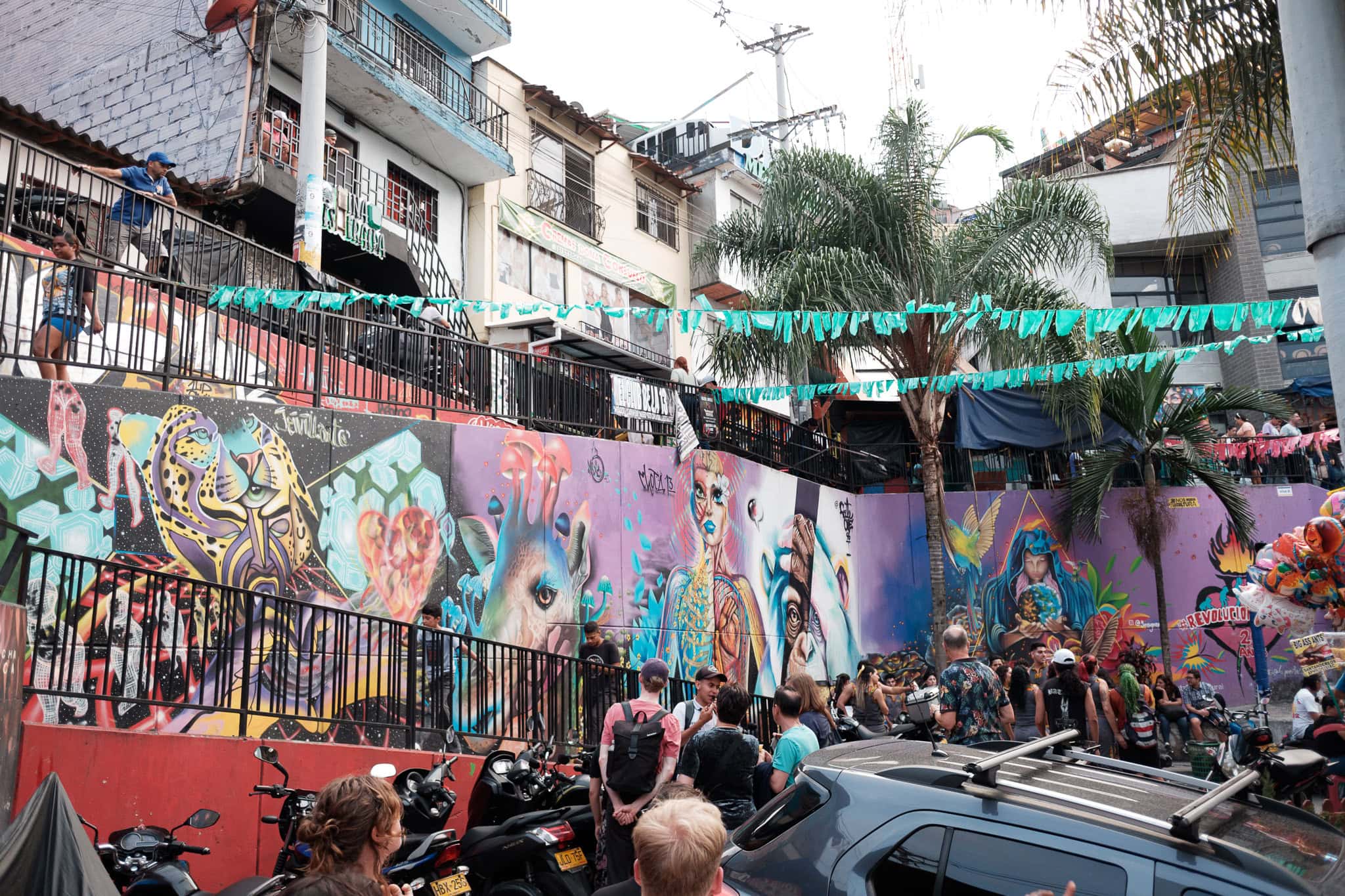
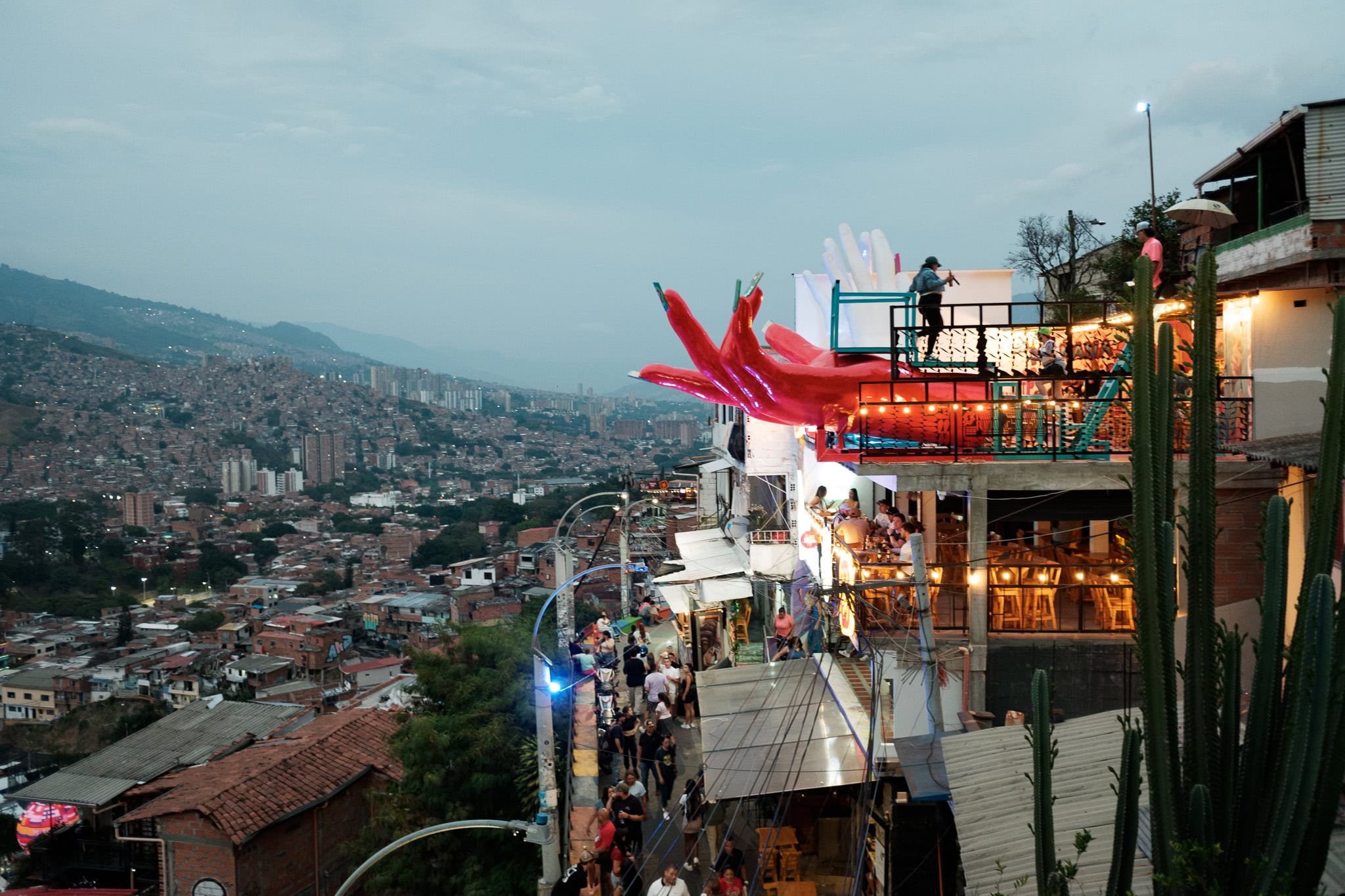
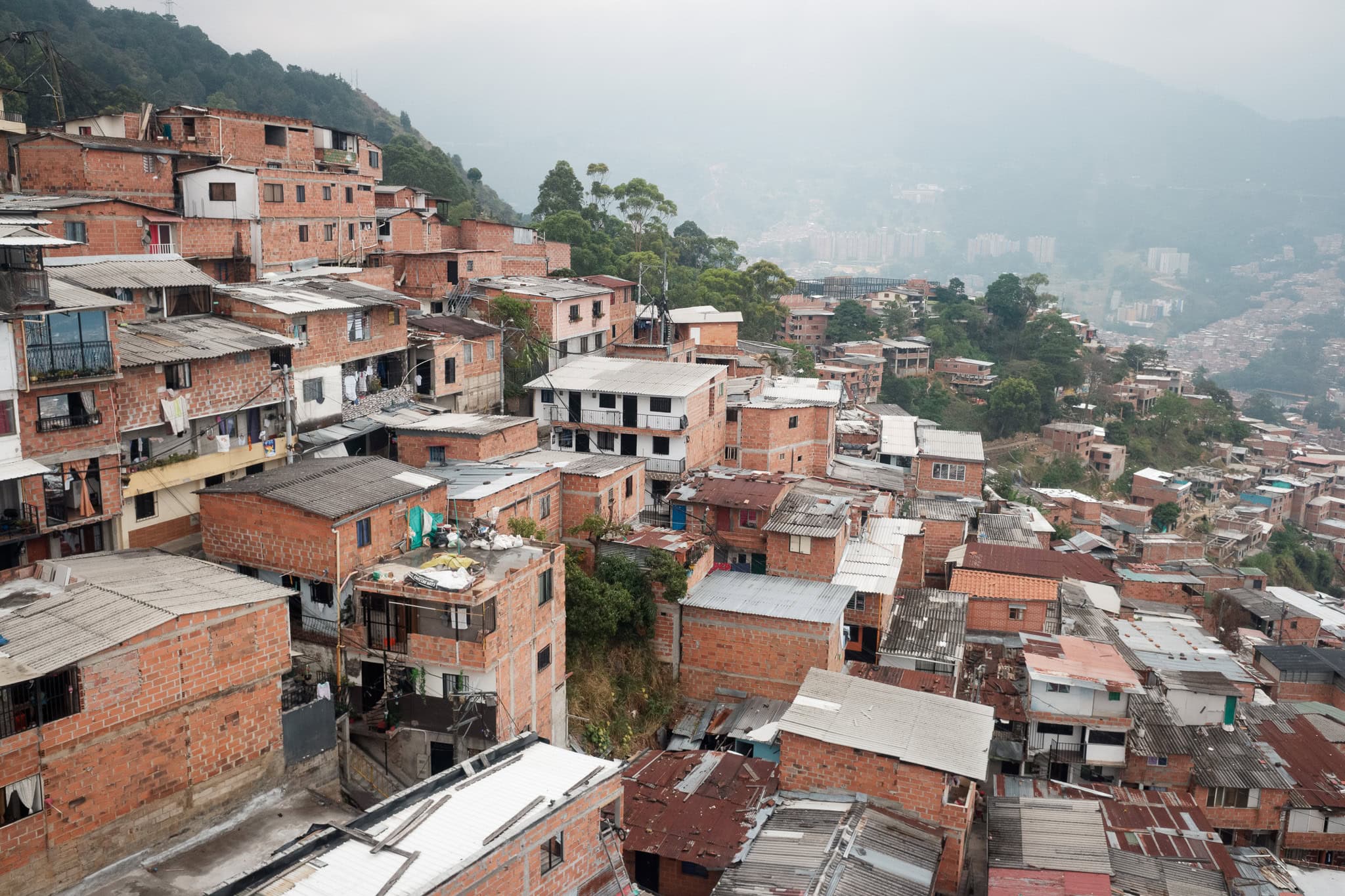
In the afternoon, we joined a free walking tour through Comuna 13. As recently as 1991, this neighborhood was among the places with the highest murder rates in the world; today, it is undergoing a transformation. Numerous graffiti and murals tell stories of the violence that dominated the area 30 years ago. Today, nightlife venues, bars, and a long outdoor escalator shape the neighborhood’s image. And yet Pablo Escobar was omnipresent here as well: smiling from T-shirts, lookalikes with walkie-talkies roaming the streets, and masks bearing his face for sale.
We learned a great deal about the city and about Colombia as a whole. In the evening, we watched a documentary about the various actors involved in the war over drugs, money, and power.
LORD VOLDEMORT IN COLOMBIA
The next day, we joined another free walking tour — this time focusing on Medellín itself. Our guide, Dio, had been a child when the drug war consumed the city. He always referred to Escobar as “Lord Voldemort,” because you never knew who might be listening.
He explained it like this: the generations who had experienced the bloody war on the streets firsthand hate the cartels, the drugs, Lord Voldemort, and the omnipresent violence. The generations born afterward, however, grew up with a very different perspective on that era. TV series and films — including Narcos — shaped the image of Escobar and turned him into a kind of “cool” drug lord. For part of today’s youth, he has even become a role model.
Because many people in Medellín speak little English, they often recognize only the name Pablo Escobar — not the critical explanations that guides provide about him.
It quickly became clear to us that we, too, had been influenced by this romanticized image. To us, Lord Voldemort had been a kind of cult figure, someone who supposedly supported the poor with his money. But after hearing Dio’s stories, we completely abandoned the idea of booking one of those tours. He told us that most providers aren’t interested in a nuanced examination of history, but rather in making as much money as possible from tourists.
After this tour, we understood a bit more clearly just how complex the history of this country is, with its countless factions and conflicts.
SALENTO AND FILANDIA
We left Medellín with new perspectives and a deeper understanding of the country and its people. Our next stop was Salento — because we absolutely wanted to visit the Valle de Cocora. Paula was looking forward to a hike, while I was hoping to photograph condors.
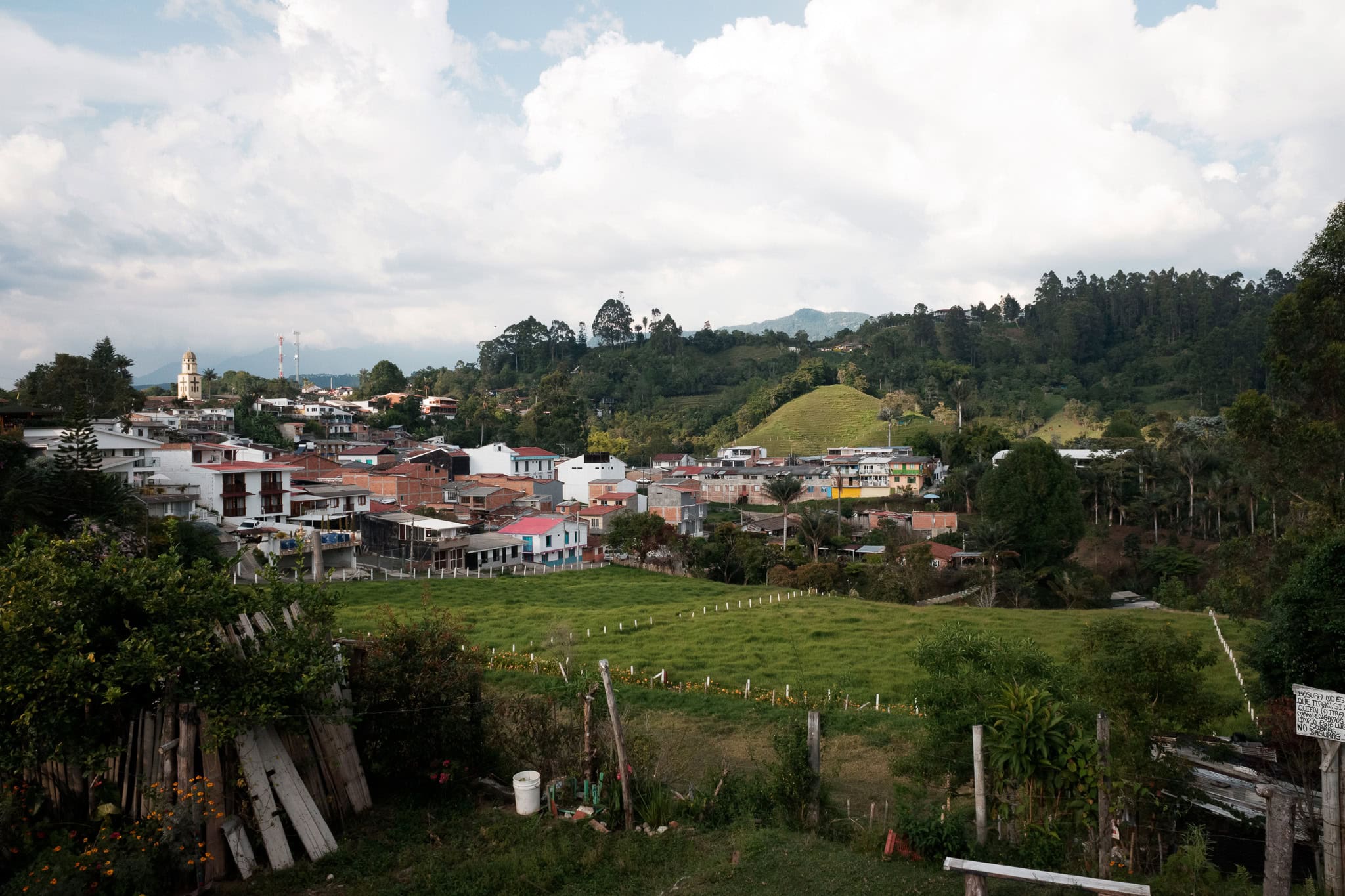
Our accommodation was cozy, and the host welcomed us with great warmth. After a six-and-a-half-hour bus ride with very little legroom, we took a break before strolling through town. Salento lies at around 2,000 meters above sea level, which creates a pleasantly cool climate and makes hiking less exhausting.
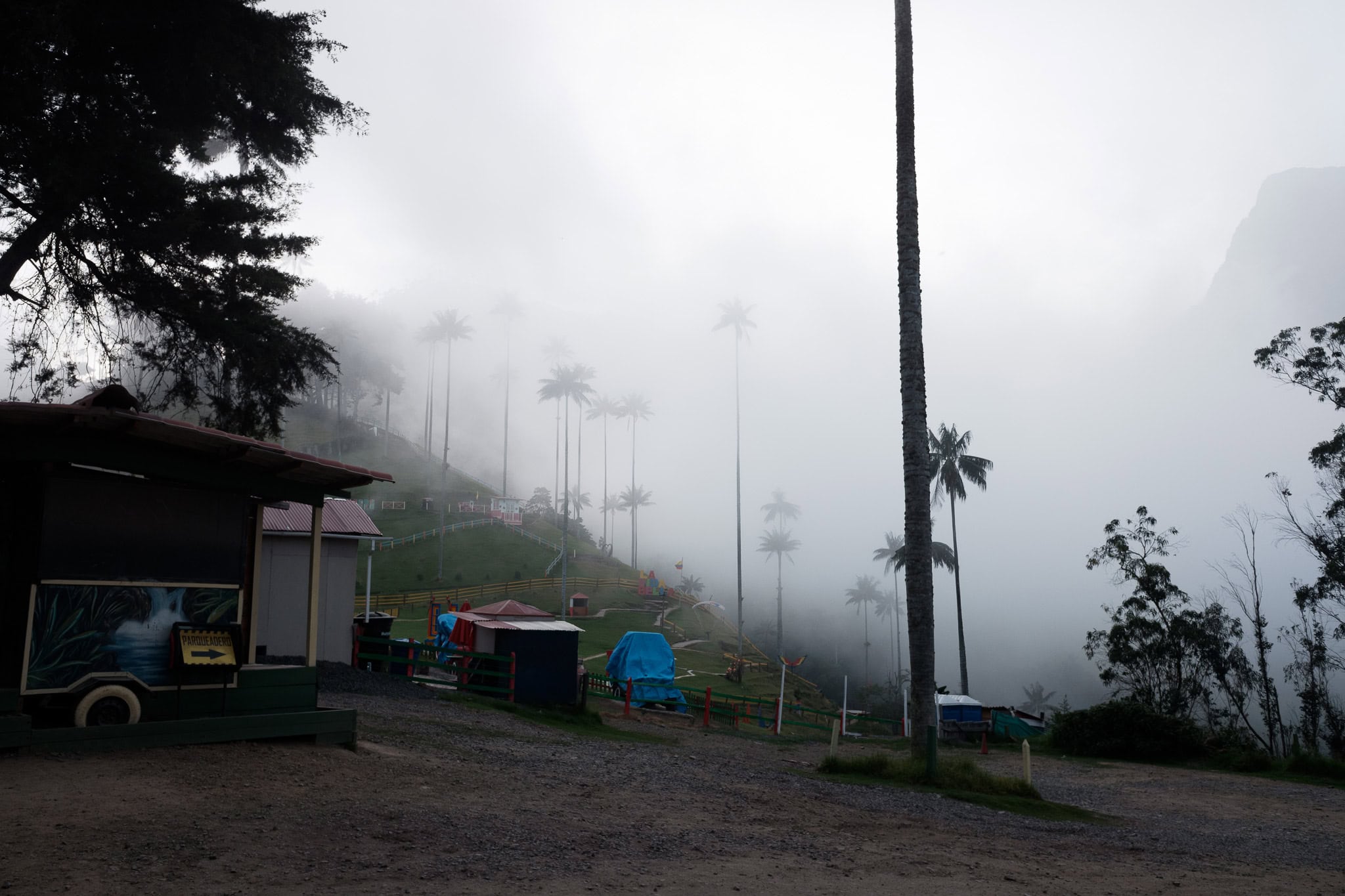
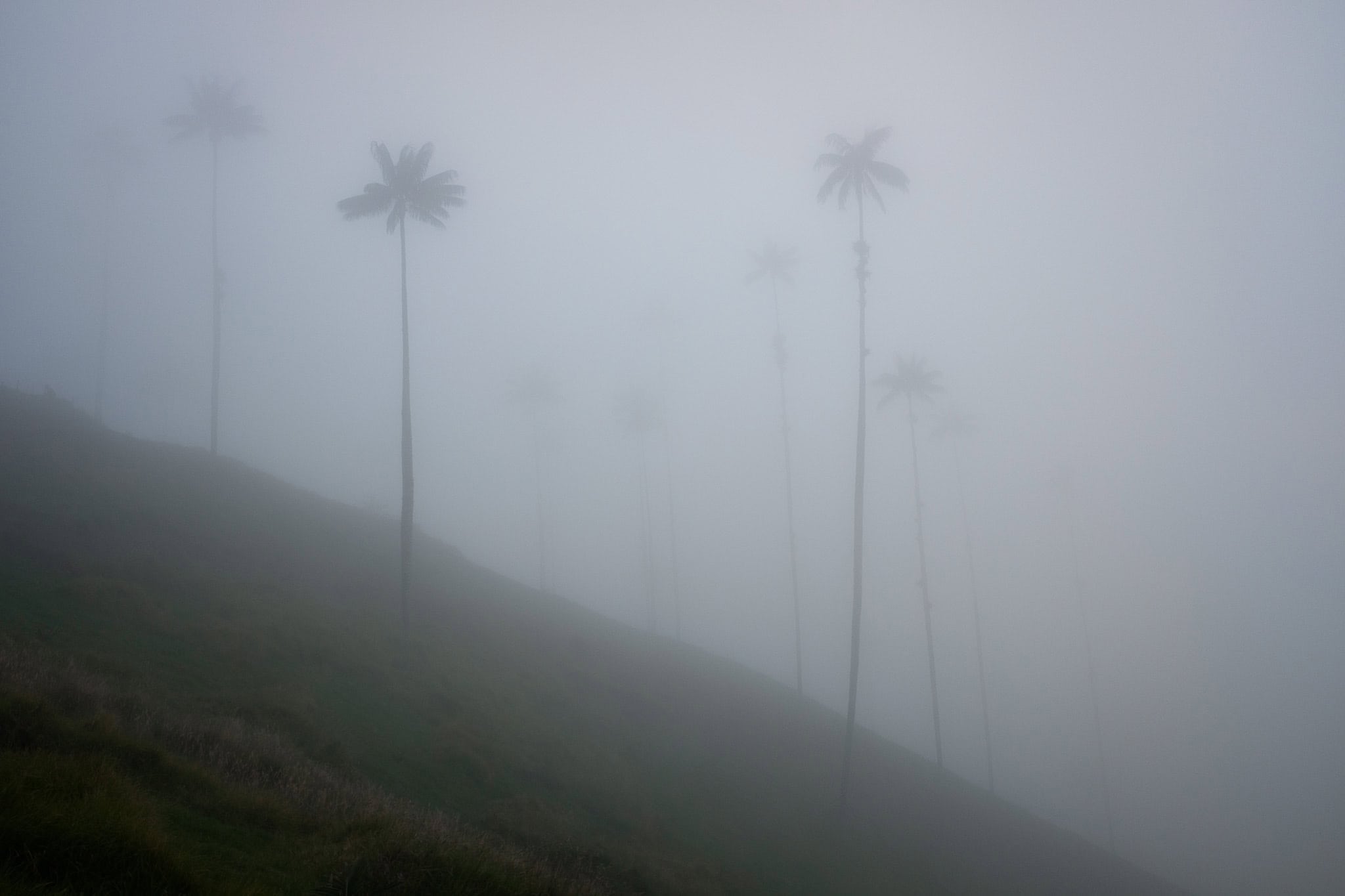
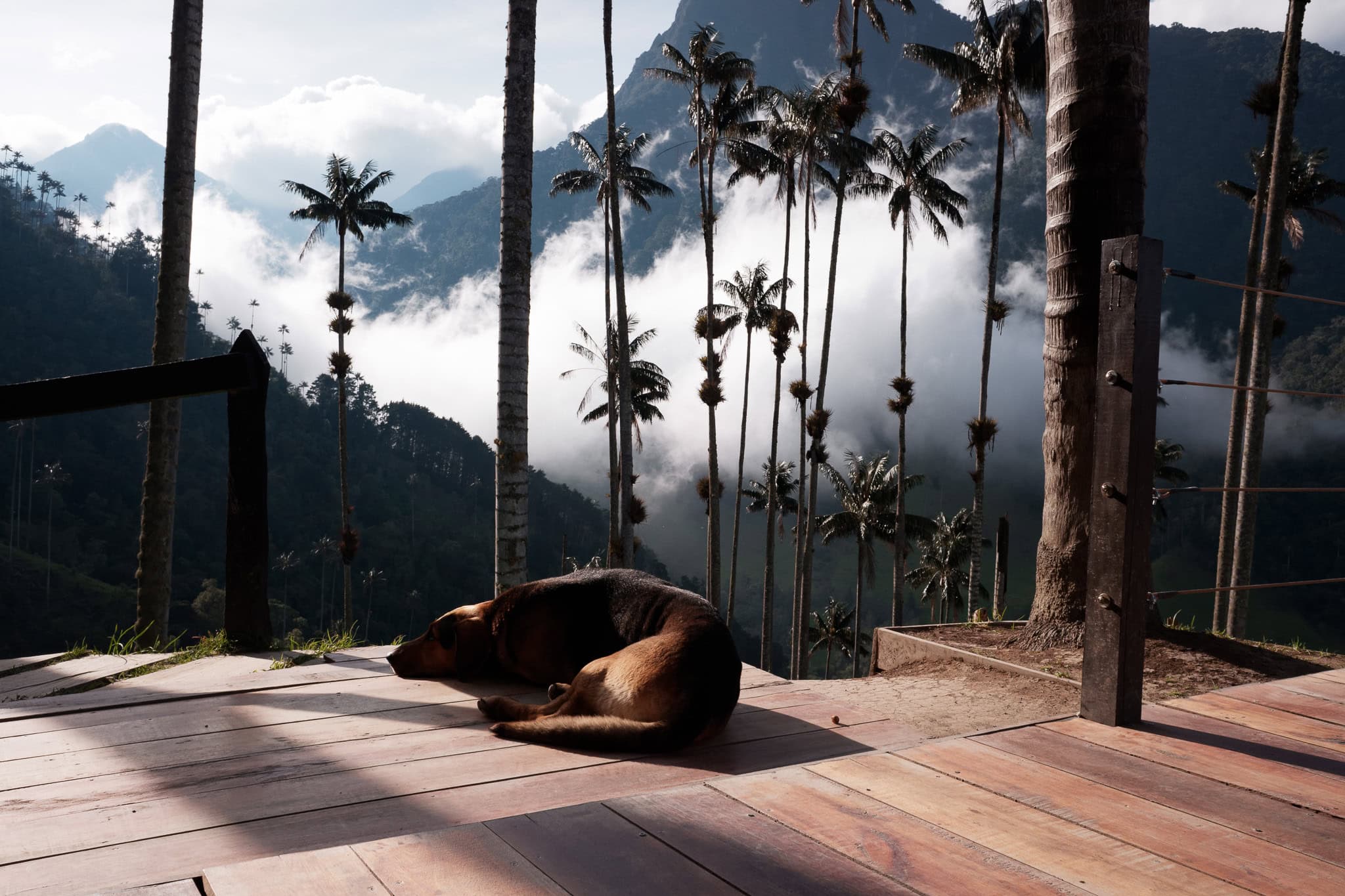
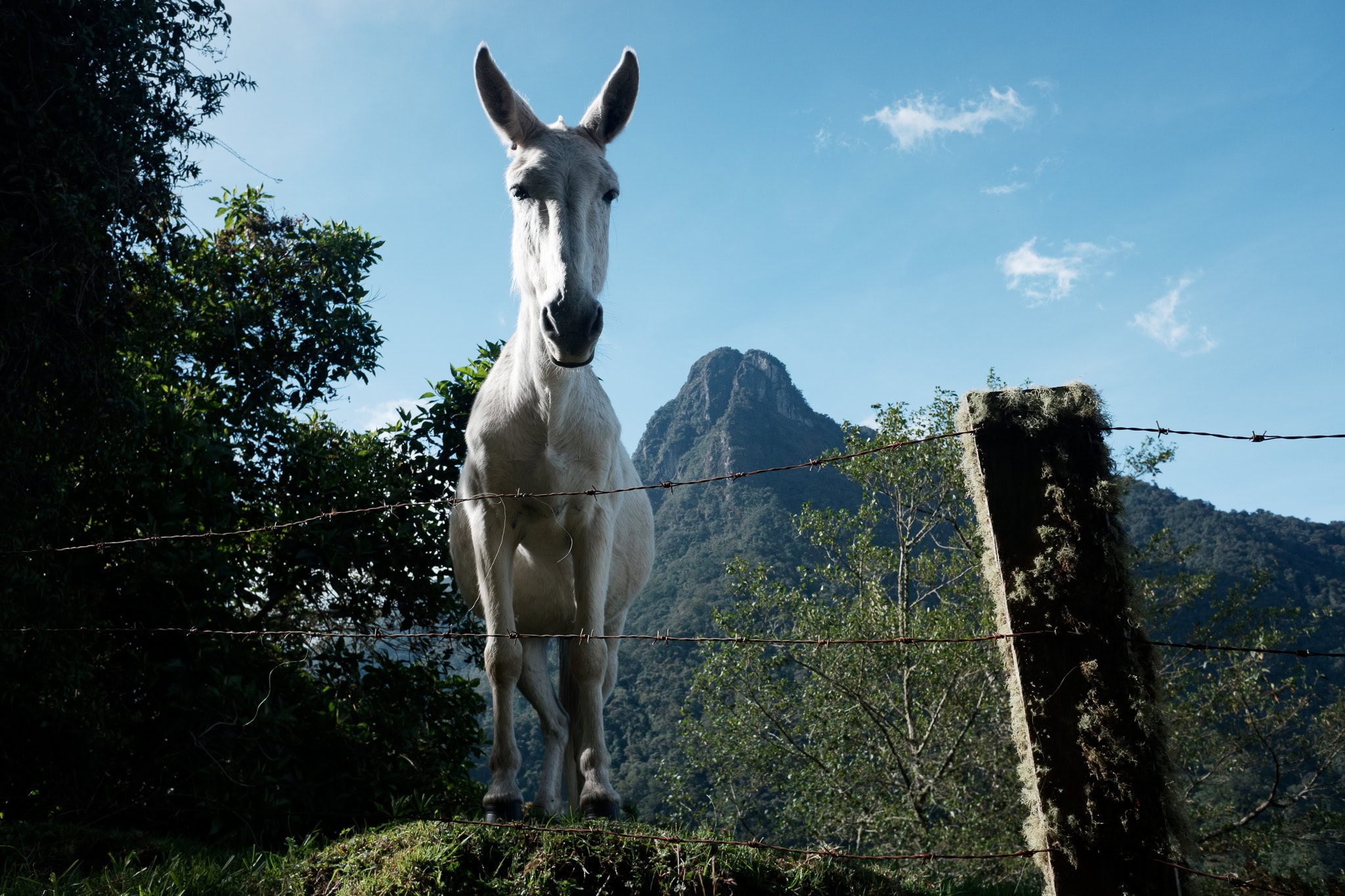
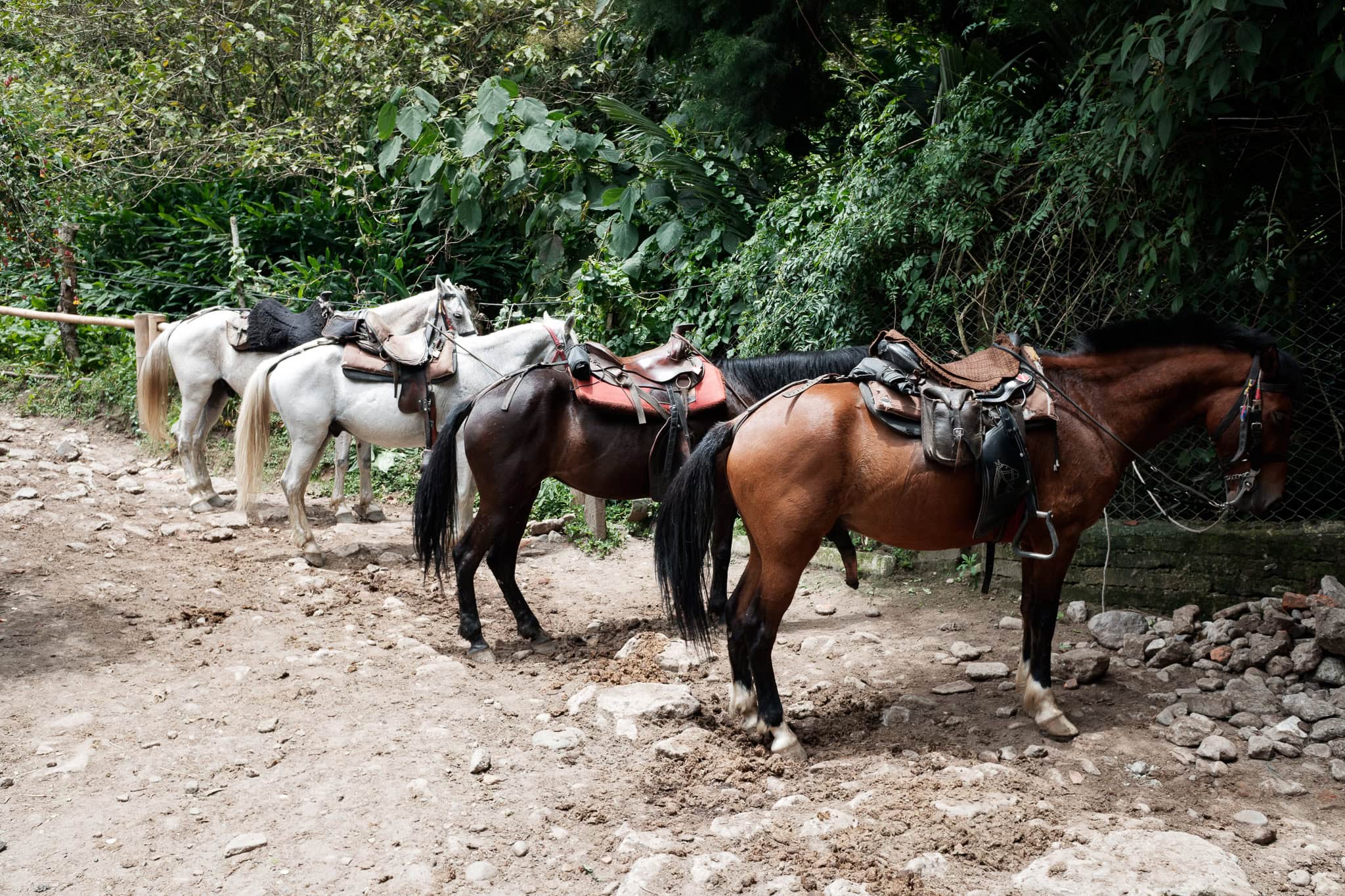
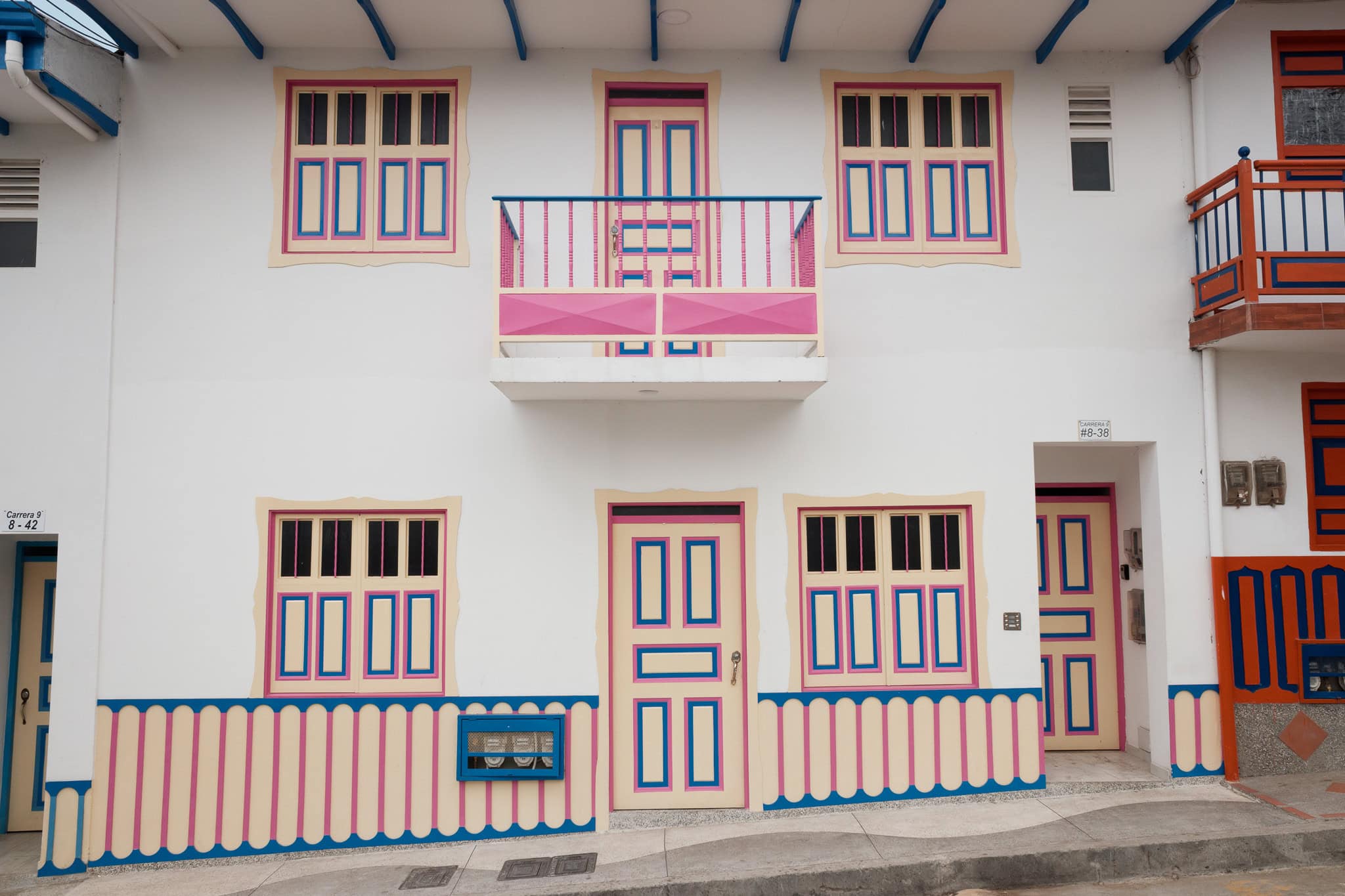
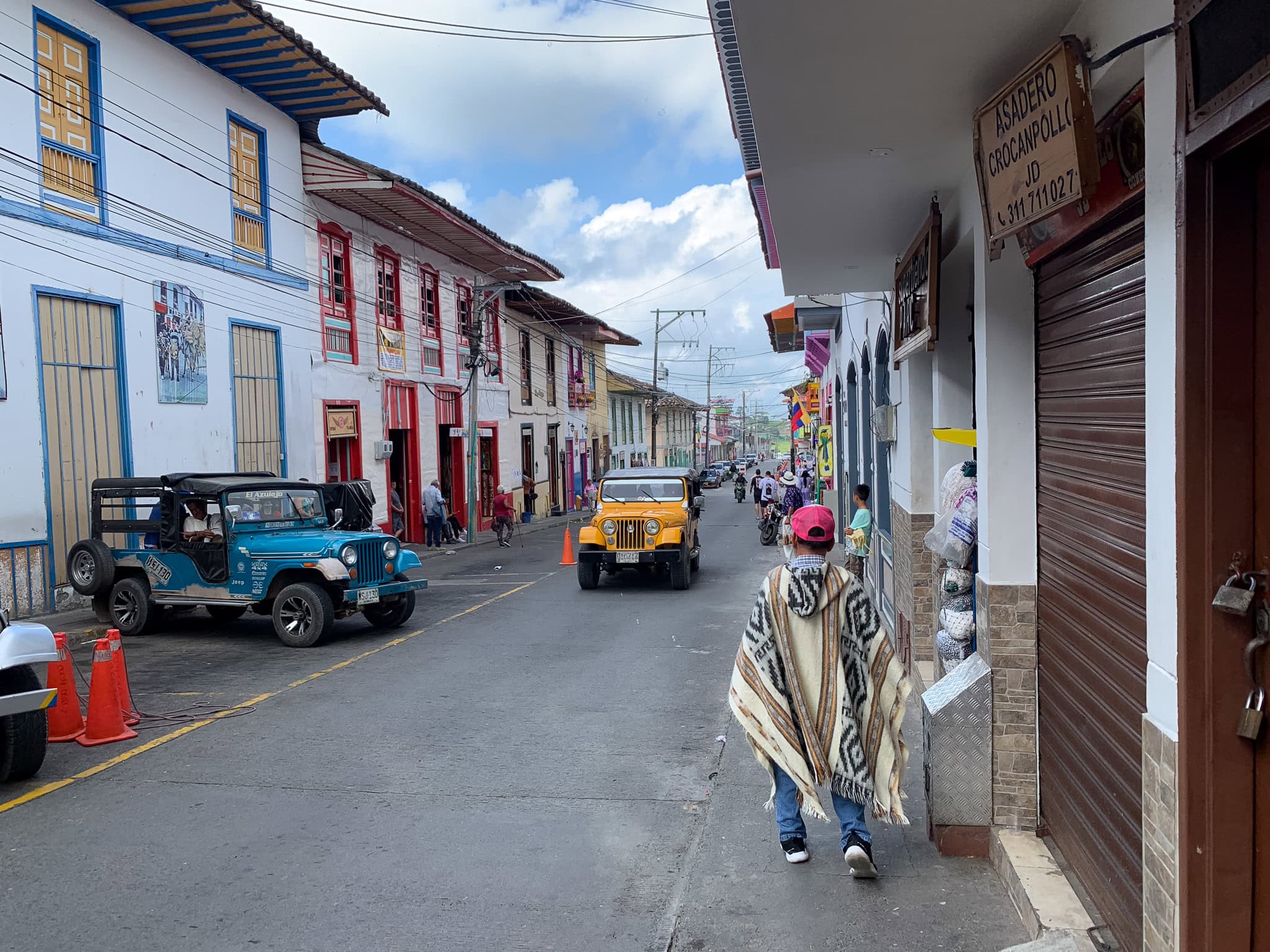
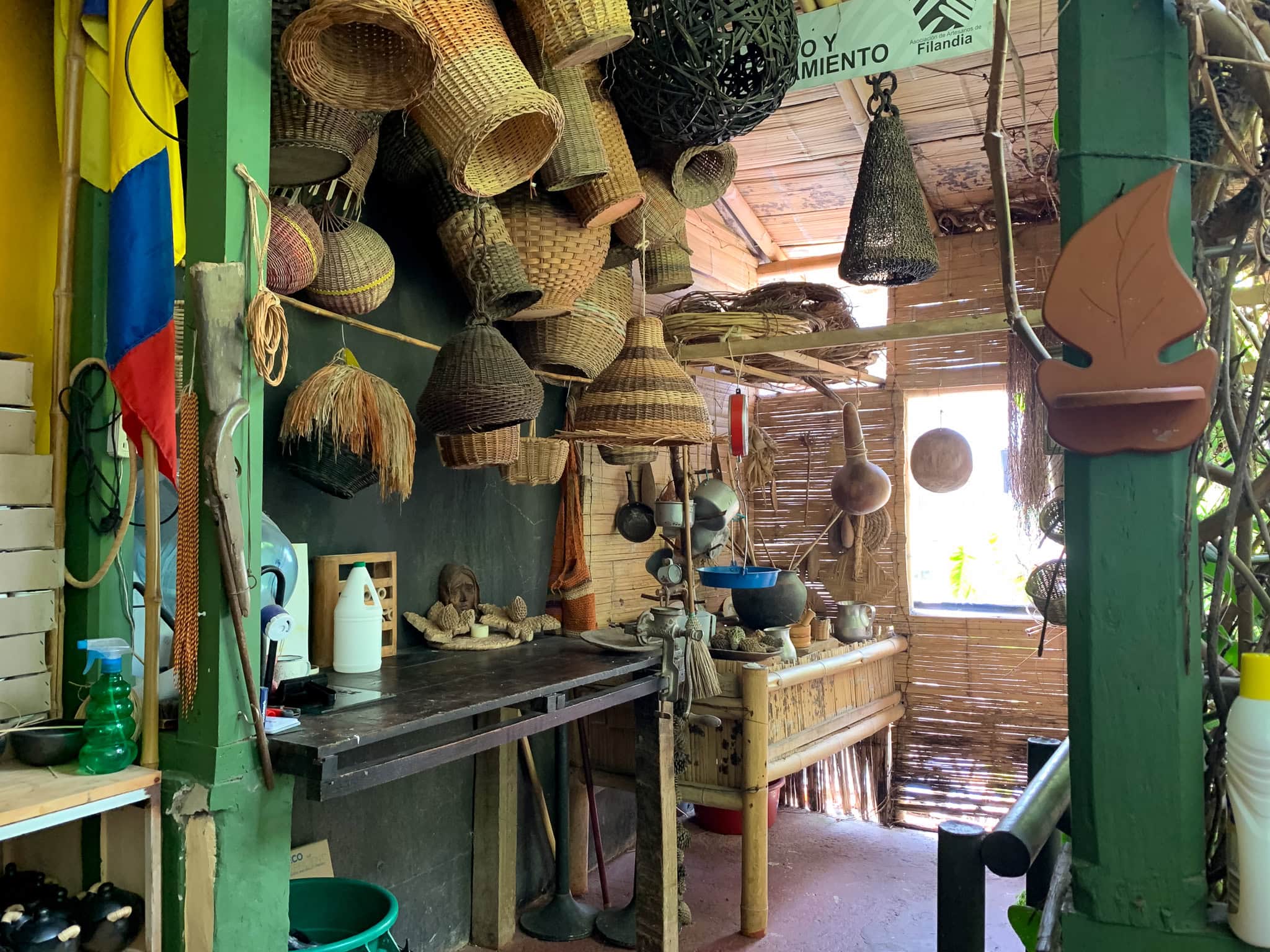
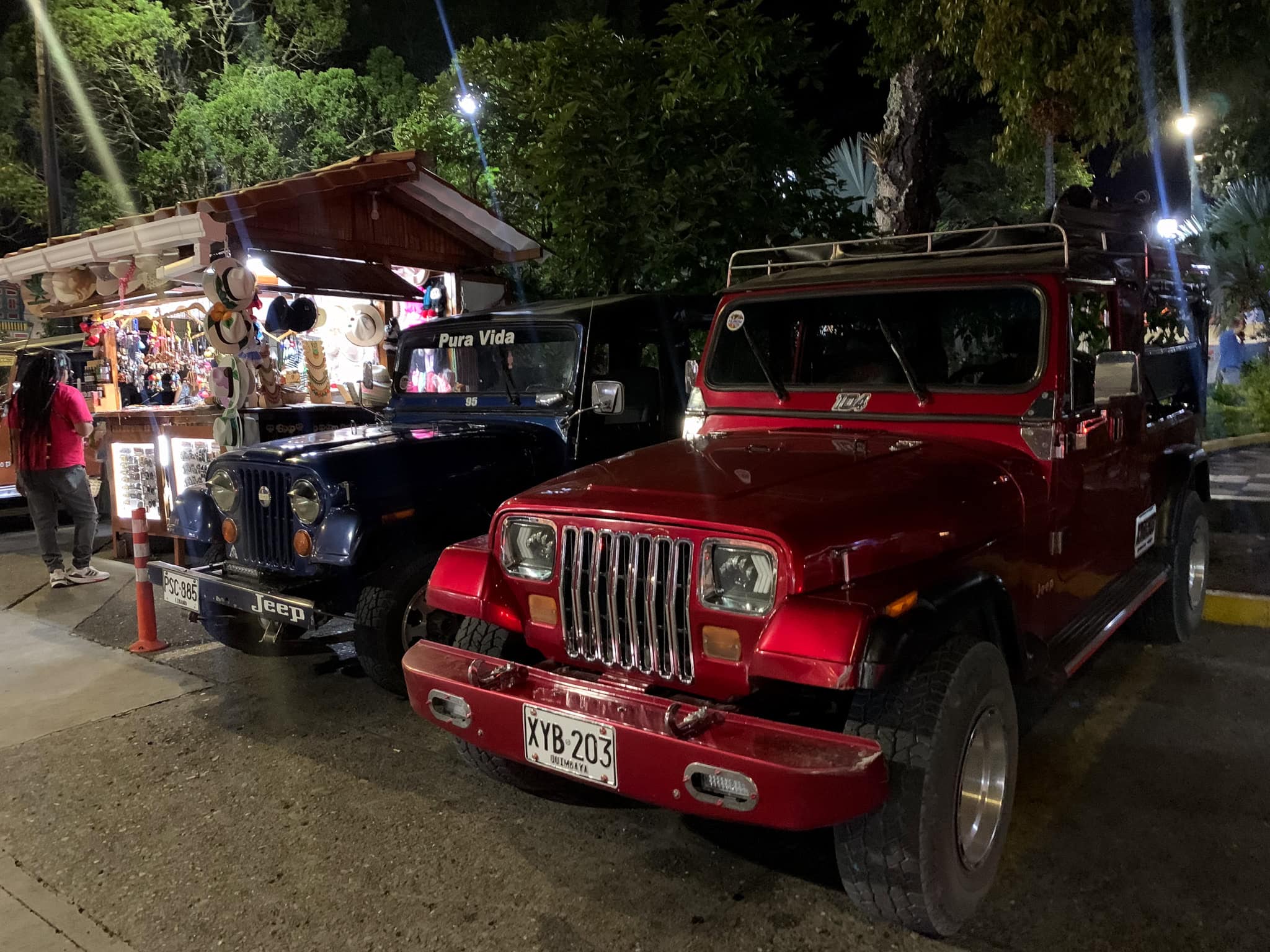
The next day, we took a jeep to the Valle de Cocora. There, we were joined by a very special guide: a dog who chose us and led us to the most beautiful viewpoints. Unfortunately, he was “poached” by other hikers at a mountain hut, so we had to make the descent on our own. We were out for a total of six hours, saw countless wax palms — but not a single condor. We stayed in Salento for a few more days, went horseback riding through coffee plantations, explored the town, and recovered from the exertions of the past weeks. Then we heard that Filandia was supposed to be even more beautiful — so we packed our bags and moved on. The quick verdict: Filandia is smaller than Salento, but somehow feels much more vibrant. The selection of non-fried vegetarian dishes, however, was rather limited.
24H Bogotá
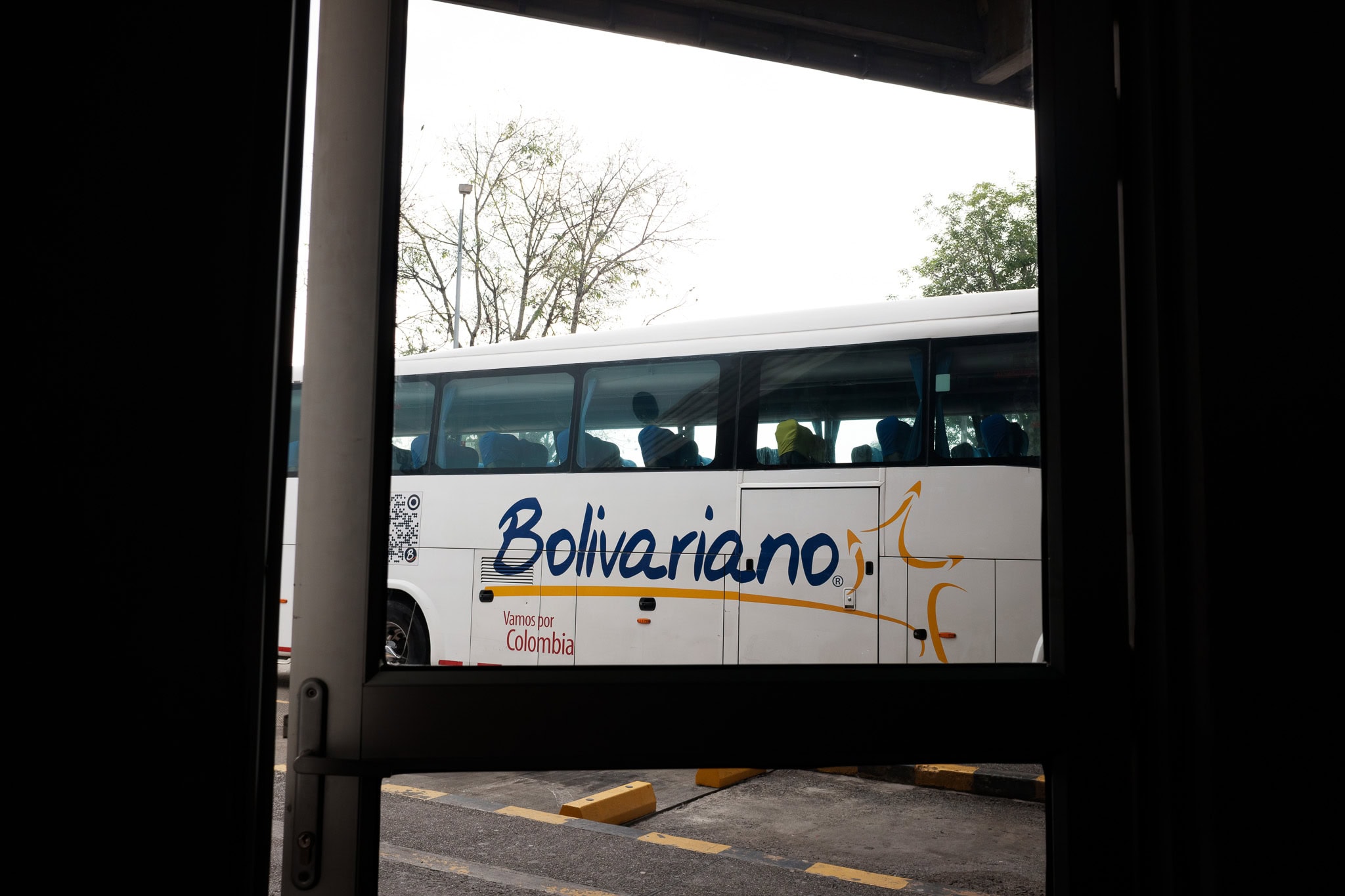
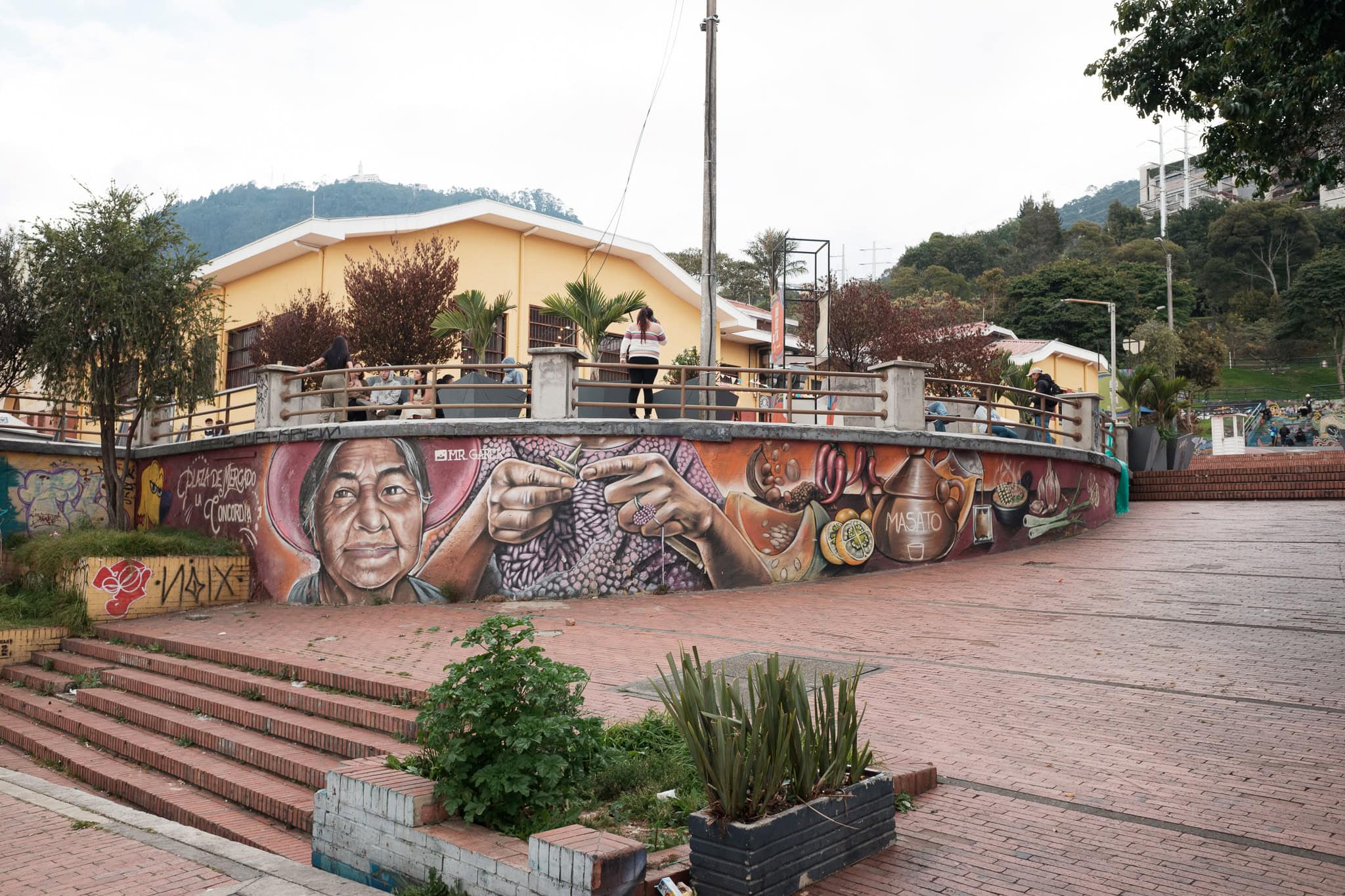
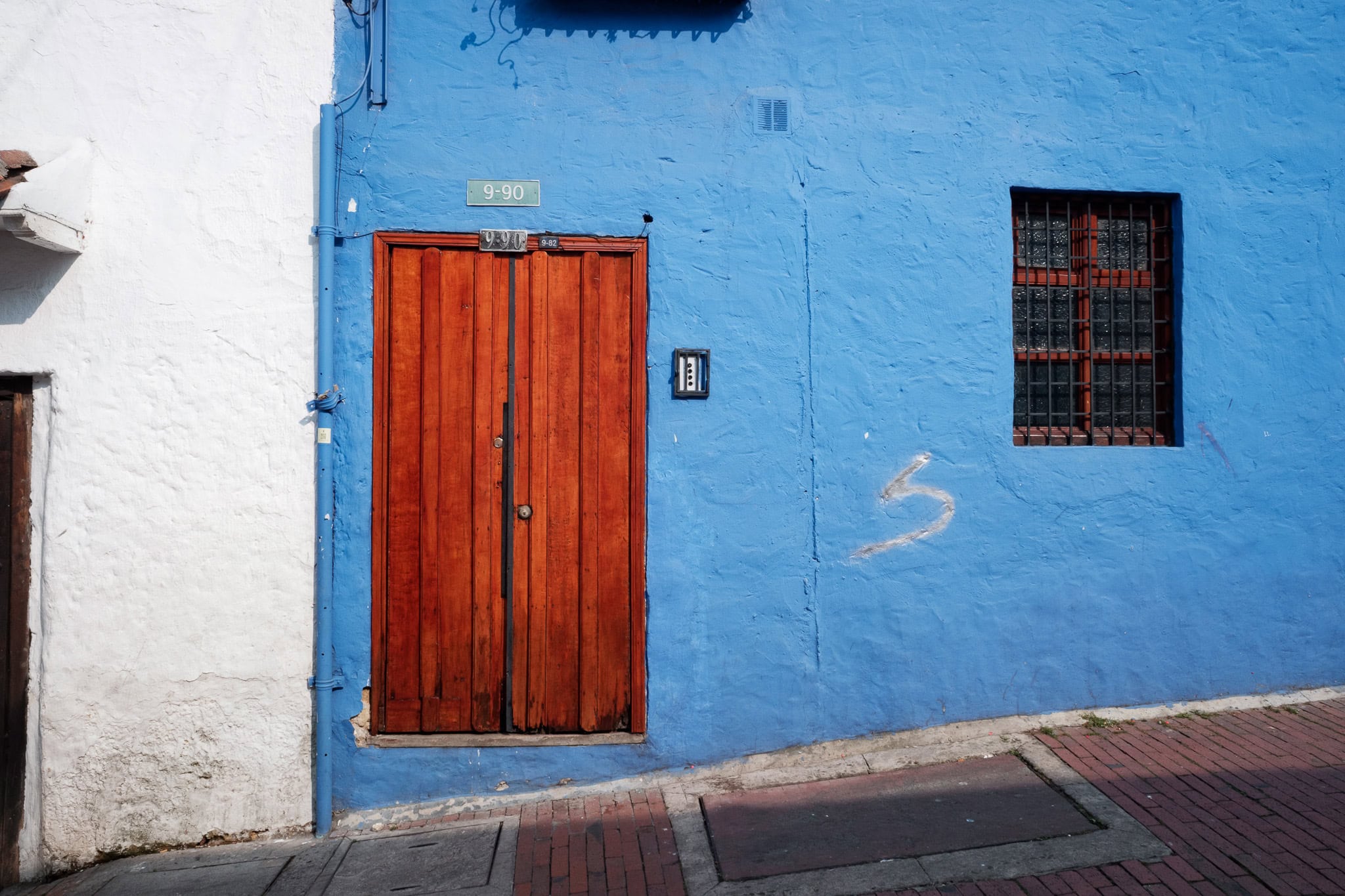
Refreshed and full of new energy, we continued on toward the capital. Bogotá was our destination — though only for a brief stay, as we were already heading onward by bus to Yopal after just 24 hours. Still, we managed to join a free walking tour and visit a handicrafts market. Along the way, we learned a bit more about the city and its history and sampled the local drink, chicha, at the market.
At 1:00 a.m., we finally boarded the bus to Yopal.
THE LAST GREAT ADVENTURE IN COLOMBIA
Eventually, we finally arrived in Yopal — and once again, the heat hit us like a wall. We looked for a bus driver who could point us to the correct bus to San Luis de Palenque. After a bit of back and forth and one more transfer, we finally found ourselves on the right bus. Our host was already waiting for us at a restaurant. After a quick meal — and many curious stares, as tourists apparently aren’t a common sight here — we still had to accompany him to drop off his son at kindergarten and buy him some underwear before we could finally head to the accommodation.
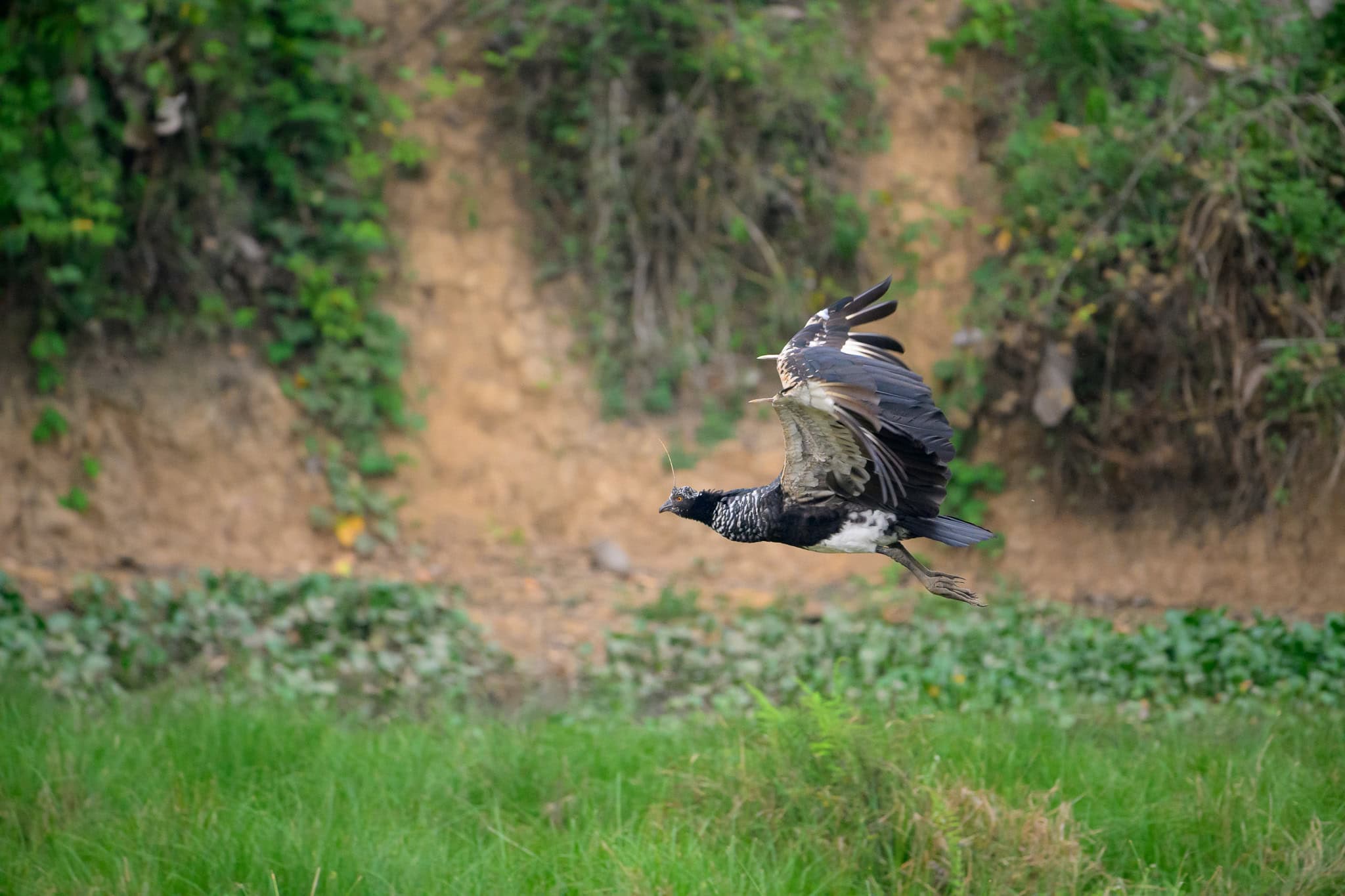
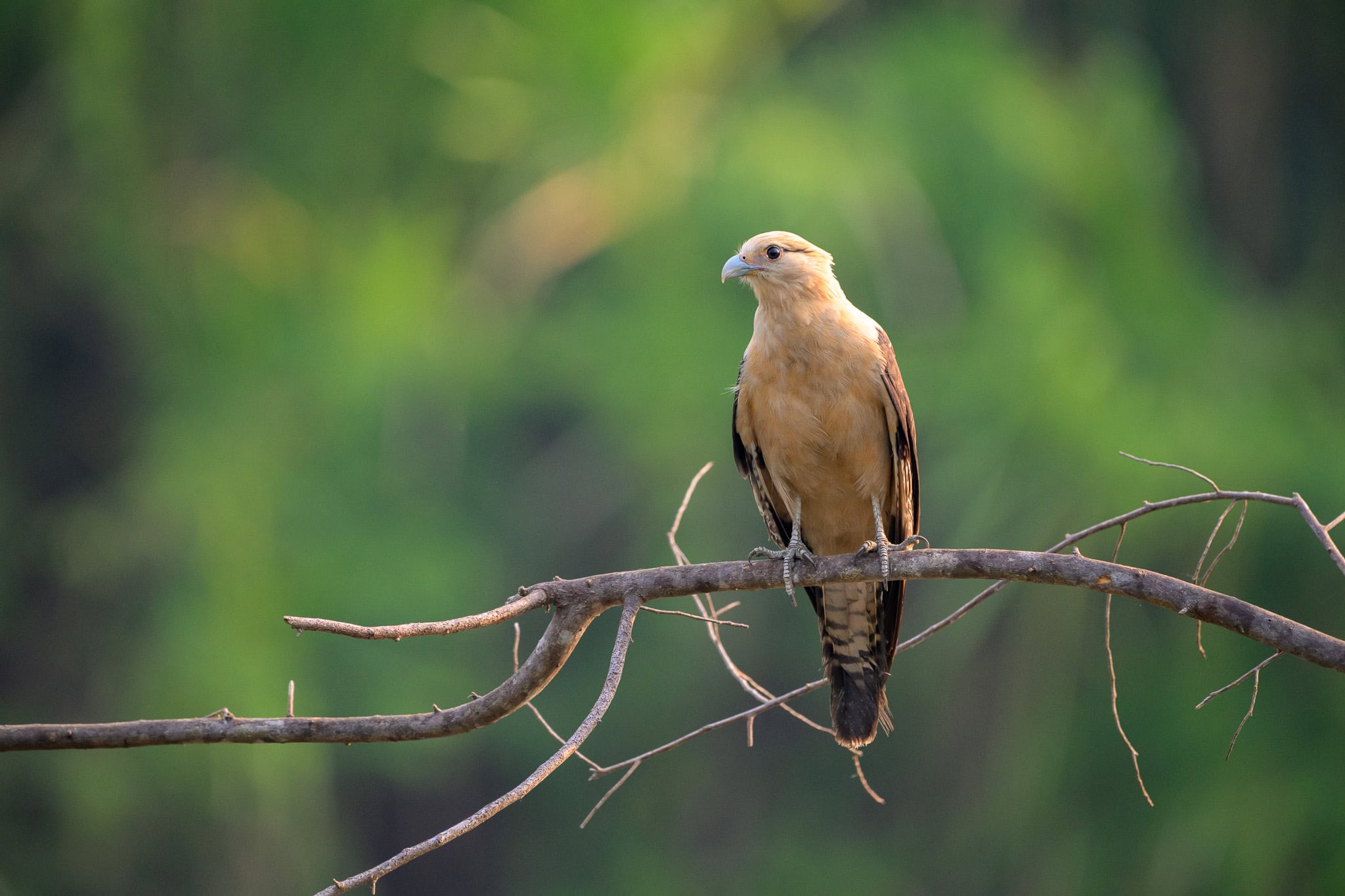
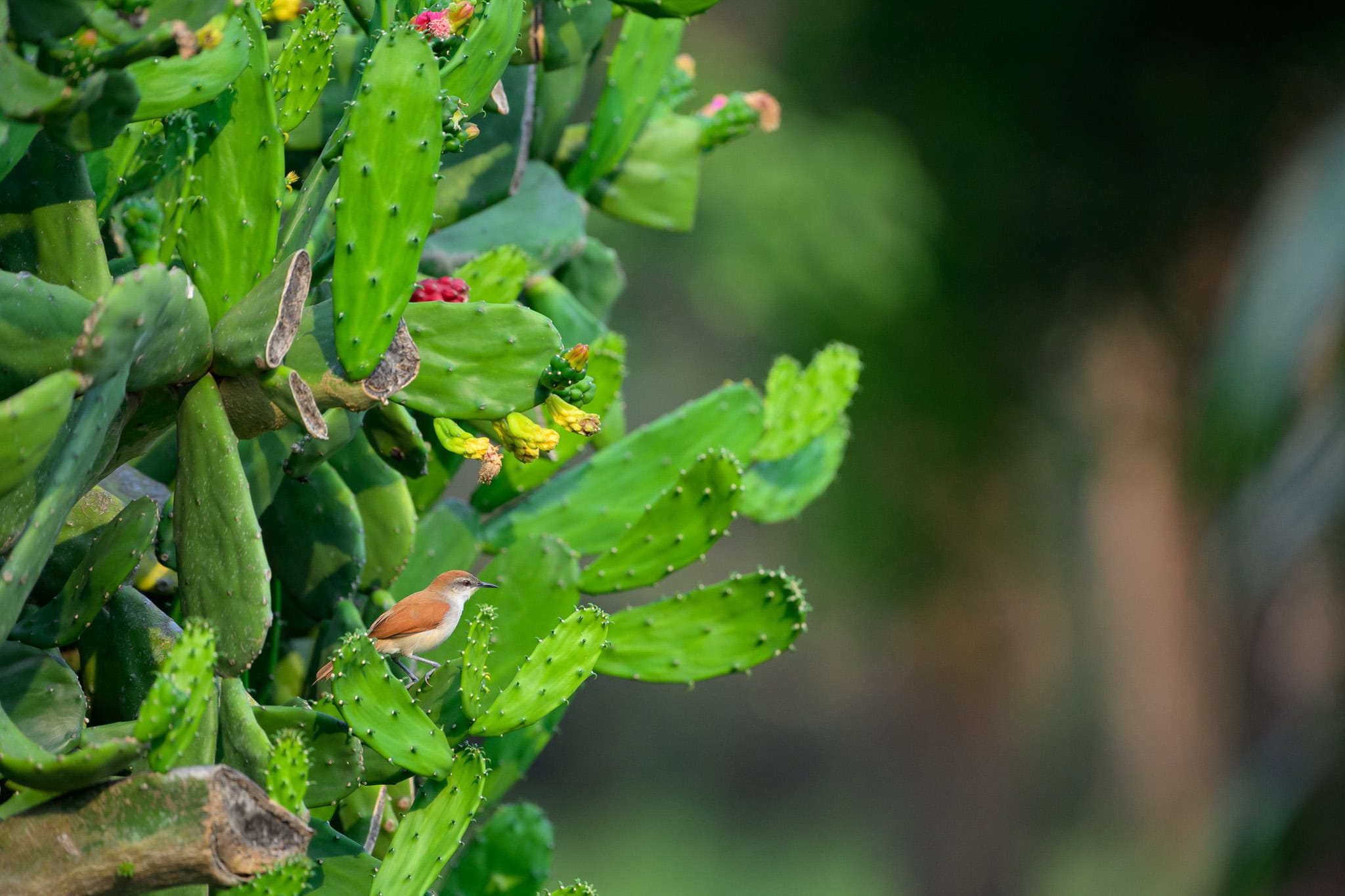
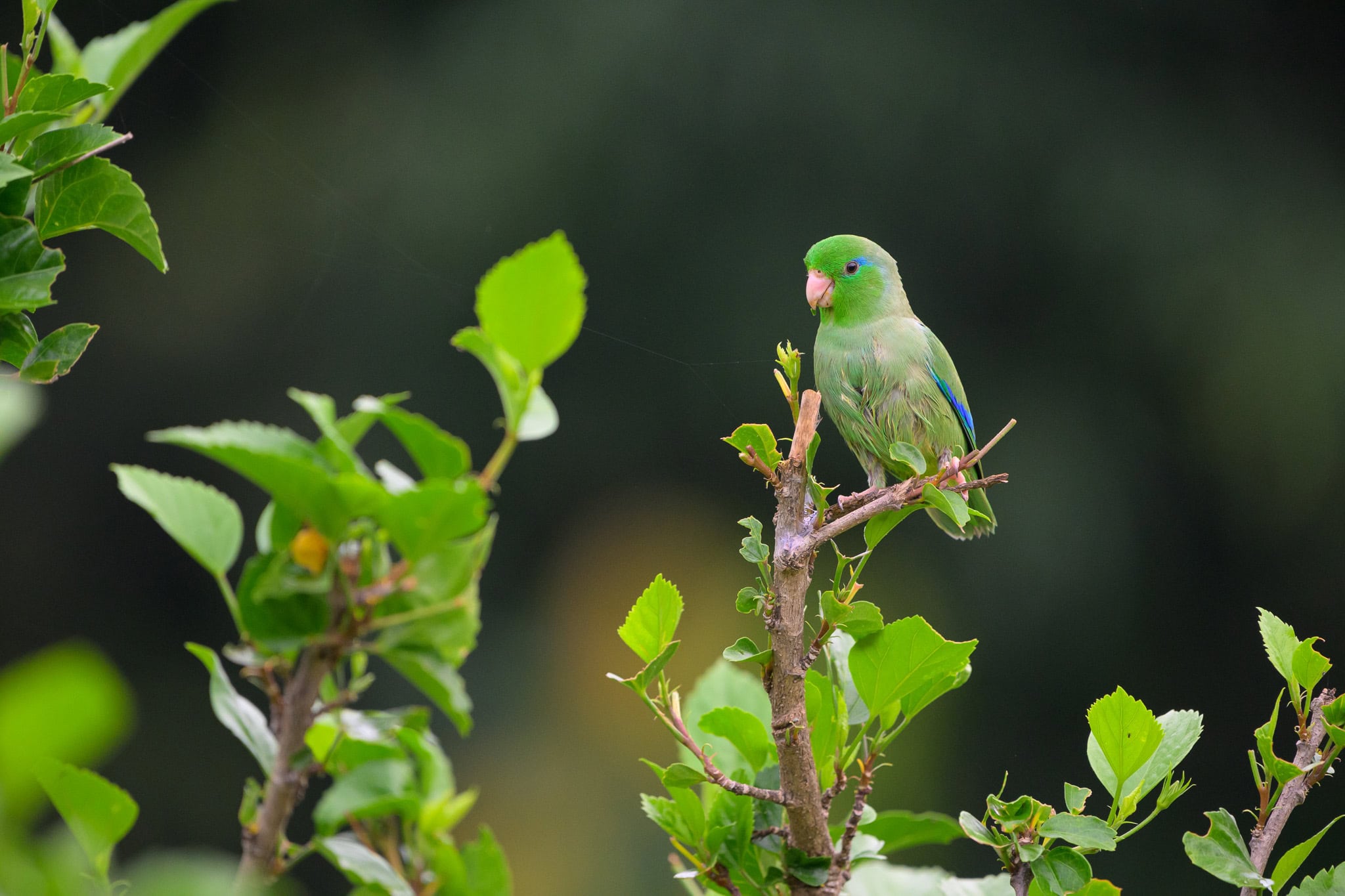
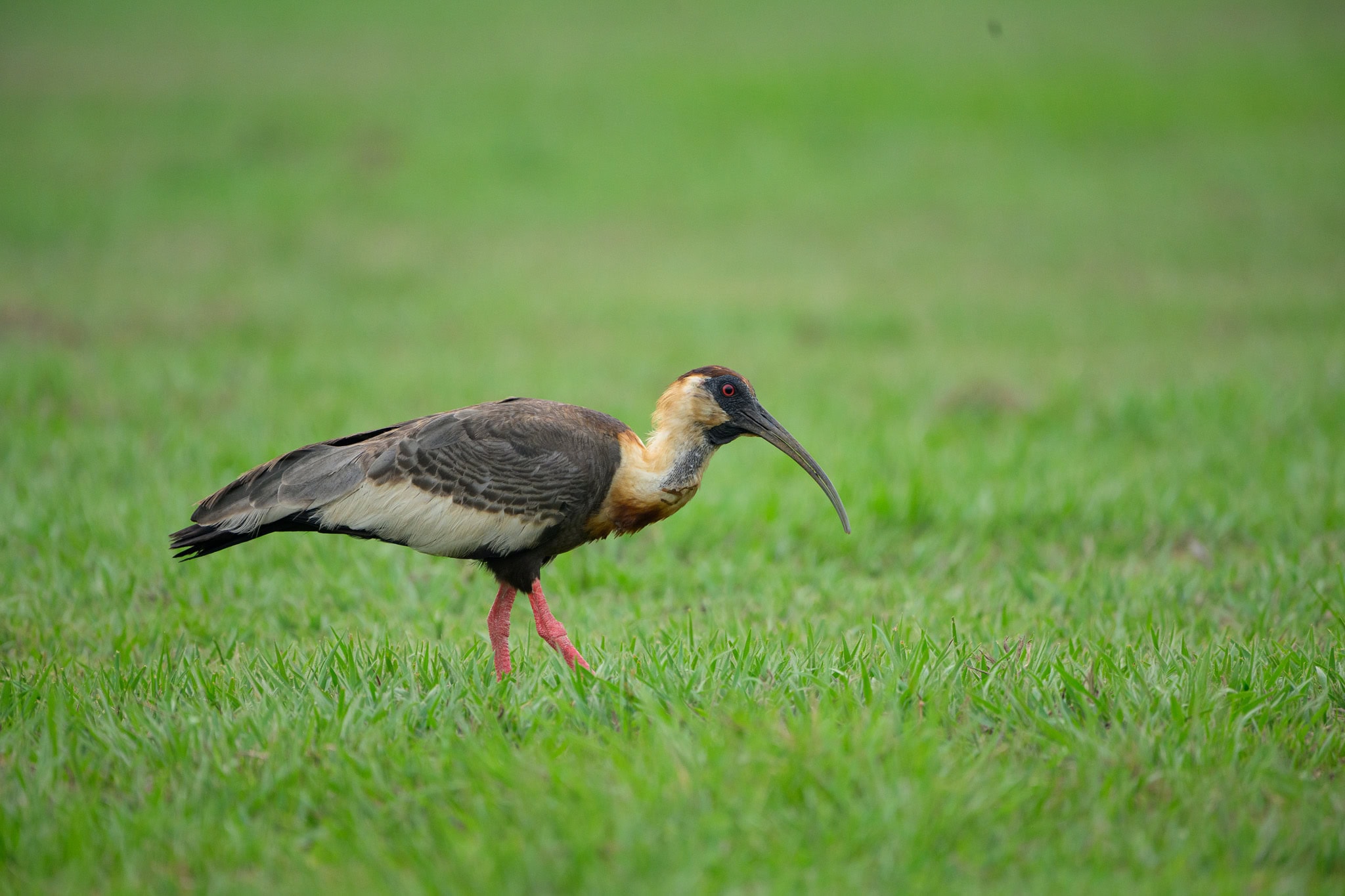
The place was fantastic: a large house surrounded by a vast property. Our host was incredibly kind and showed us a bit of the surroundings before we took a walk around the grounds on our own. Within a short time, we spotted countless bird species we had never seen before. Back in our room, however, we discovered that we were both covered in ticks. And so a new evening ritual was born: tick removal. We had arrived in the Llanos.
LOS LLANOS – COLOMBIA
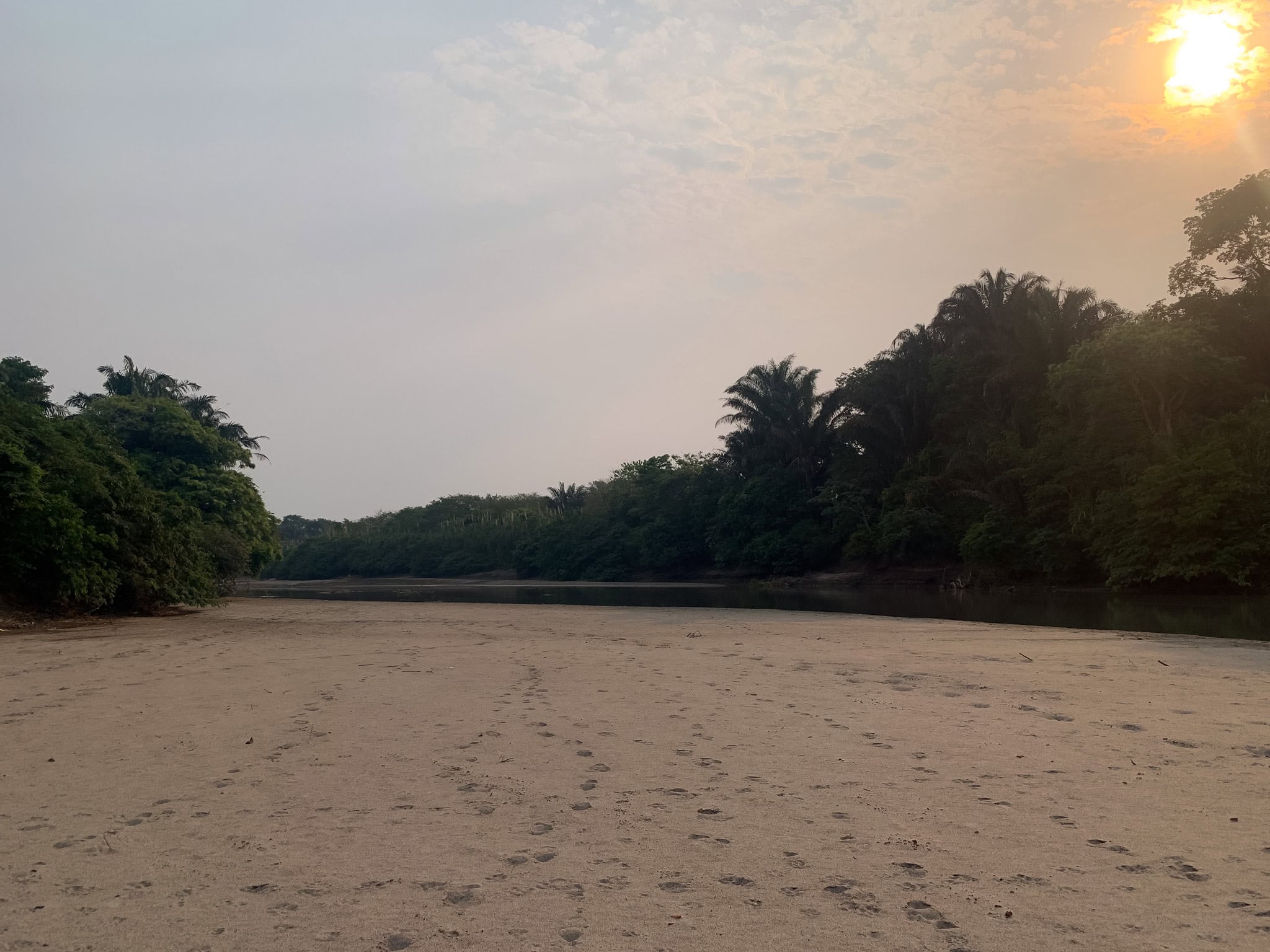
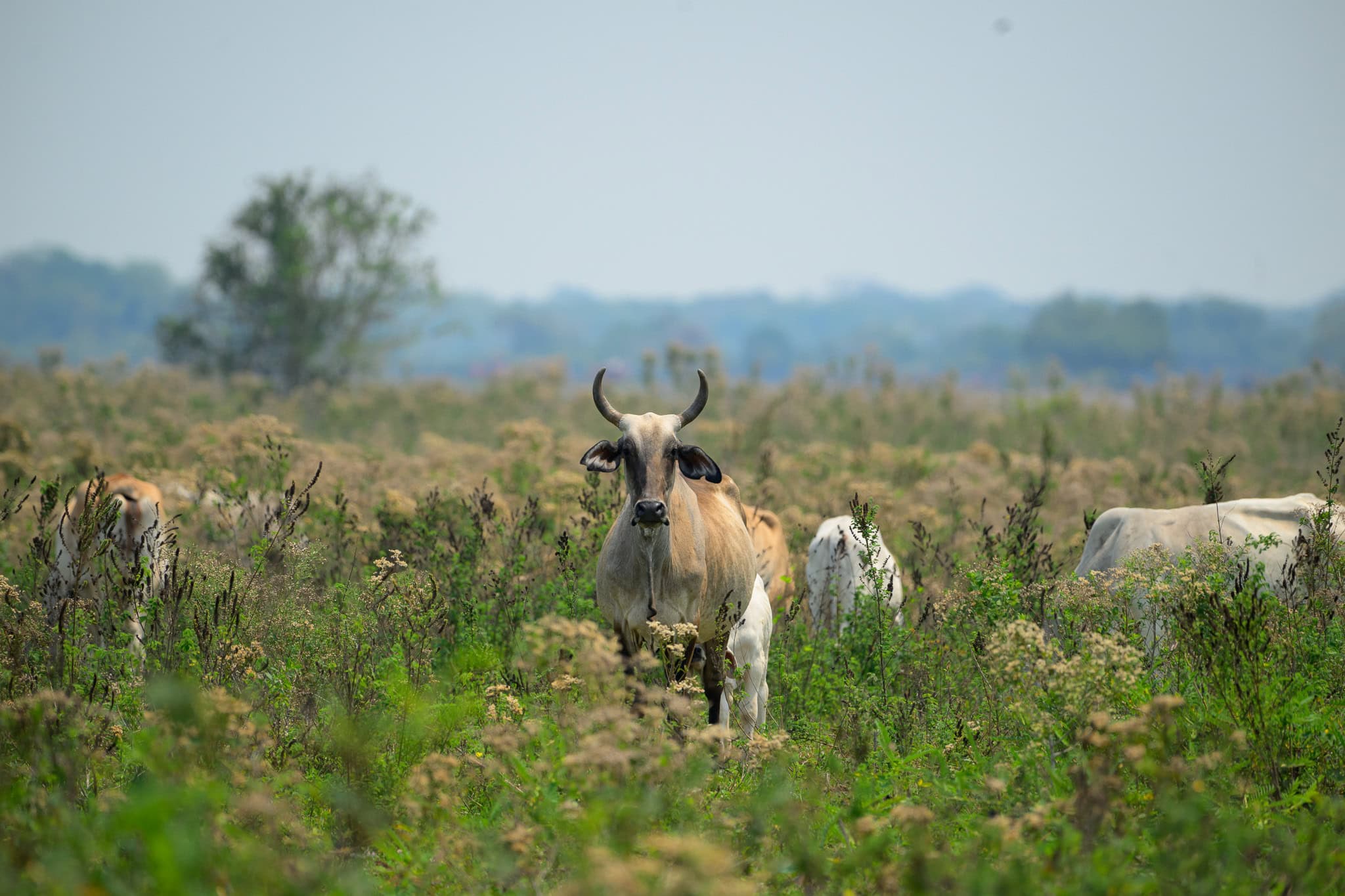
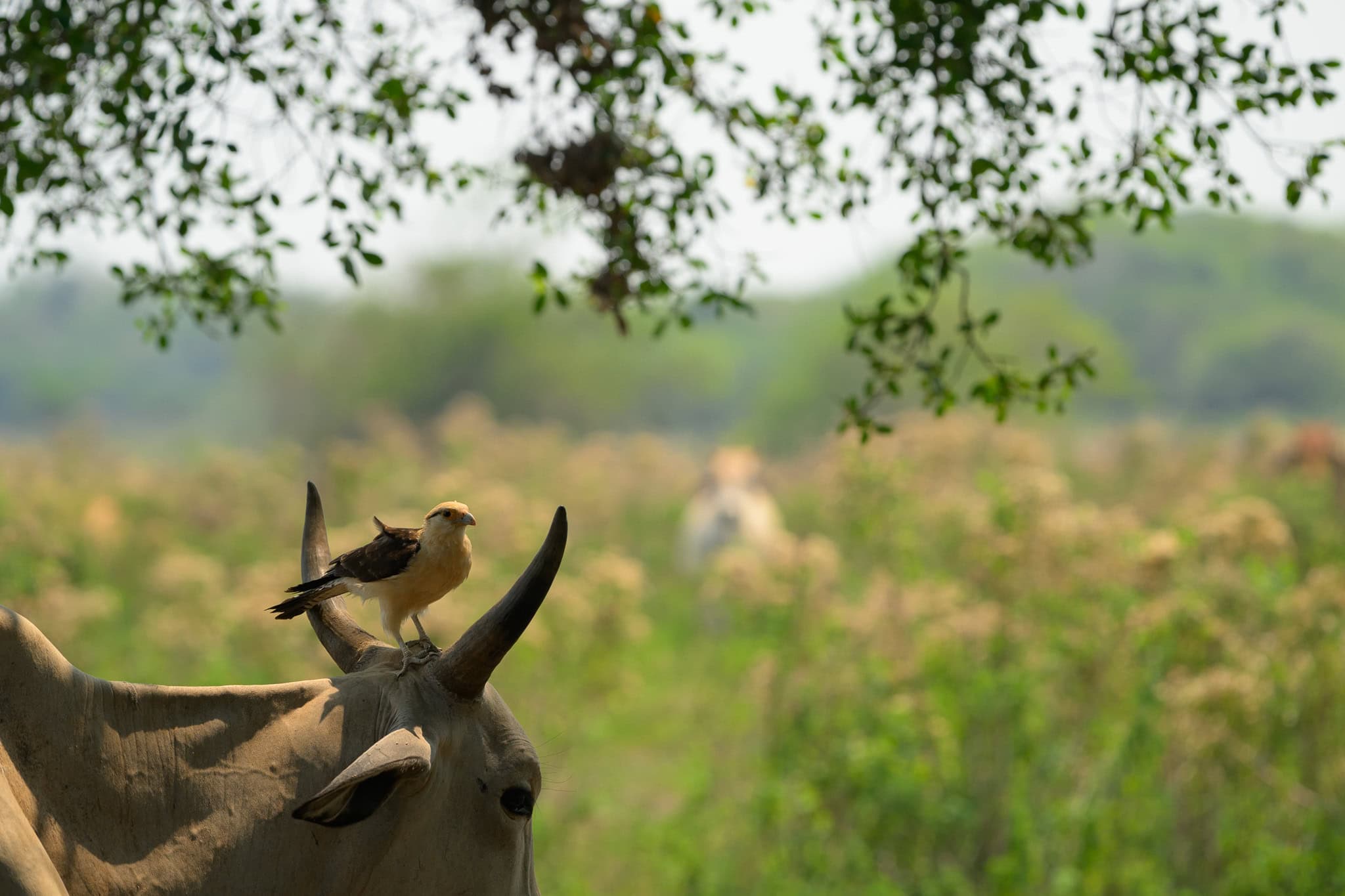
The day began with a taxi taking us to Hato Berlín Ranch. There, we were warmly welcomed by Heiler, the owner, and Yilmer, our guide. After a brief administrative part, we were introduced to our horses — and then we set off, riding for hours through the sun-scorched savannah of the Colombian Llanos.
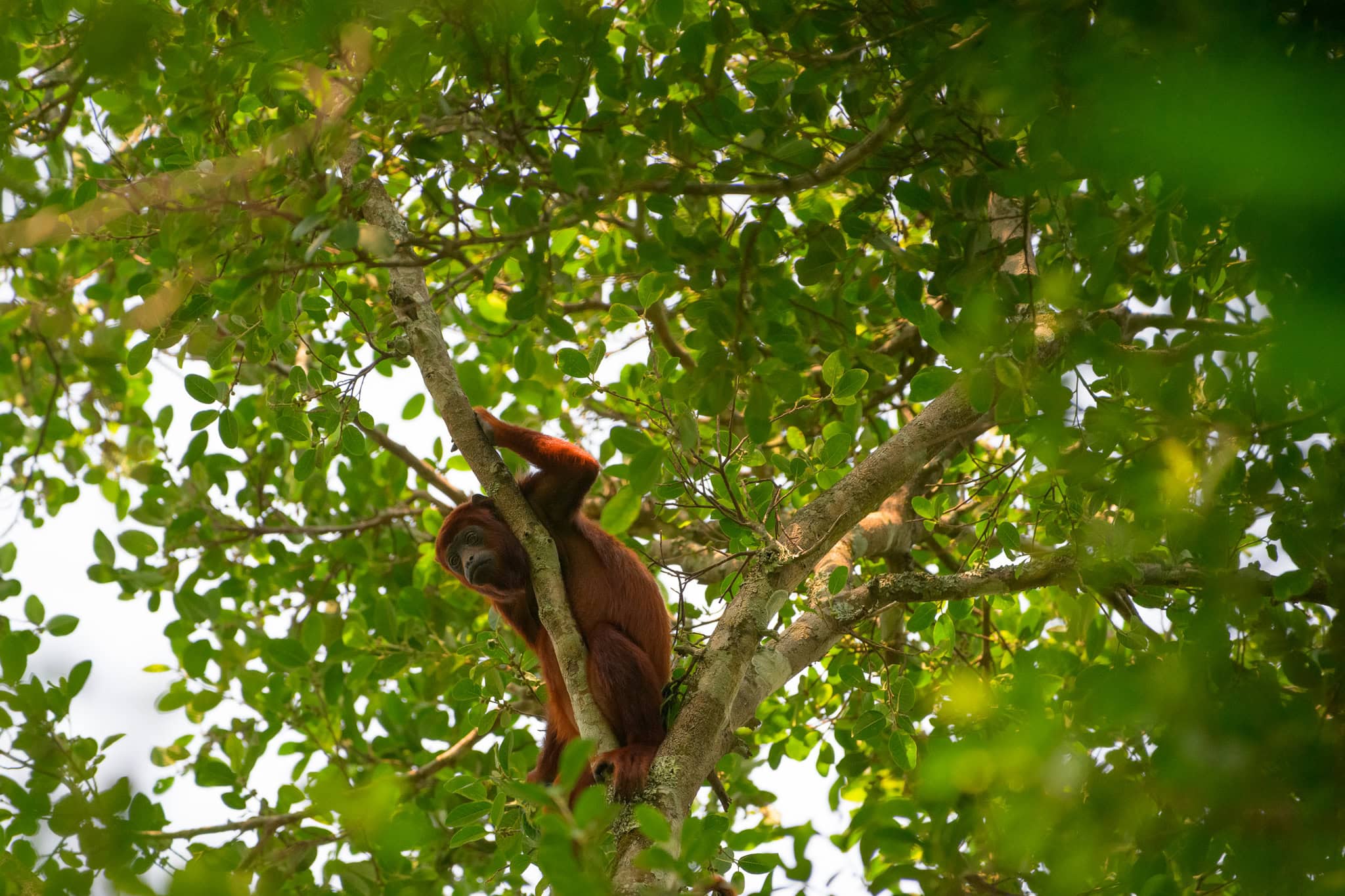
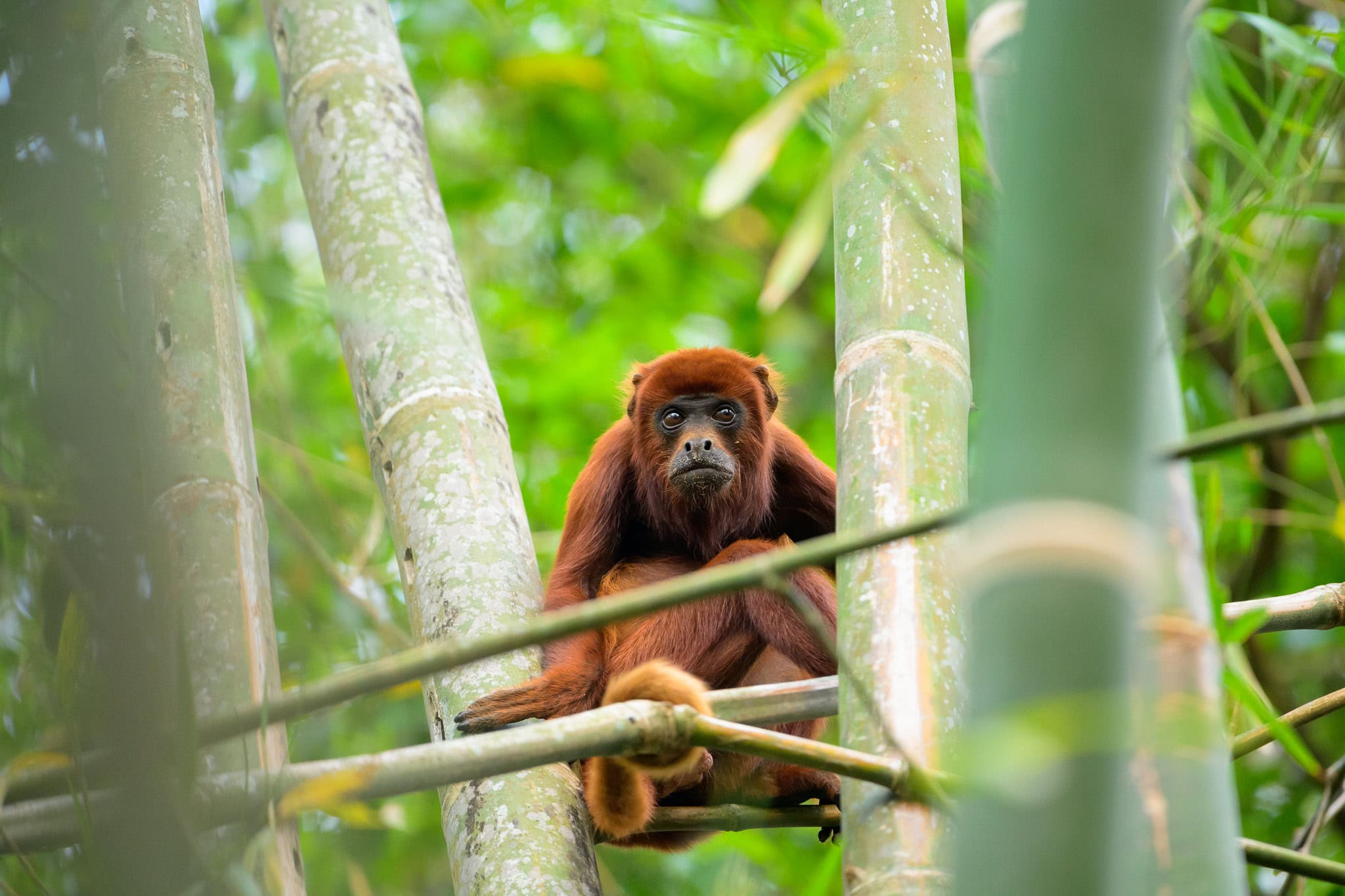
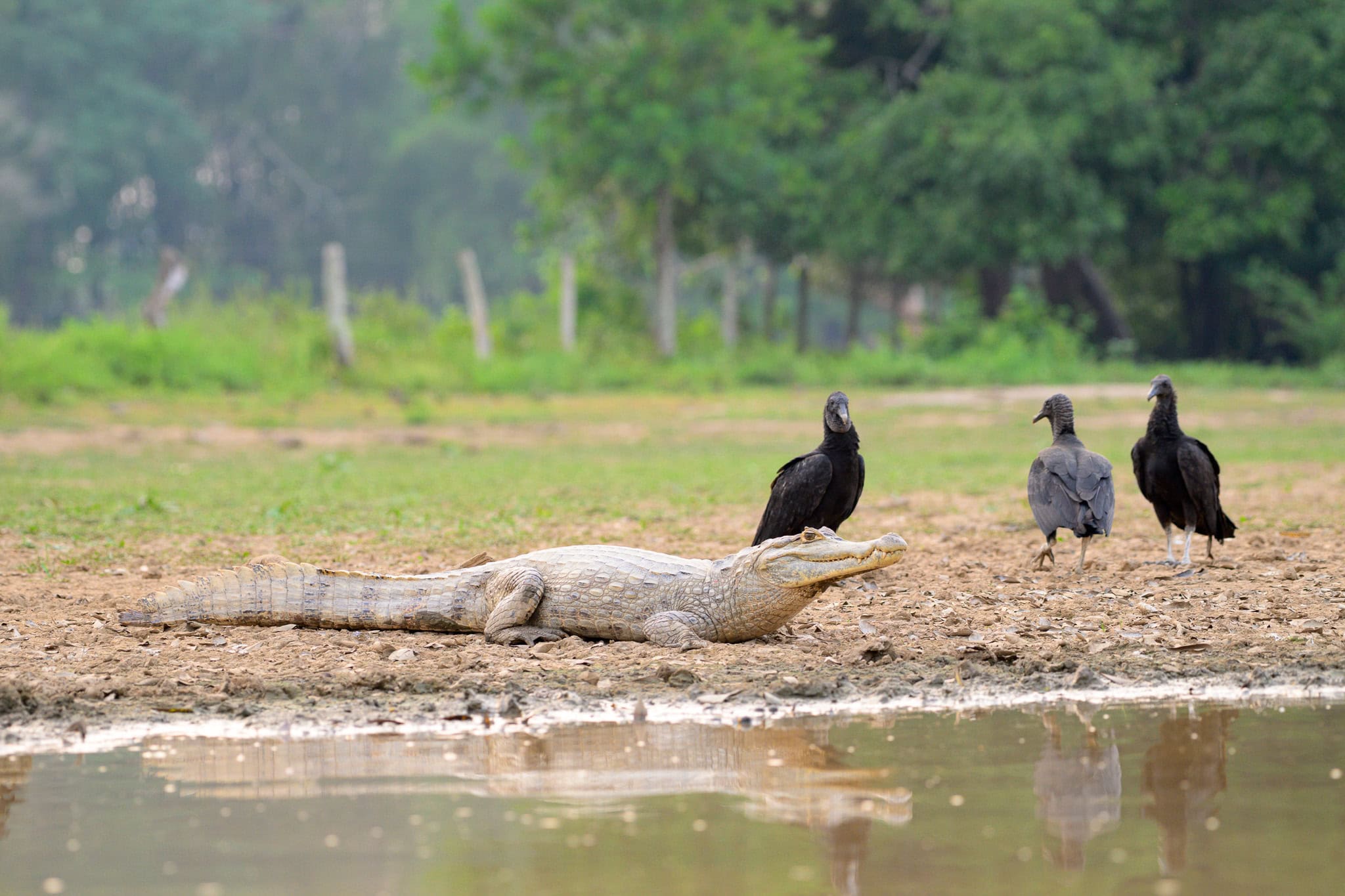
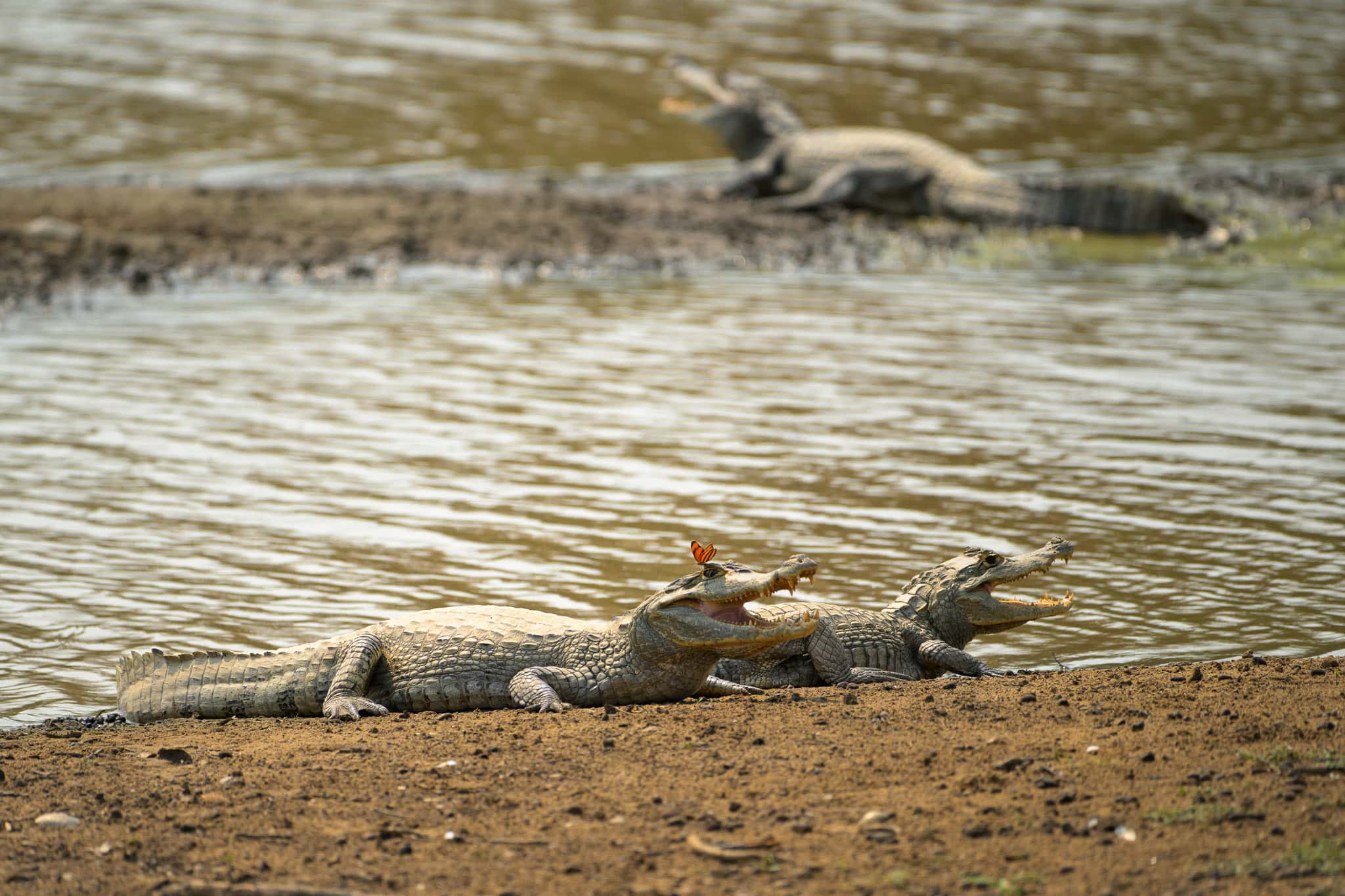
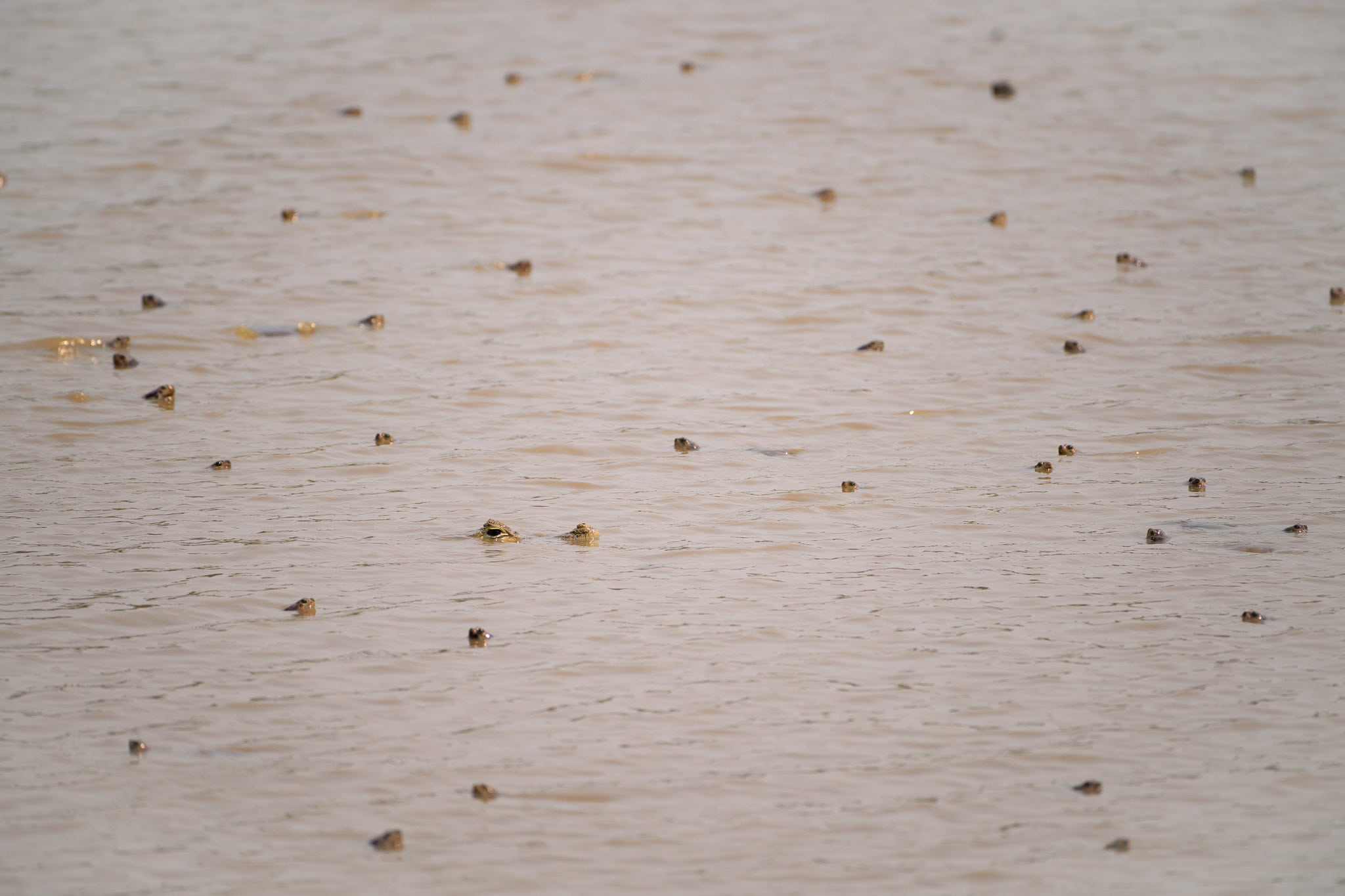
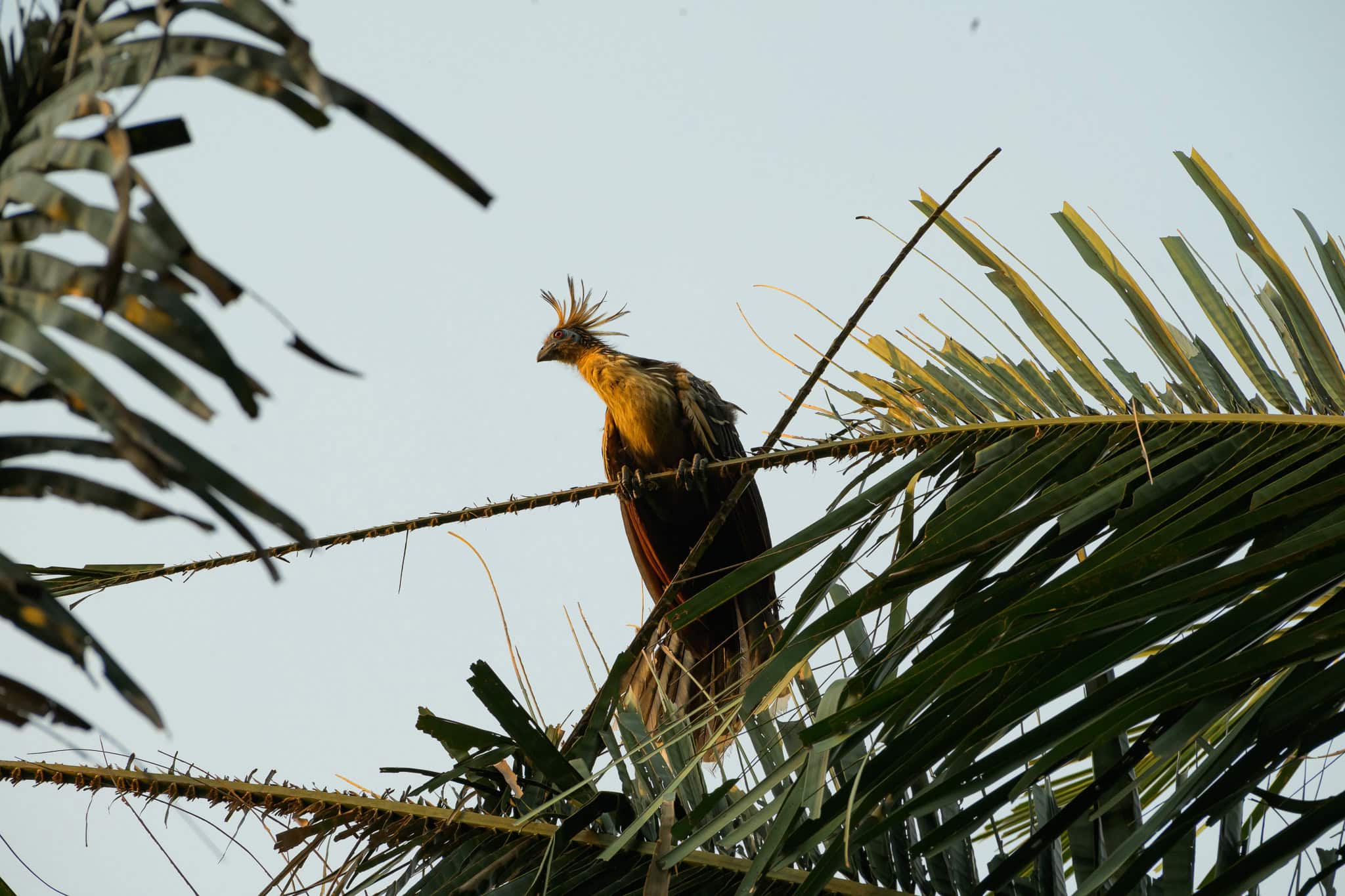
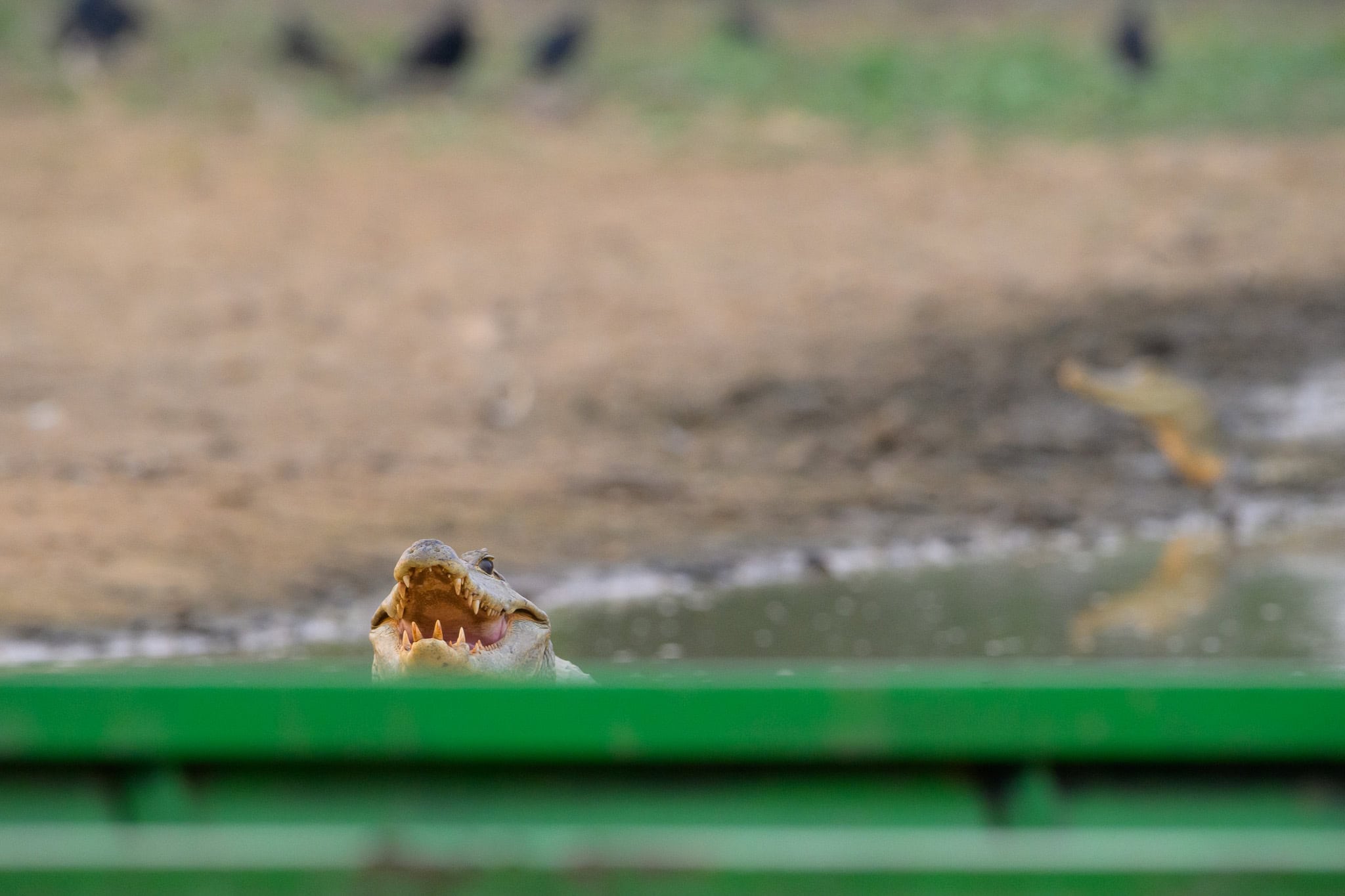
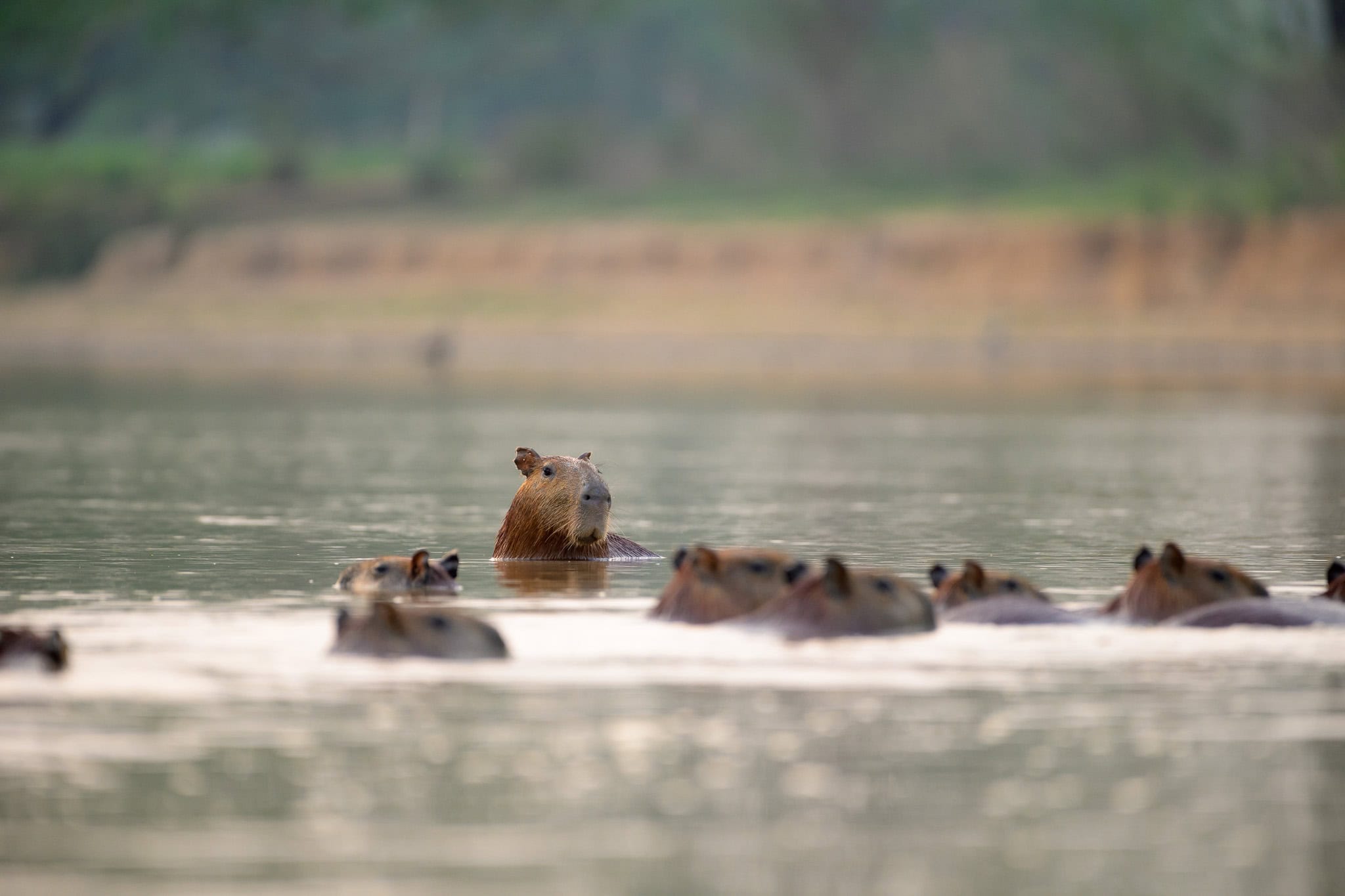
We had heard a lot about the wildlife of this region beforehand — and we were not disappointed. Within five minutes of setting off, we spotted dozens of capybaras (Hydrochoerus hydrochaeris) swimming in the river and hundreds of spectacled caimans (Caiman crocodilus) basking along the riverbanks. It was spectacular. Then we found a sleeping porcupine in a tree — and finally, the red howler monkeys (Alouatta seniculus), our third howler monkey species of this trip. As we rode across the vast plains, Yilmer shared local stories. He spoke only Spanish, and we understood perhaps one fifth of it — but it was enough to gain a small insight into the life and history of the Llaneros.
After a delicious lunch, we rested in hammocks to recover and escape the scorching midday sun. Later, Heiler came by with his guitar and sang a few traditional songs from the region — a moment neither of us will ever forget.
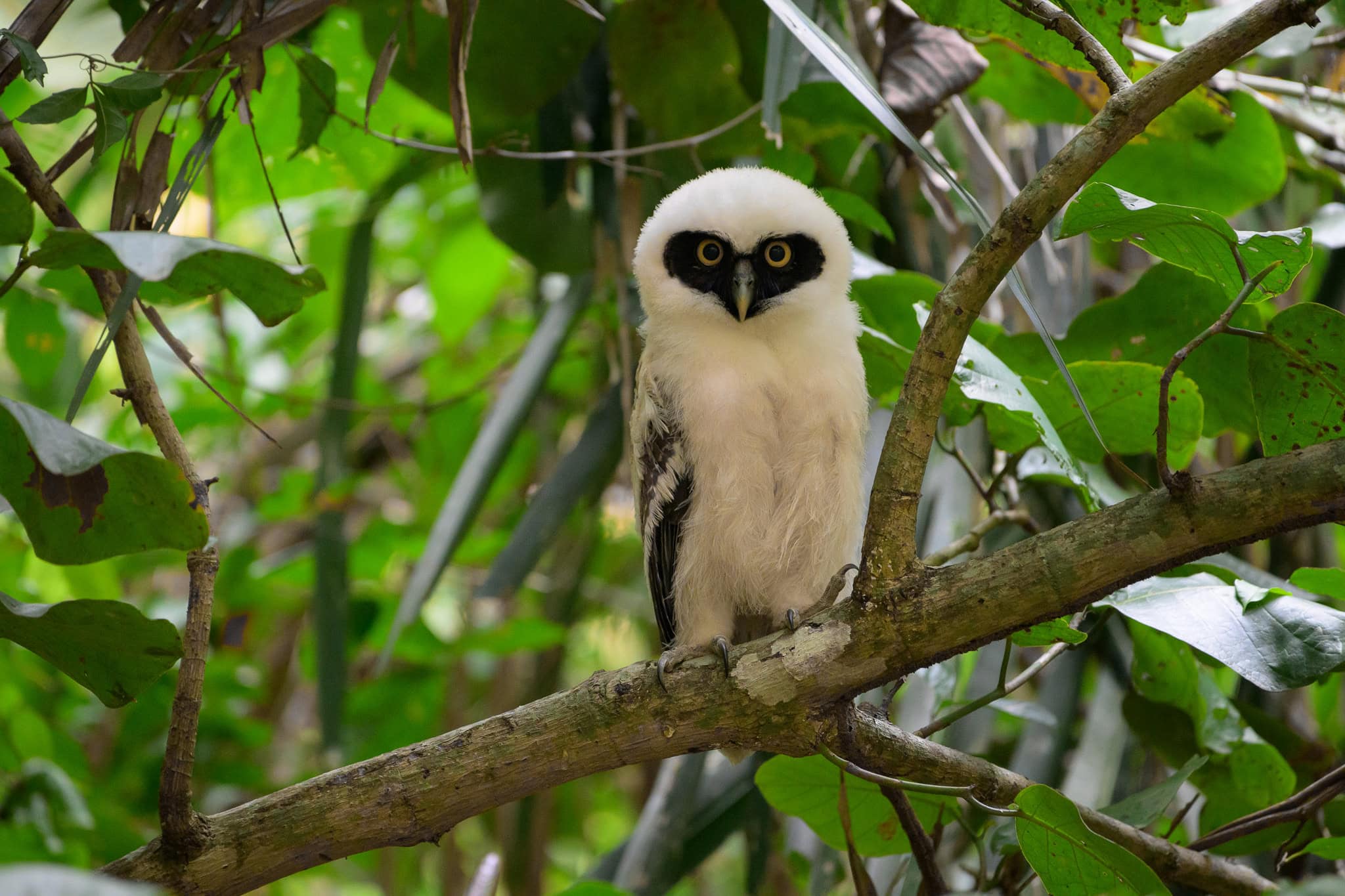
Well rested, Yilmer guided us through the adjacent forest. He told us a lot about the local plants and their uses. Suddenly, he spotted a juvenile spectacled owl (Pulsatrix perspicillata perspicillata) perched in the branches. Shortly afterward, he also pointed out the adult bird. While the young owl sat calmly and patiently allowed itself to be photographed, the adult kept a respectful distance.
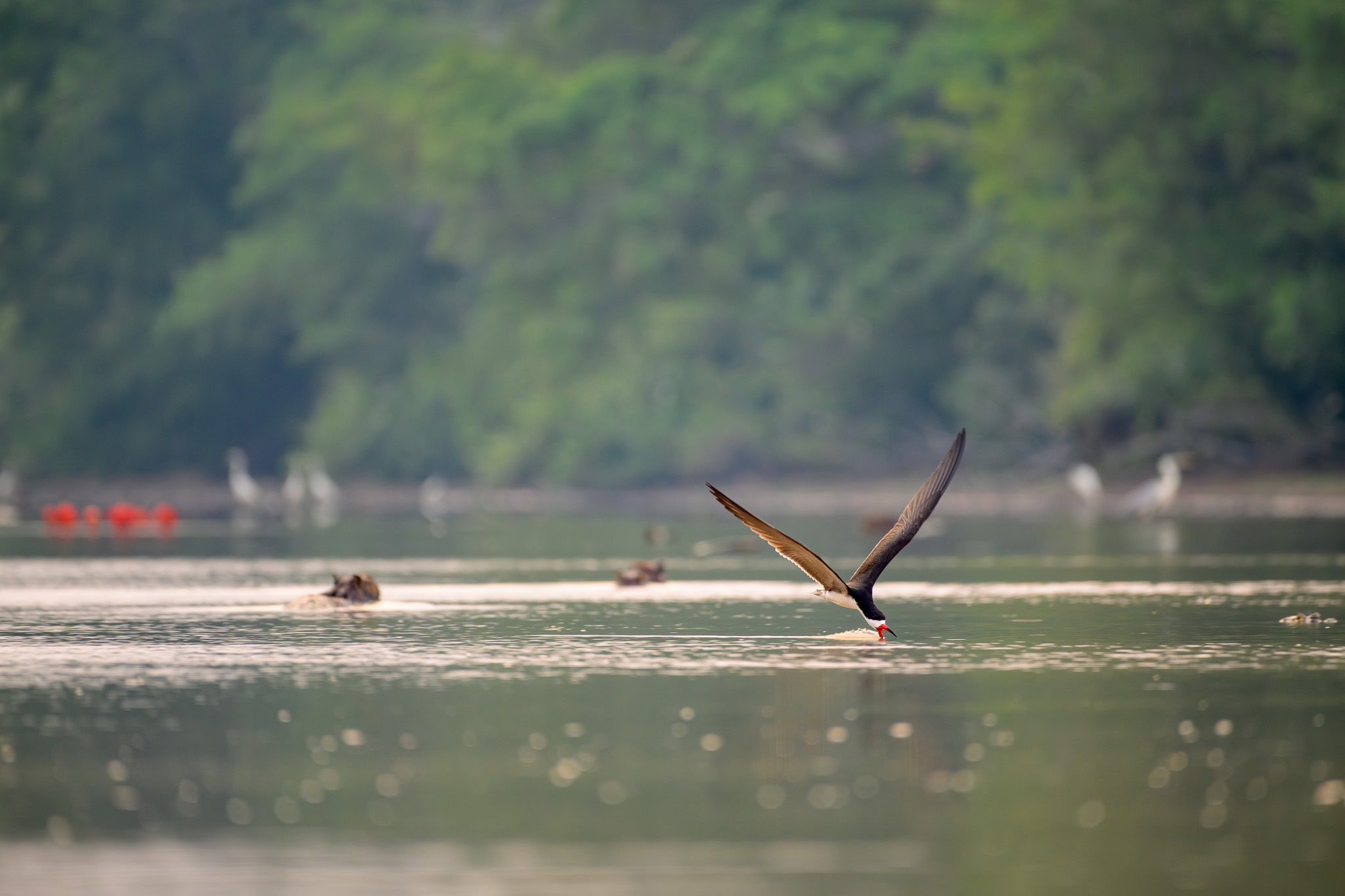
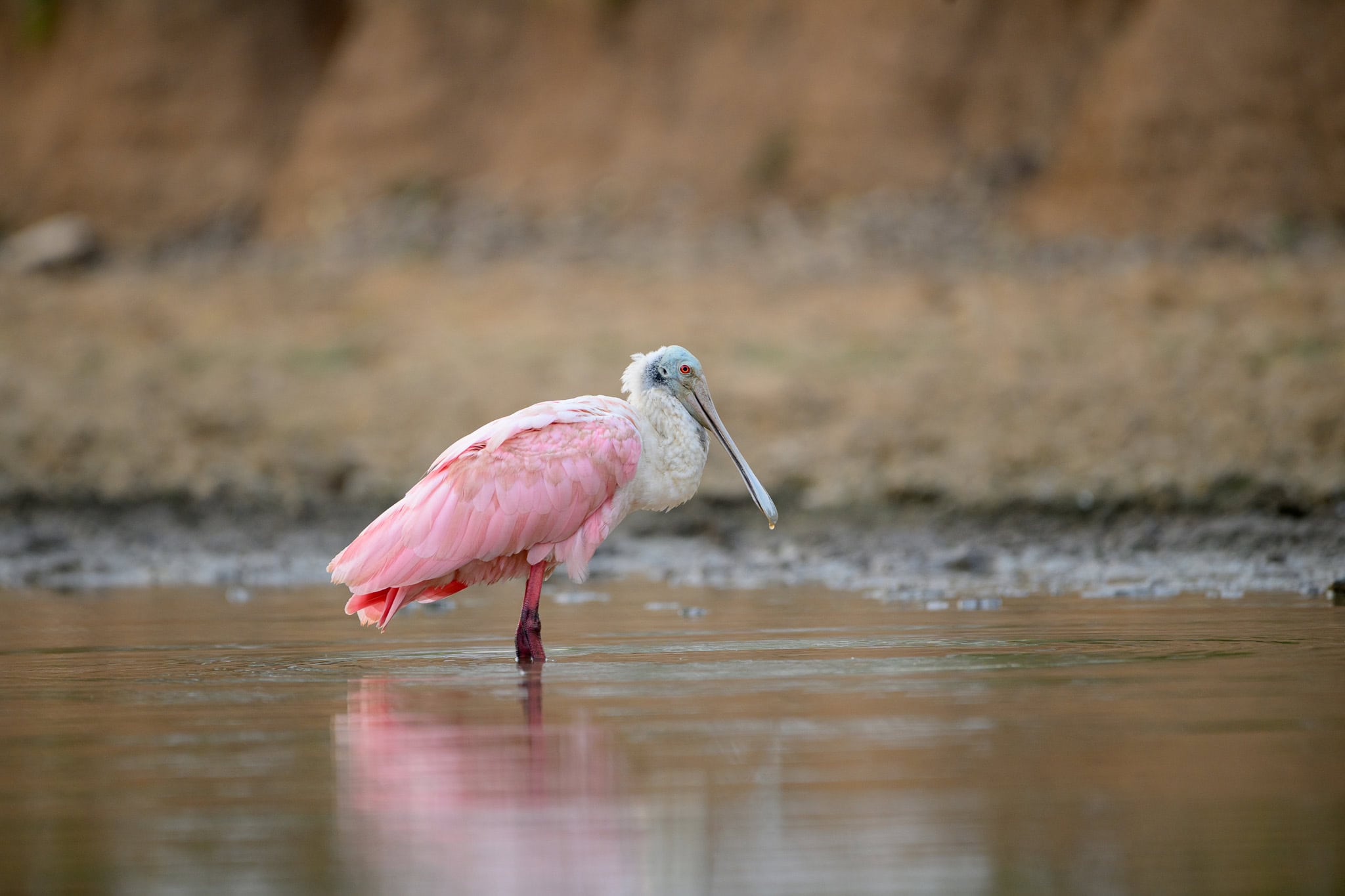
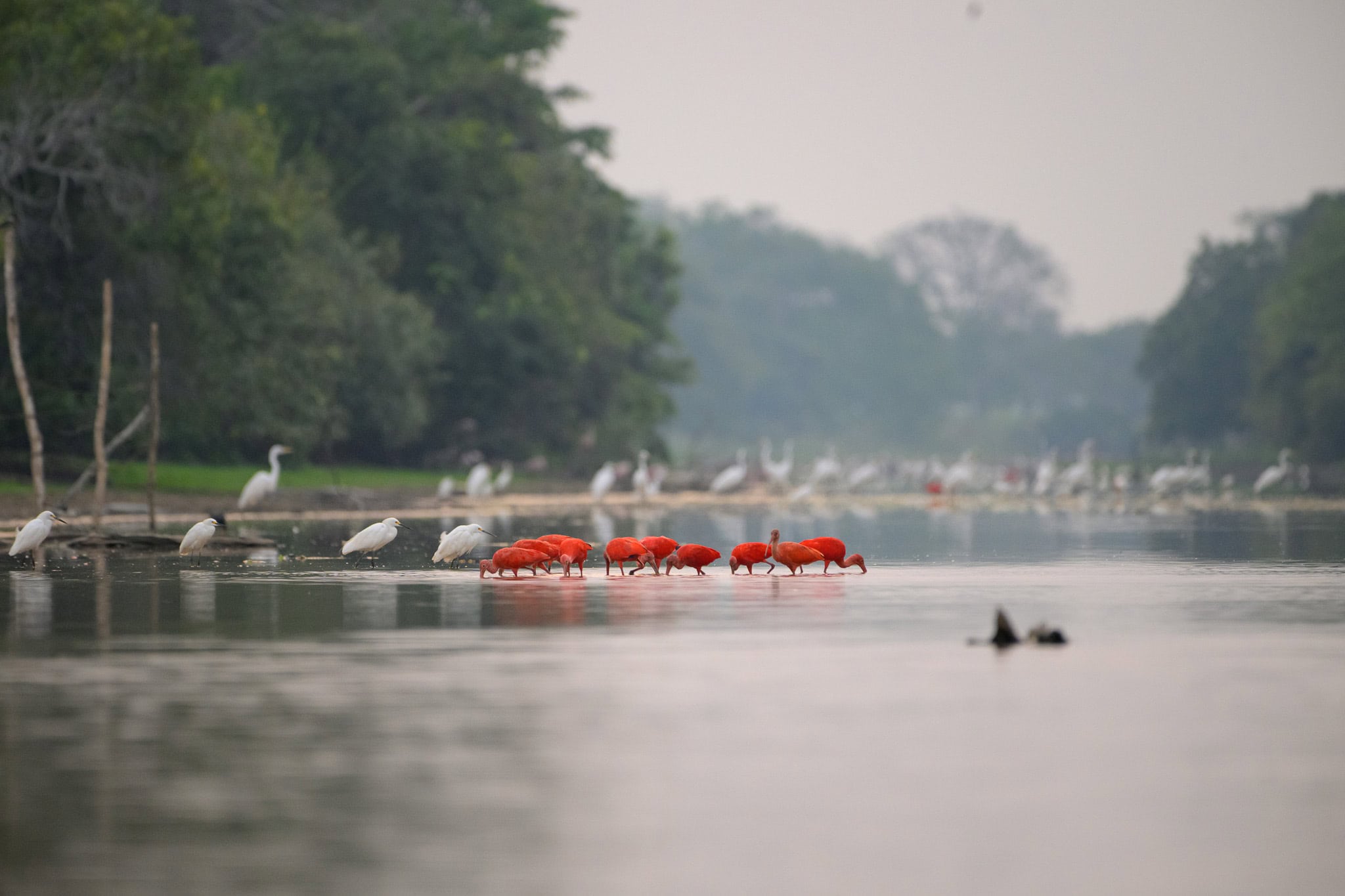
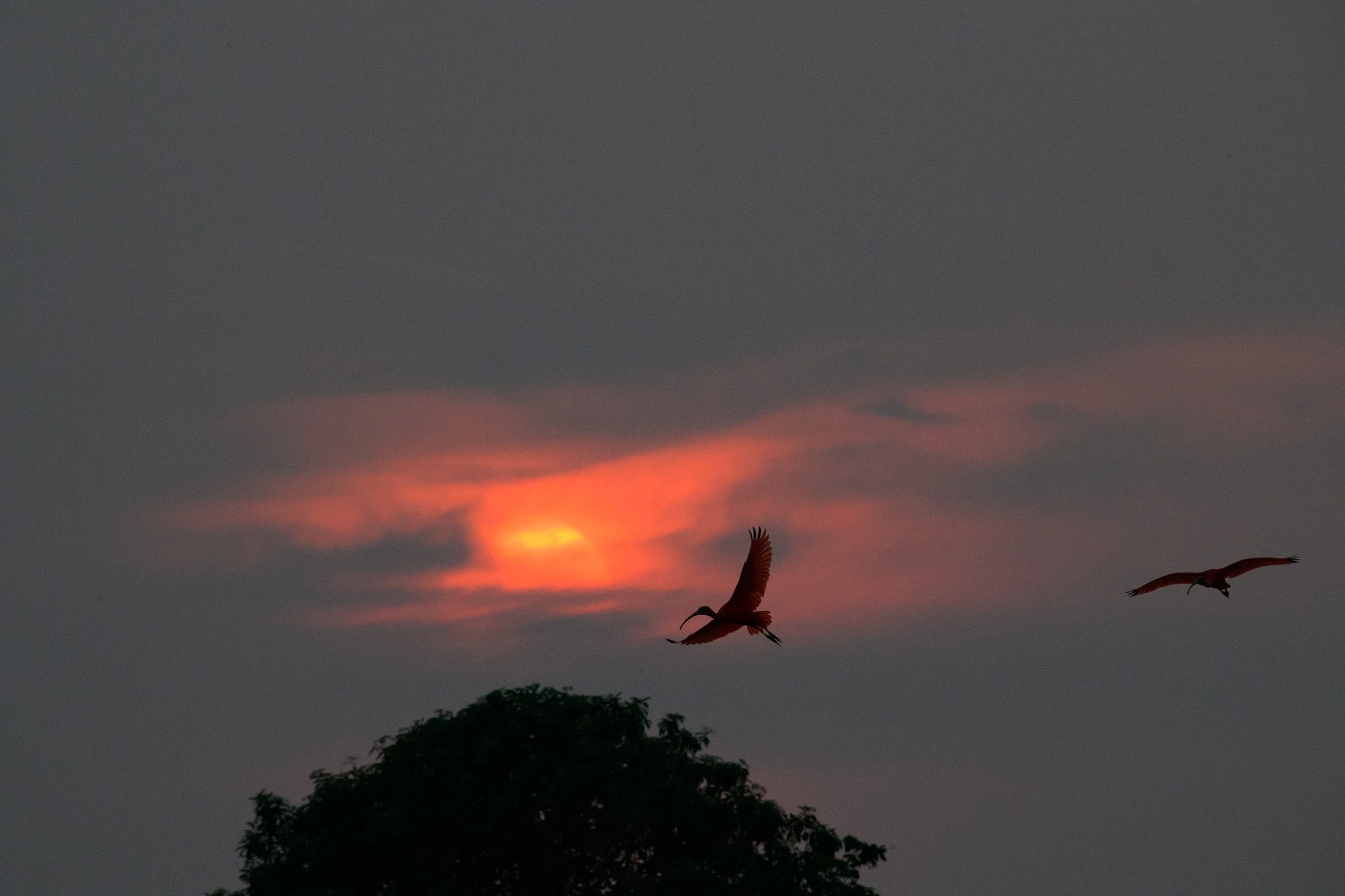
But the true highlight of our journey through Colombia came in the evening: a river trip in a small canoe at sunset. Countless caimans accompanied us through the water, while roseate spoonbills (Platalea ajaja) and black skimmers (Rynchops niger cinerascens) searched for food ahead of us. The biodiversity was — in our opinion — almost as overwhelming as on the Galápagos Islands. We couldn’t stop marveling, watching, and photographing. Without speaking, a cold beer in hand, we sat together with Yilmer in the canoe and enjoyed the sunset.
The last great adventure of our three-month journey through Latin America had come to an end.
FAREWELL TO COLOMBIA
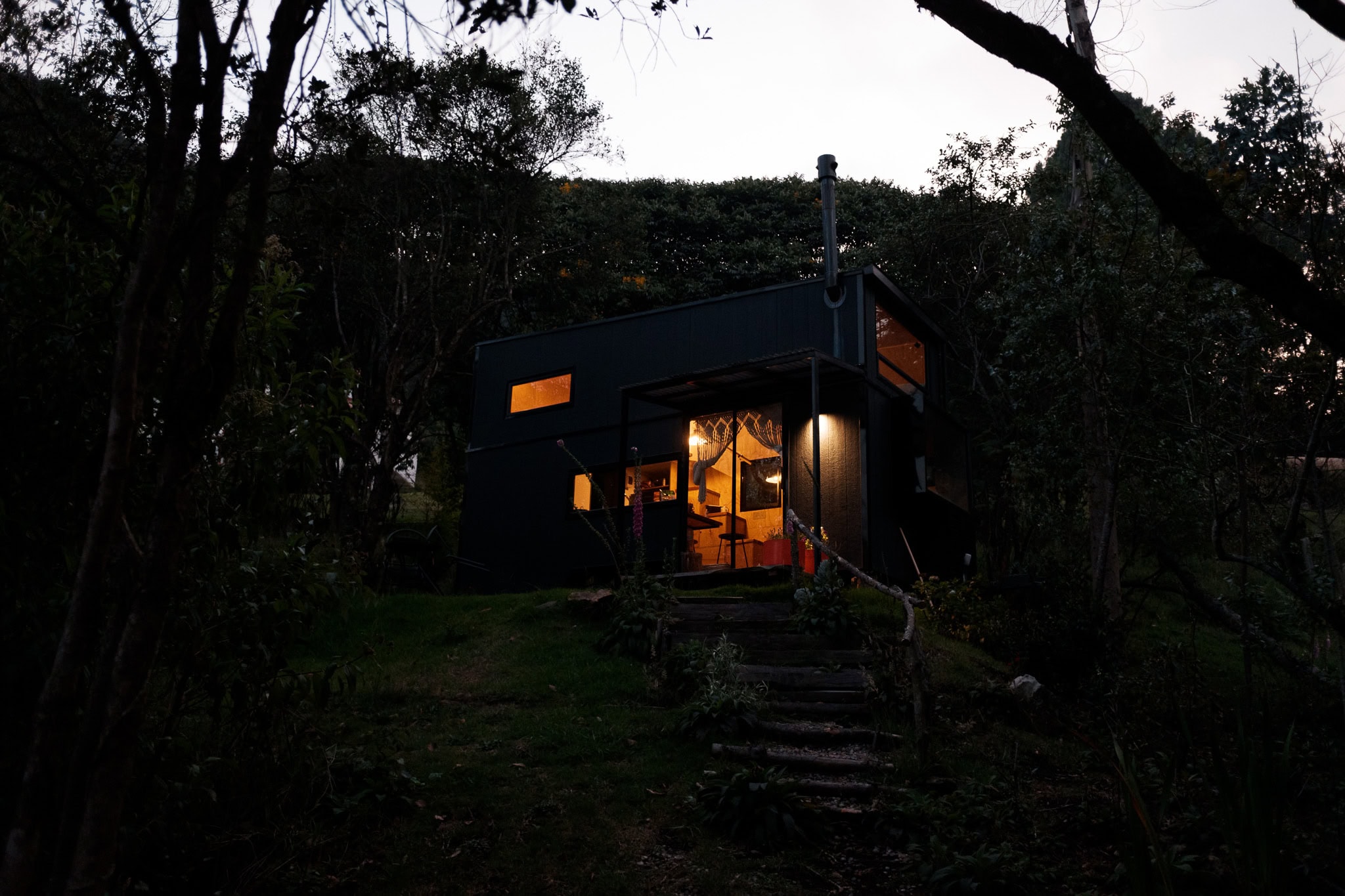
We returned to Bogotá to let the final days of our journey come to a close there. Just outside the city, we had booked a cozy tiny house — the perfect place to slow down, reflect on the past weeks, and process all the impressions we had gathered.
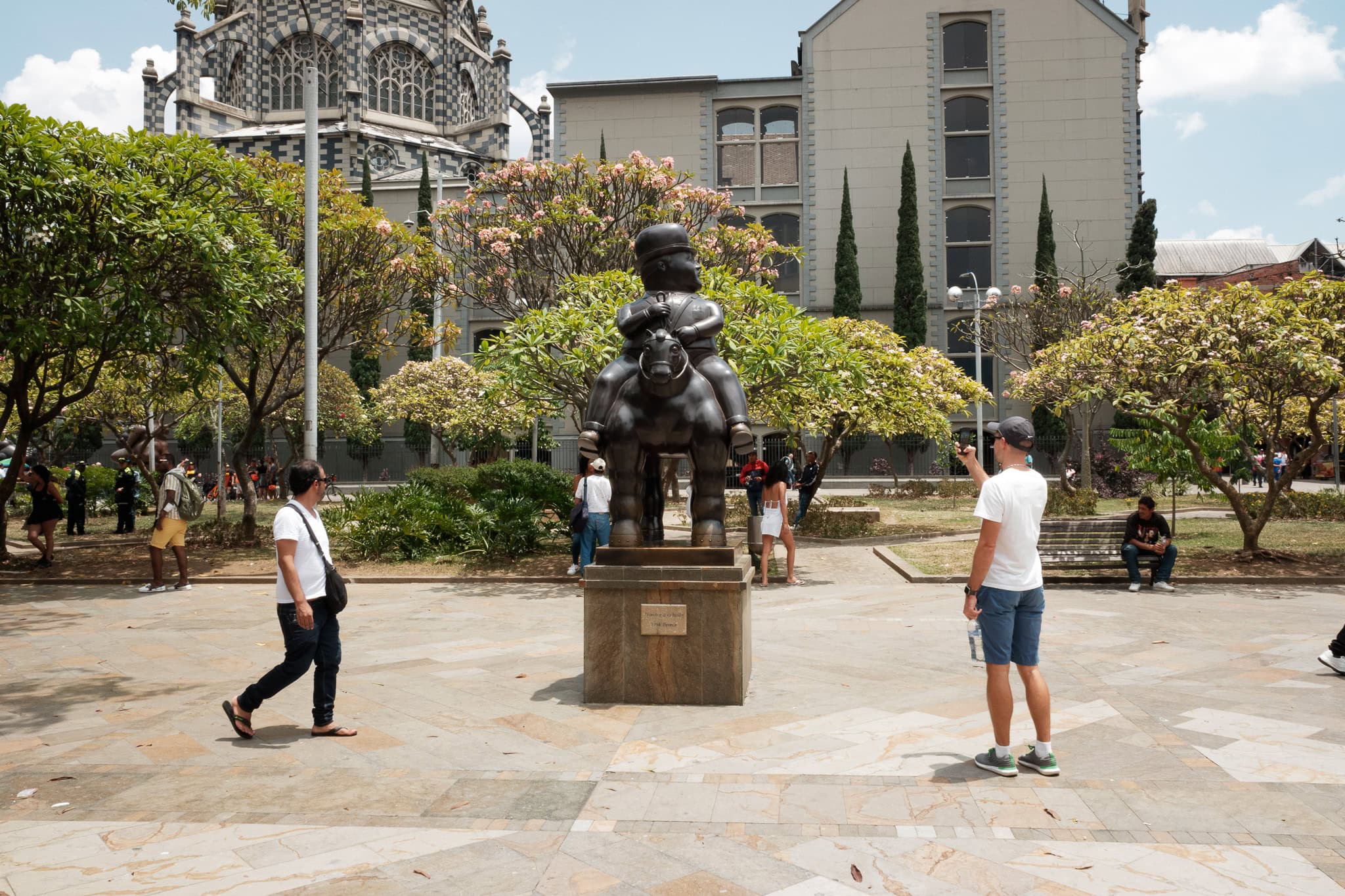
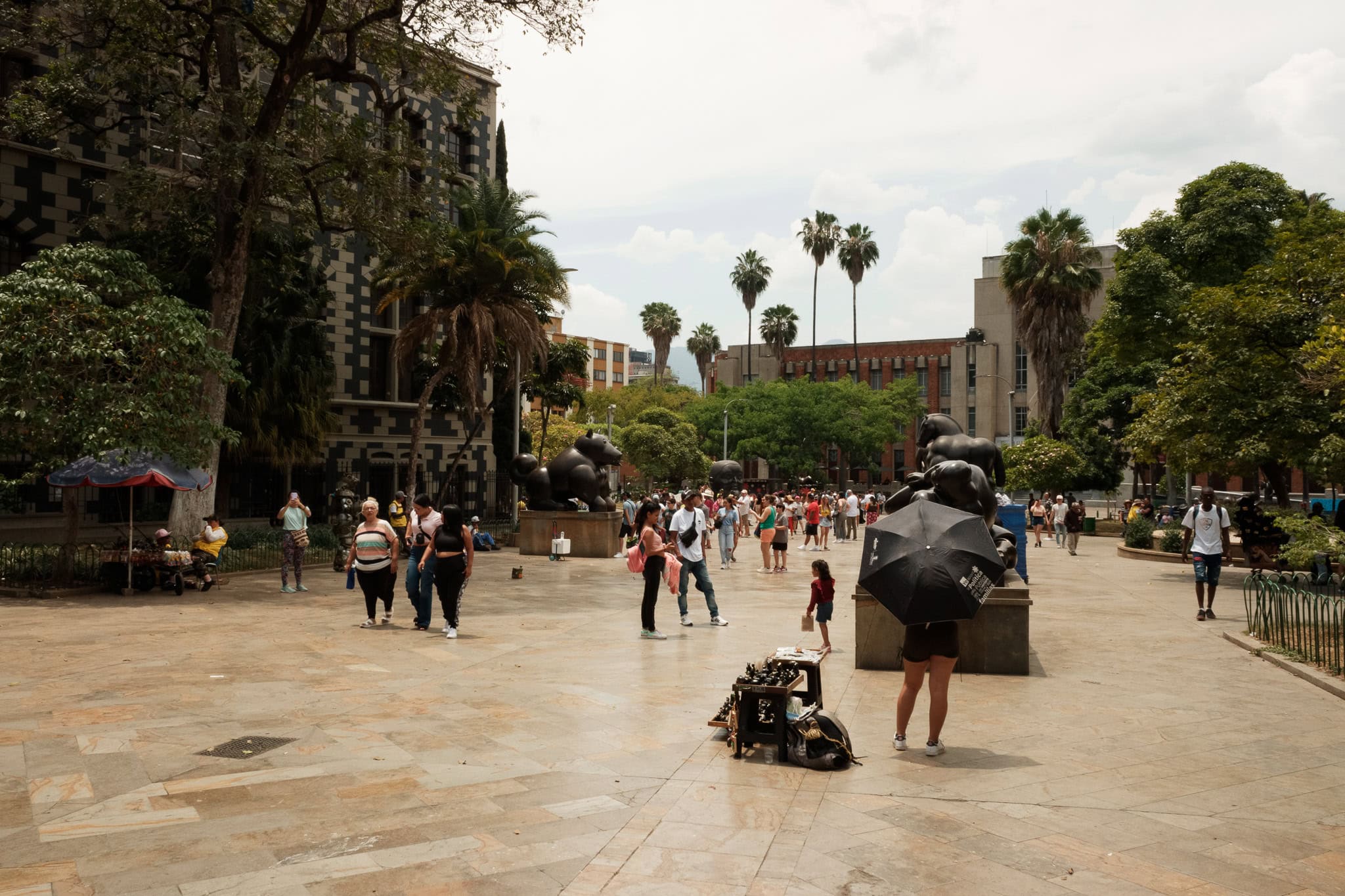
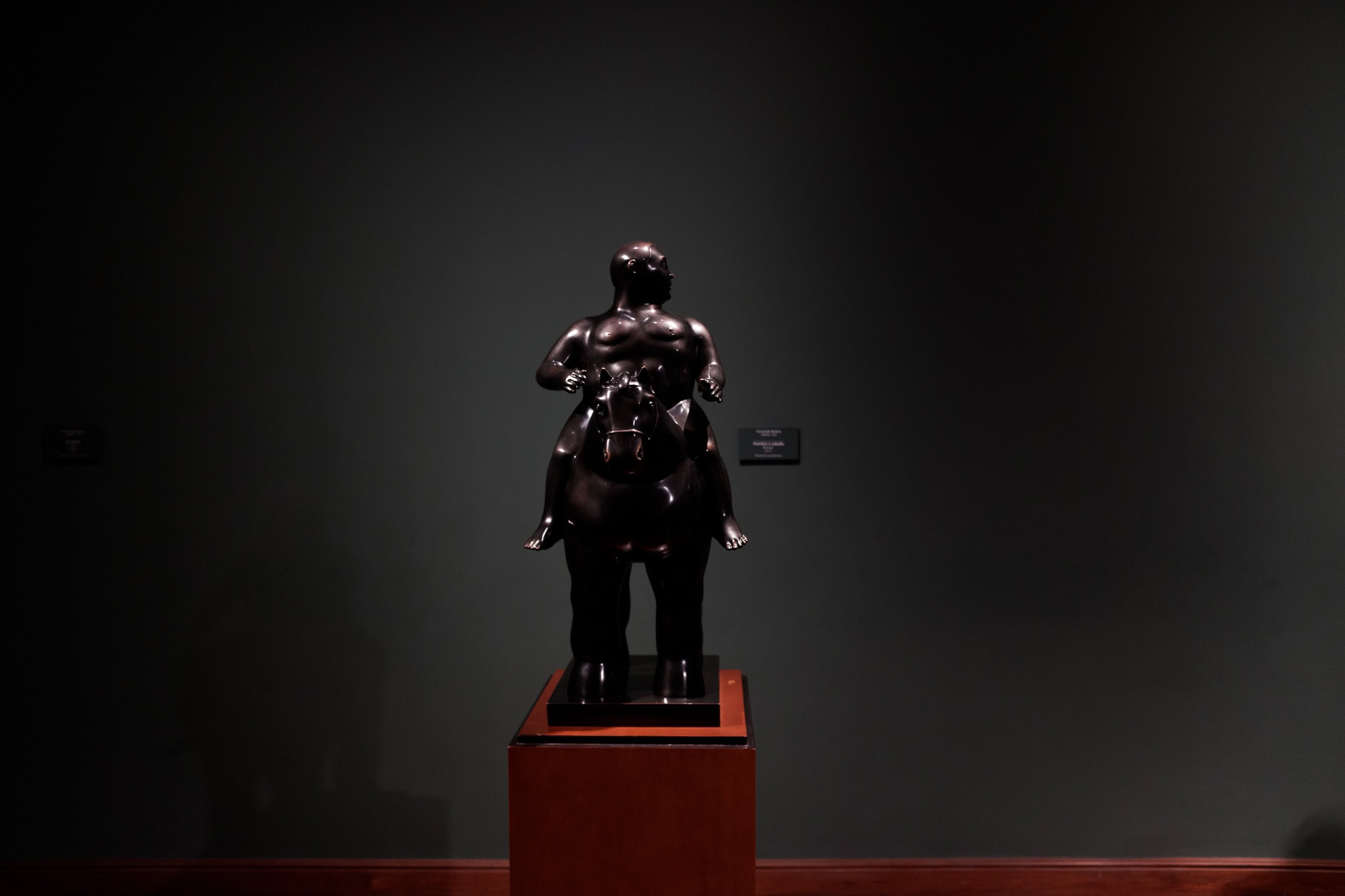
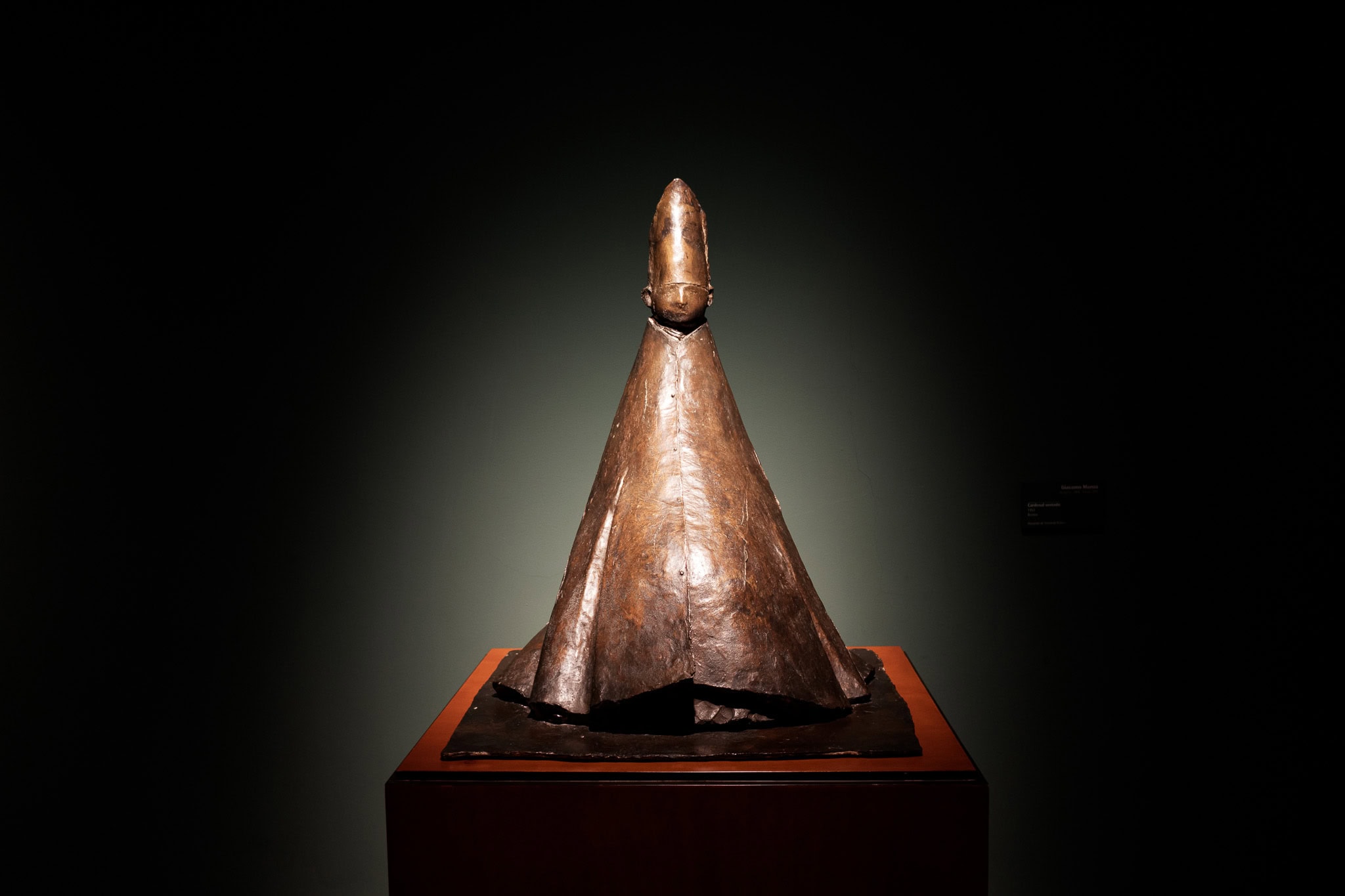
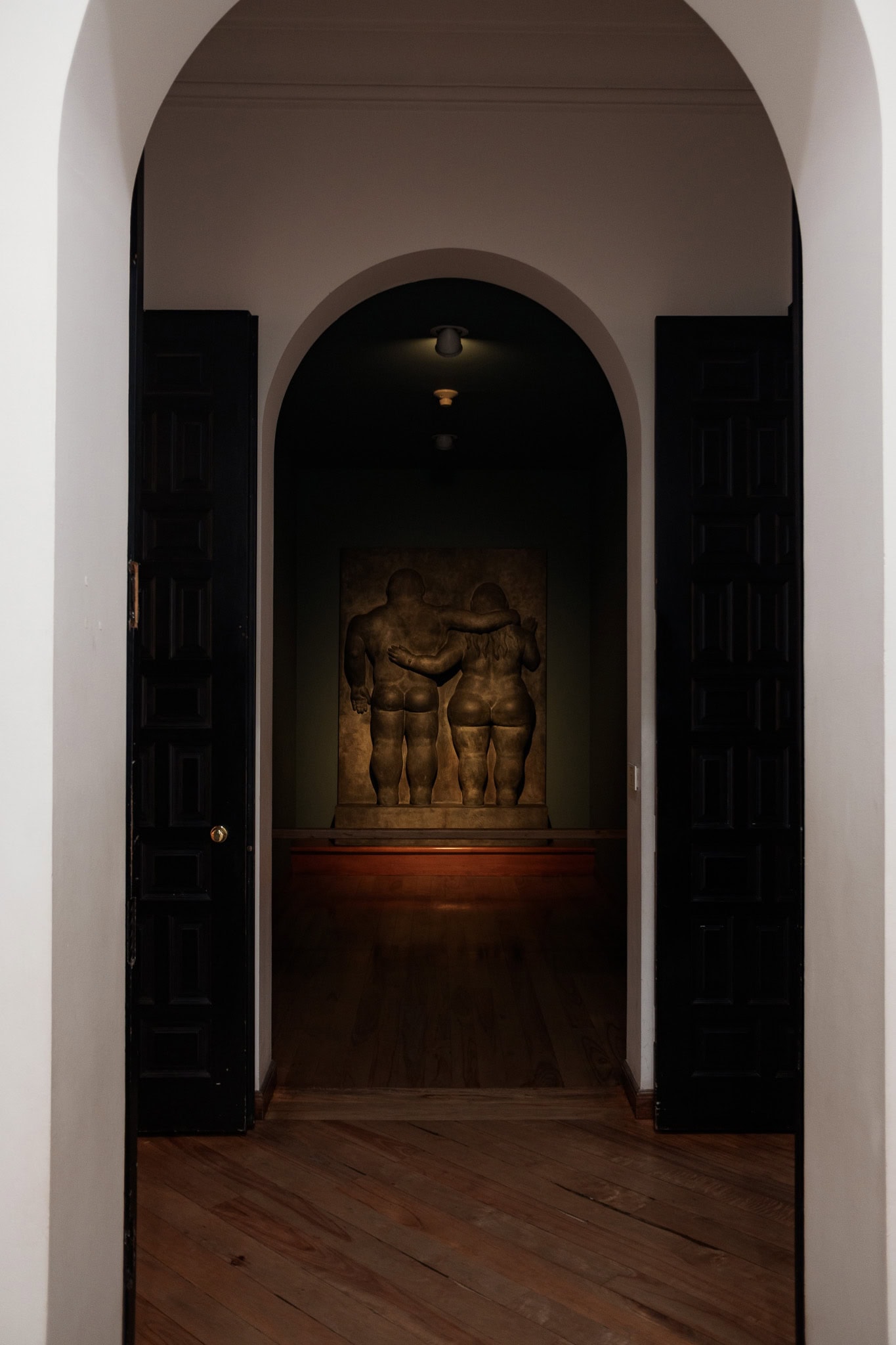
Still, we didn’t want to miss out on culture. We visited several museums and sampled the last street food stalls we had previously skipped. The Museo Botero left a particularly lasting impression — impressive, diverse, and full of surprises.
Back at the tiny house, we reflected on the past three months. We reminisced about all our experiences, shared dinners by the campfire in the evenings, and played board games together. We made a conscious choice to let this great adventure end quietly and calmly — with gratitude in our hearts and the knowledge that these memories would stay with us forever.
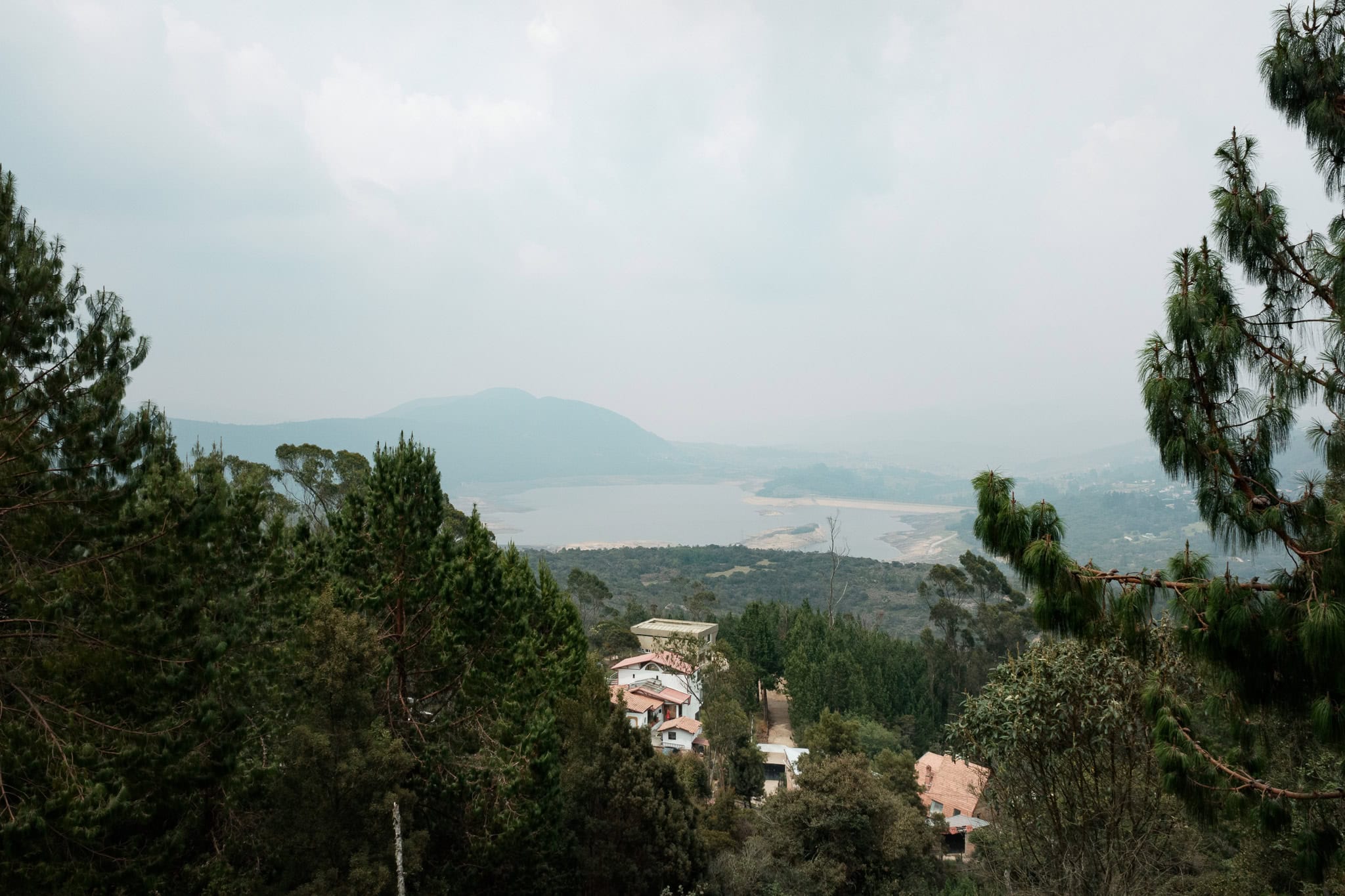
EQUIPMENT USED IN COLOMBIA
Nikon Z8
Fujifilm XF10
Nikkor 200–500mm f/5.6
Video: 4K@120fps N-RAW with N-Log
You can find more information about my equipment HERE.
VIDEOS FROM COLOMBIA
VIDEOS
0:59
0:29
0:18

Daniel Kainz
Focus Puller Underwatercamera | Travel
Chasing sharp focus, deep dives and the one National Geographic picture around the world!
Imprint | Privacy Policy | Cookie Guidelines (EU) | Copyright: Daniel Kainz 2026