
MADAGASCAR
OVERVIEW – MADAGASCAR
The idea of flying to Madagascar came up during a reunion with the group from our Africa trip the year before. We were looking for a new destination — and found one, slightly tipsy, after a few discussions. One person in the group even knew someone who was married to a Malagasy tour guide. That seemed like a solid starting point. At the time, we didn’t know much about the country — except that it was said to have an incredible level of biodiversity.
Shortly after, we received a proposed itinerary, were assigned a guide named Teddy and a driver, and suddenly had an entire month in Madagascar ahead of us — with the promise of getting to know the country in all its many facets.
We were excited and ready for the next great adventure.
ARRIVAL & THREE DAYS BY THE RIVER
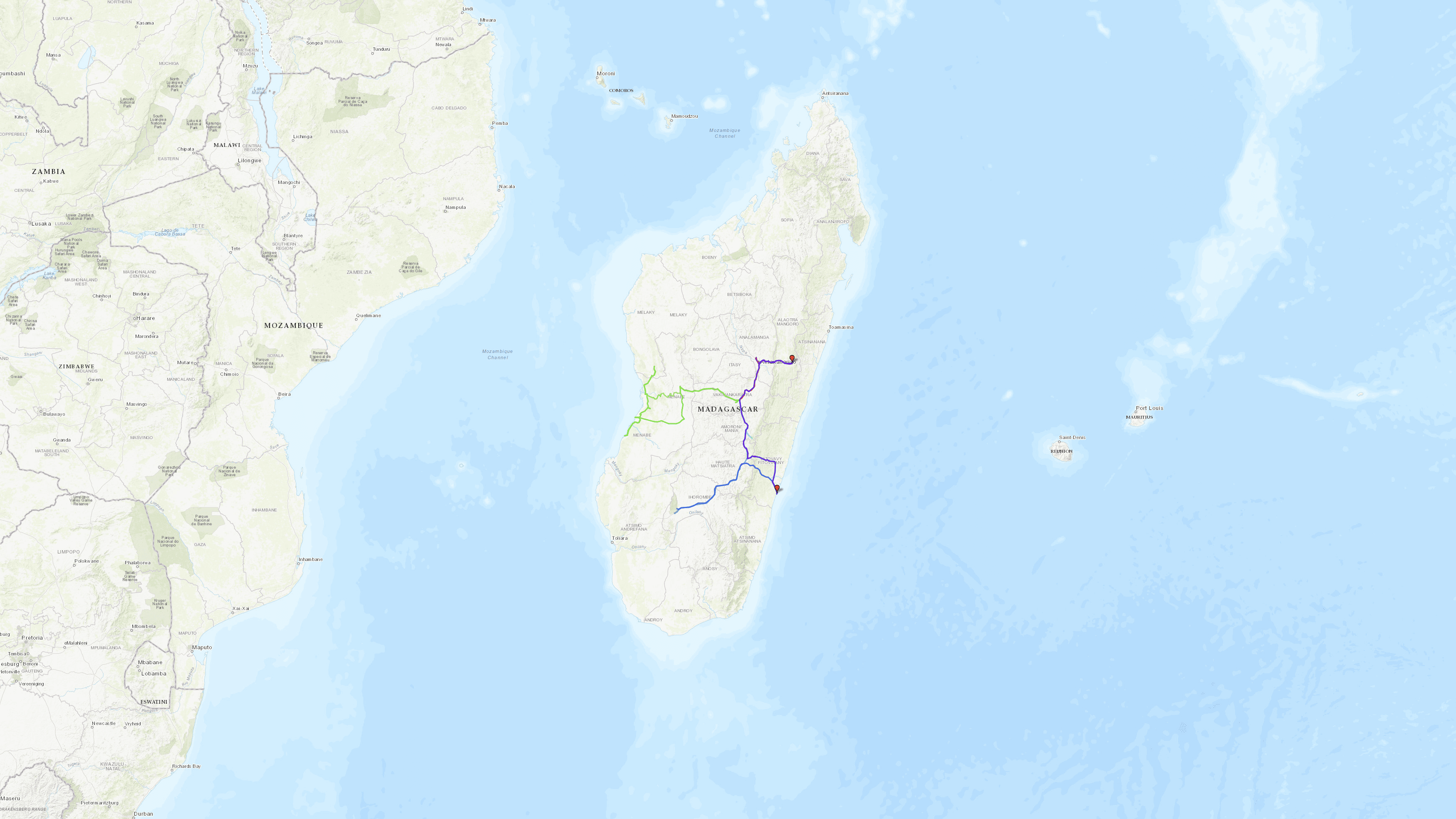
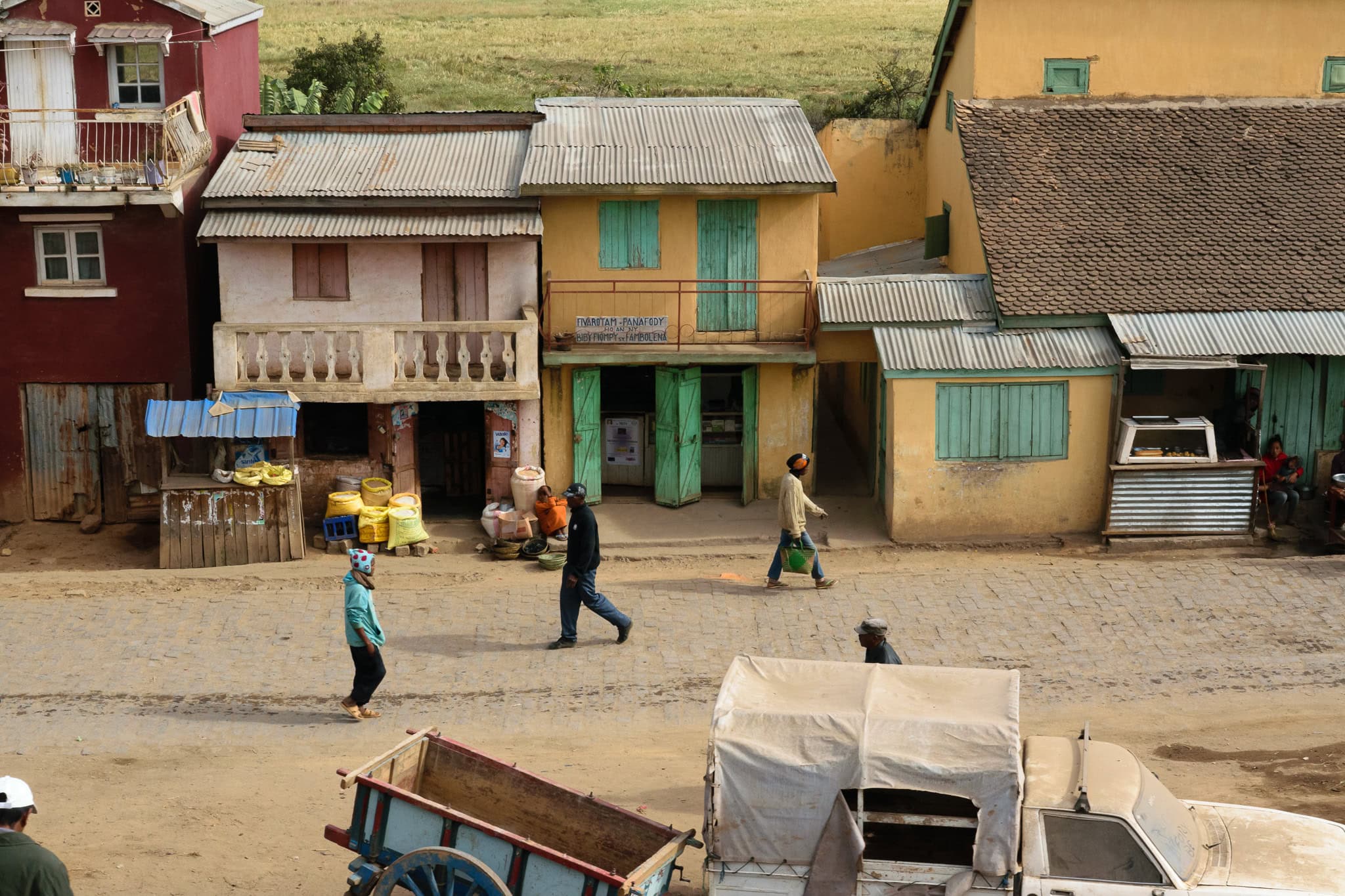
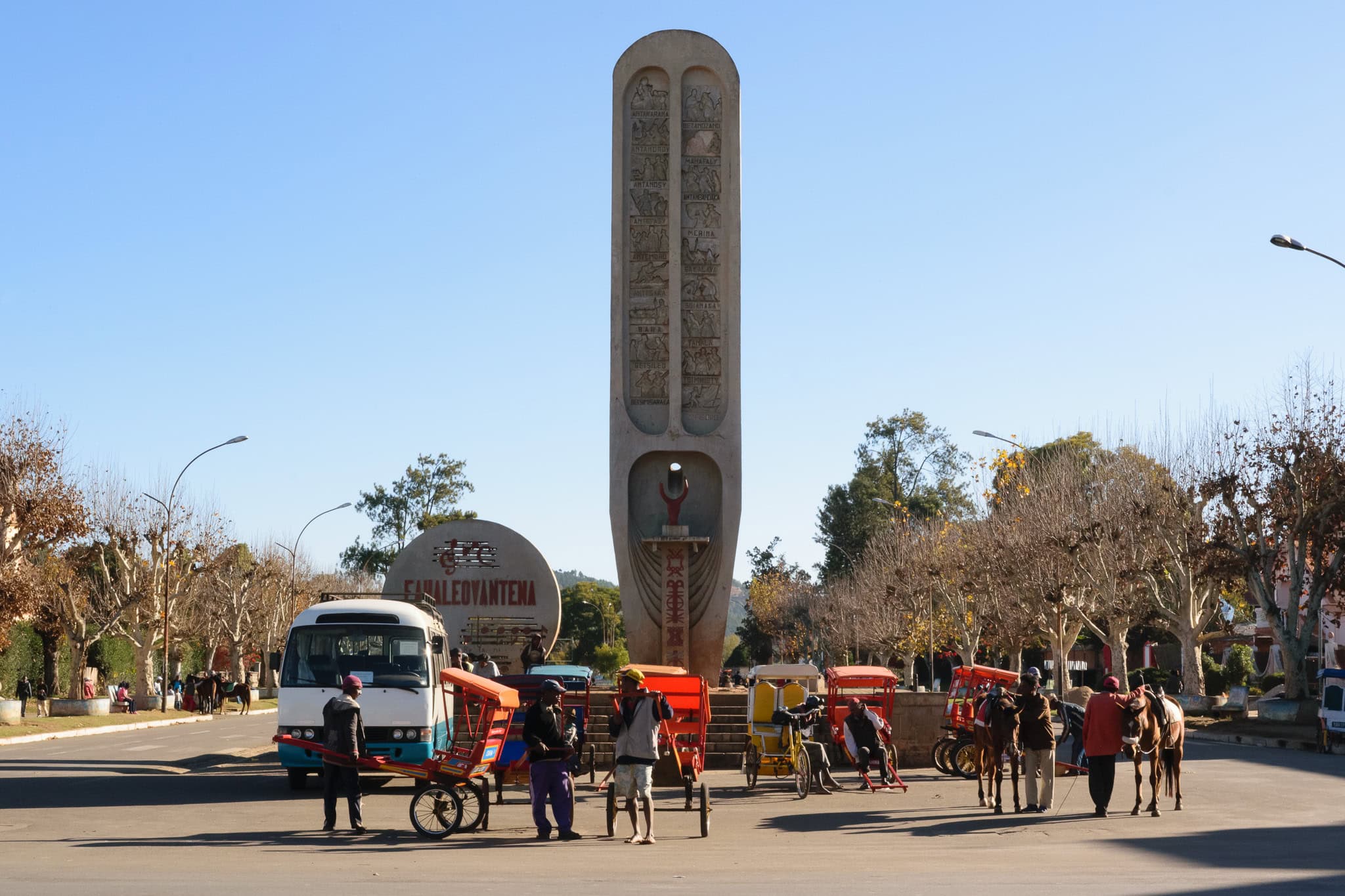
The arrival was a bit rough, as I had already been traveling through Thailand for two weeks beforehand. I was the last of our group to arrive in Madagascar, met our guide Teddy and our driver, and we went out for dinner together. The very next day brought an unpleasant surprise: one of my oldest friends came down with a stomach bug from the food. We also quickly realized that 160 kilometers here did not mean “quickly done” — it took us about four to five hours for that distance, including several stops. Most of the roads were unpaved, but the landscape was already spectacular. In Antsirabe, we met another travel companion that evening — previously unknown to us. The group was now complete, and the adventure could finally begin.
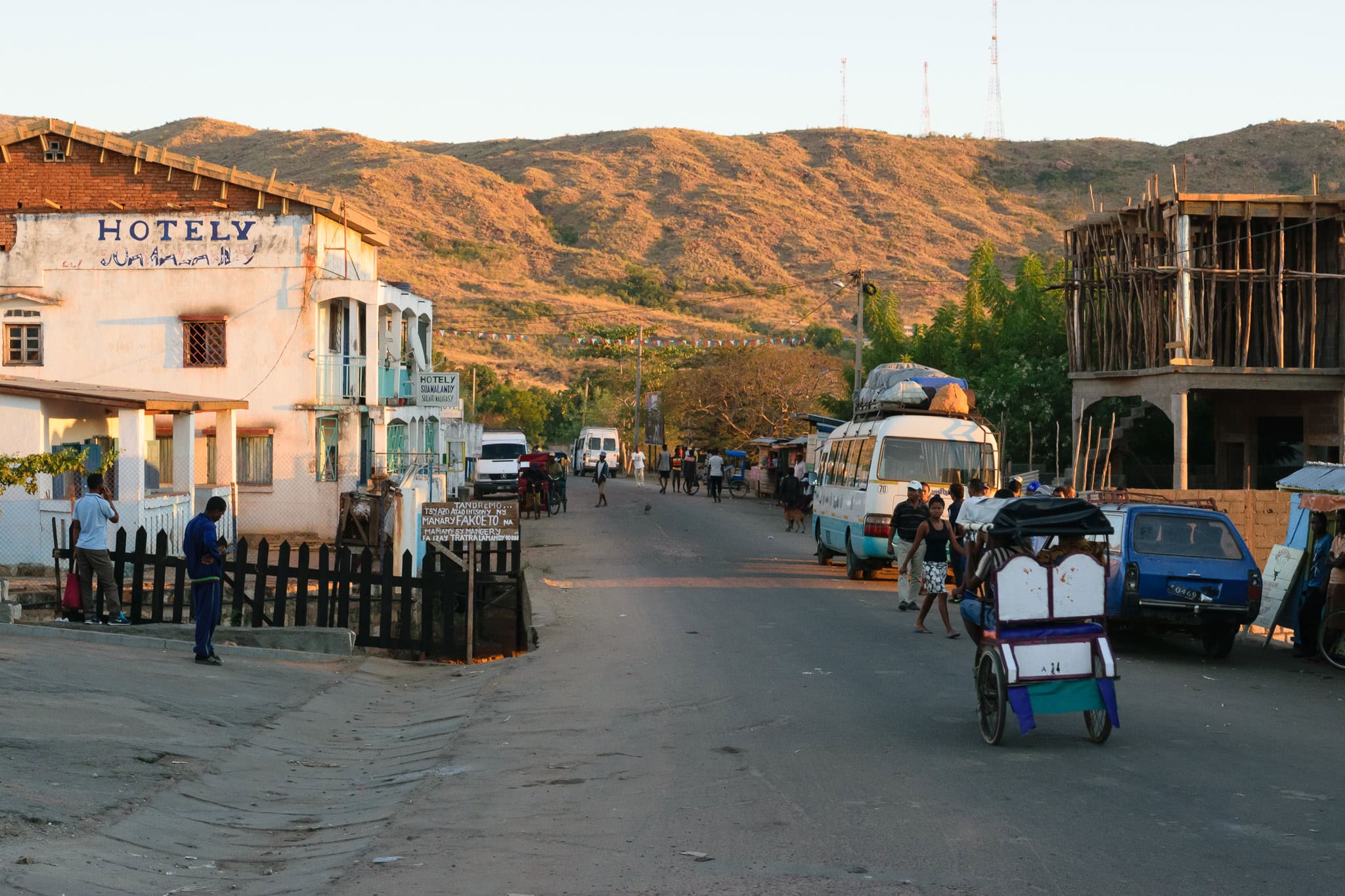
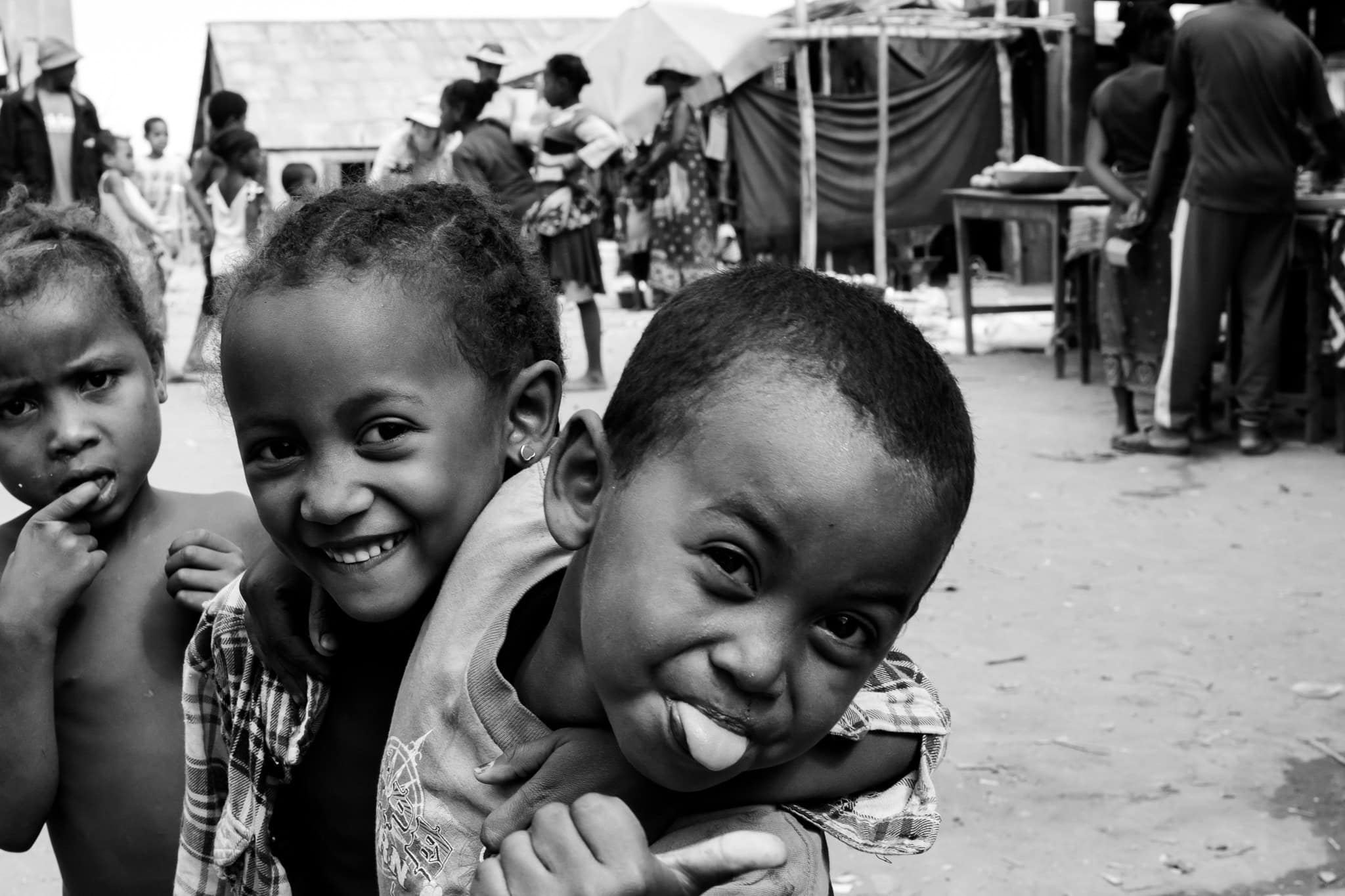
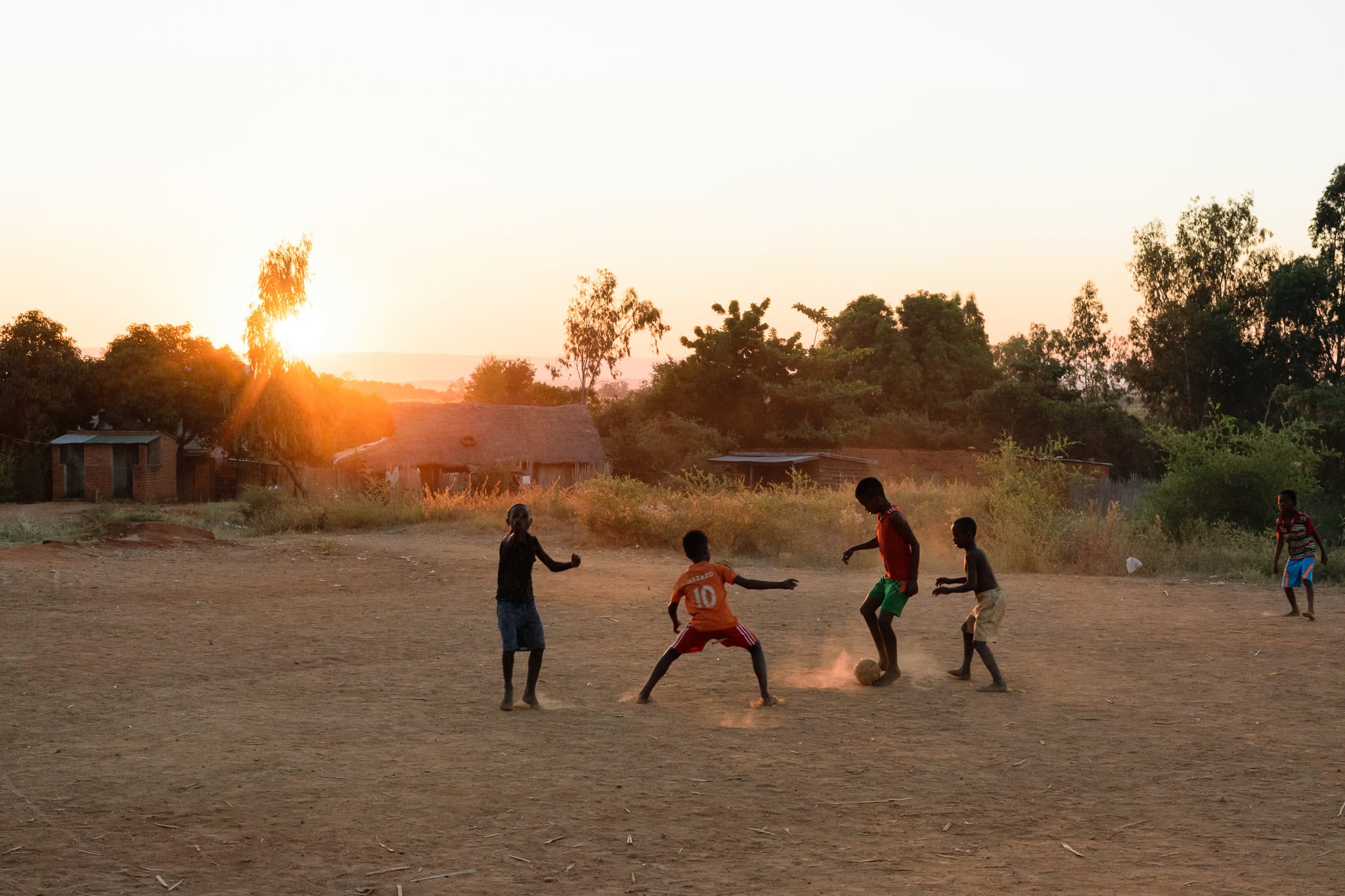
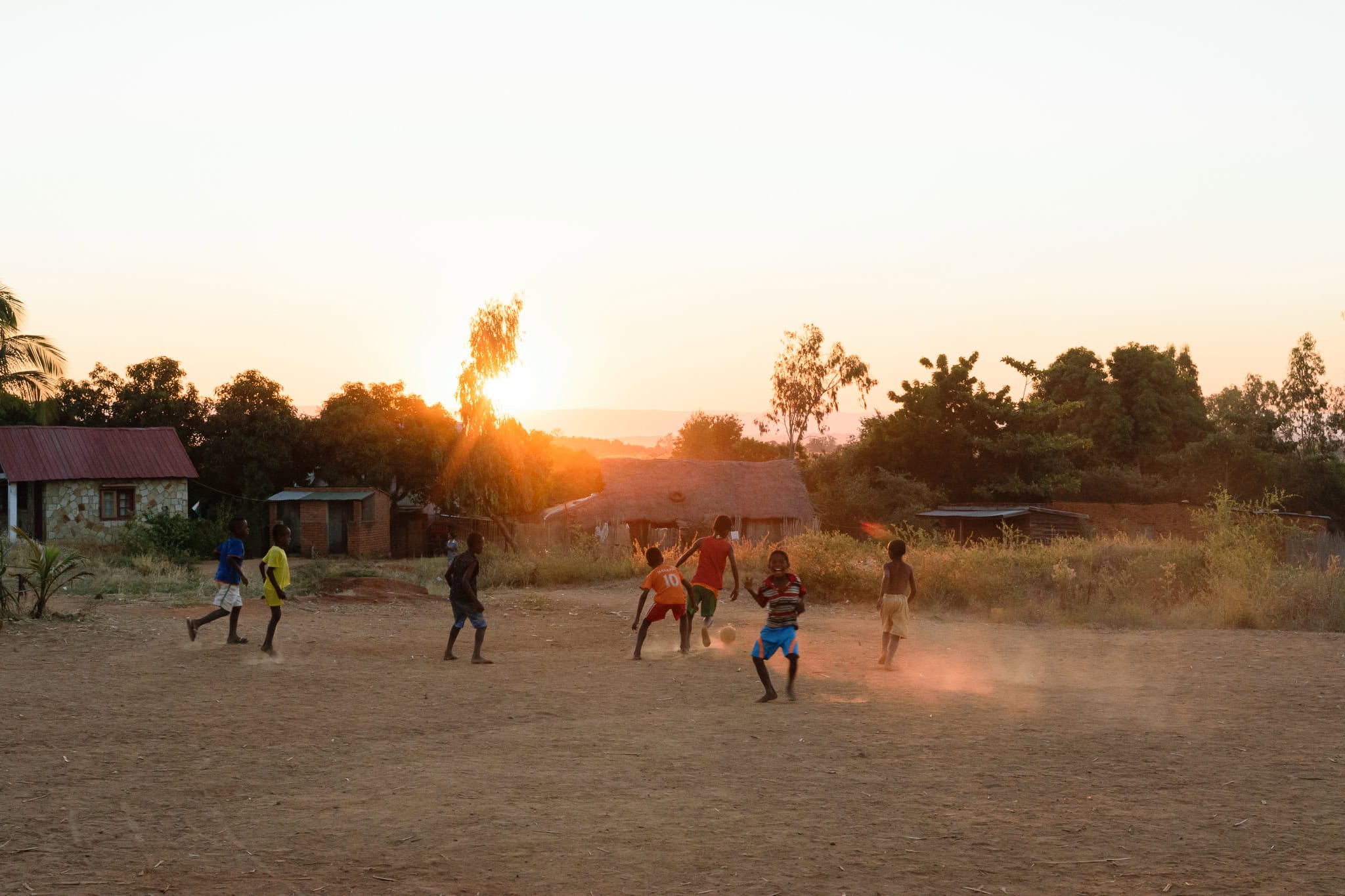
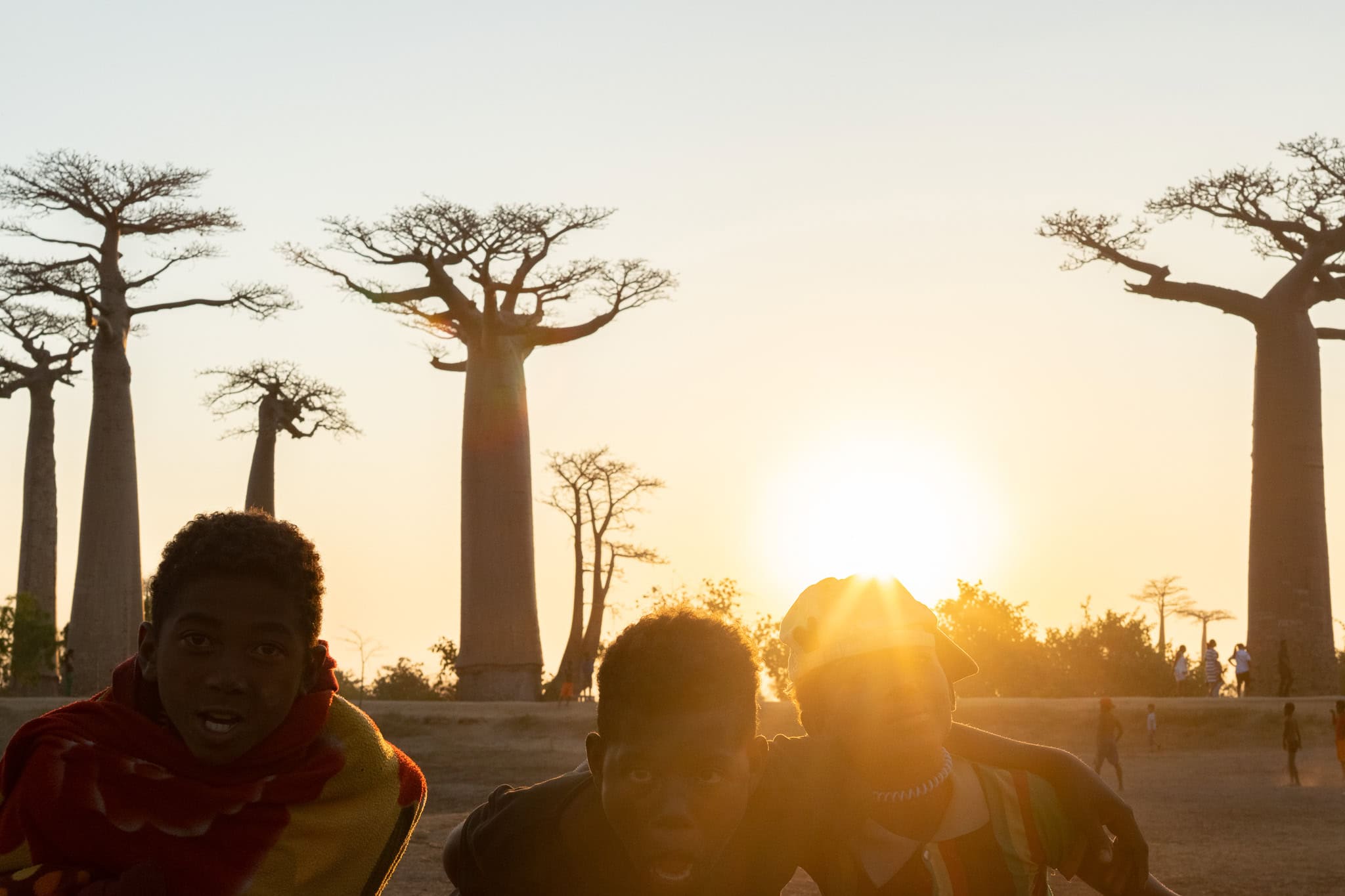
The following morning, we drove to Miandrivazo, a small town on the Tsiribihina River. In the evening, we explored the town a bit and watched a group of children playing football. The light from the setting sun was spectacular. When the children noticed us, they began to pose — a beautiful moment for a few photos. We gathered a few more impressions of the place before returning to our accommodation.
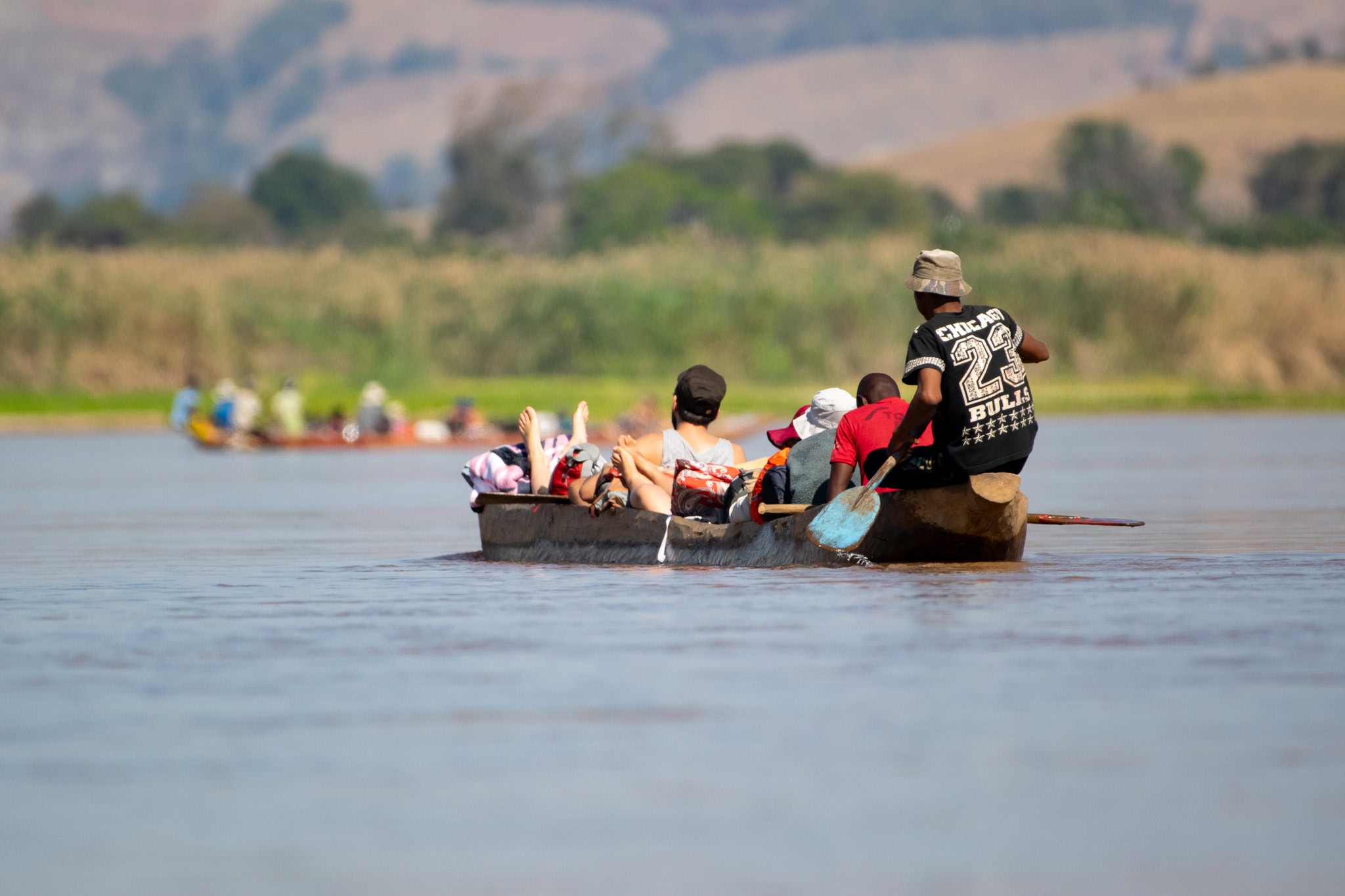
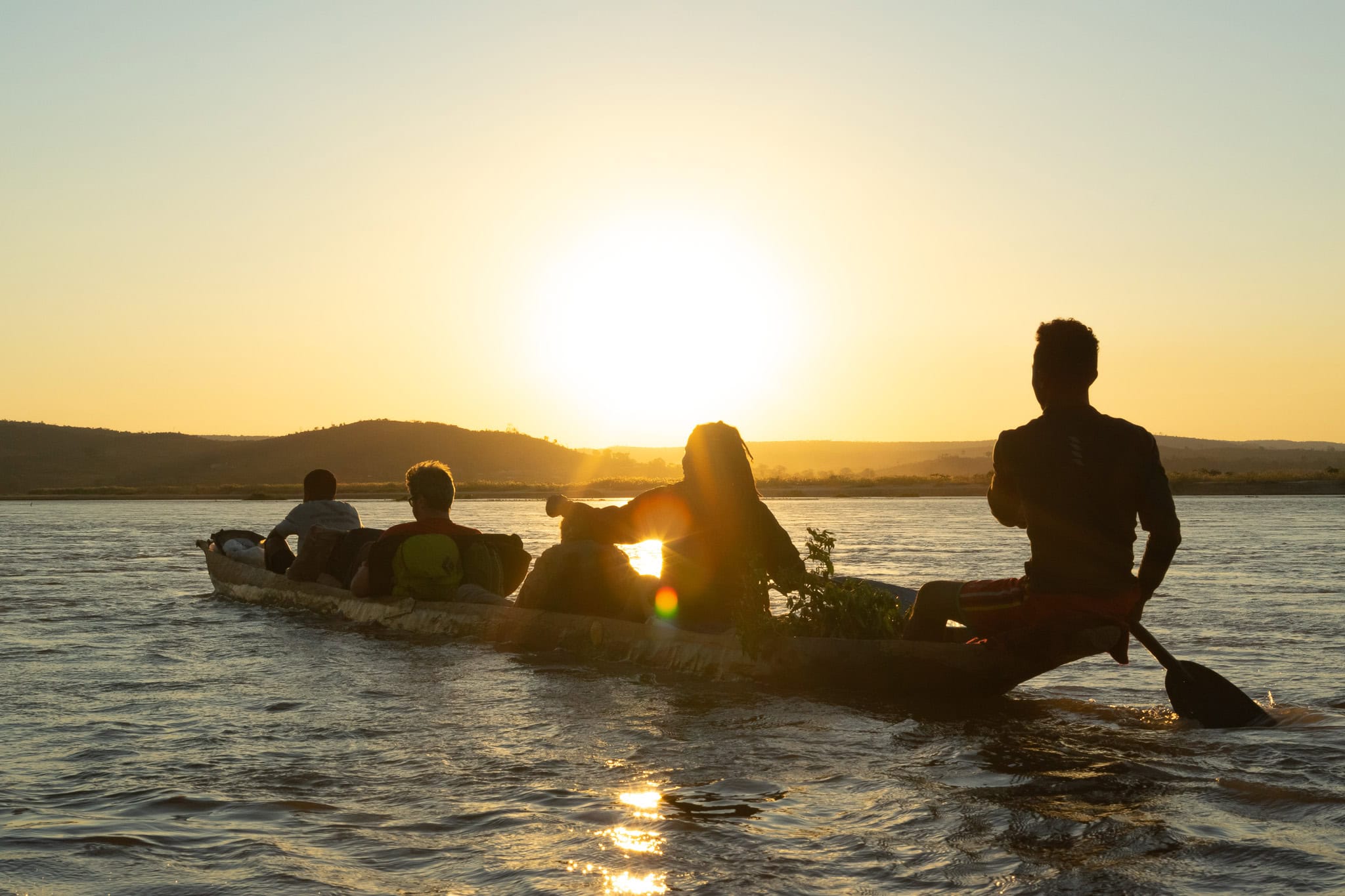
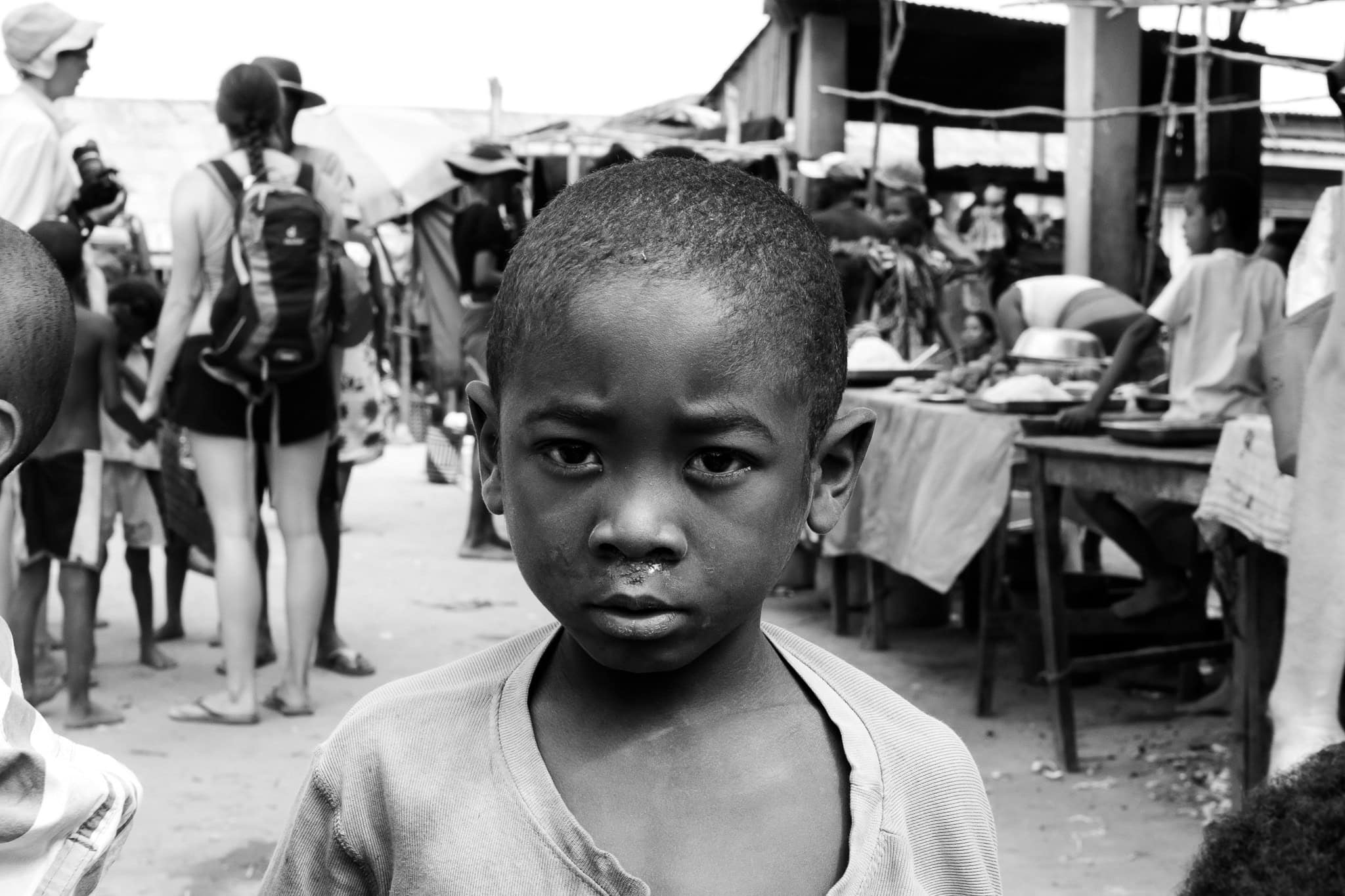
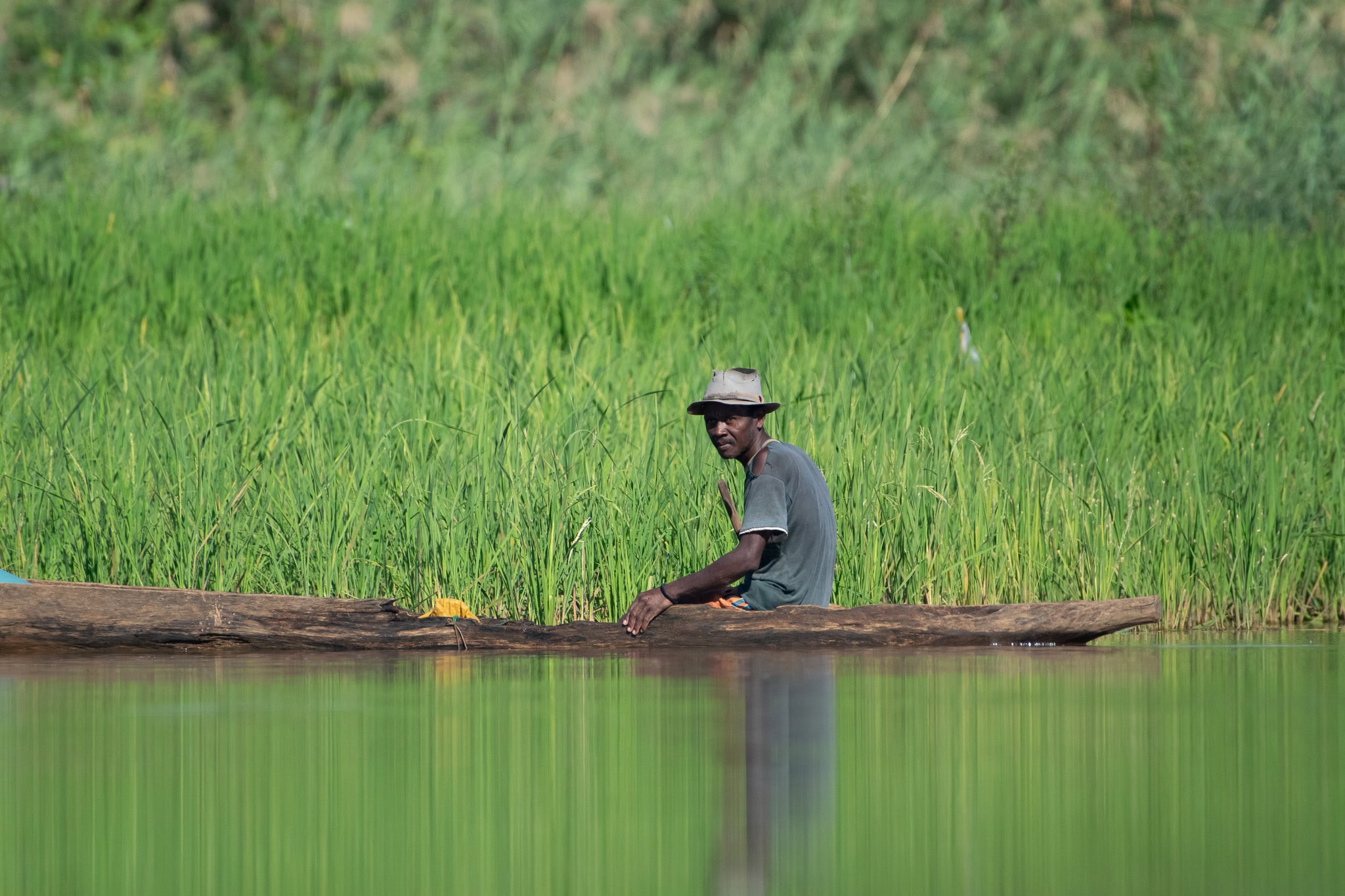
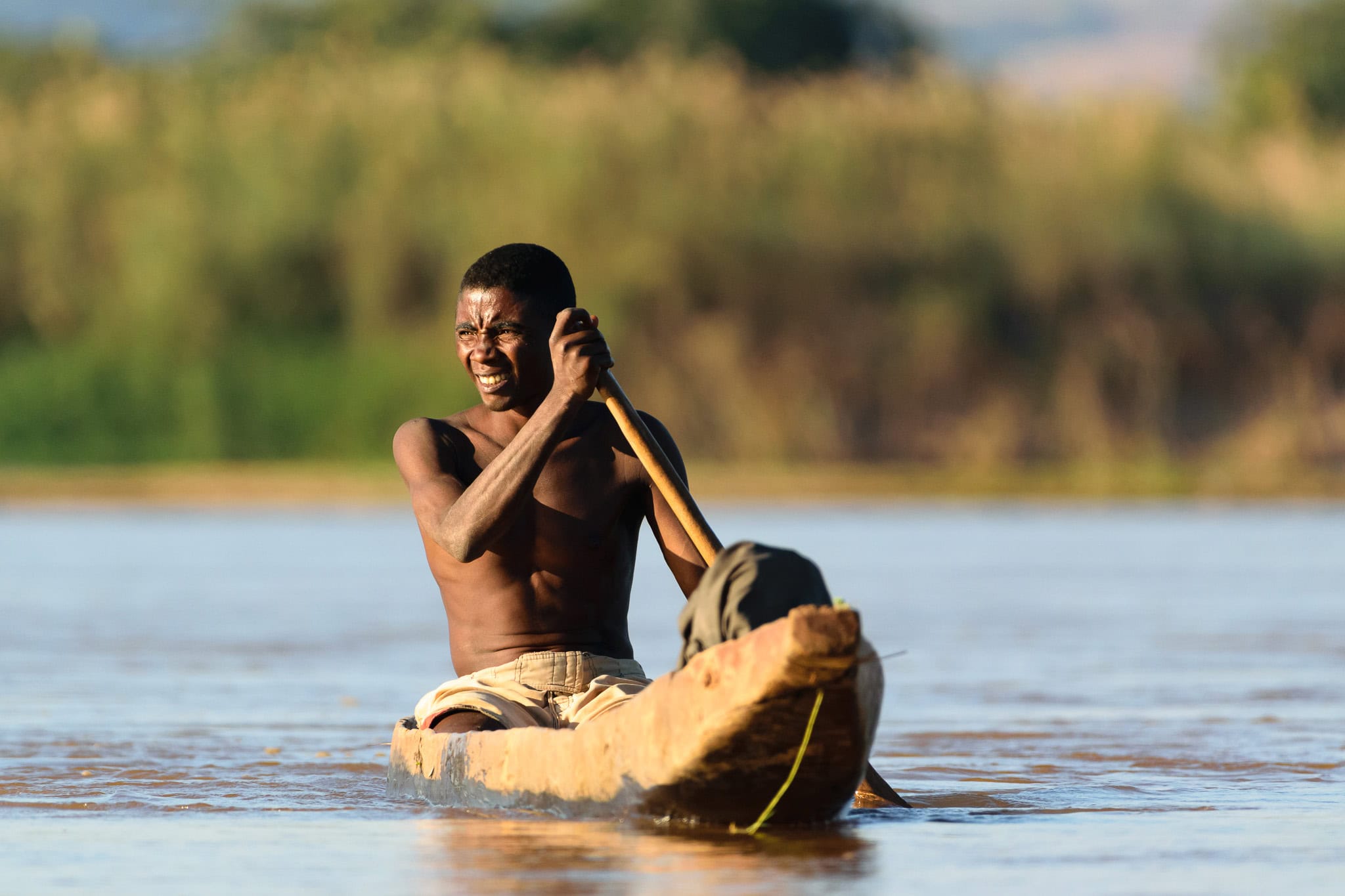
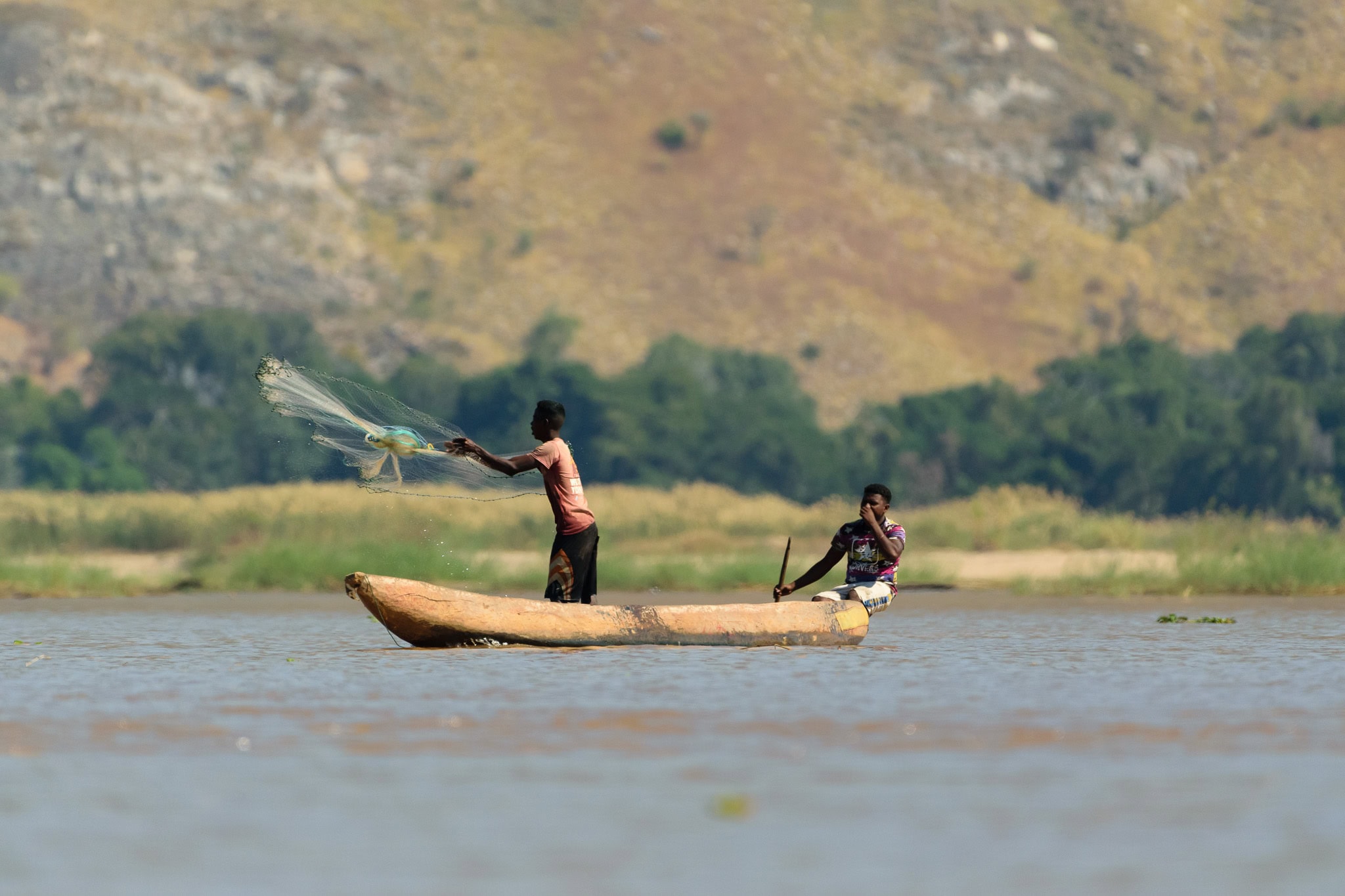
The next morning, we were woken before sunrise and loaded, along with our luggage, into a bus that took us to the “harbor.” There, everything was transferred onto small canoes — though not the ones we were sitting in ourselves. Together with another group, four of us traveled in one boat, accompanied by two local paddlers. From time to time, we took over the paddling so they could rest — although the current was doing most of the work anyway. Along the way, we stopped at small villages and were warmly welcomed by the locals. We learned a bit about their way of life and the cultural diversity of Madagascar.
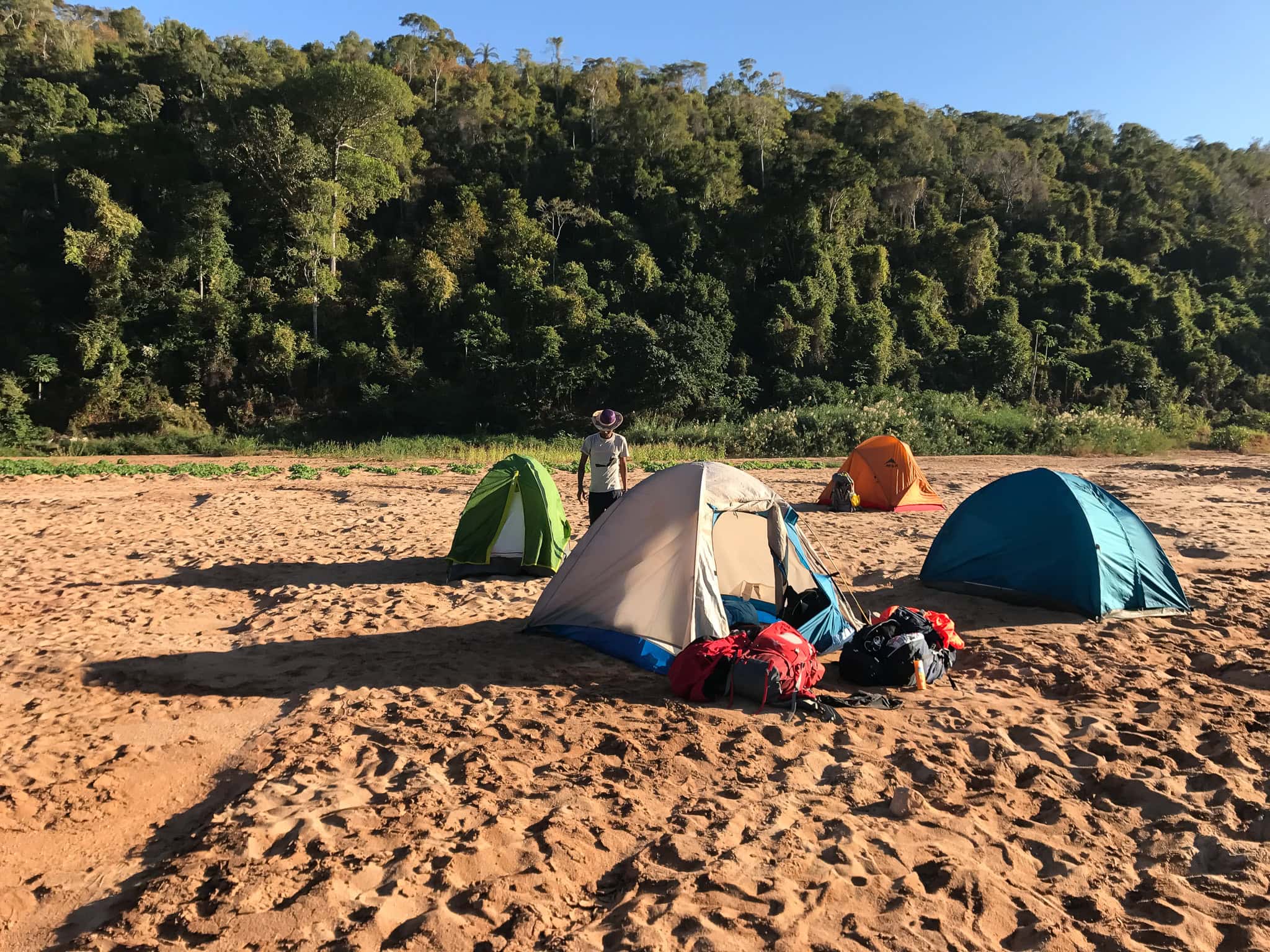
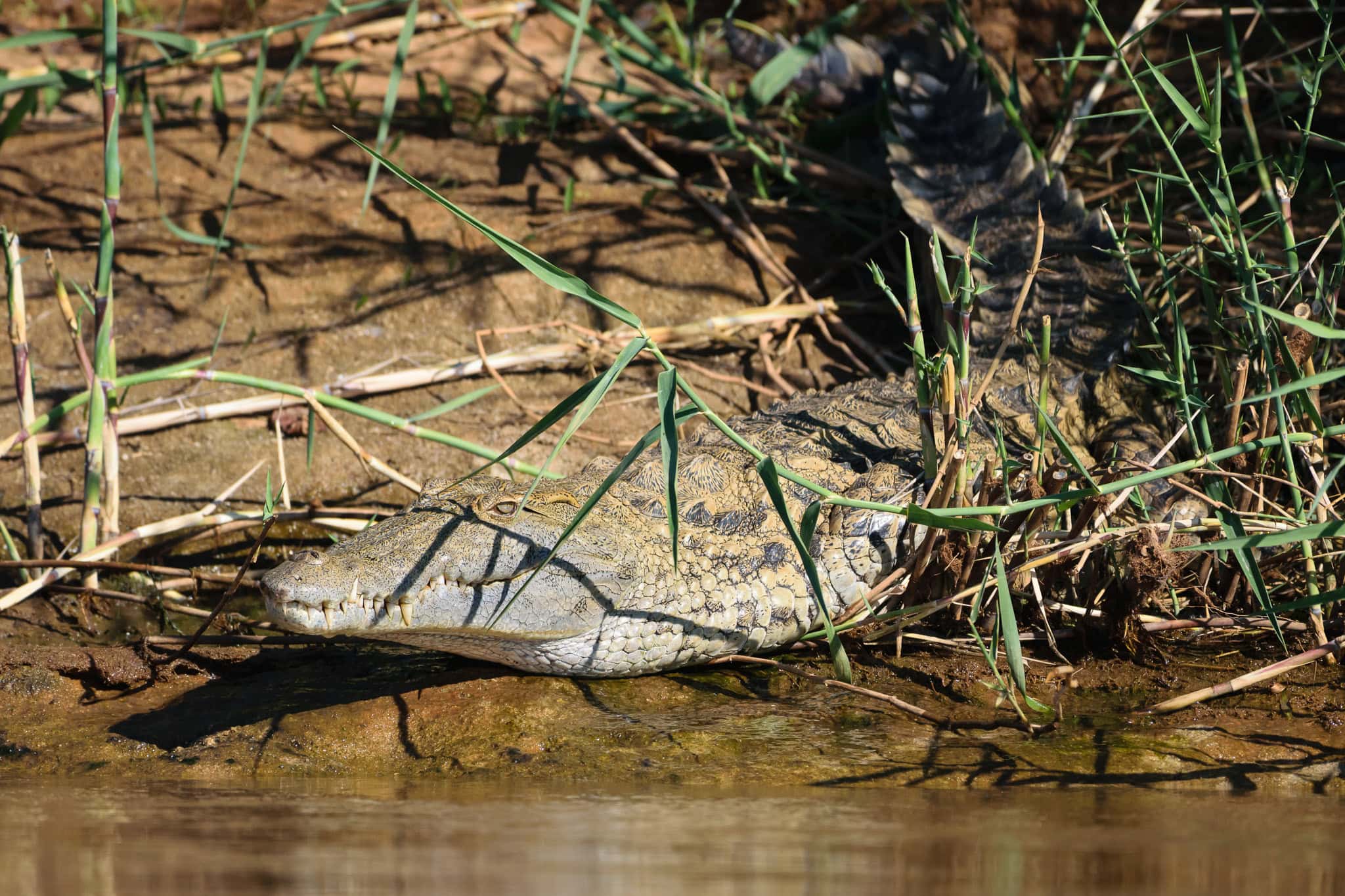
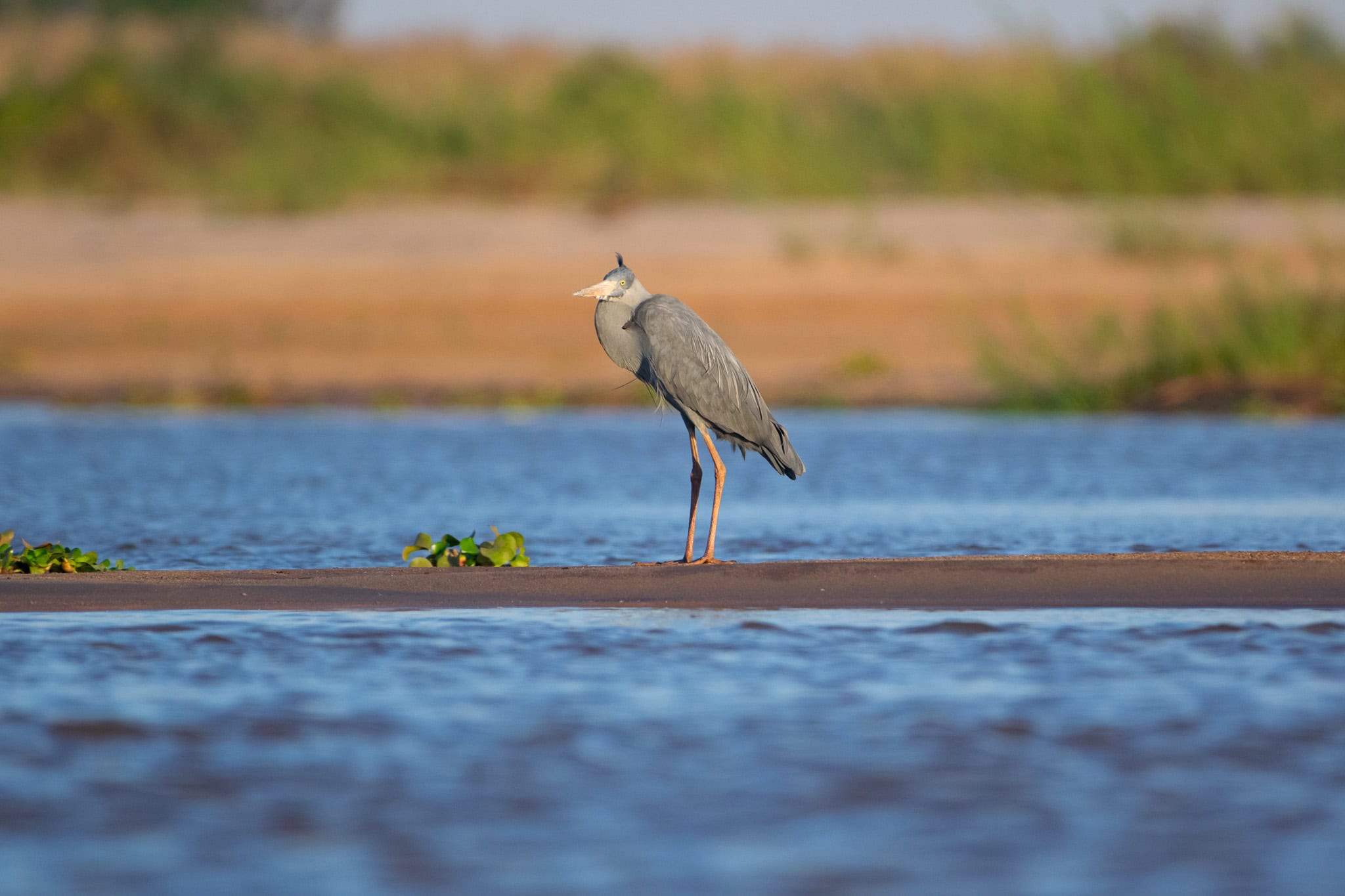
We spent the nights in tents on wide sandbanks along the river. At some point, we were completely alone — no other people, no man-made structures, just nature. It felt a bit like Jurassic Park. Again and again, we discovered new bird species and spotted lemurs in the trees and along the rock faces. It was definitely a powerful start to this journey.
TSINGY & KIRINDY
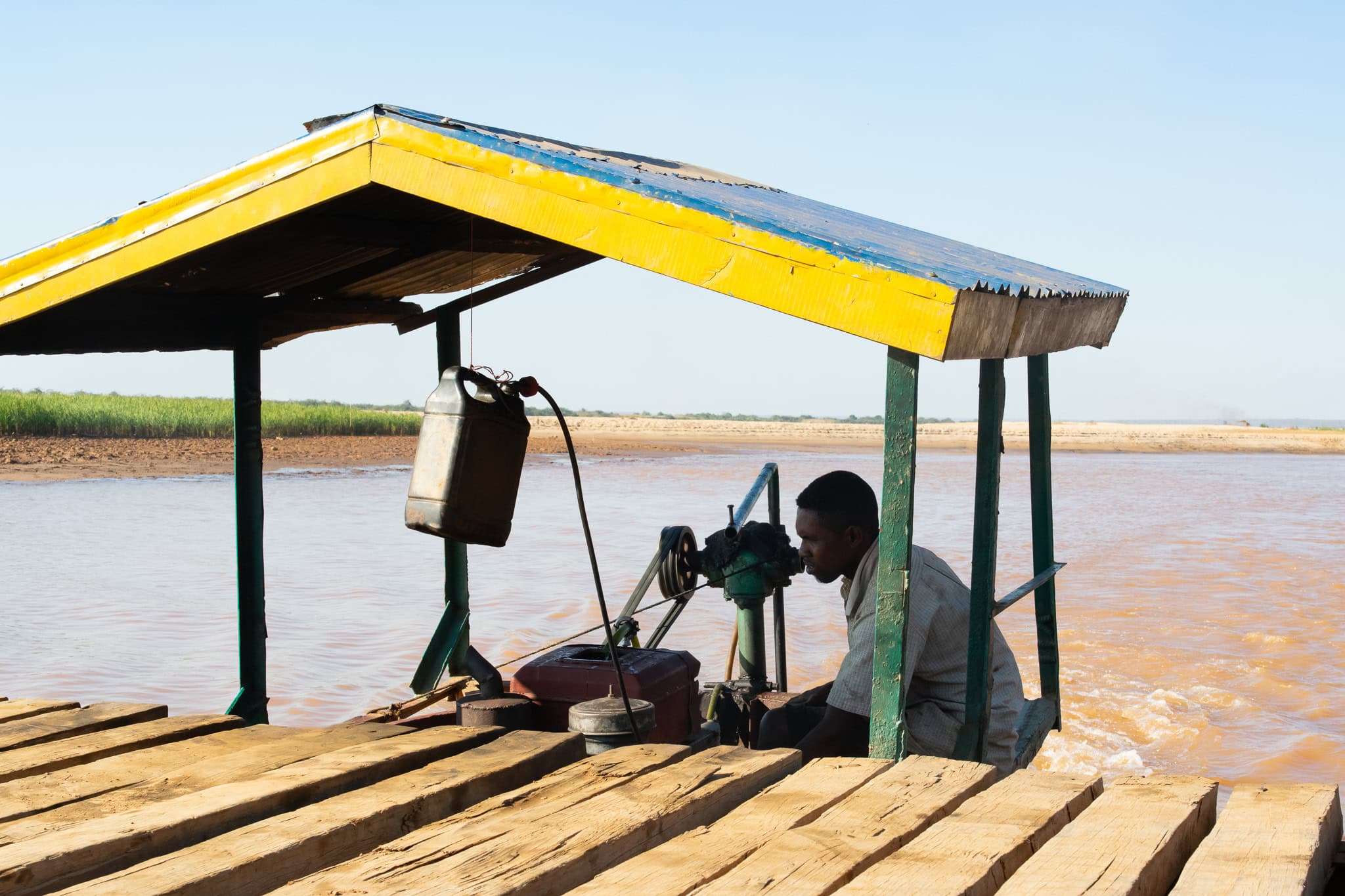
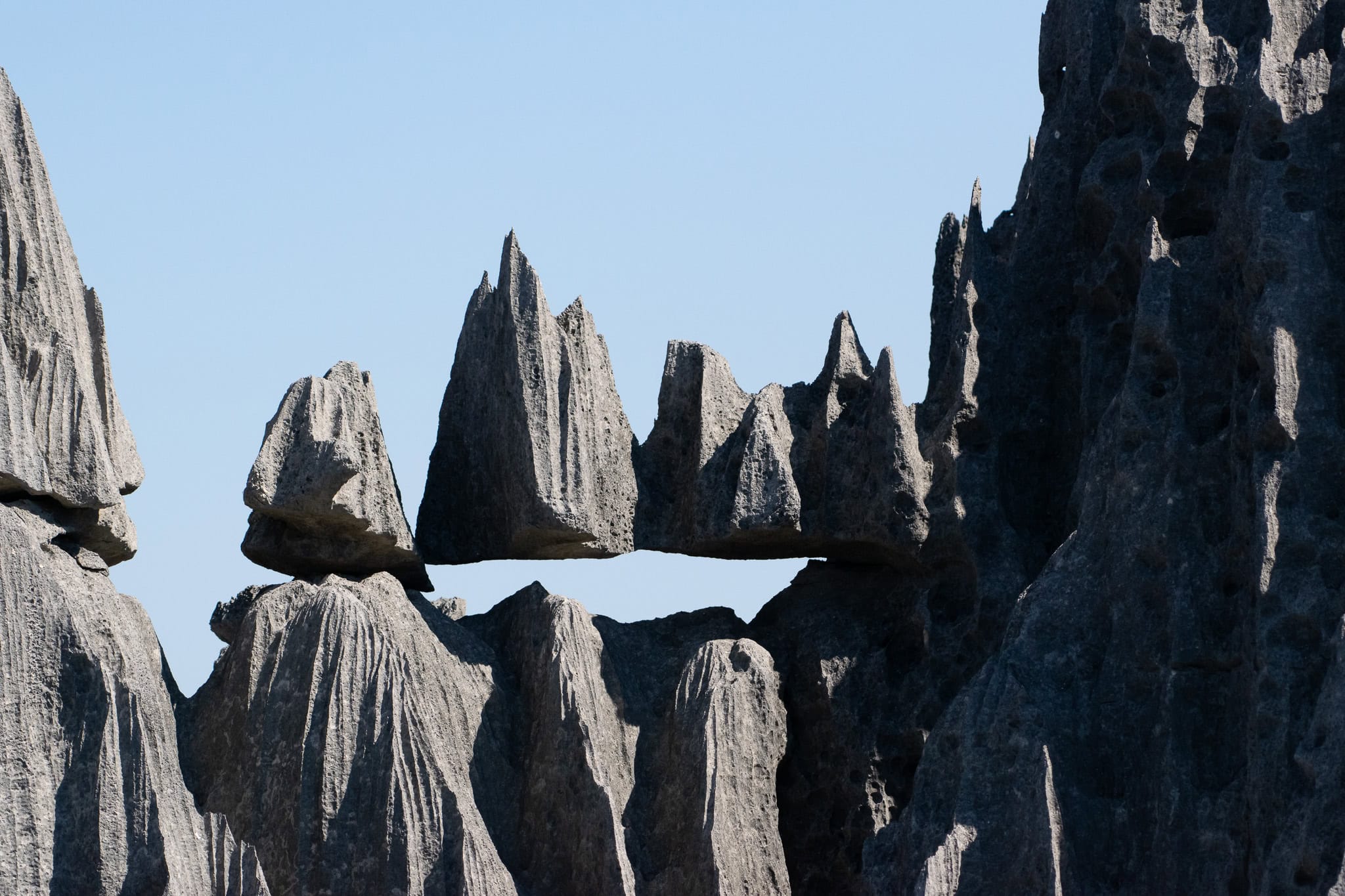
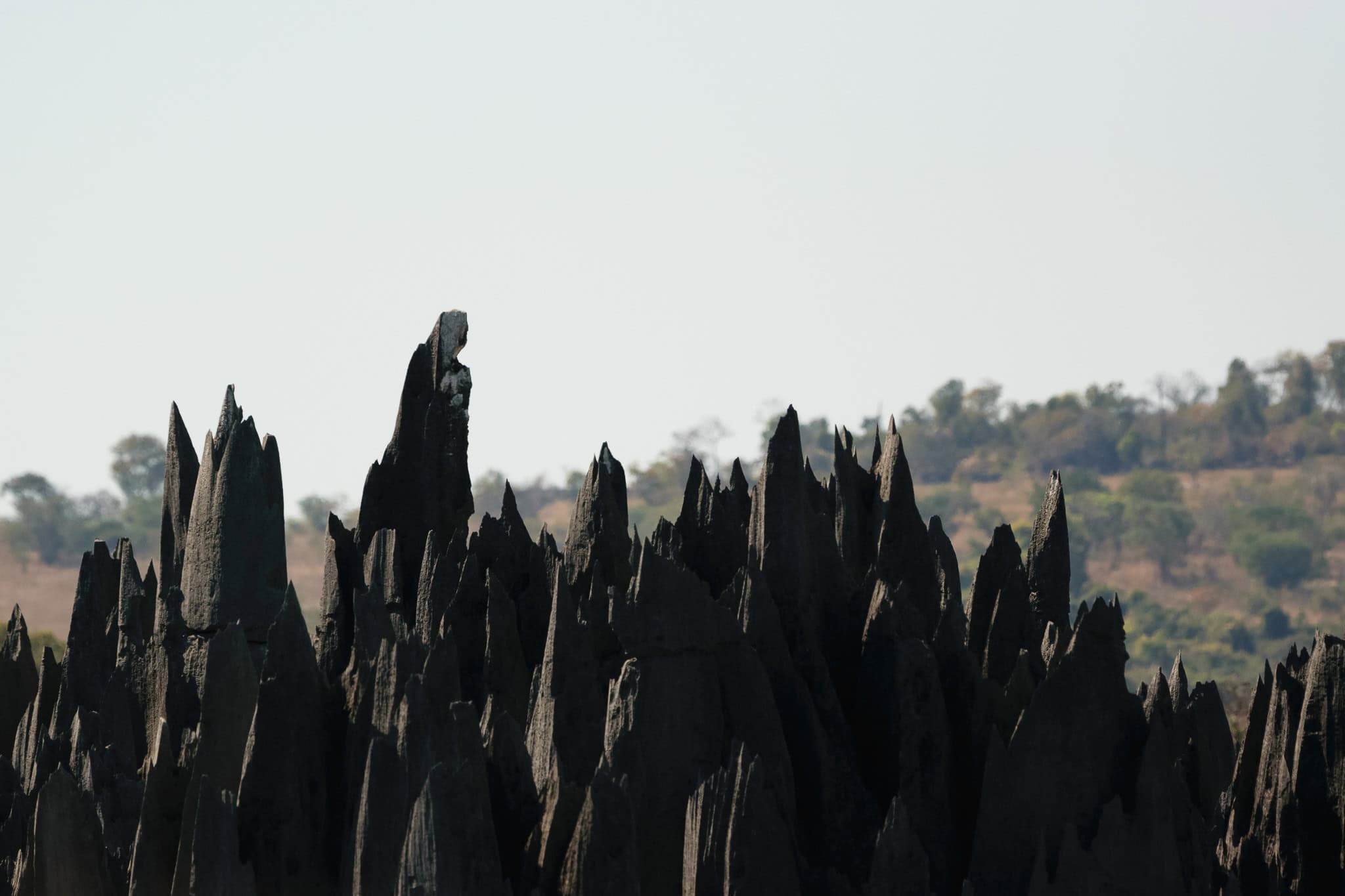
The next highlight was already waiting for us. After climbing out of the canoes for the last time, we were loaded into 4×4 SUVs that took us over rough tracks, through a river, onto a small ferry, and then back through the river again to Tsingy de Bemaraha National Park. There, we visited the famous limestone formations known as the “Tsingy.”
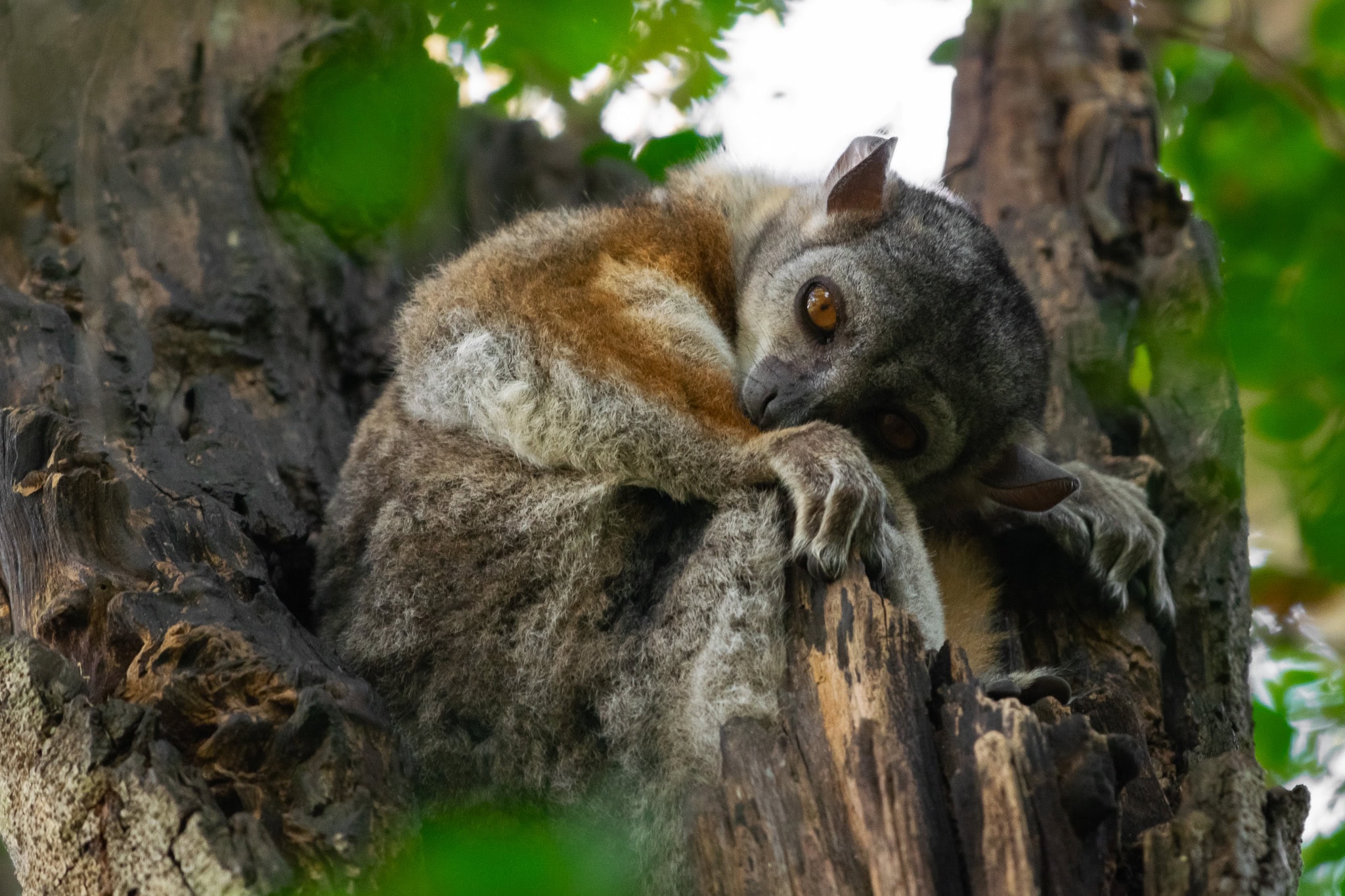
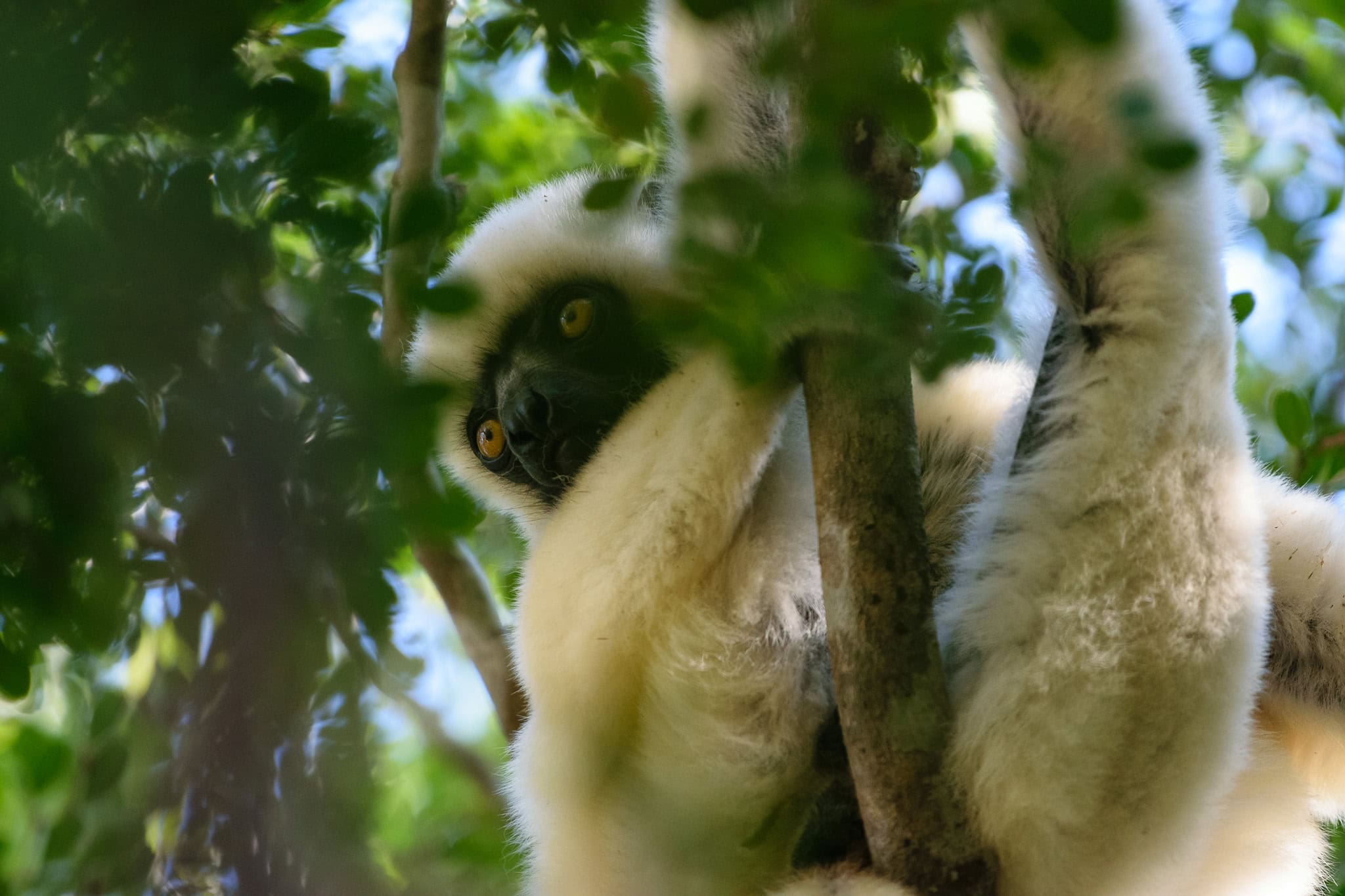
In the park, we finally saw our first lemurs up close. High up in the trees sat a Randrianasolo’s sportive lemur (Lepilemur randrianasoloi), along with a group of Von der Decken’s sifakas (Propithecus deckenii) curiously looking down at us. Experiencing these animals at such close range was incredible. We climbed both the small and the big Tsingy, spotted numerous bird species, and saw more lemurs from a distance. The landscape was breathtaking — sharp, jagged limestone spires rose dramatically into the sky. “Tsingy,” by the way, roughly translates to “walking on tiptoes” in Malagasy, which makes perfect sense given the razor-sharp rock.
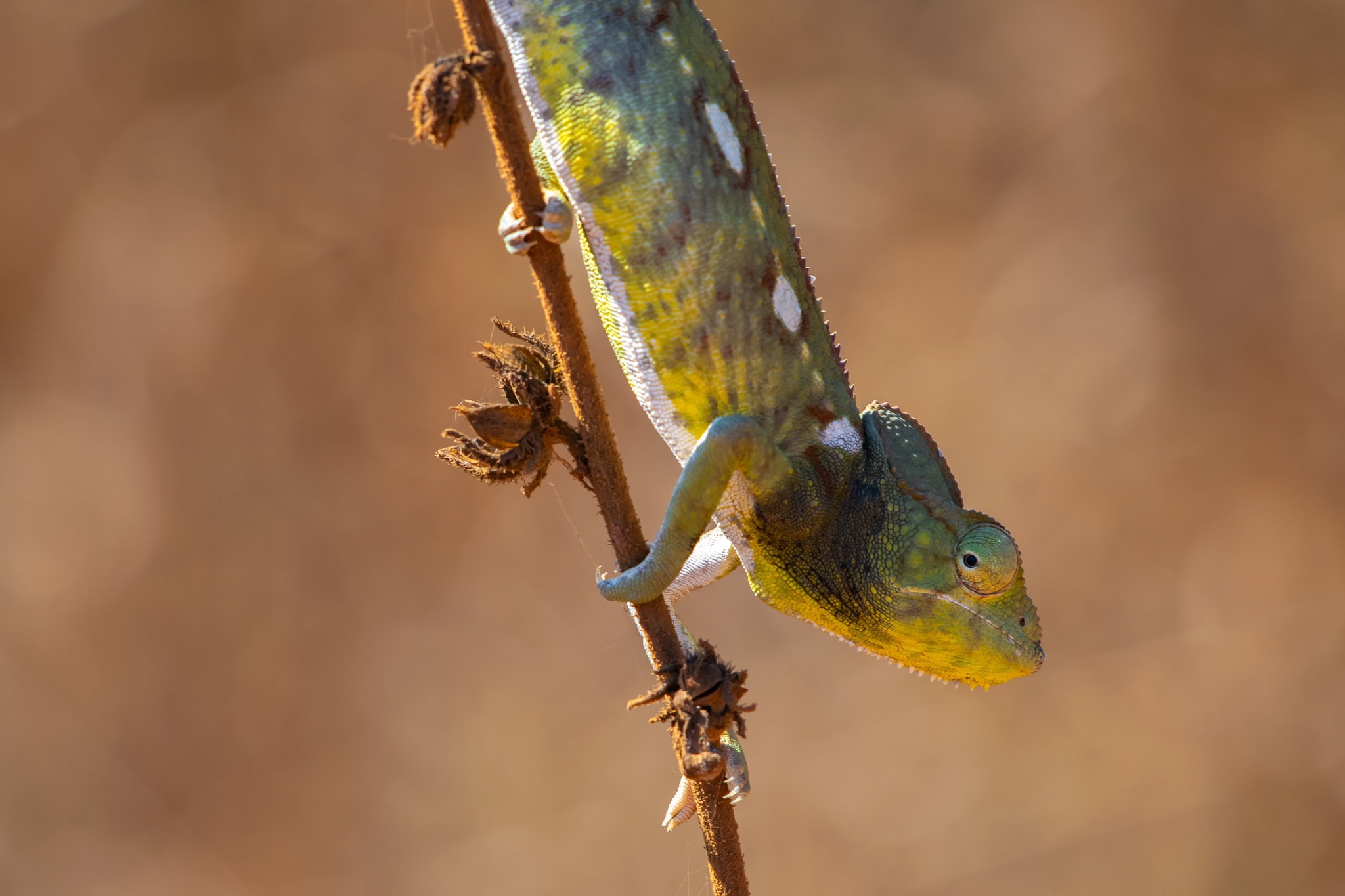
The following day, we continued by 4×4 — a six-hour drive lay ahead of us until we reached the Kirindy Dry Forest. Along the way, we encountered one of the typical tourist traps: children had caught a giant chameleon (Furcifer oustaleti), placed it on a branch, and waved at passing tourists to make them stop. Anyone who wanted to take a photo had to pay.
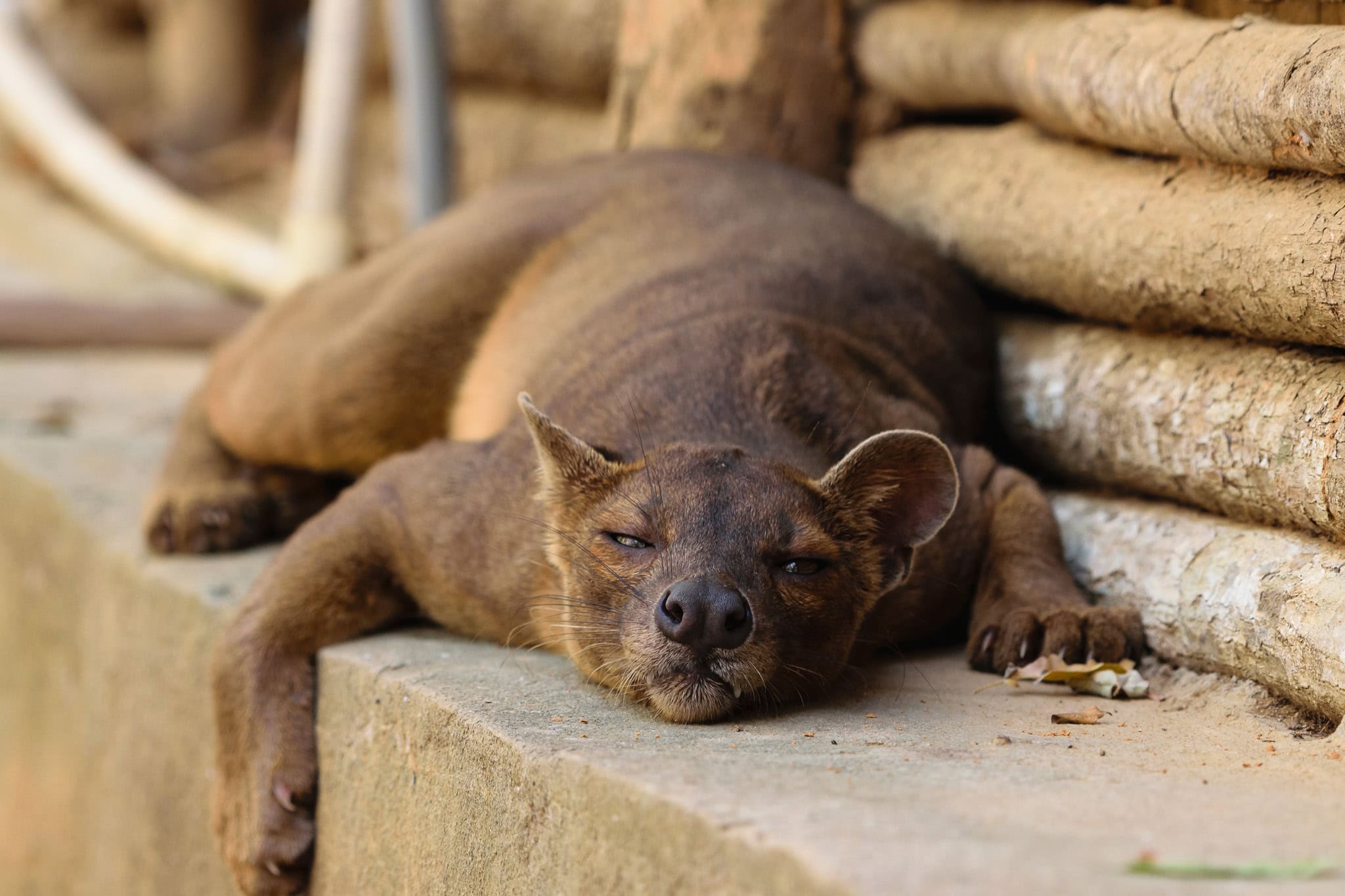
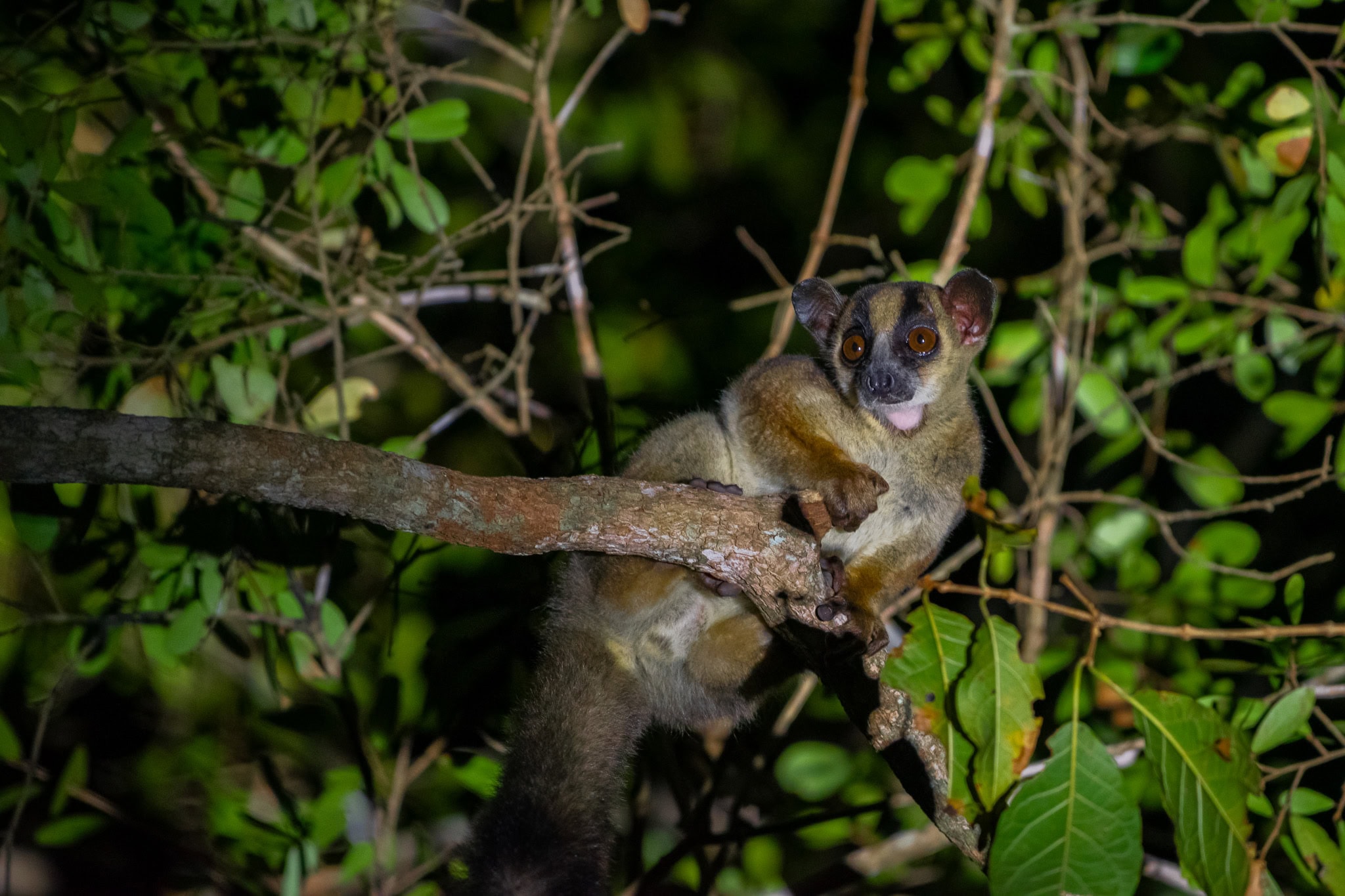
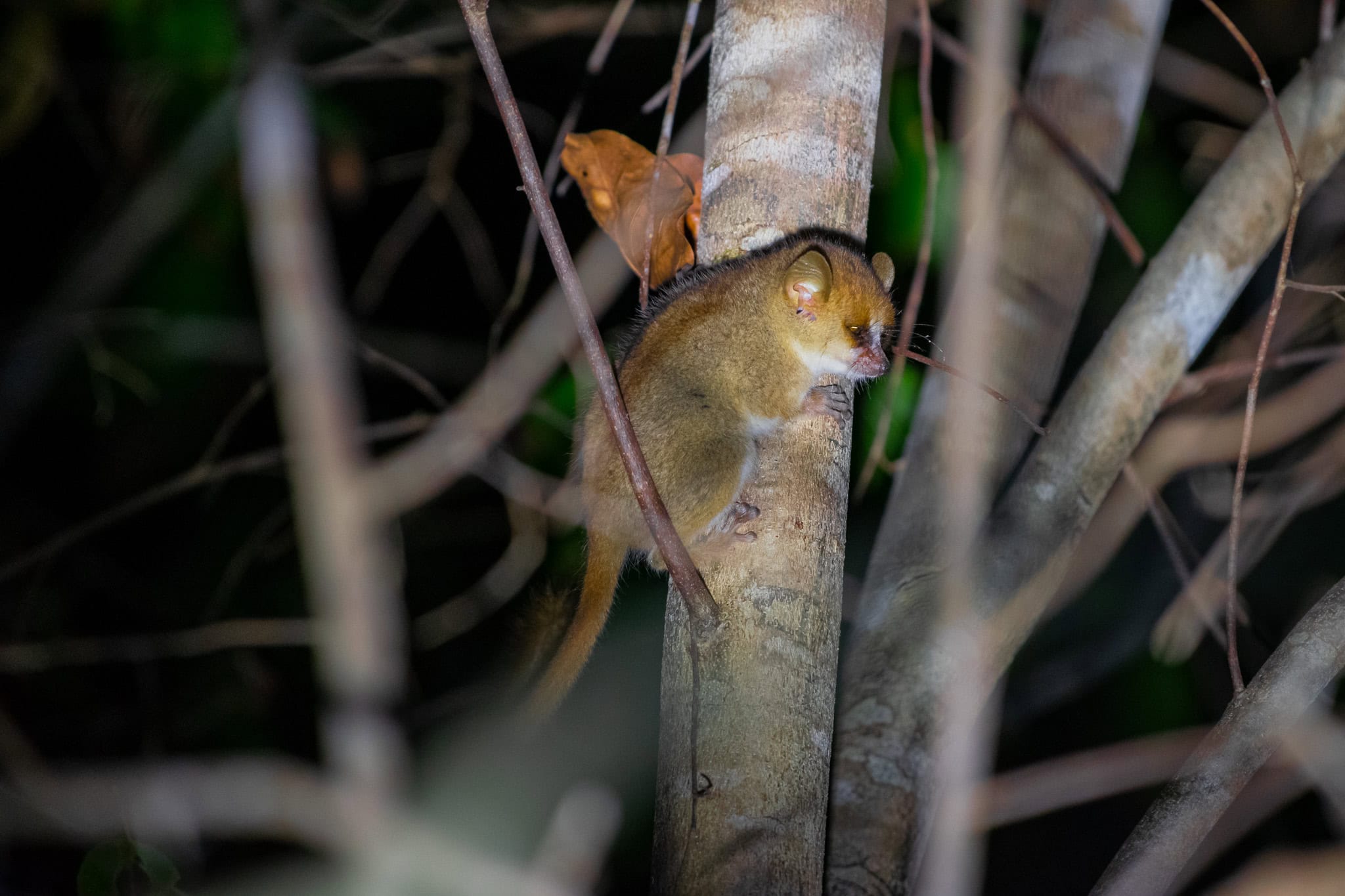
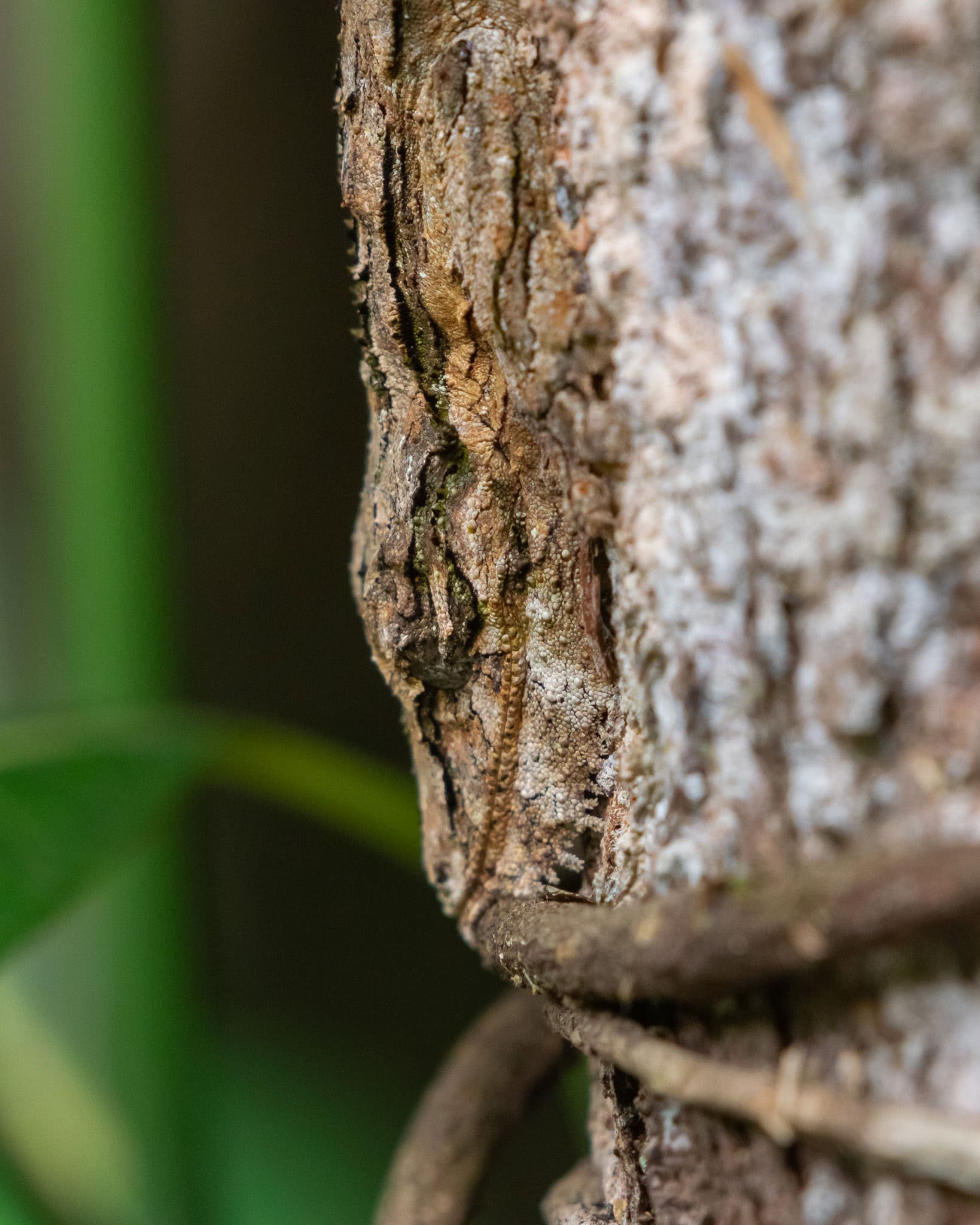
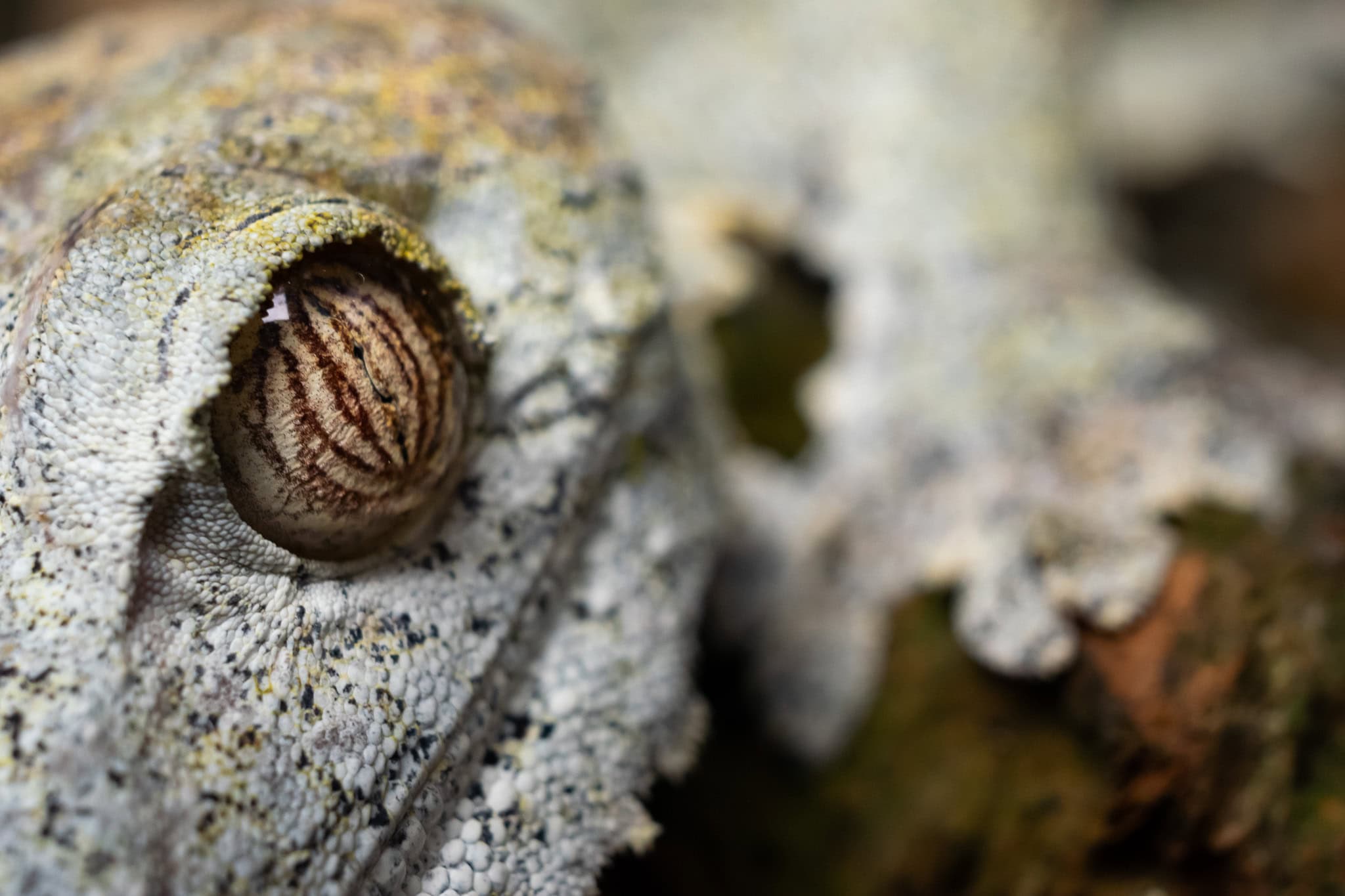
Upon arriving at the private Kirindy Reserve, we immediately encountered Madagascar’s largest predator — the fossa (Cryptoprocta ferox). Some of the animals were sleeping right next to the wall of our accommodation. Since they are considered harmless to humans, we were able to observe them calmly for a while. In the evening, we set off on a night walk through the dry forest. The highlights included a pale fork-marked lemur (Phaner pallescens), a half-asleep pygmy mouse lemur (Microcebus myoxinus) — the second smallest primate species in the world — as well as several sleeping chameleons and geckos.
After all these incredible encounters, we were more than ready for a short break by the sea.
THE BAOBABS AND THE SEA OF MADAGASCAR
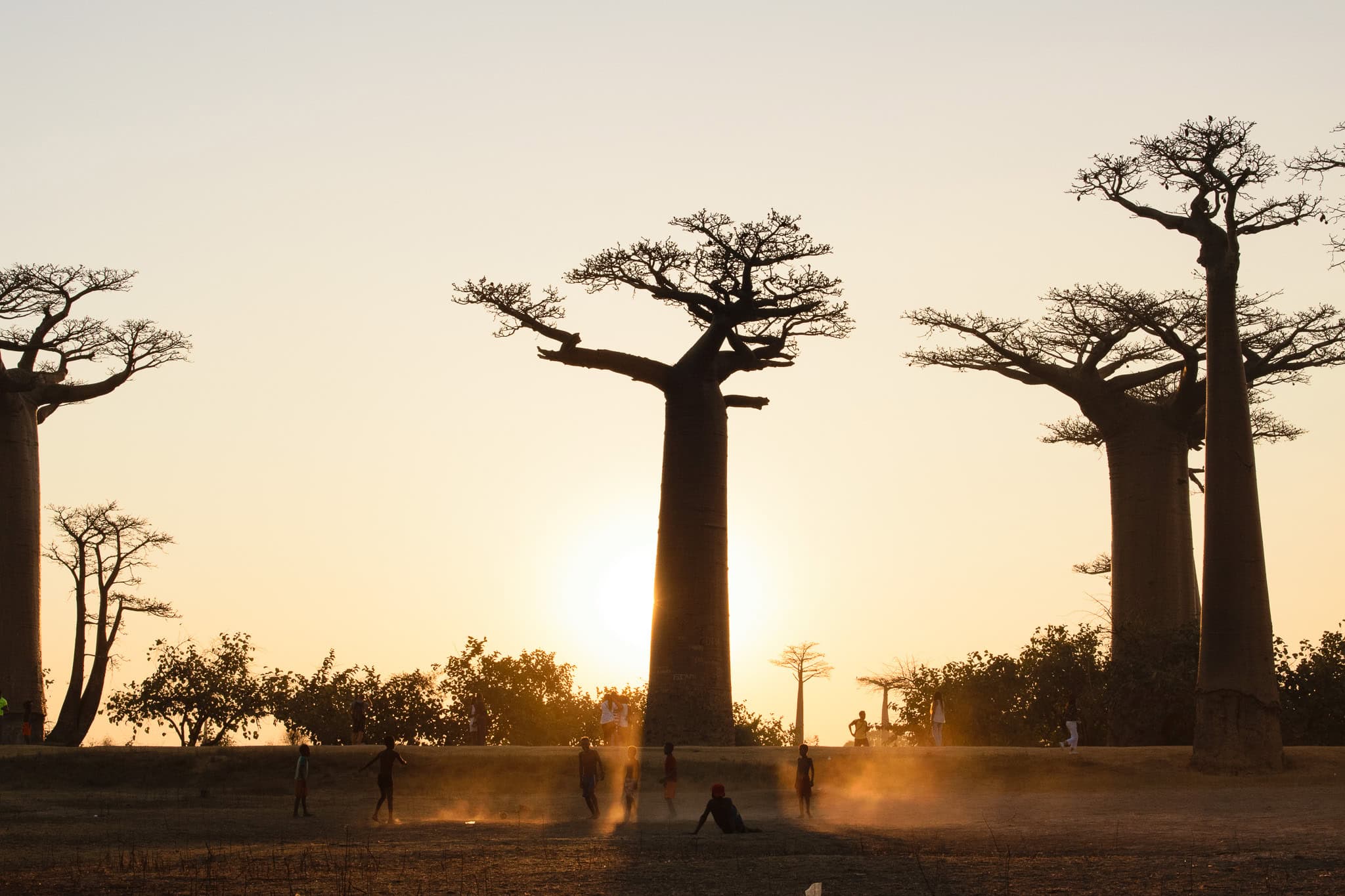
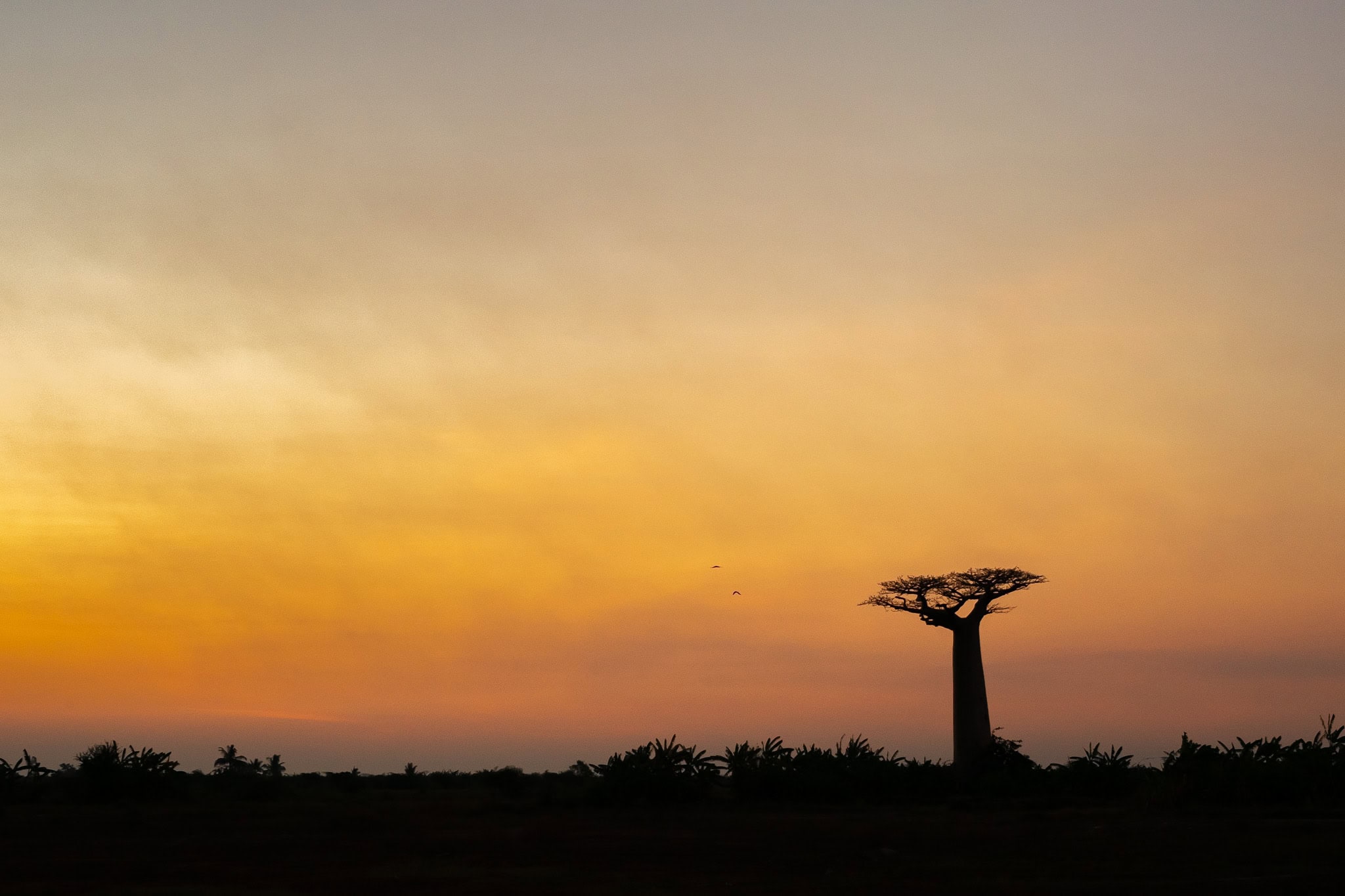
But before heading to the sea, we first visited the famous baobab trees. We saw the Lovers’ Baobabs, the Sacred Baobab, and finally the Avenue of the Baobabs at sunset. The latter, in particular, was deeply impressive. The setting sun turned the dust in the air a warm orange, while children played football and tourists admired the trees. Once again, a perfect setting for great photos. After that, we continued on toward Belo sur Mer.
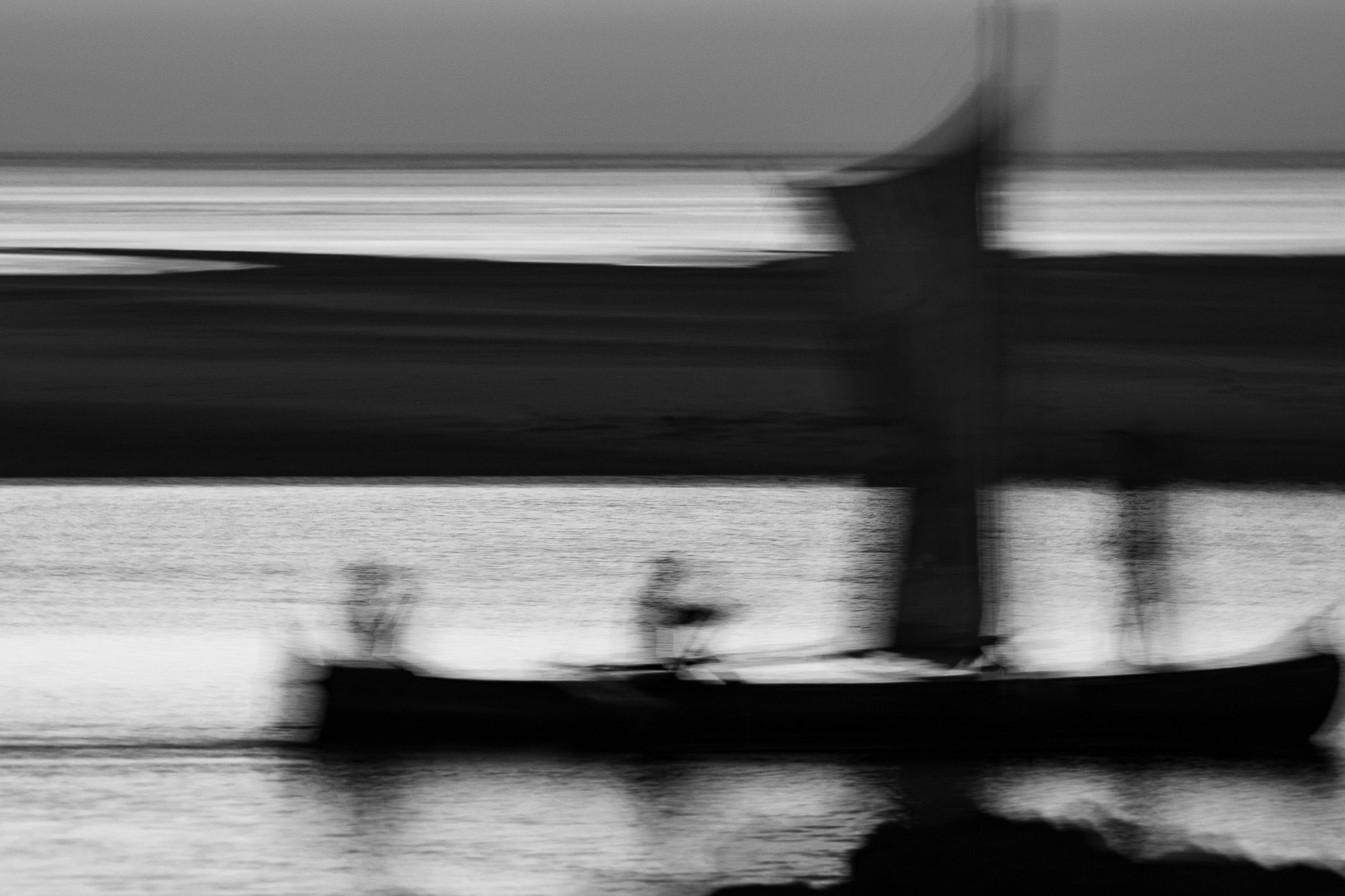
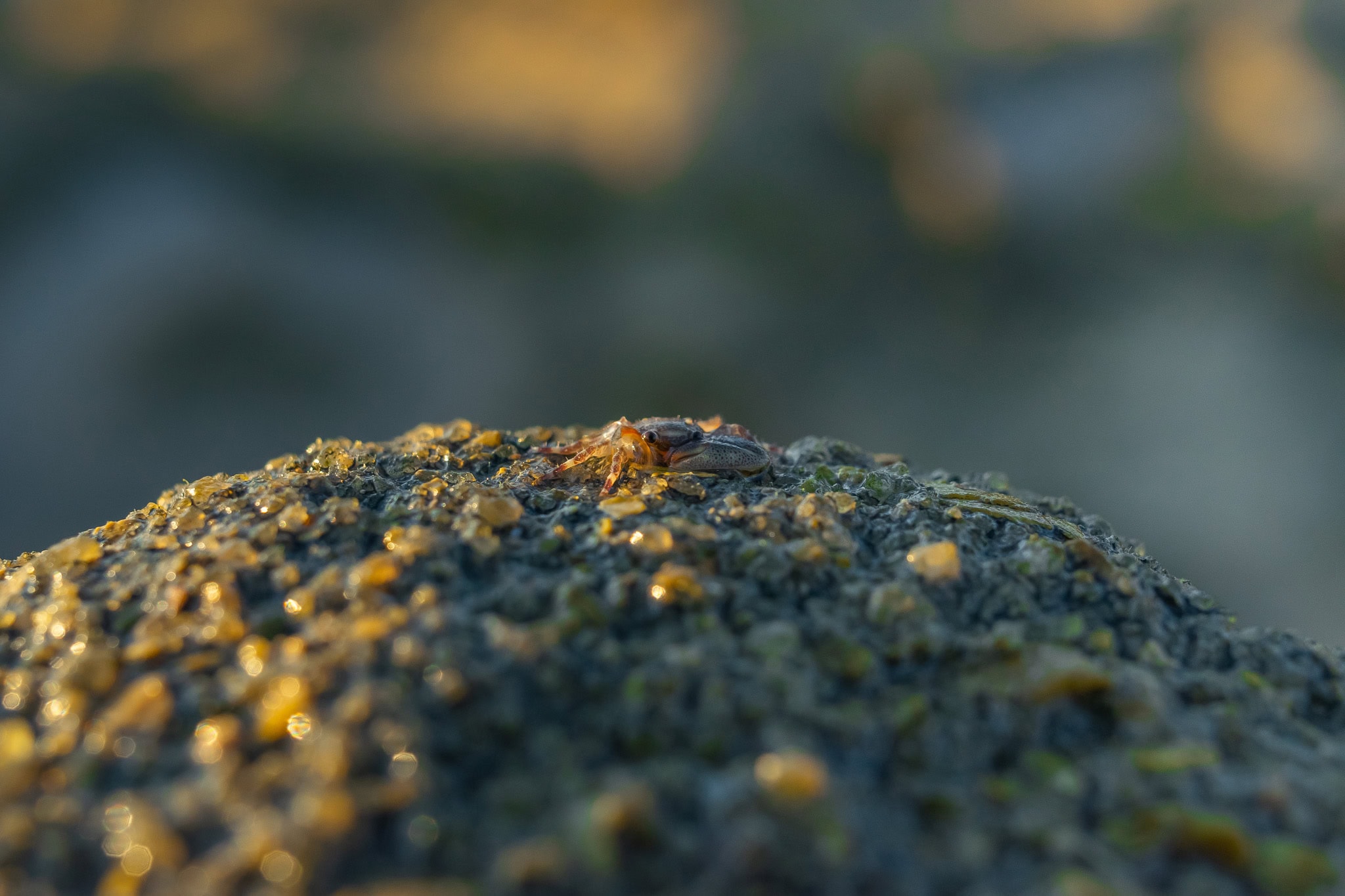
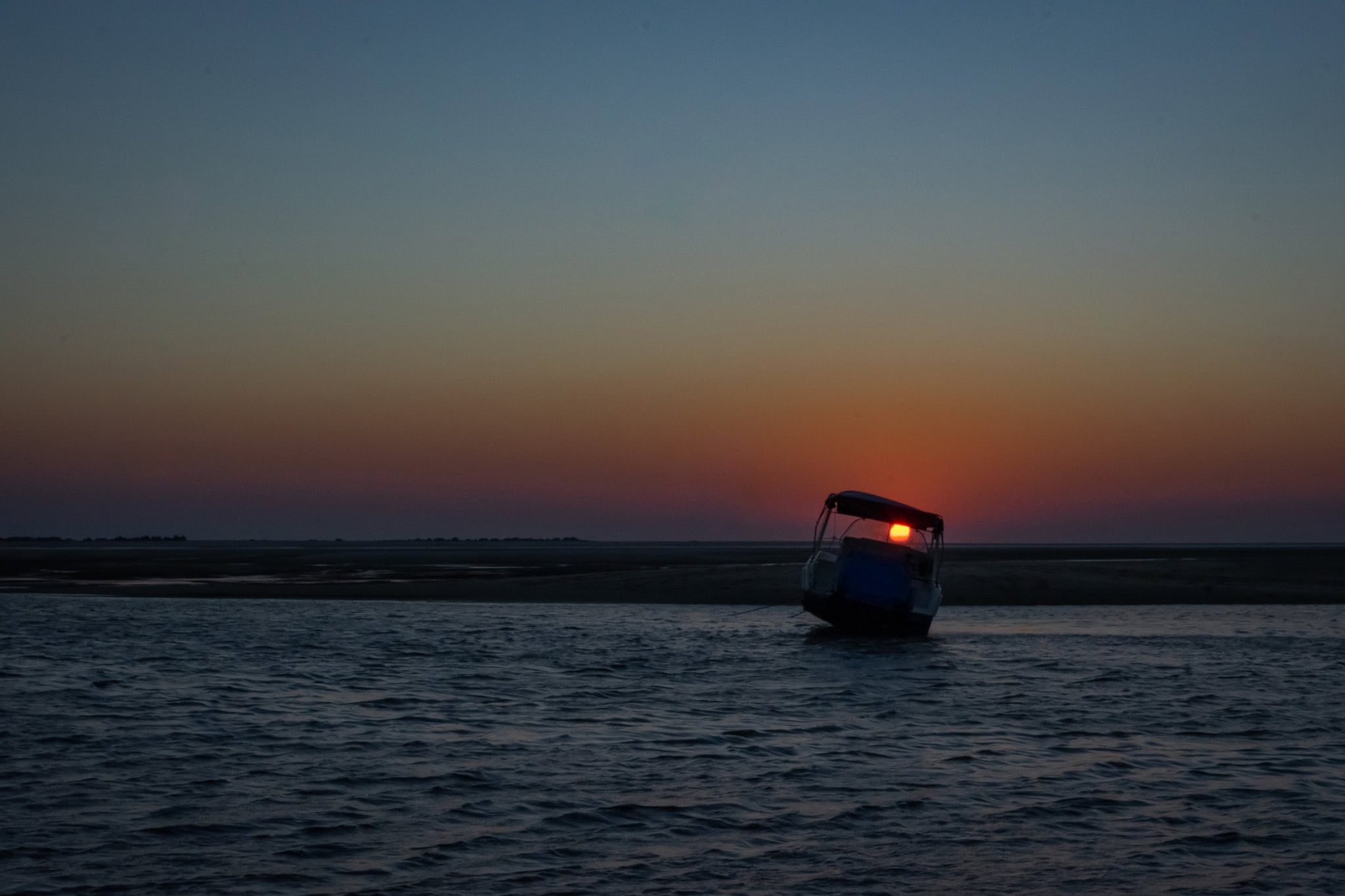
Our accommodation was an eco-lodge run by a French couple, located directly on the beach. Hot water was heated by the sun through reflections inside a wooden box lined with aluminum and could then be drawn as needed and mixed with cold water in the shower. Power outlets were only available at the reception, and dinner was shared with all the other guests at one large table. The houses were very open and bright, offering a direct view of the sea. We spent the following days snorkeling, taking trips to the mangroves, and simply relaxing.
THE HIGHLANDS OF MADAGASCAR
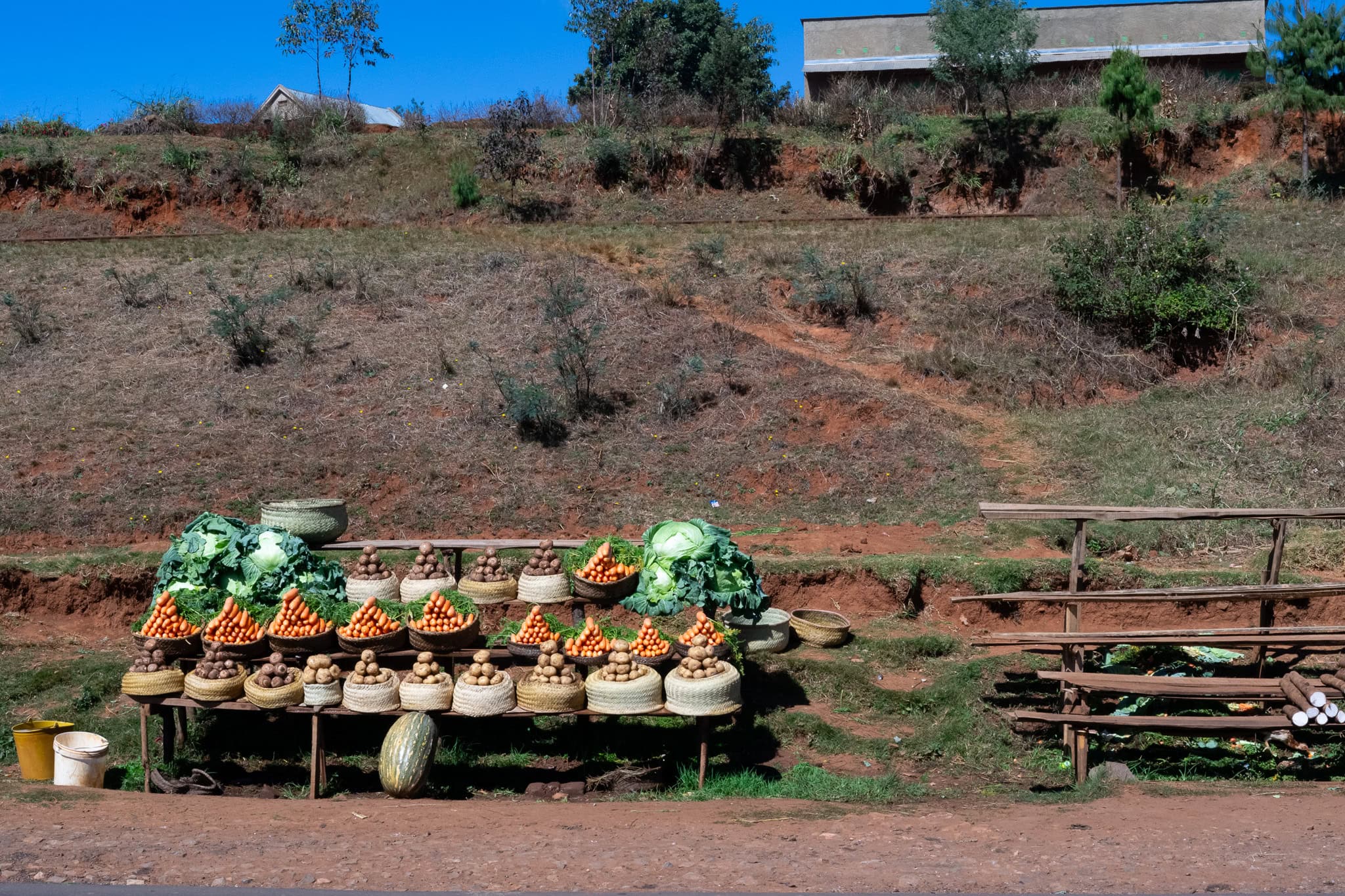
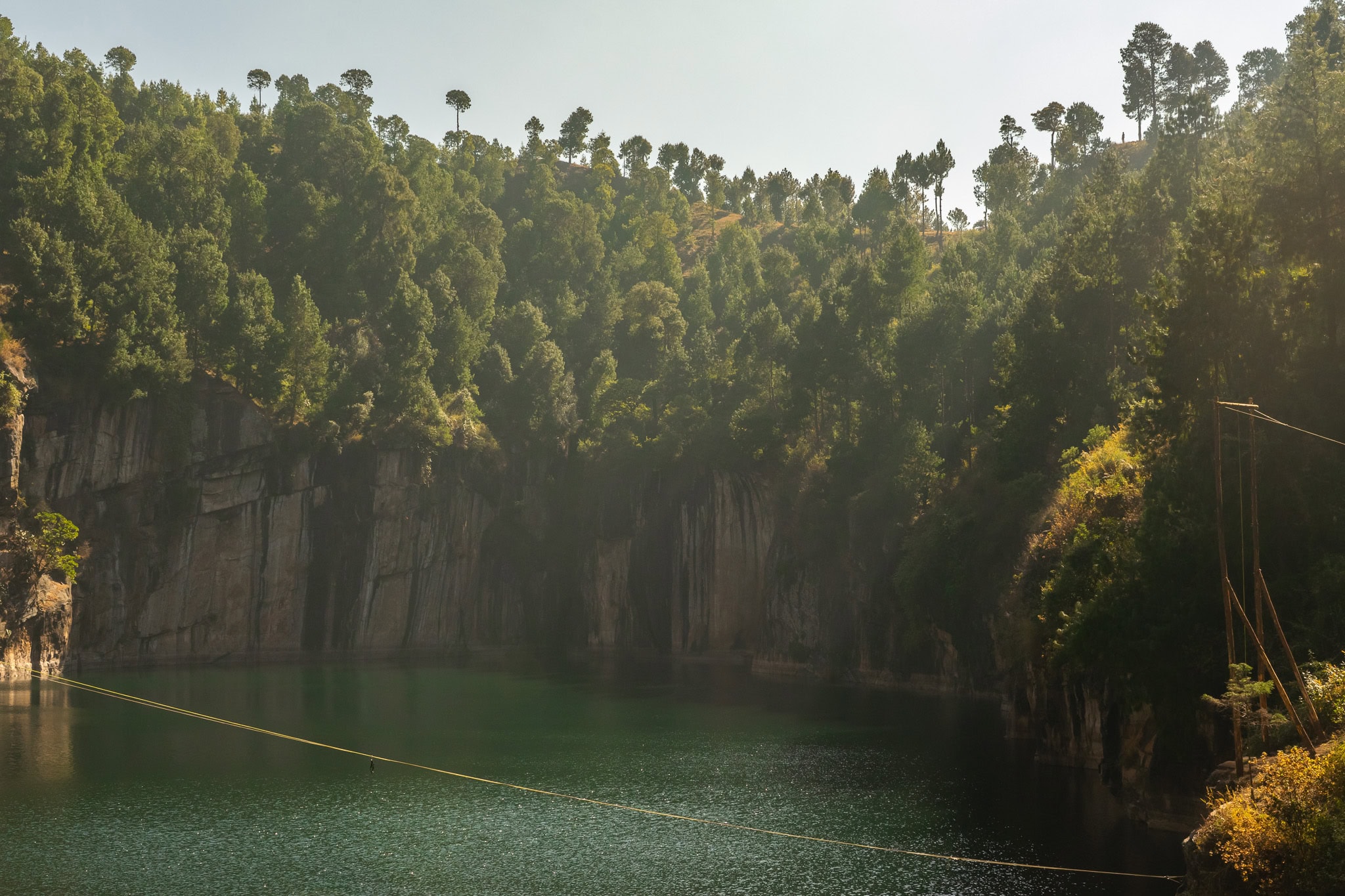
As so often, time by the sea passed far too quickly, and soon we were back in the 4×4, heading toward Antsirabe. There, the travel companion we had met at the very beginning of our journey said goodbye. The three of us continued with Teddy on a cycling tour through the surrounding countryside — my bike was far too small and slightly broken, which made the whole thing even more adventurous. We visited the sacred Lake Tritriva, which formed in a collapsed volcanic crater. A strict fady applies there — a taboo that forbids swimming in the lake. Afterward, we explored the town and the local handicrafts market before continuing into the mountains the next day.
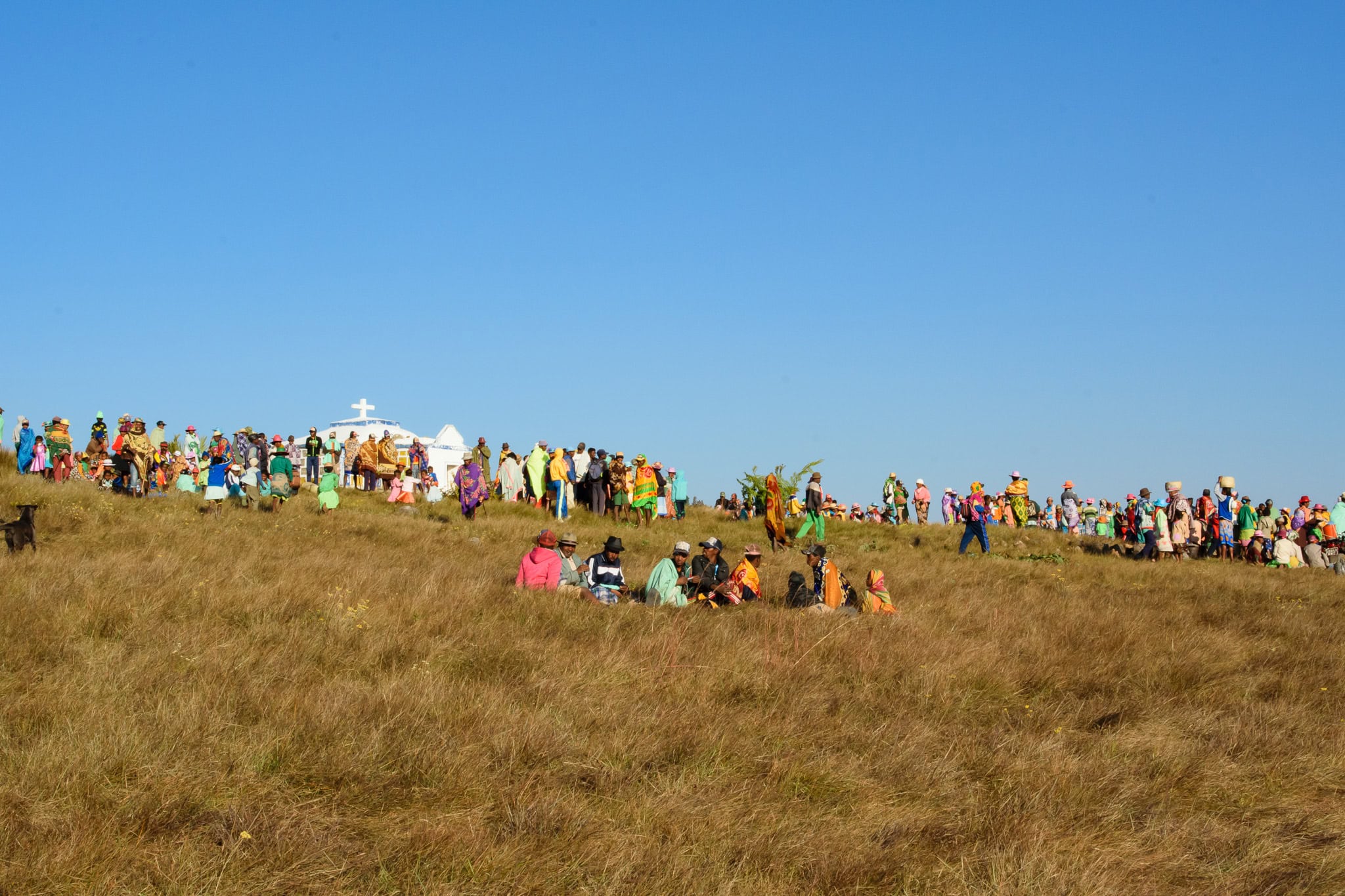
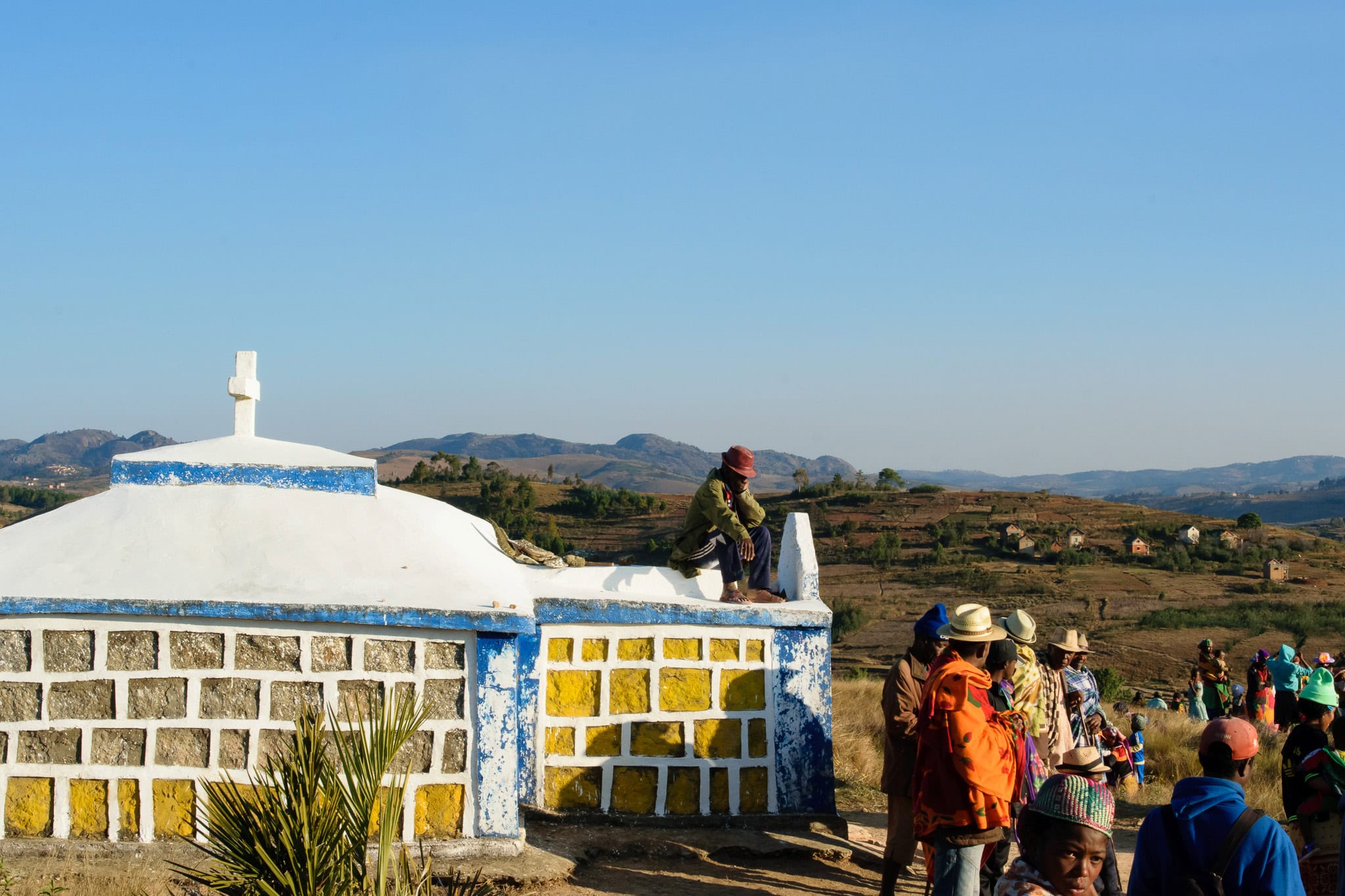
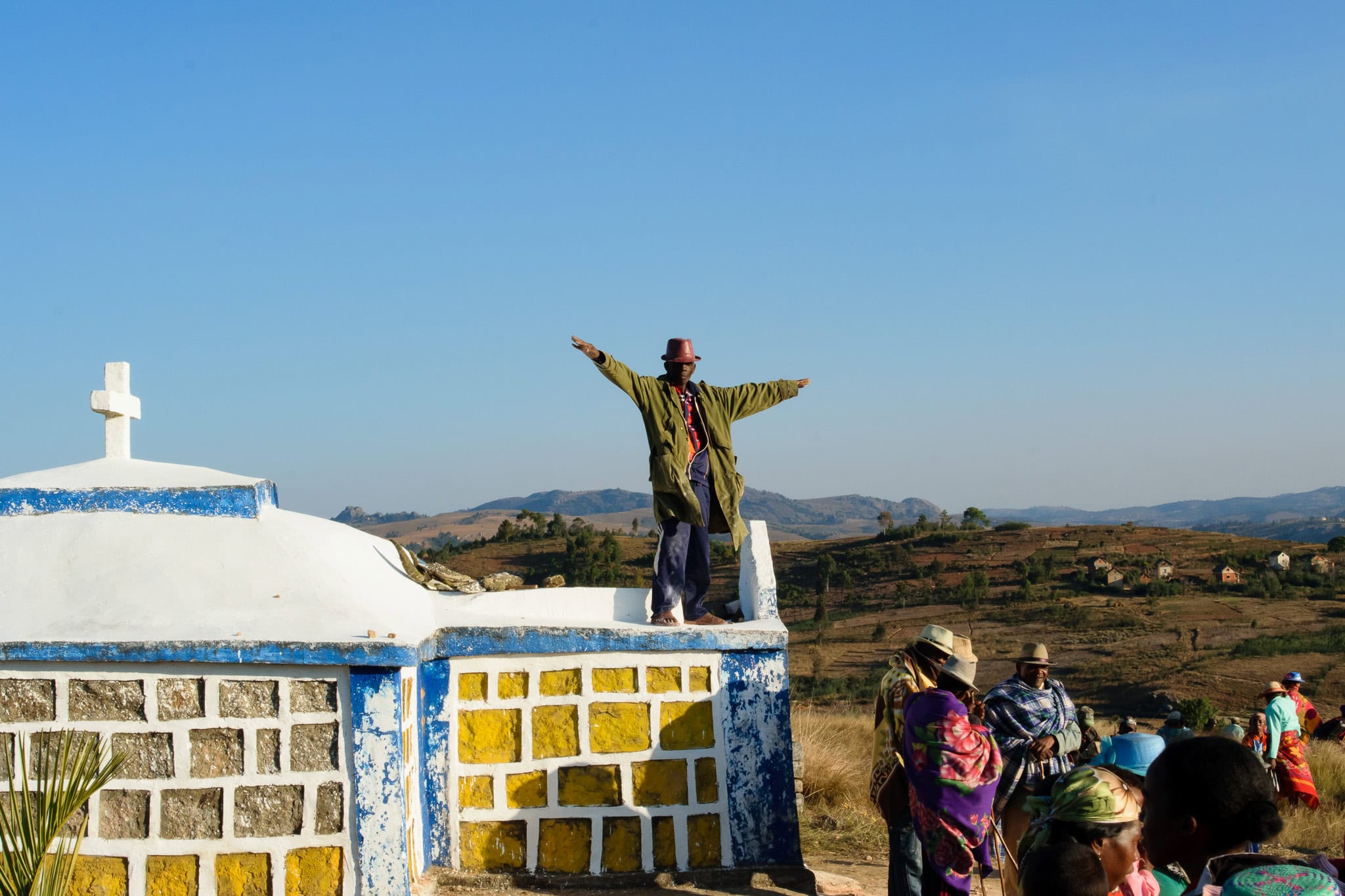
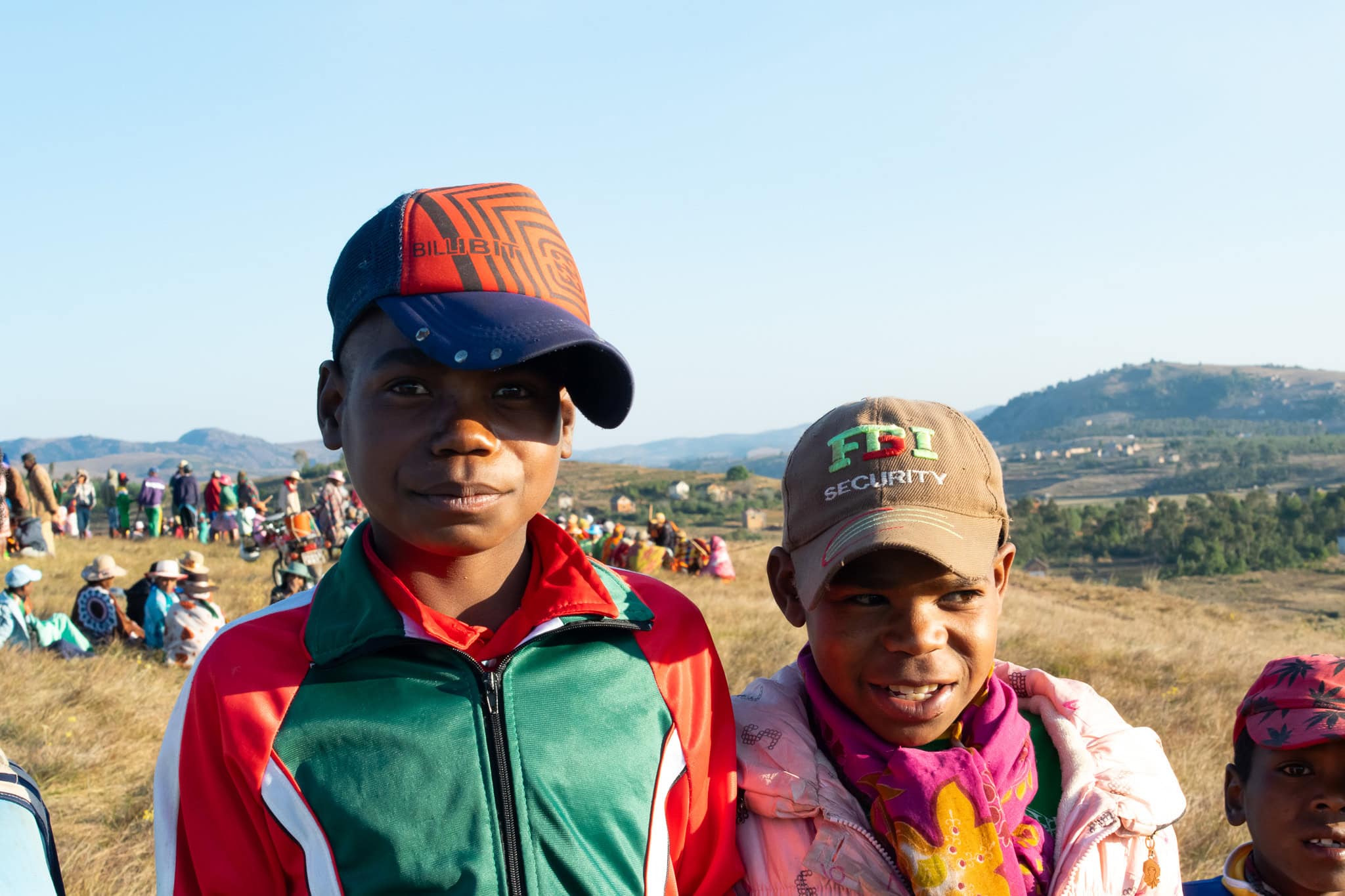
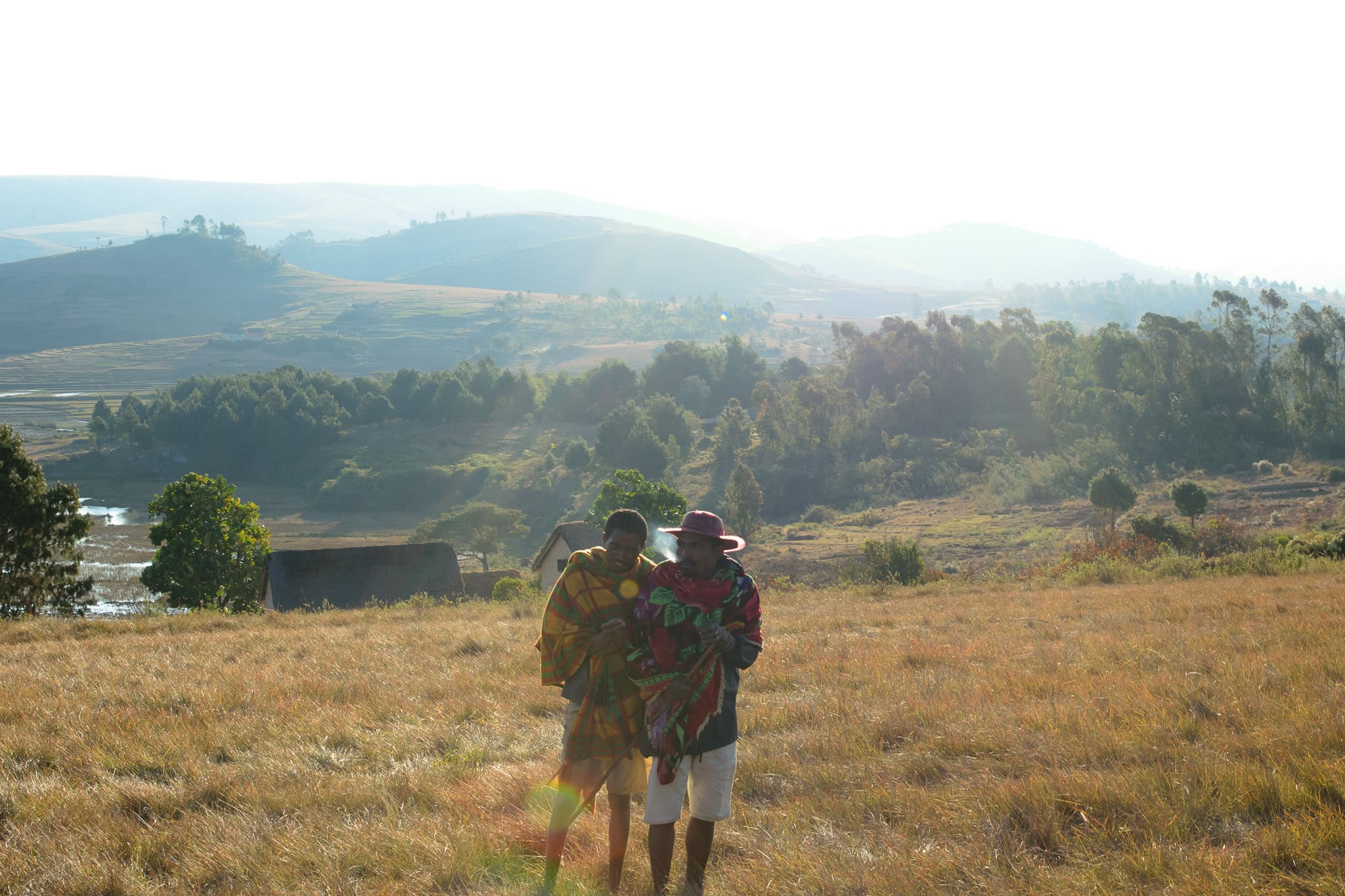
We drove for hours along rolling roads until we reached a remote accommodation consisting of several apartments. The owner urged us to hurry, as something very special was about to take place that evening: a famadihana, a ritual reburial of the dead. In traditional village communities, the remains of ancestors are exhumed at least every ten years, wrapped in new silk cloths, and reburied. This ceremony is closely tied to ancestor worship (razana) and the observance of taboos (fady). The ombiasy, a kind of shaman, maintains spiritual contact with the ancestors and decides on the place, timing, and necessity of the ritual. The celebration serves not only to honor the dead but also to maintain social structures within the respective clan (foko).
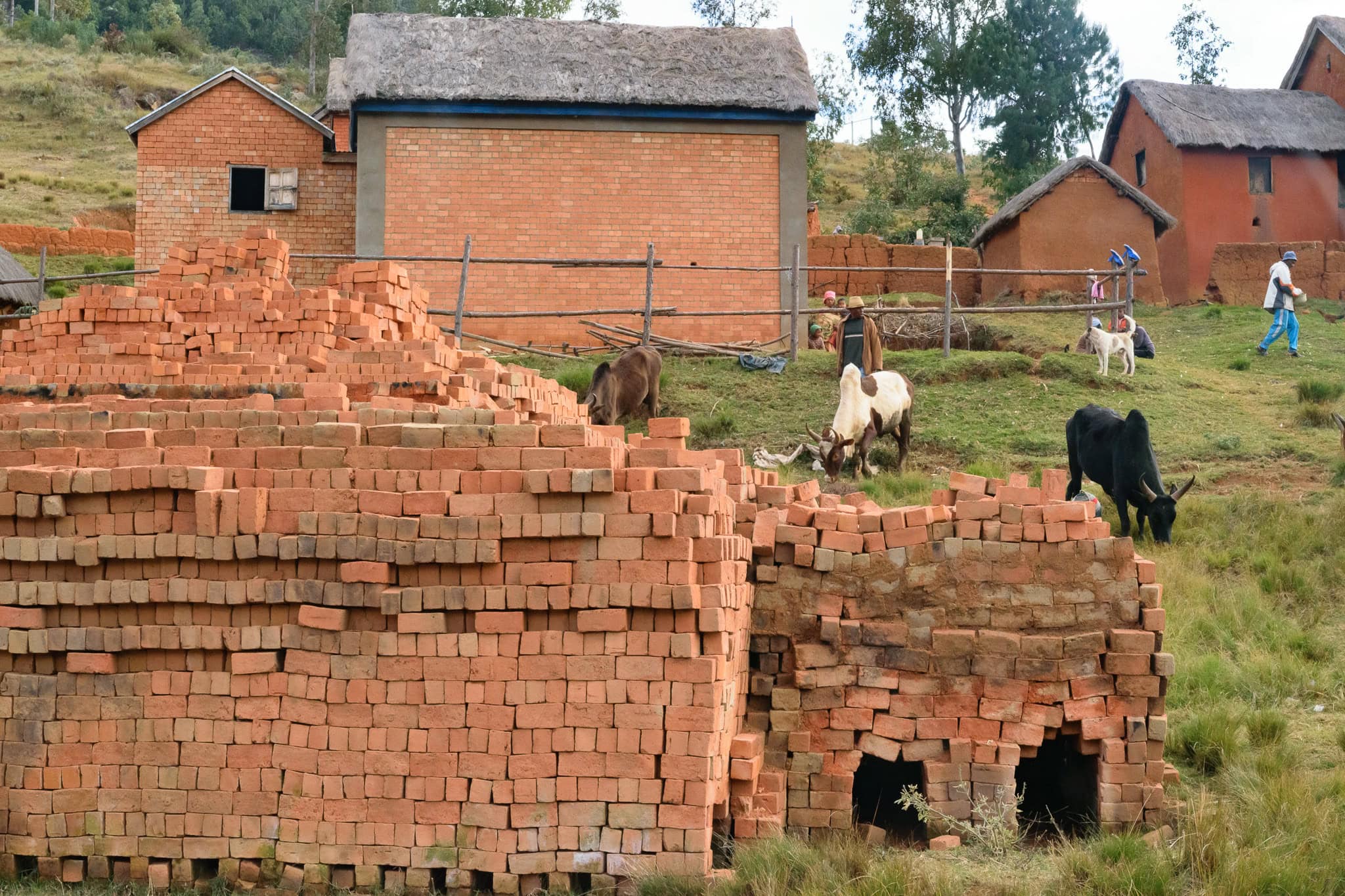
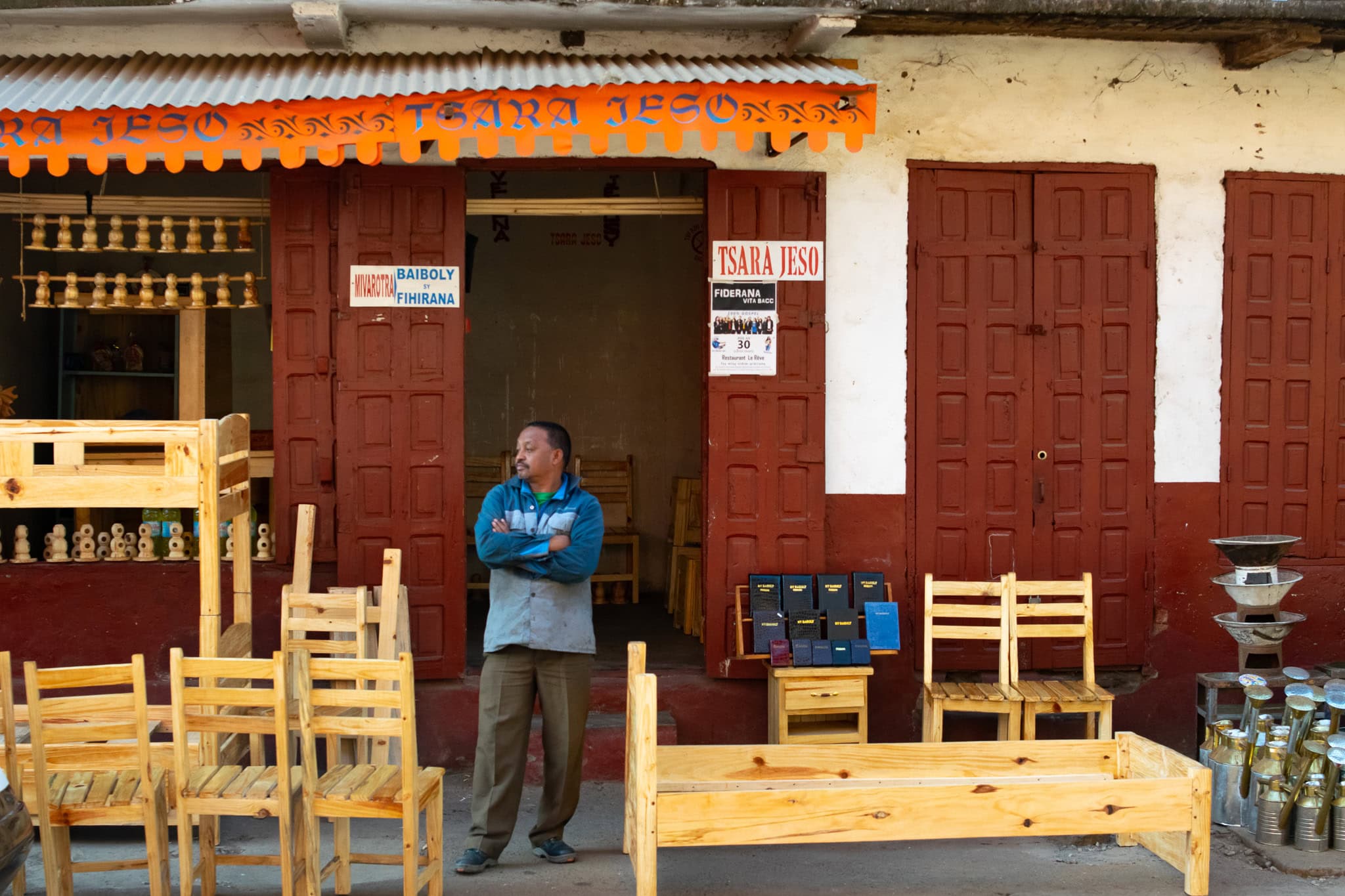
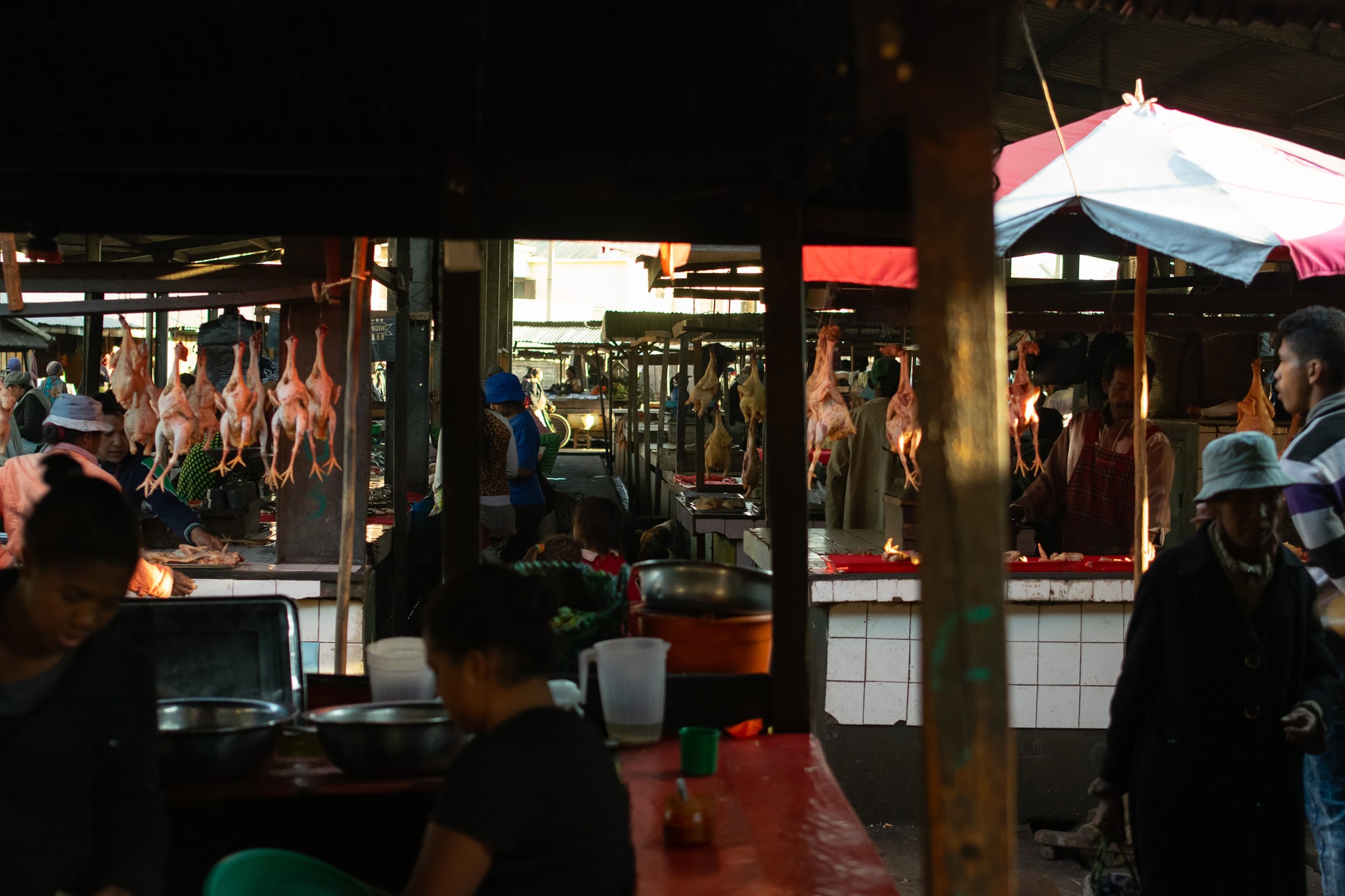
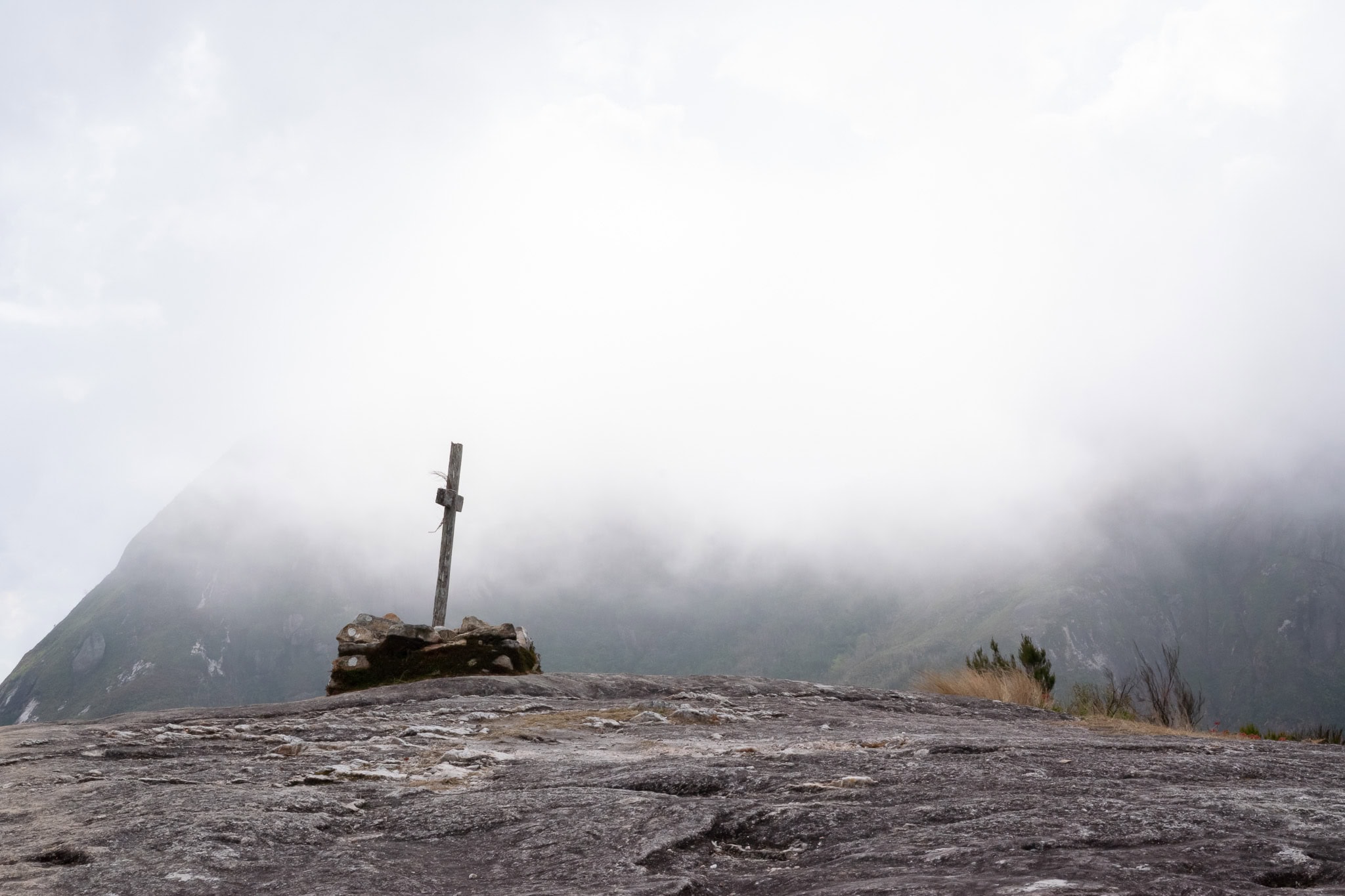
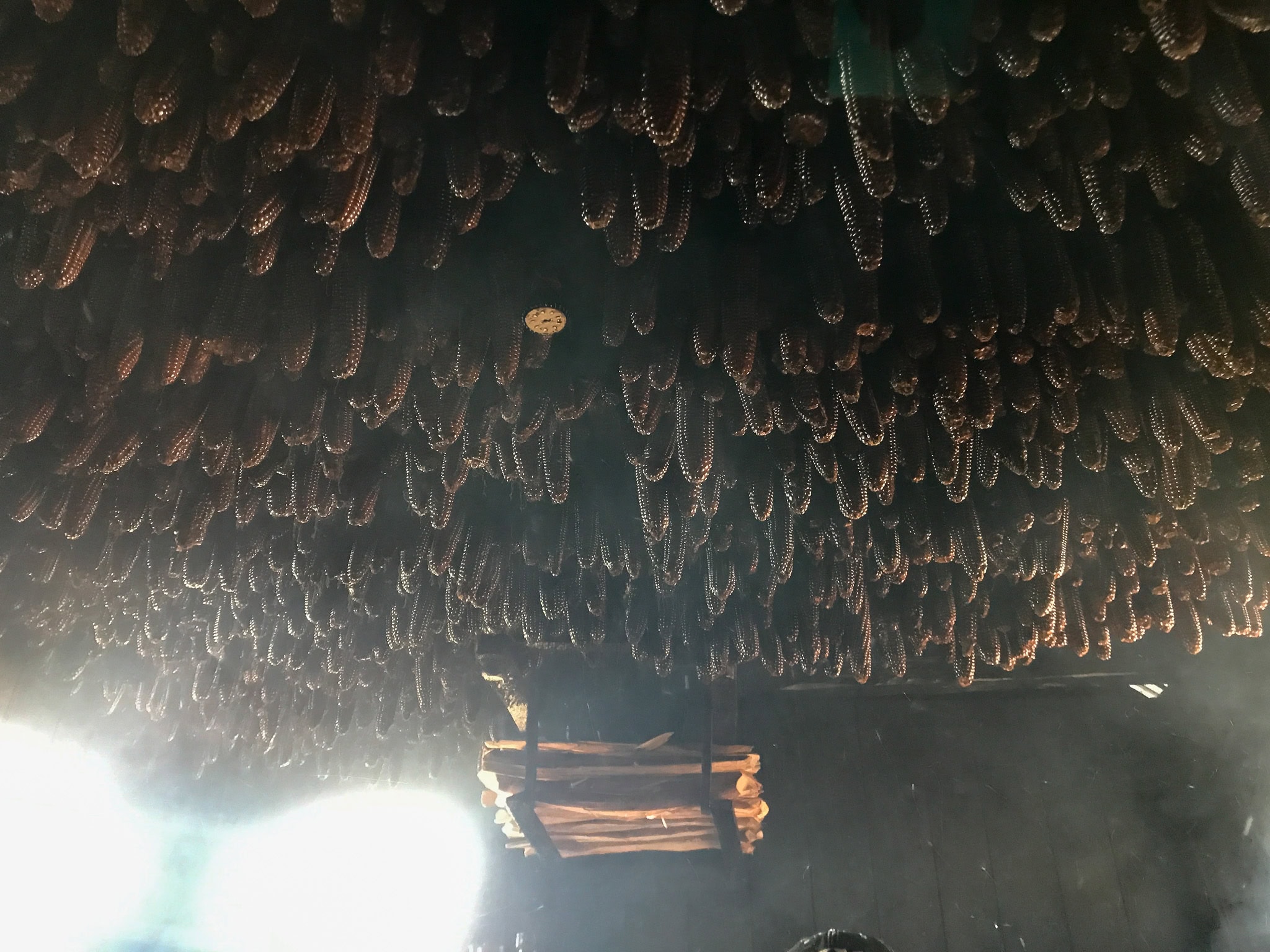
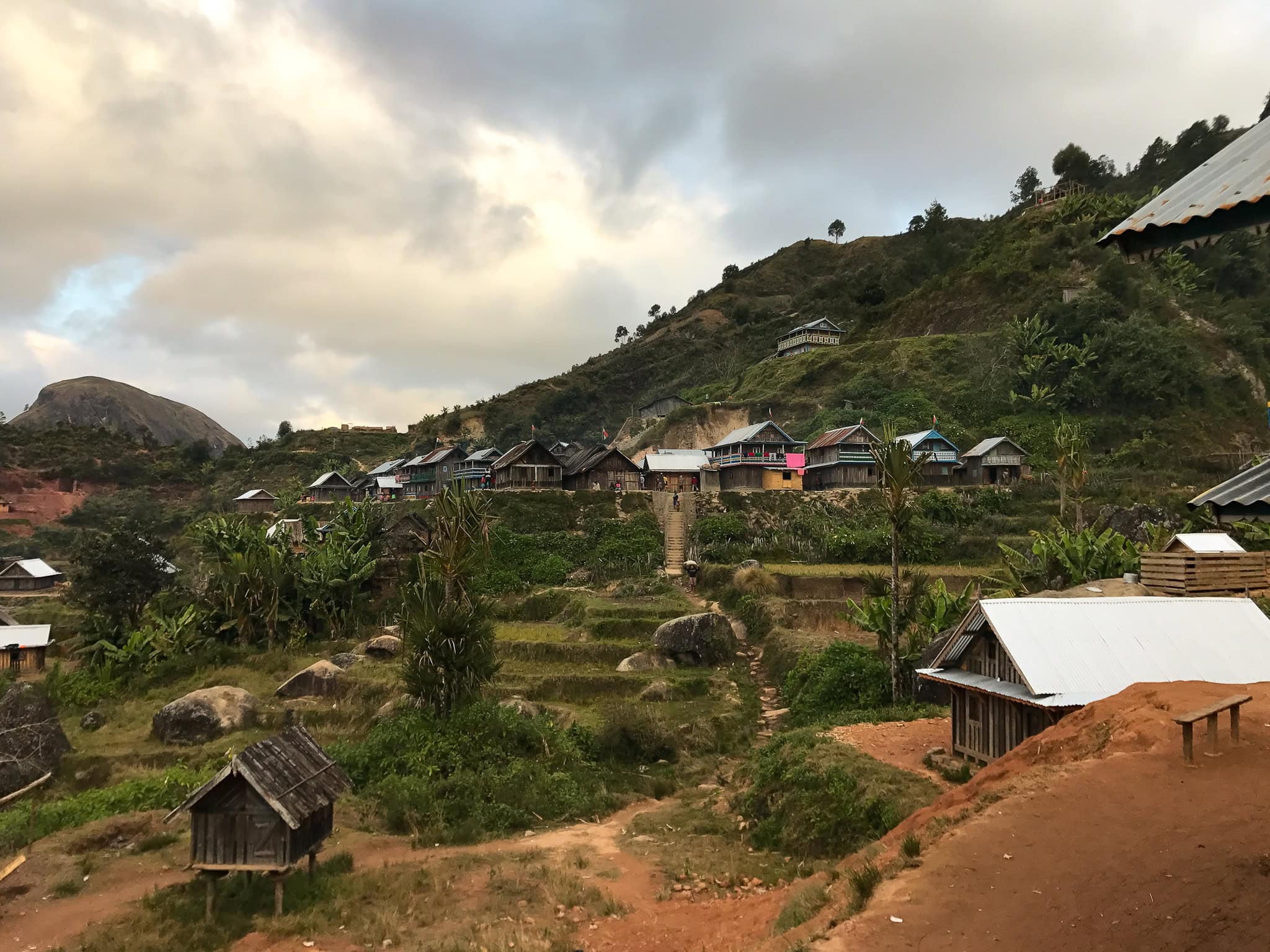
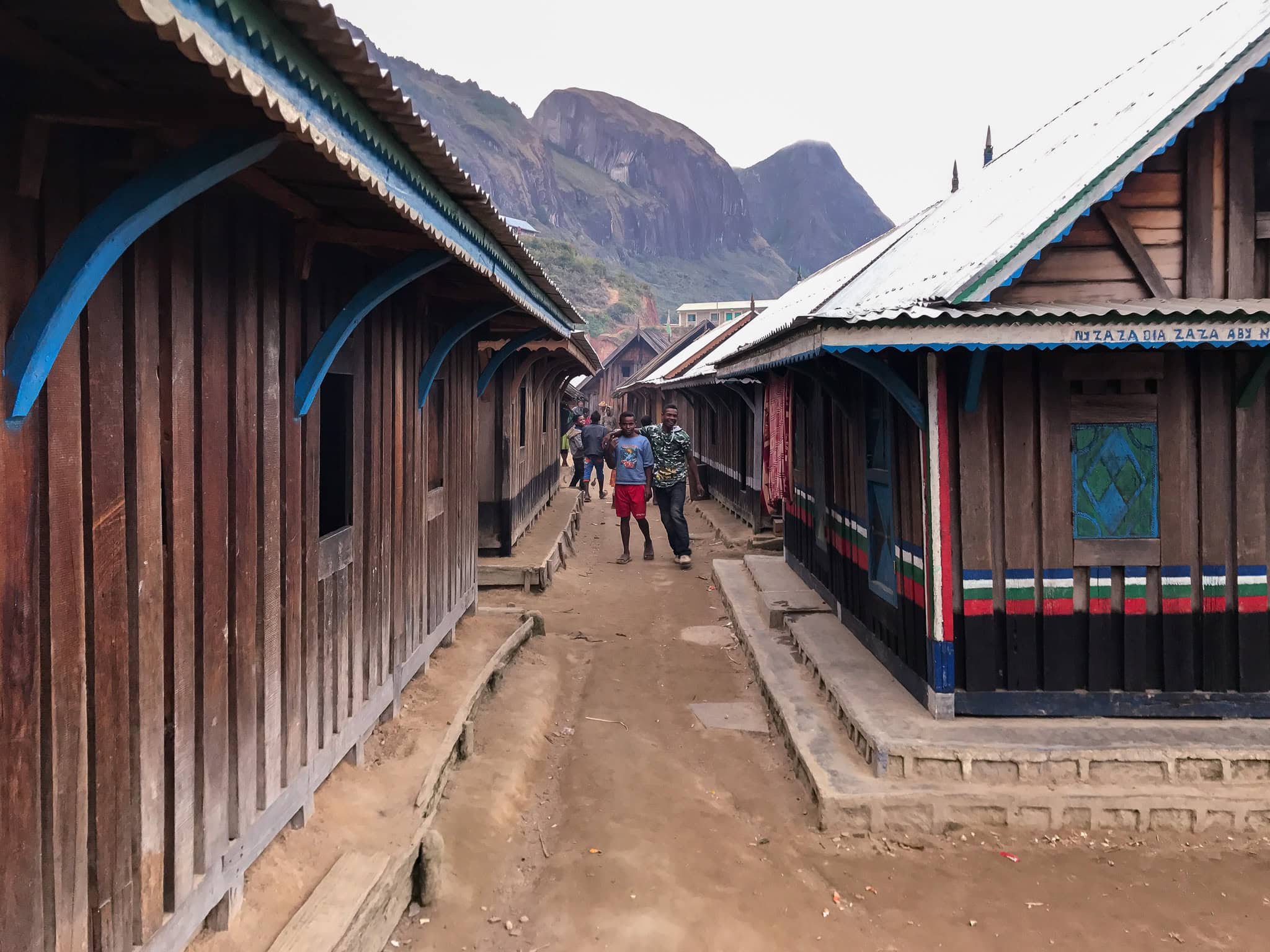
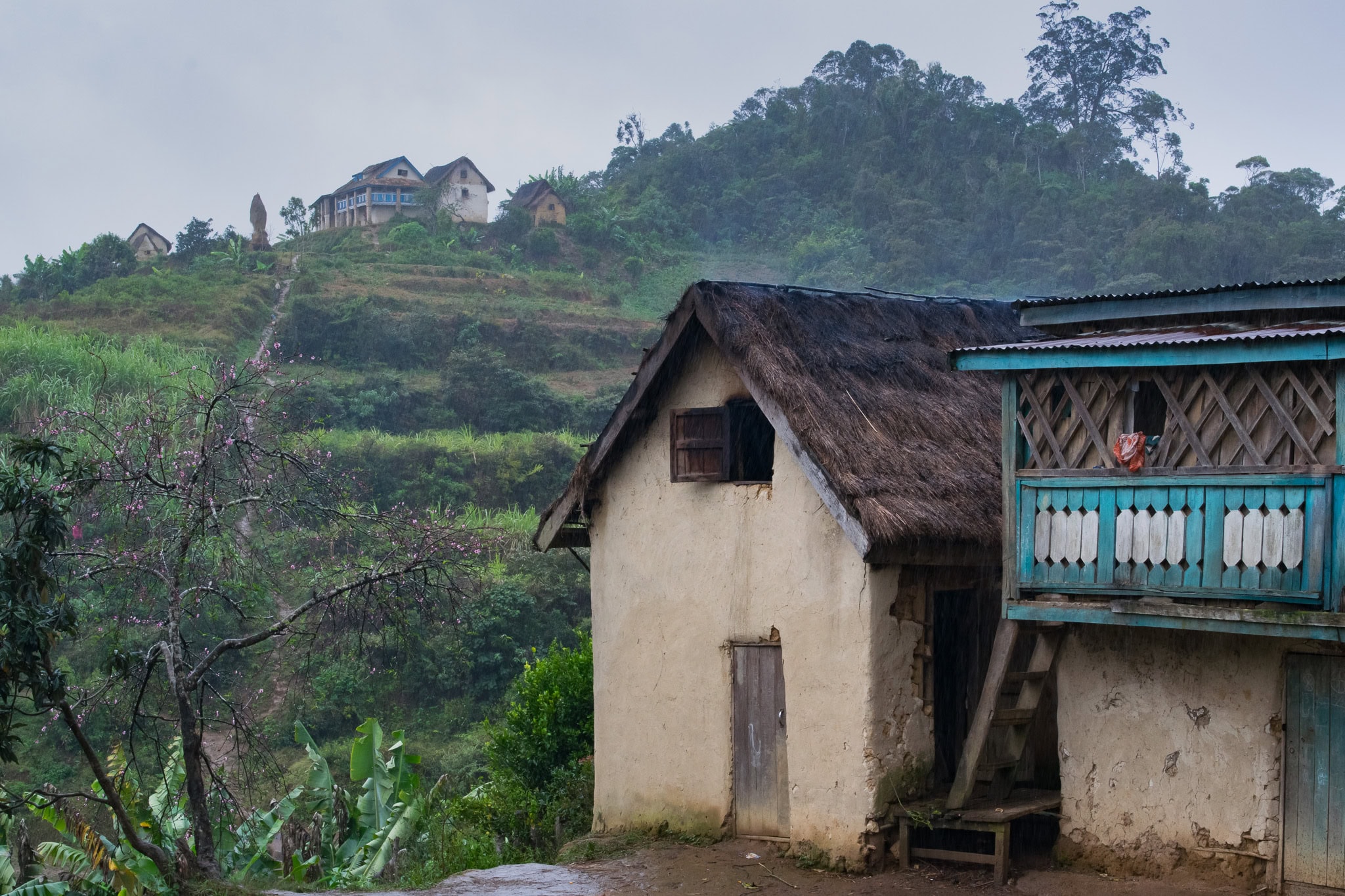
After this extraordinary experience, we returned to the accommodation, where there was music and homemade rhum arrangé. The next morning, we set off on an eight-hour hike through the mountains to a remote village. Completely exhausted, we arrived — only to be immediately overwhelmed by new impressions. We were introduced to the village chief and asked for permission to stay overnight. I was asked to kill a chicken, which was later served to us half-raw. Meanwhile, the entire village gathered around us. The chief lived in a larger hut filled entirely with smoke from an open fire — our eyes watered constantly as we sat on the ground, spoke with him, and presented a small financial gift. We learned how traditional huts are strictly aligned with the cardinal directions and that each kitchen has its own chicken coop right next to it.
After all these impressions, we finally collapsed into bed, completely exhausted — but the combination of fatigue and undercooked chicken would catch up with me during the night. The hike back the next day turned into a real ordeal.
KING JULIEN FROM “MADAGASCAR”
After leaving the remote village and the exhausting hike behind us, I was able to use half a day at the lodge to regain my strength. The next day, we continued toward Isalo National Park. But first, there was a farewell: my oldest friend Bernhard began his journey back to Vienna — from that point on, there were only two of us left on the road.
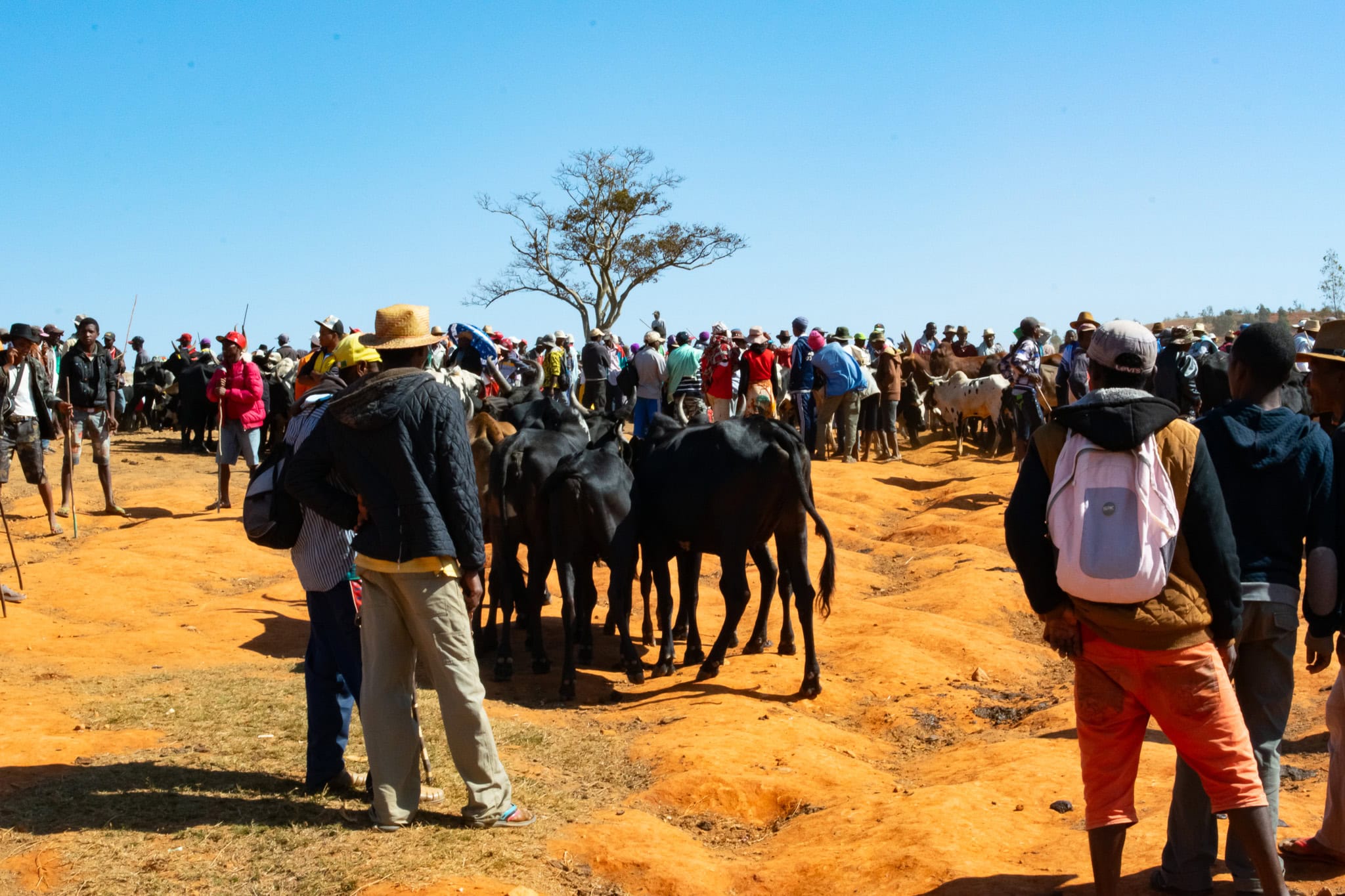
Our first stop was Fianarantsoa, a small and picturesque town. However, there wasn’t much to see there — apart from a rather unspectacular bath built around hot springs — so we continued directly on to Ranohira the following day. Along the way, we experienced two particularly exciting moments: a visit to a traditional zebu market and a stop at the Anja Community Reserve. In the afternoon, we also passed an impressive bushfire.
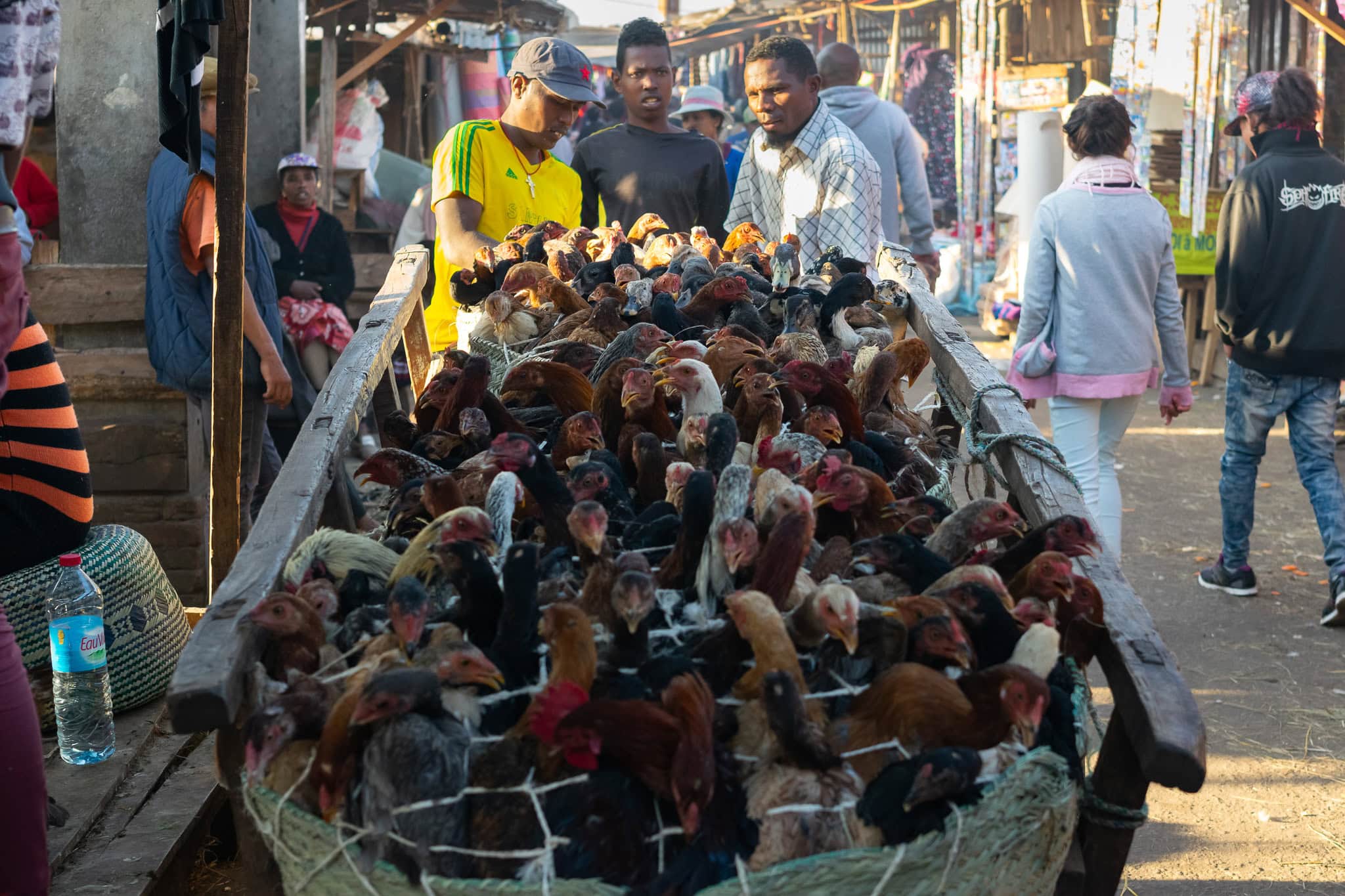
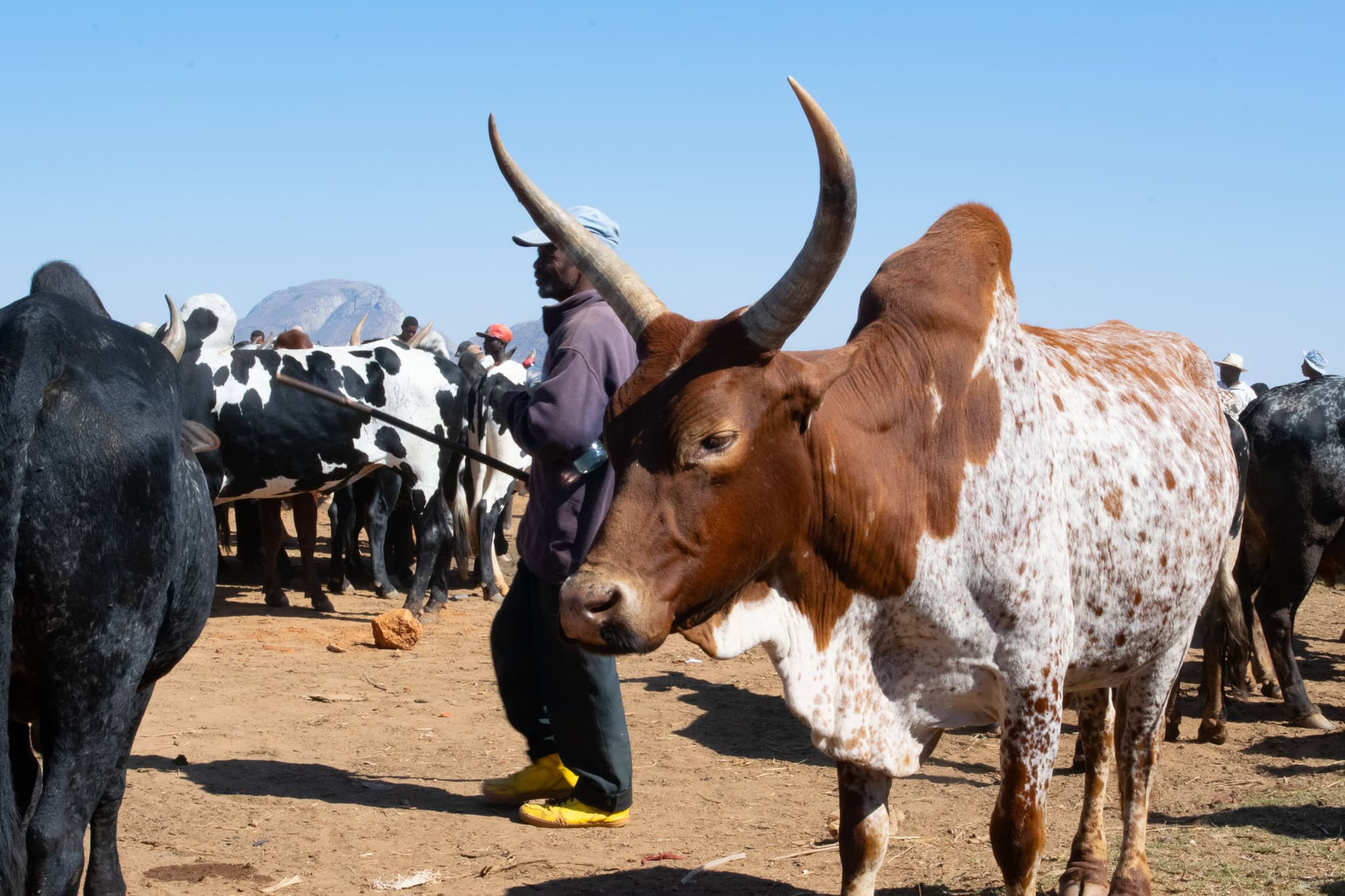
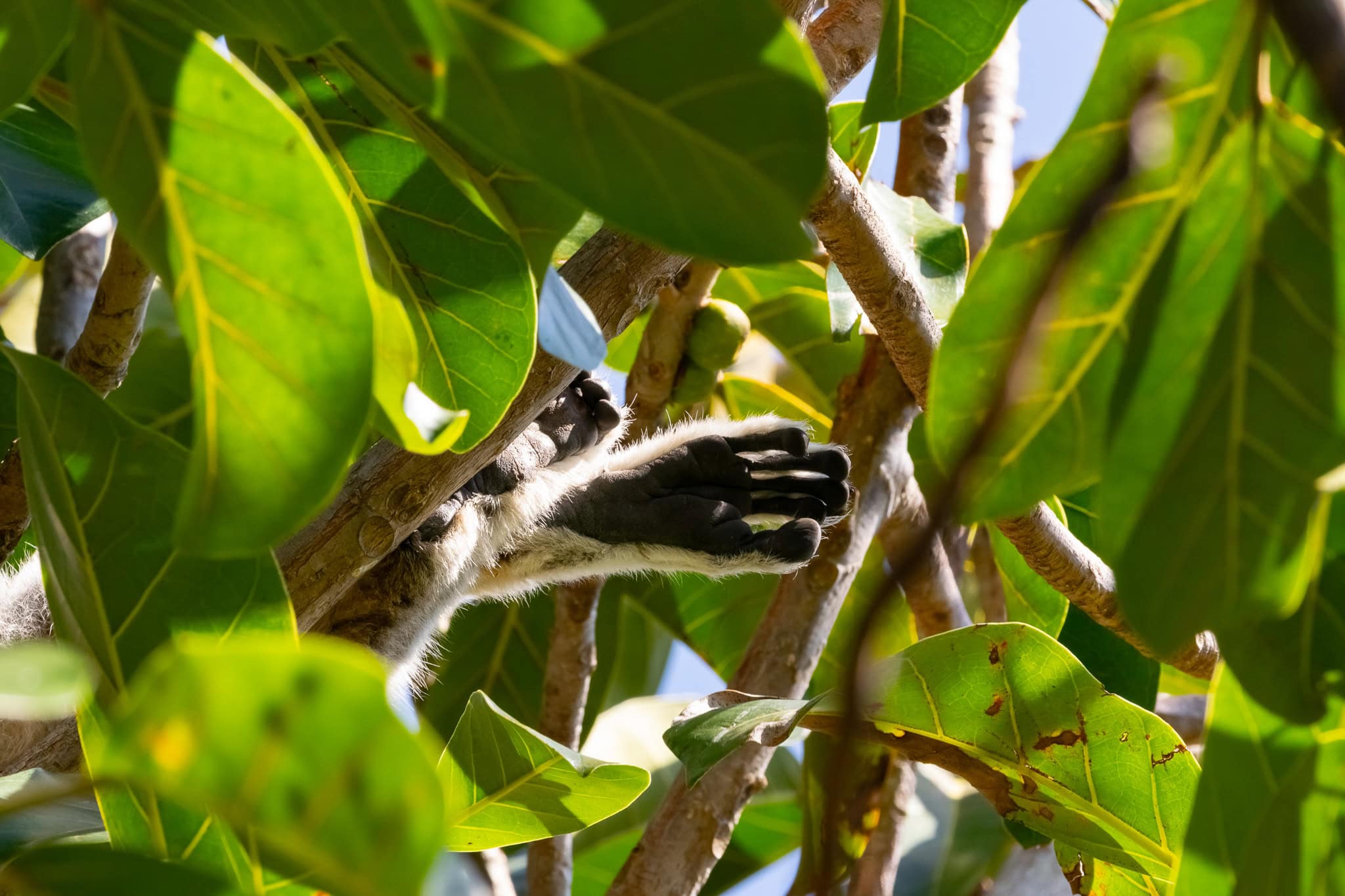
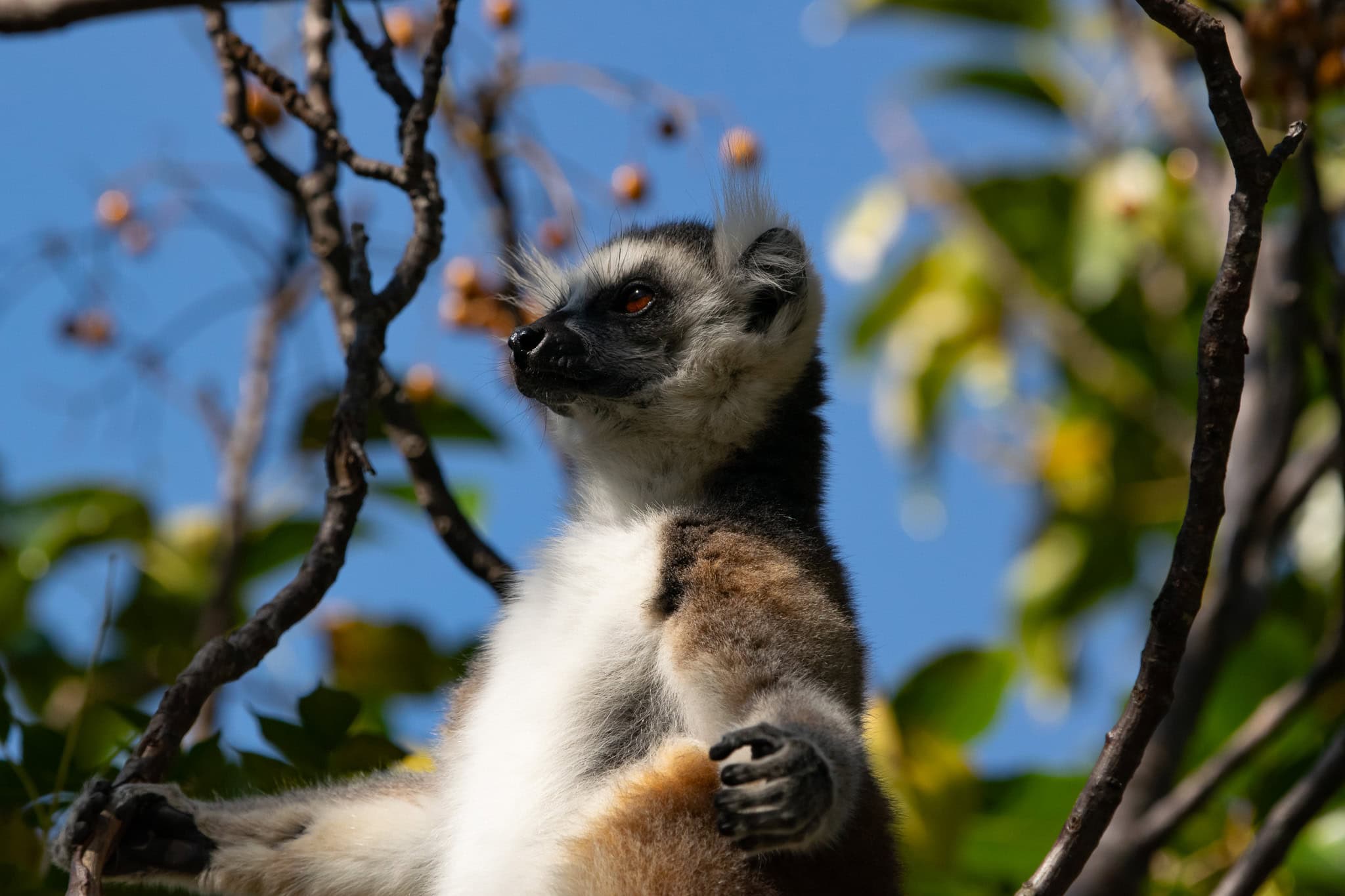
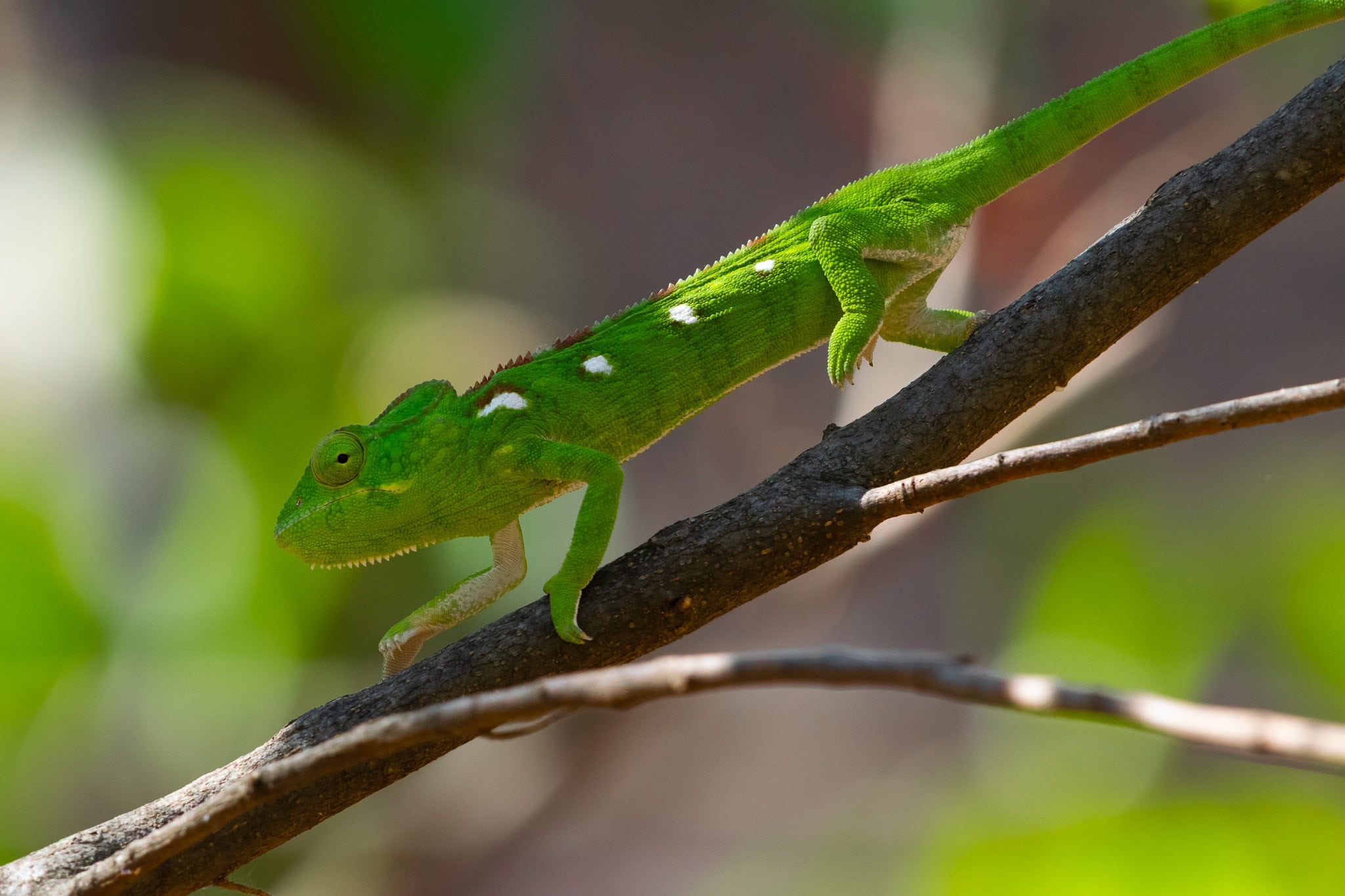
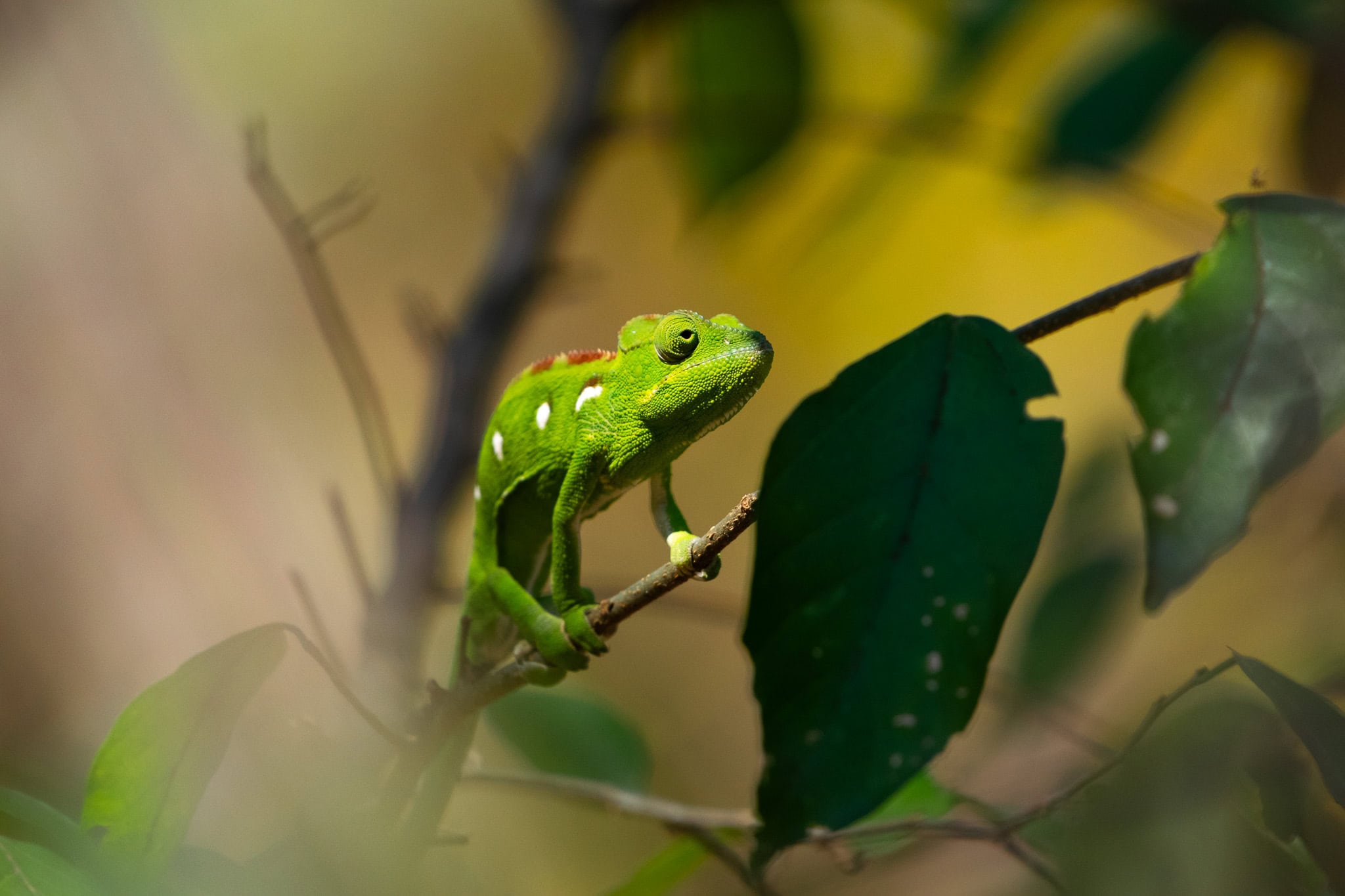
The zebu market consisted of a huge fenced area where hundreds of people and what felt like just as many zebus (Bos indicus) had gathered to trade. The atmosphere was busy and chaotic — a fascinating glimpse into rural life in Madagascar. At the Anja Community Reserve, we encountered ring-tailed lemurs (Lemur catta) in the wild for the first time. Of course, we knew these lemurs from the Madagascar film series, so the excitement was especially high when we suddenly found ourselves surrounded by dozens of them. They leapt around us, rested in the trees, and watched us with curiosity. We also spotted several juvenile giant chameleons (Furcifer oustaleti) among the branches.
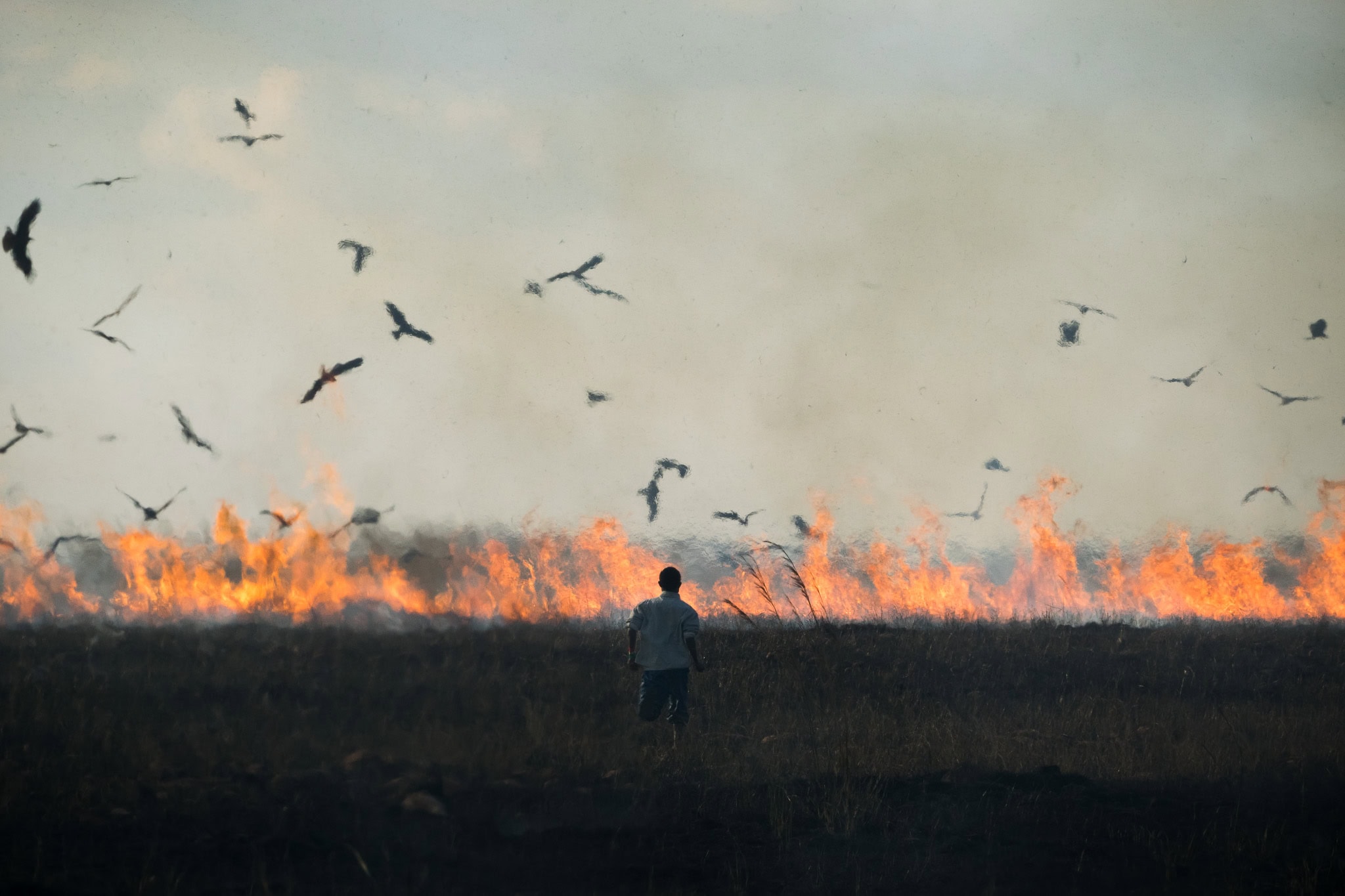
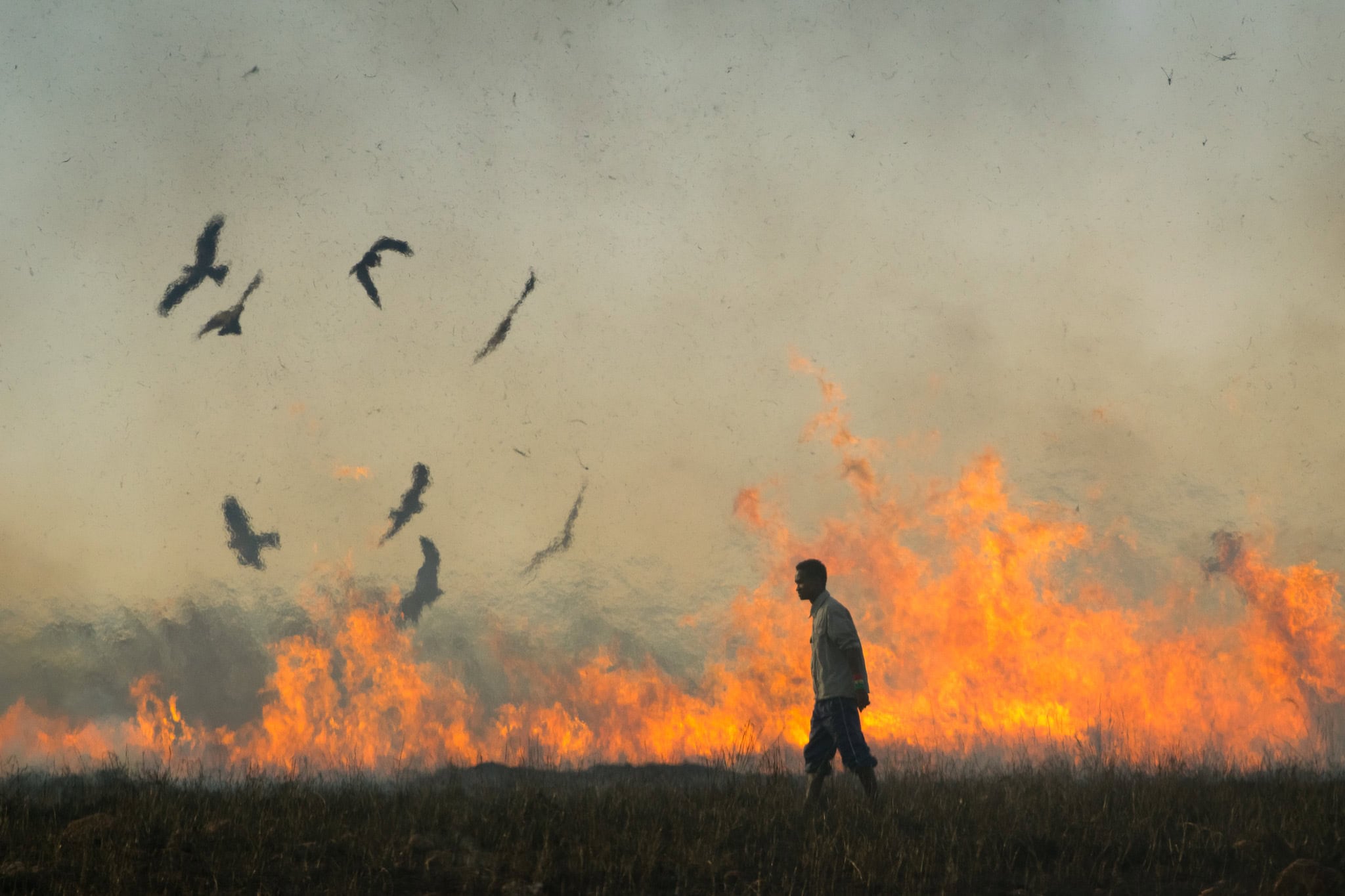
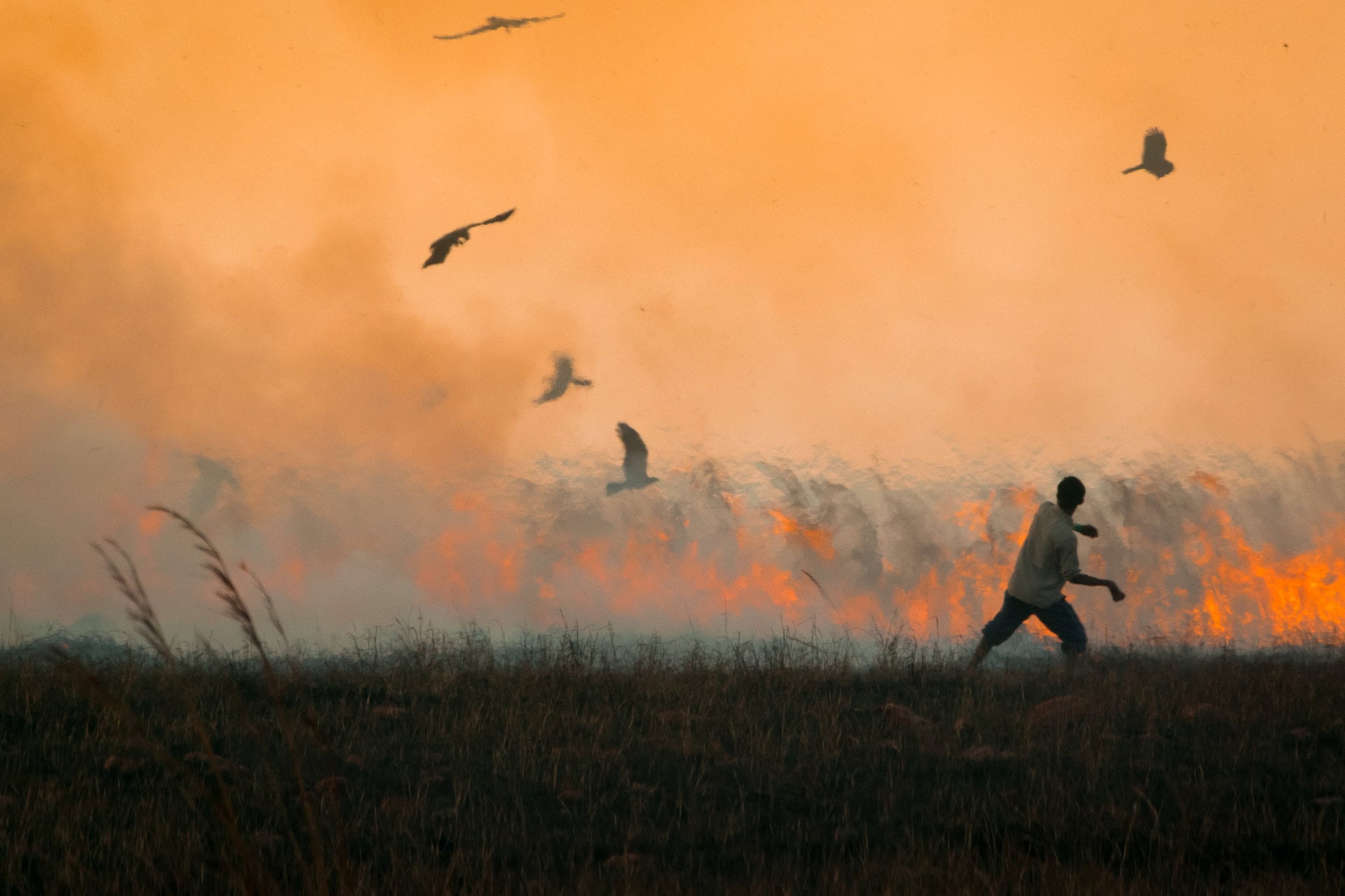
The most unforgettable moment of the day, however, was the bushfire we passed along the roadside shortly before reaching Isalo National Park. Several people — presumably farmers — stood calmly nearby, watching the controlled burning of their fields. The sky was hazy with smoke, and flocks of birds of prey cut through the shimmering air, hunting insects flushed out by the flames. The scene was both unsettling and mesmerizing. We stayed inside the car and managed to take some striking photos. In this region, bushfires are commonly used as an agricultural method to restore soil fertility.
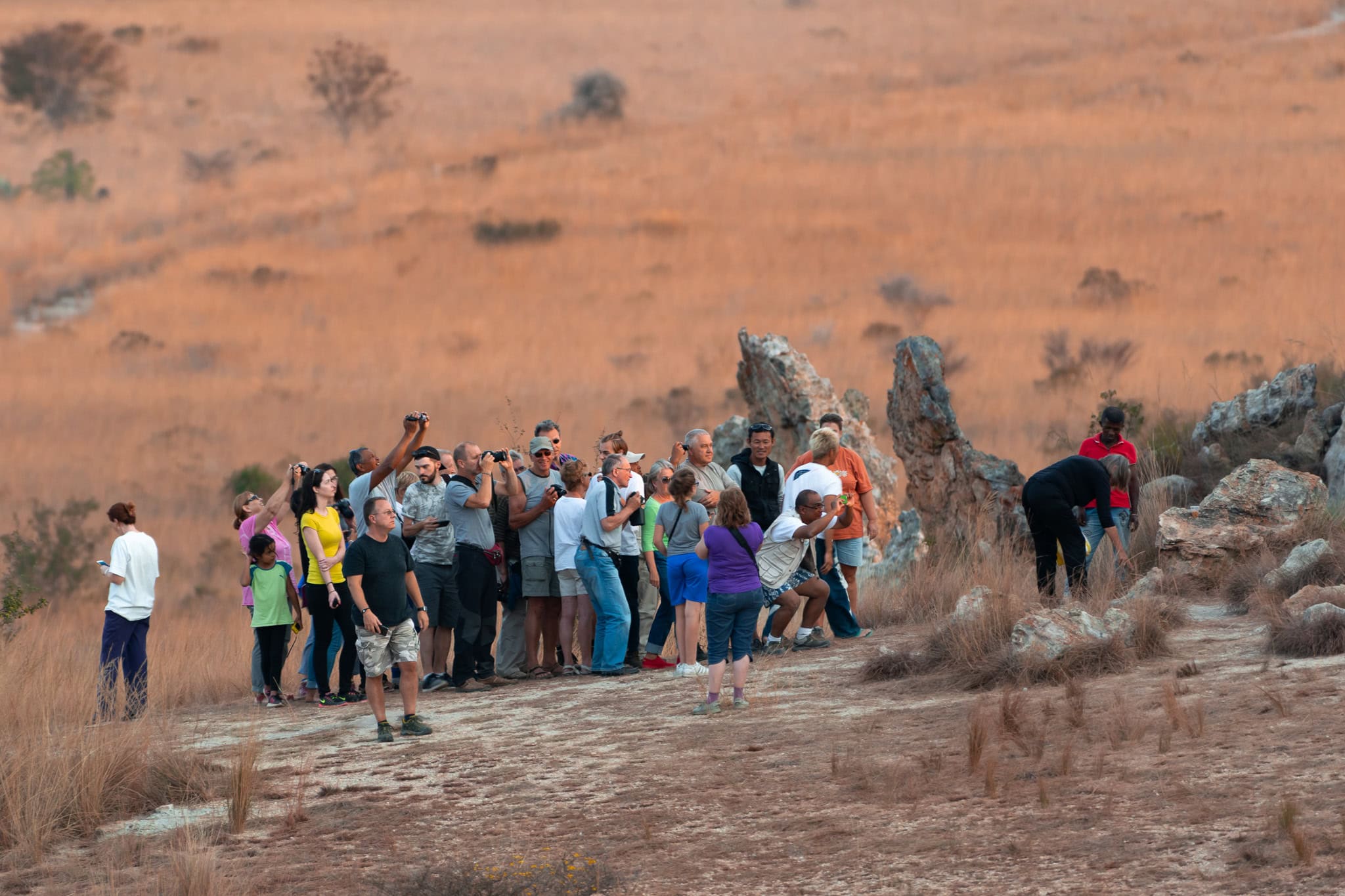
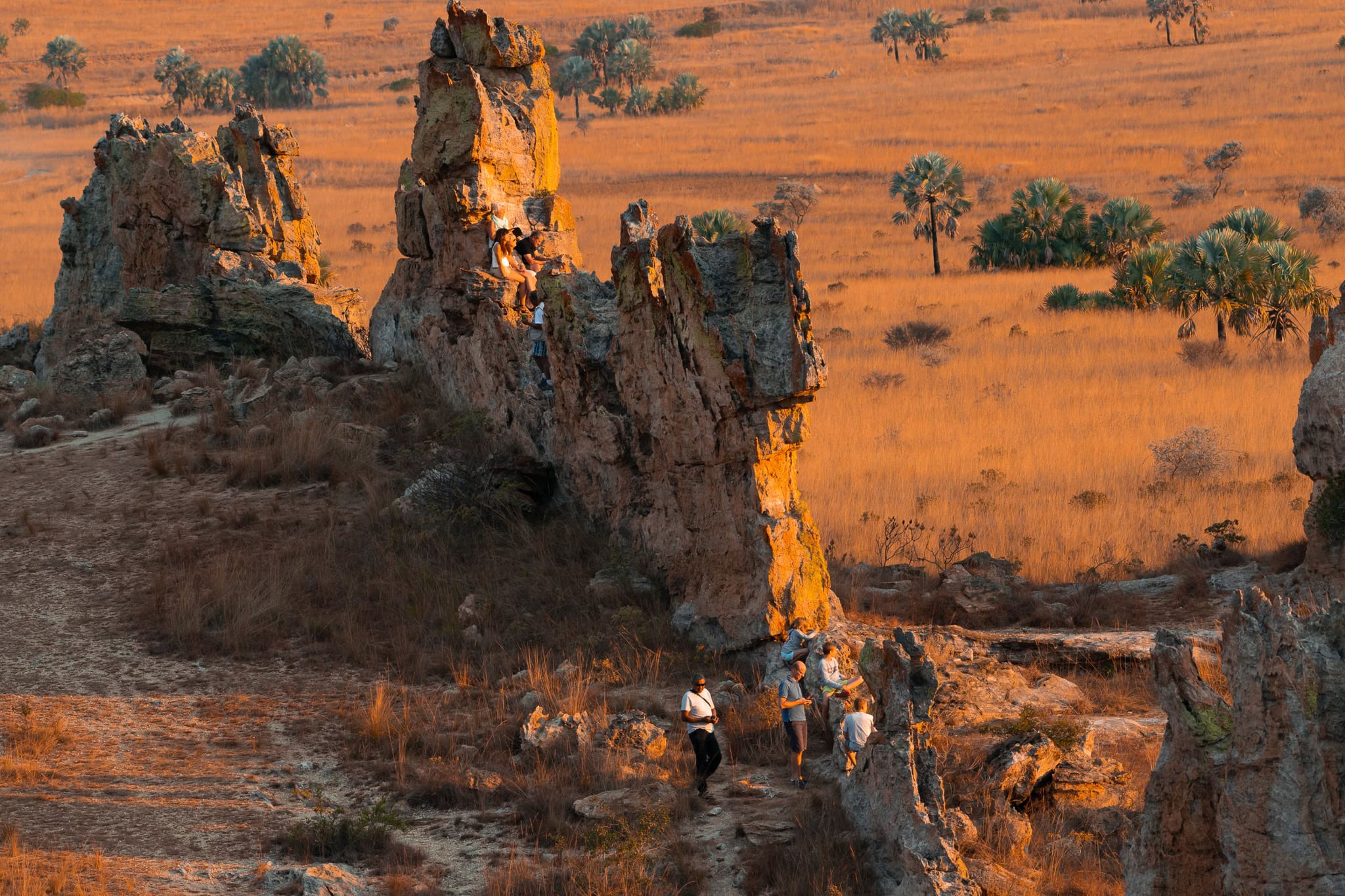
To end the day, we visited the so-called “Eye of Isalo” — a remarkable rock formation where the setting sun shines perfectly through a natural hole in the stone. What a day.

AN OLD SWISS TRAIN & AN OLD RED BRIDGE
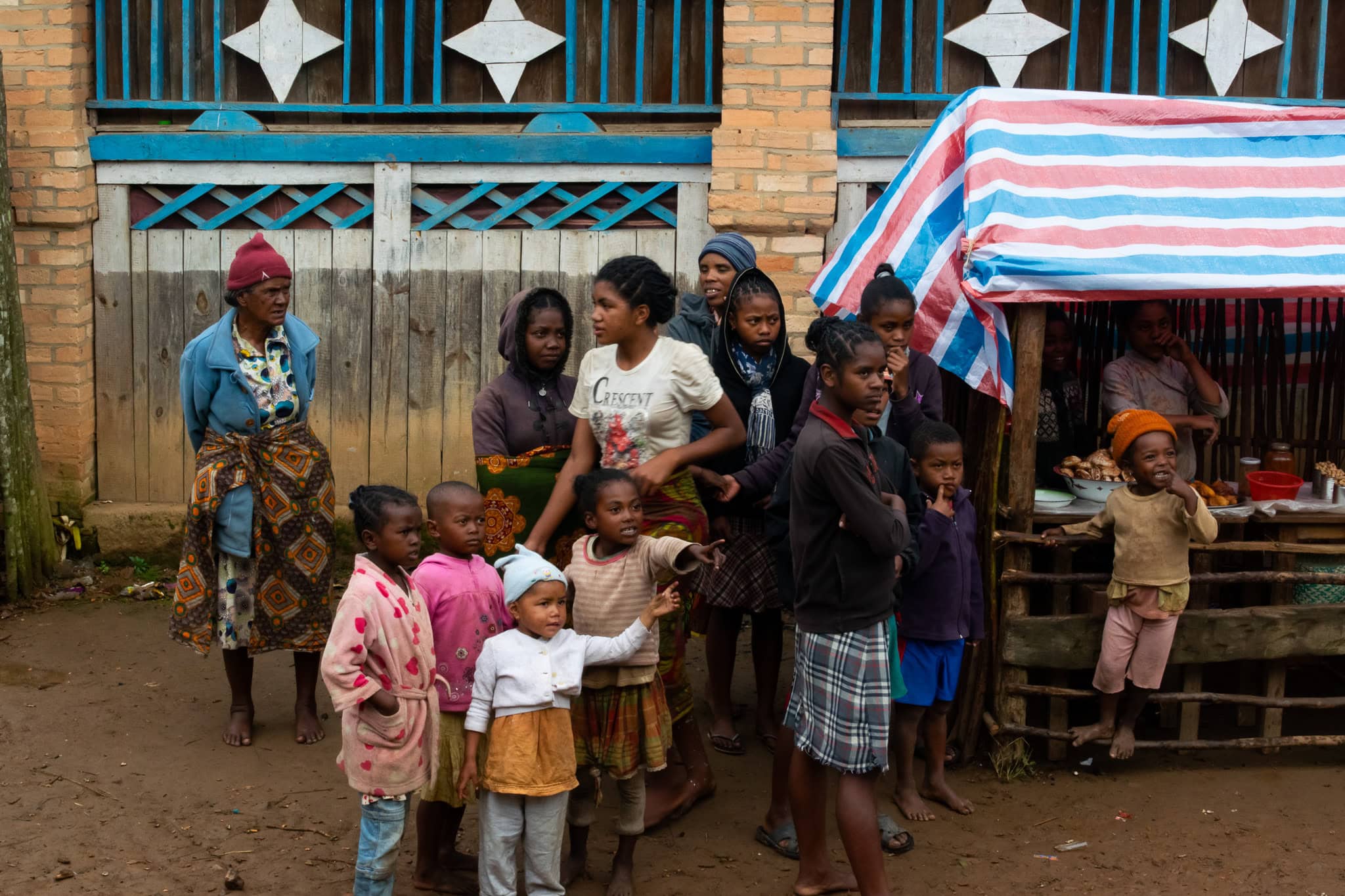
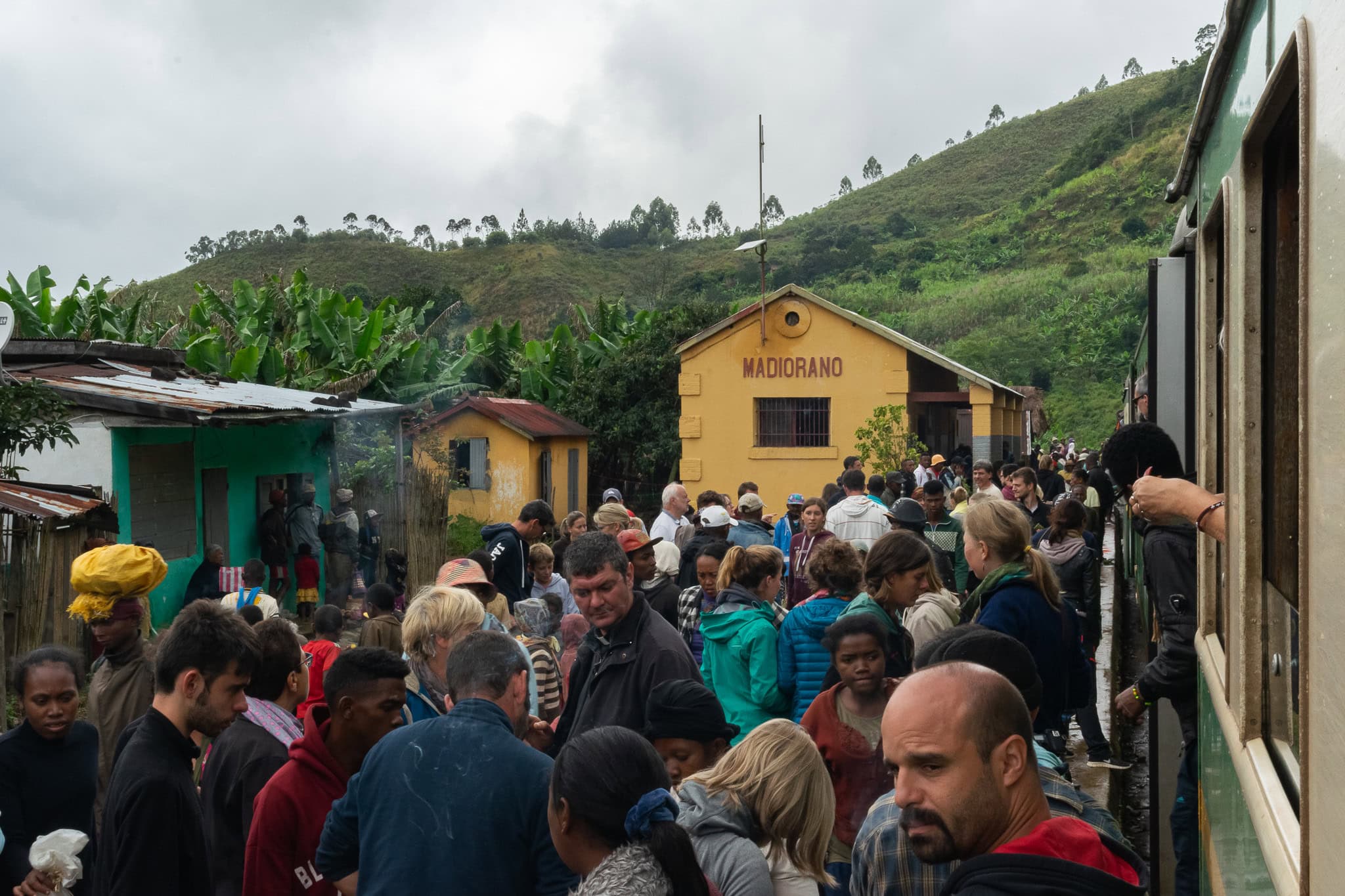
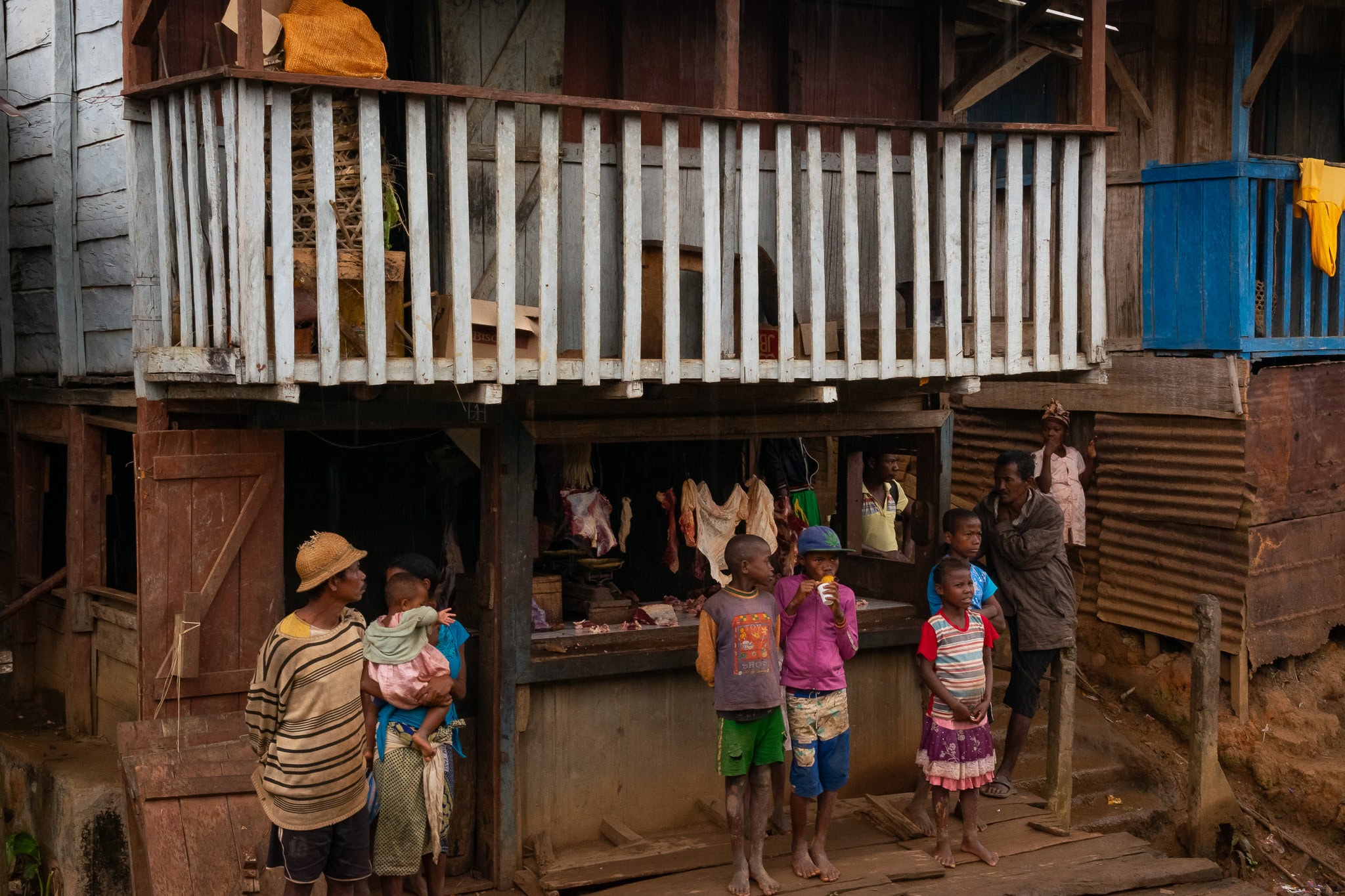
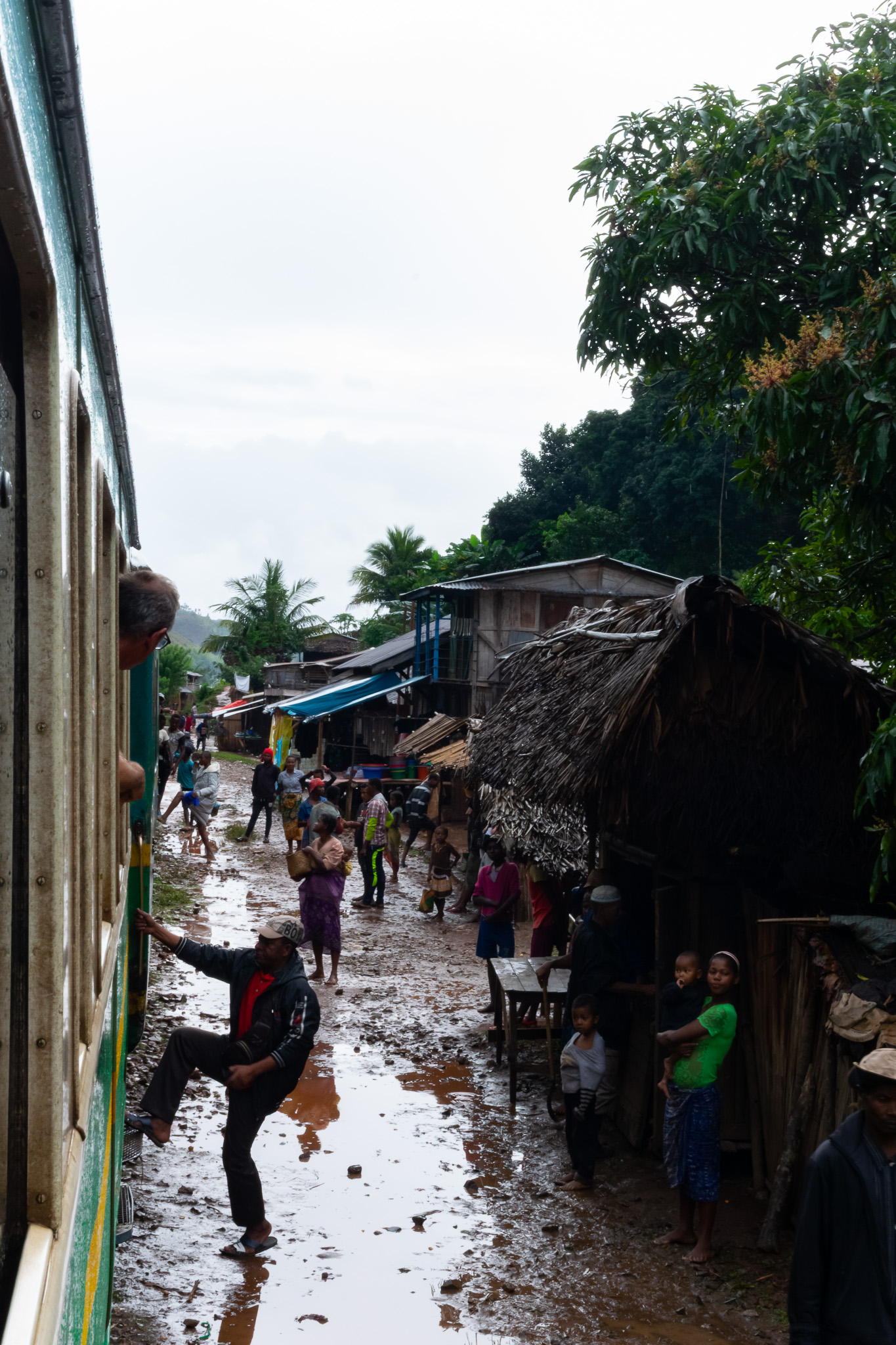
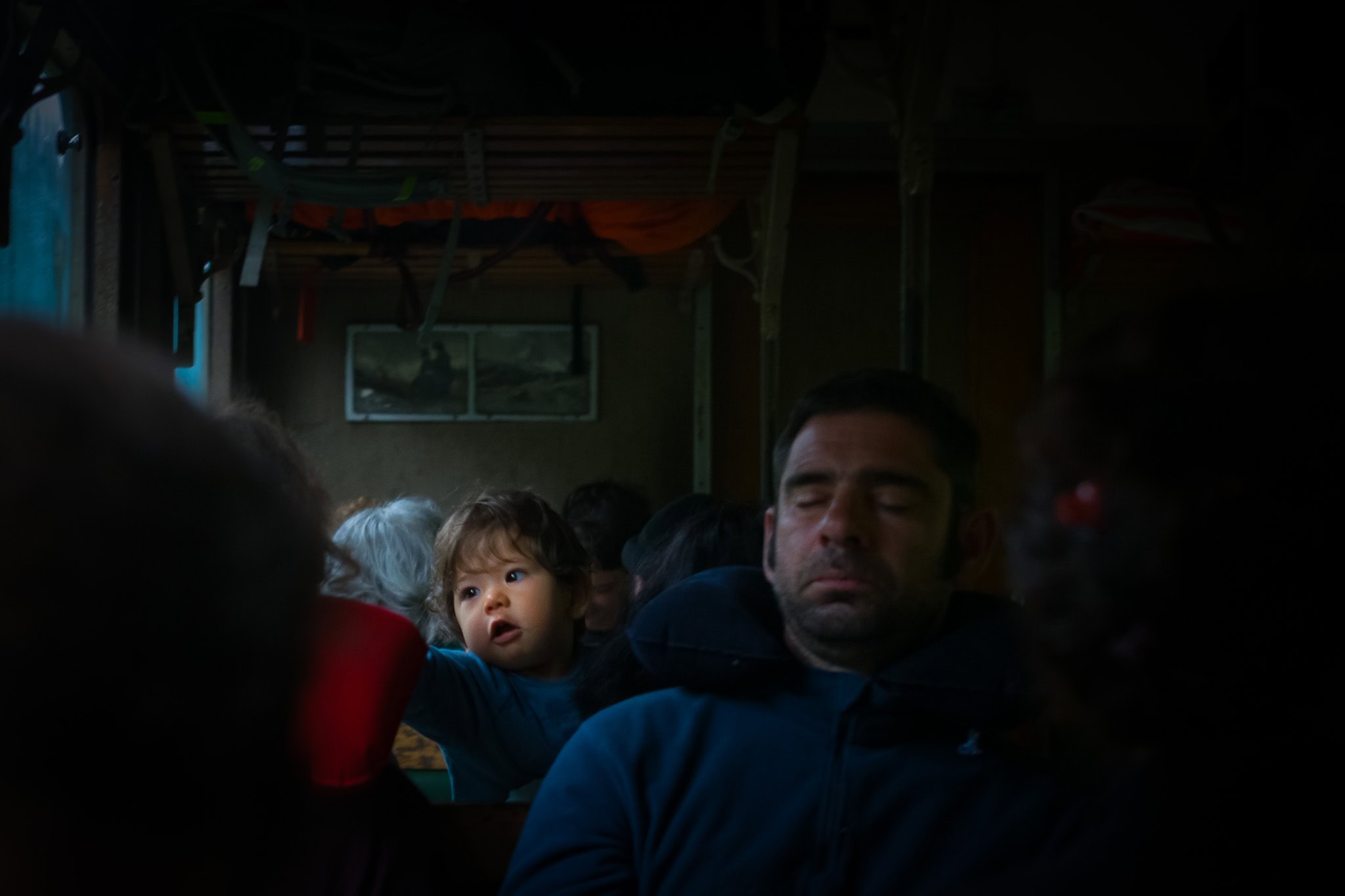
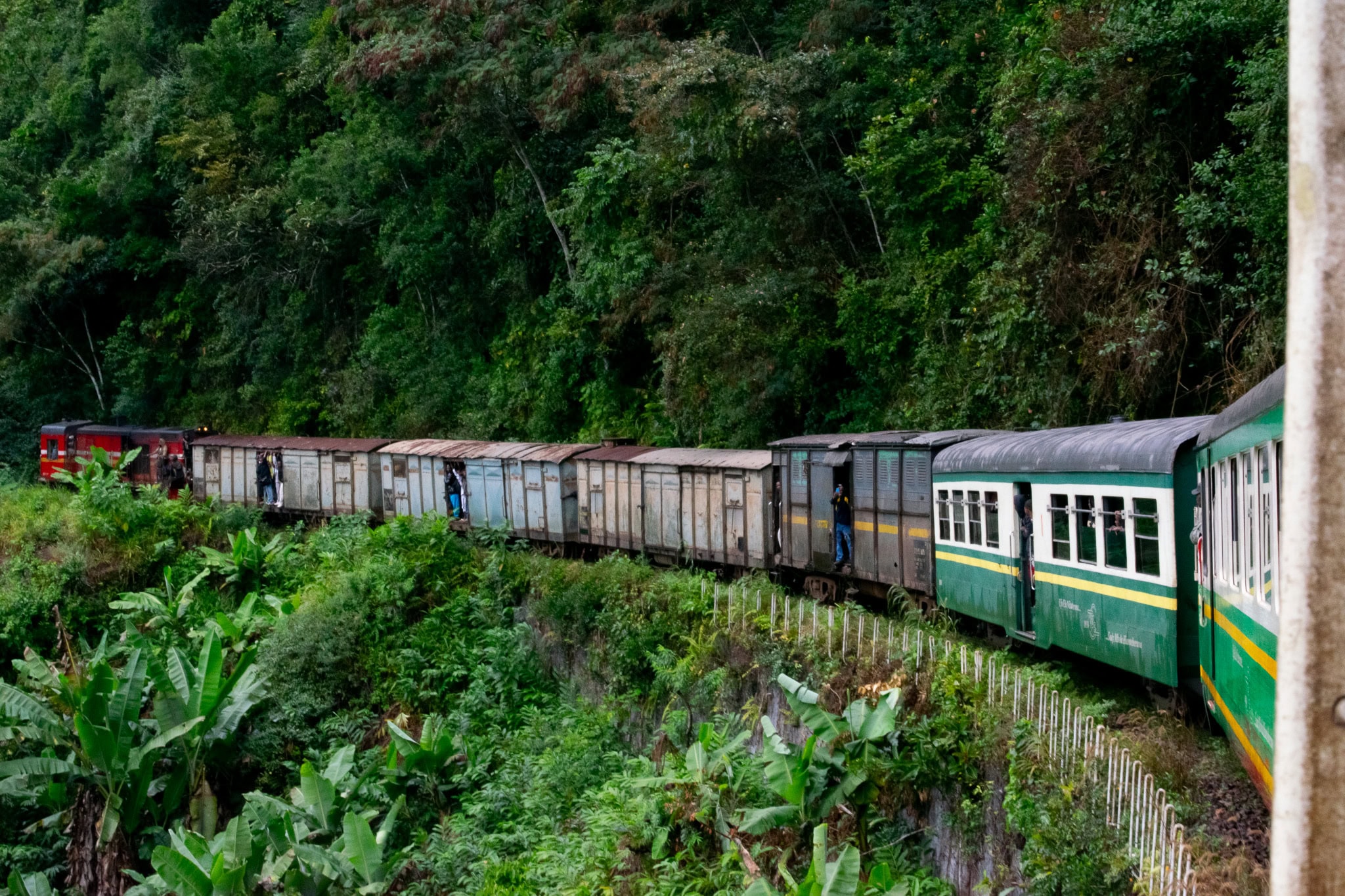
Another hike was on the agenda — this time through Isalo National Park. There were impressive canyons, natural pools, and a few shy animals that crossed our path. Apart from that, not much else happened here, and we drove back to Fianarantsoa, where we boarded an old Swiss train to Manakara at 6:00 a.m. the next morning. This is the last remaining train connection in Madagascar and takes more than 15 hours through the island’s stunning landscapes. At every stop, vendors boarded the train to sell their goods, while crowds of people waited at the stations for their relatives. In our carriage sat a young boy from South Tyrol who entertained us with his gymnastic tricks. Unfortunately, the seats were very uncomfortable, but the views more than made up for it. I even spotted a chameleon sitting on a branch as we passed by.
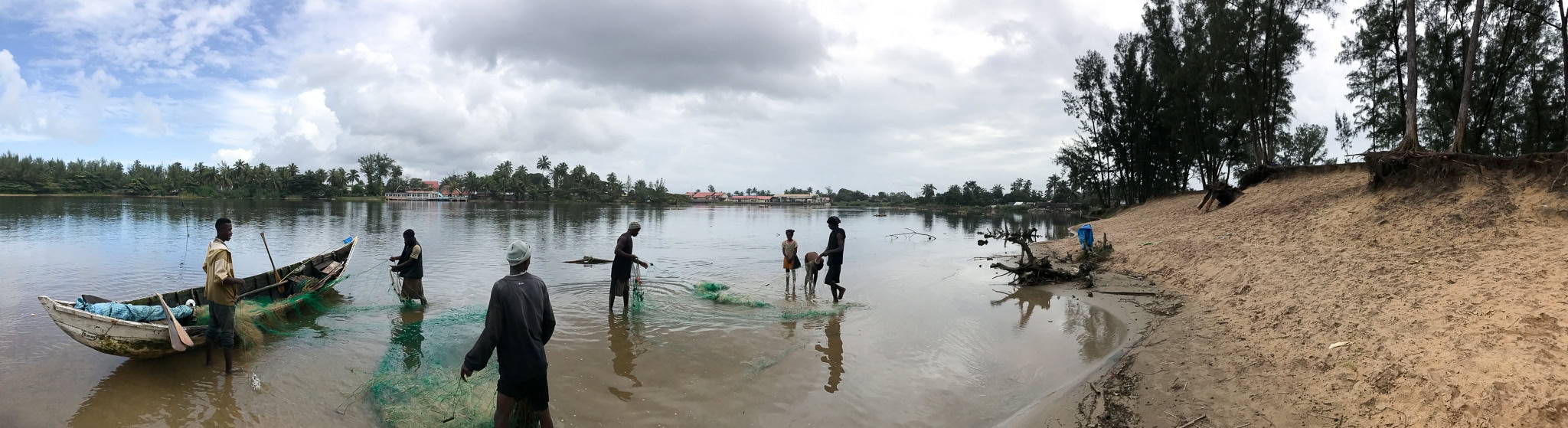
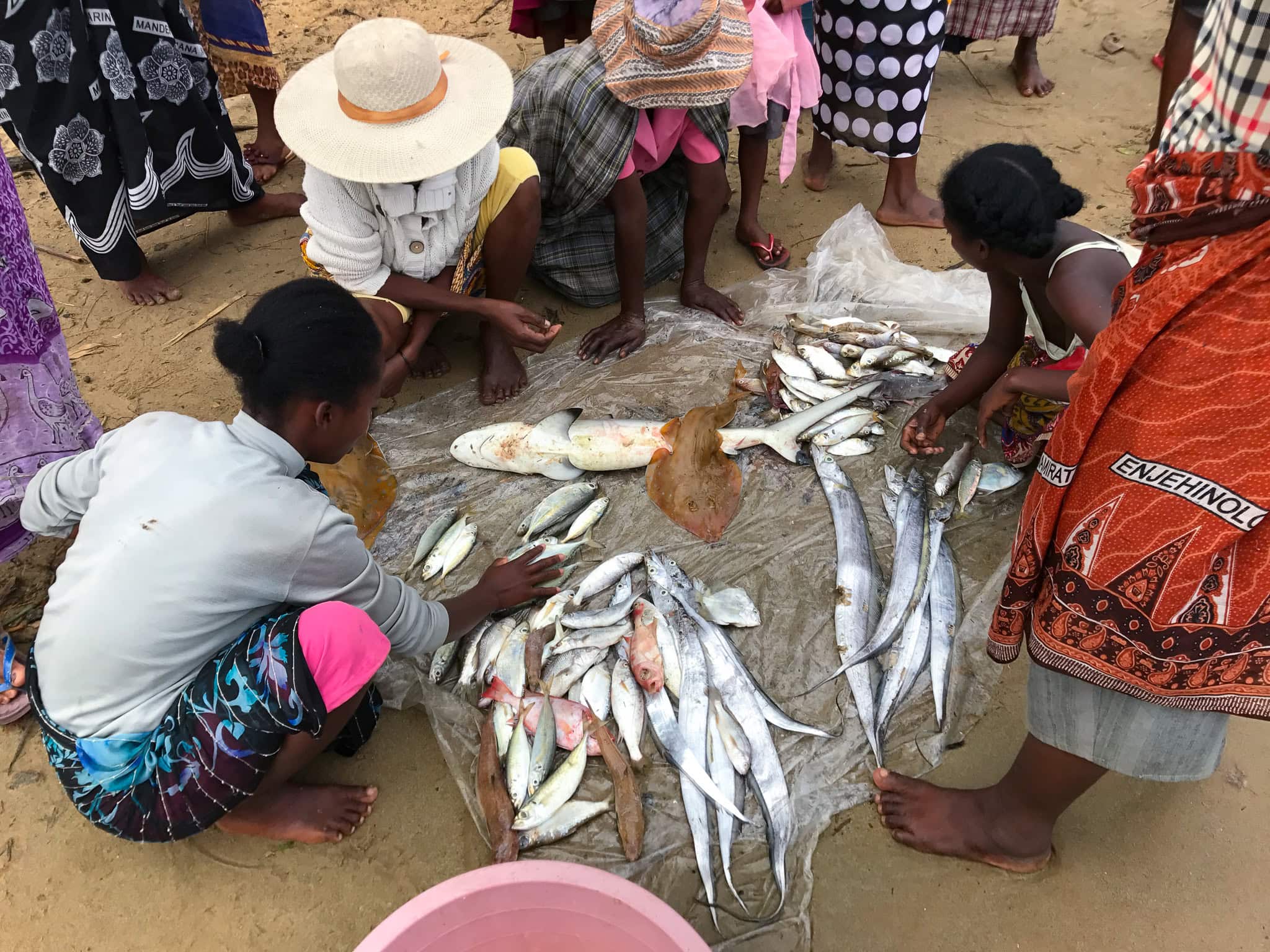
In Manakara, things became quieter again. We visited a botanical garden, took a boat trip along a river, and passed beneath a collapsed red bridge. Red objects are considered fady in this part of Madagascar — at least according to local legend, that’s why the bridge collapsed. On the beach, we enjoyed fresh fish beneath coconut palms and watched the local fishermen bring in their catch. To my dismay, there were also a few young sharks and rays among it. At our accommodation, we were able to buy oysters from a street vendor for just a few cents and later spotted a famous musician surrounded by people in the hotel restaurant. After one and a half days, we set off by car toward Ranomafana National Park.
THE LAST GREAT ADVENTURE IN MADAGASCAR
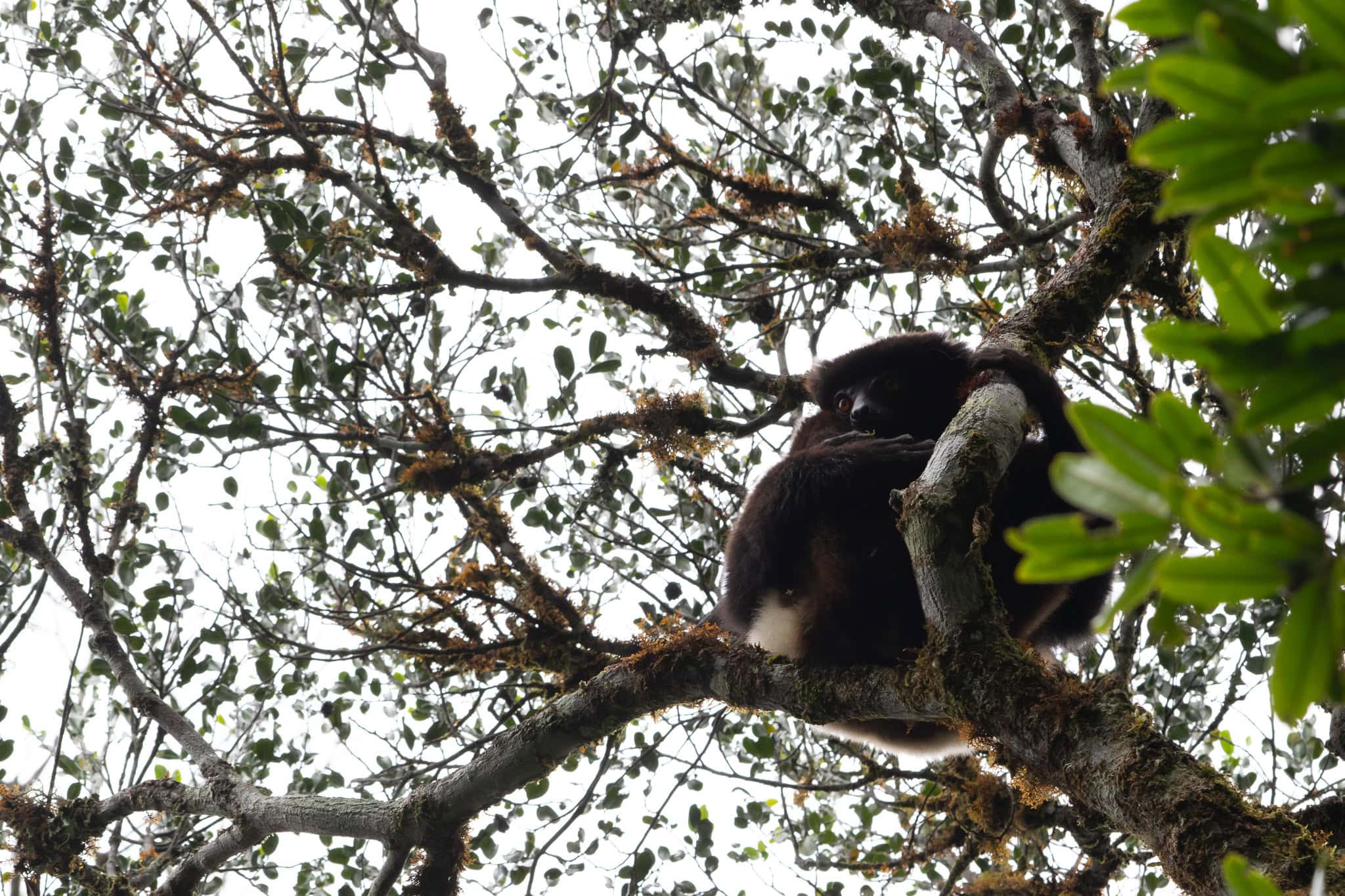
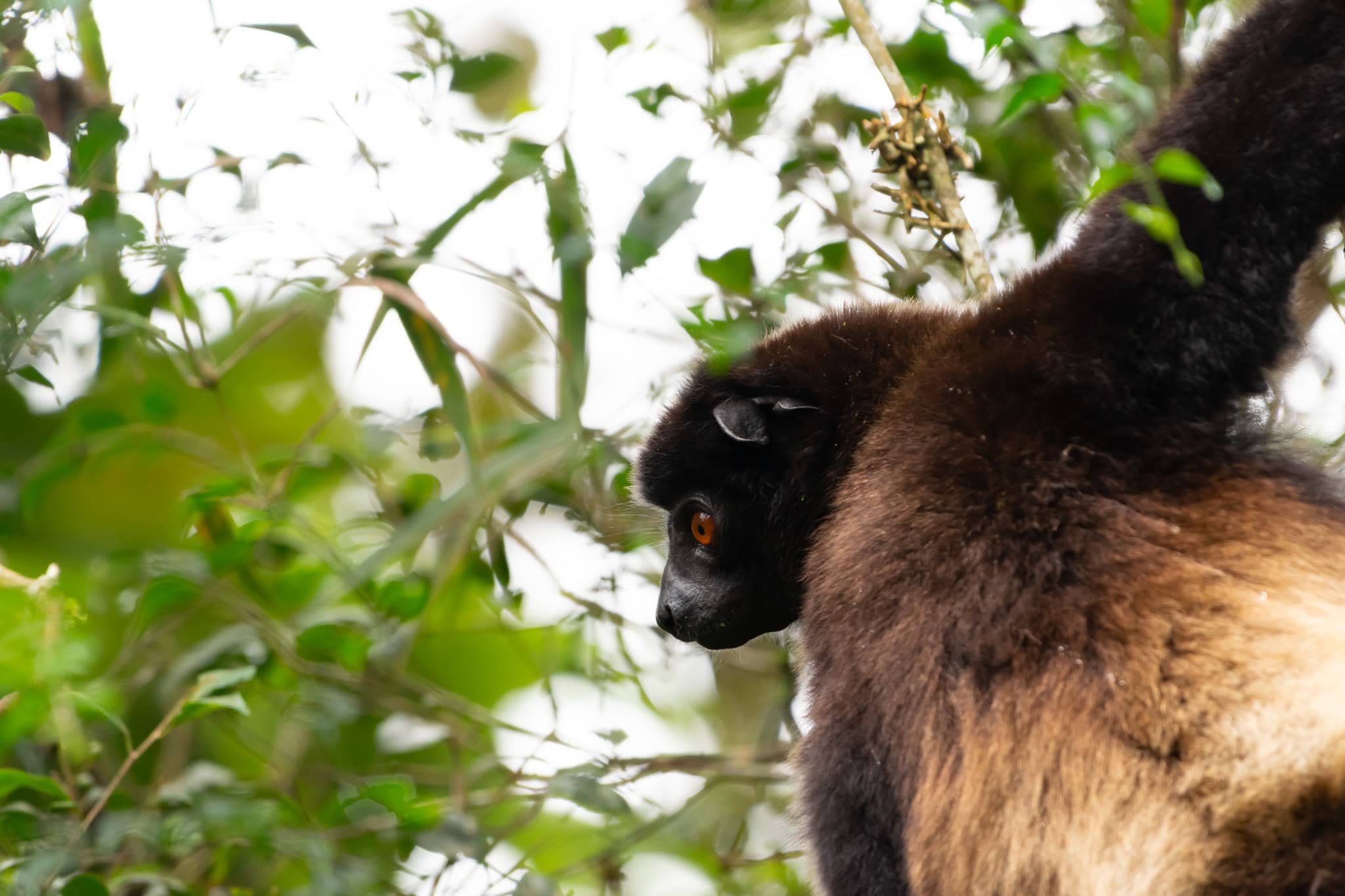
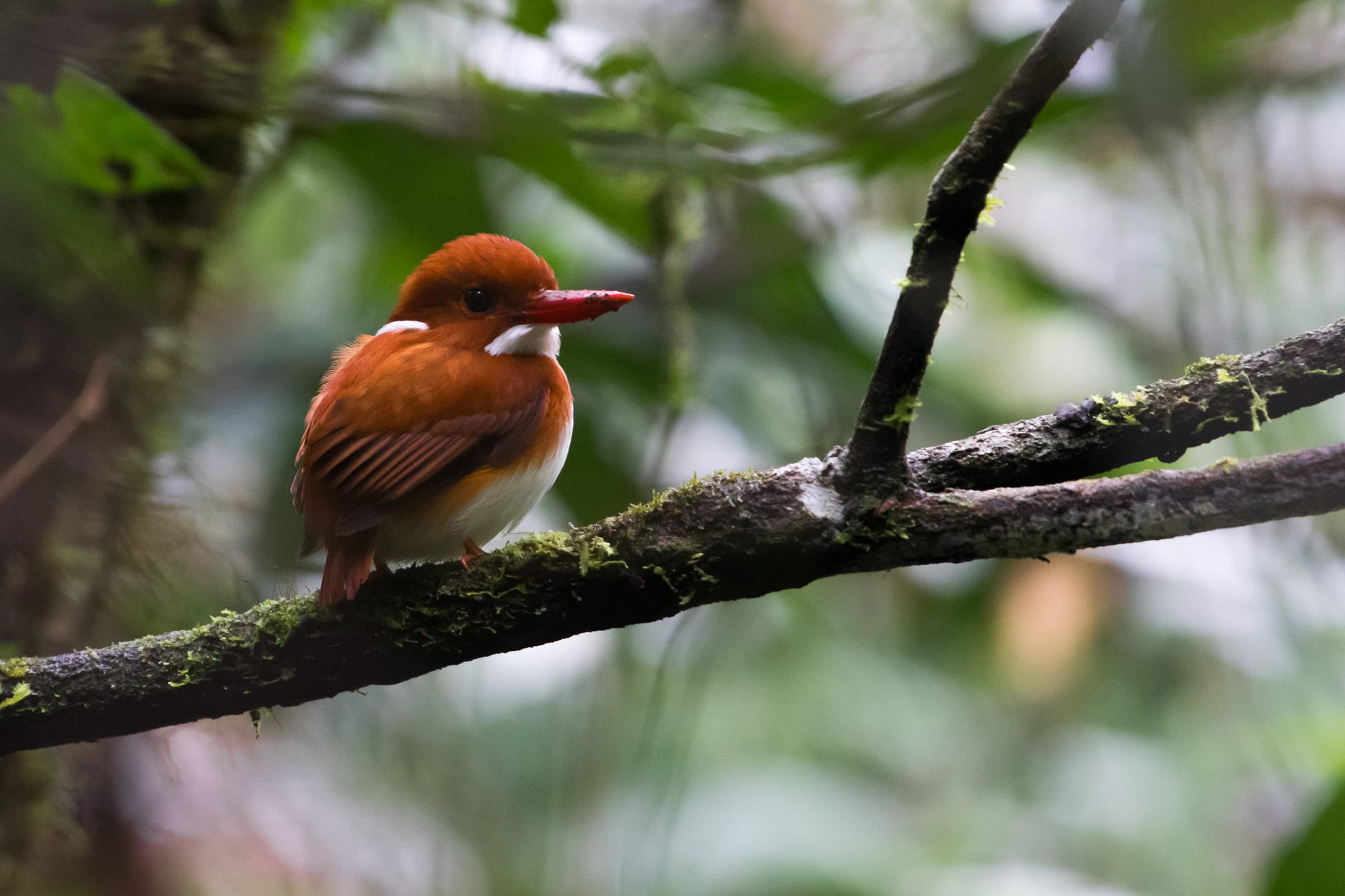
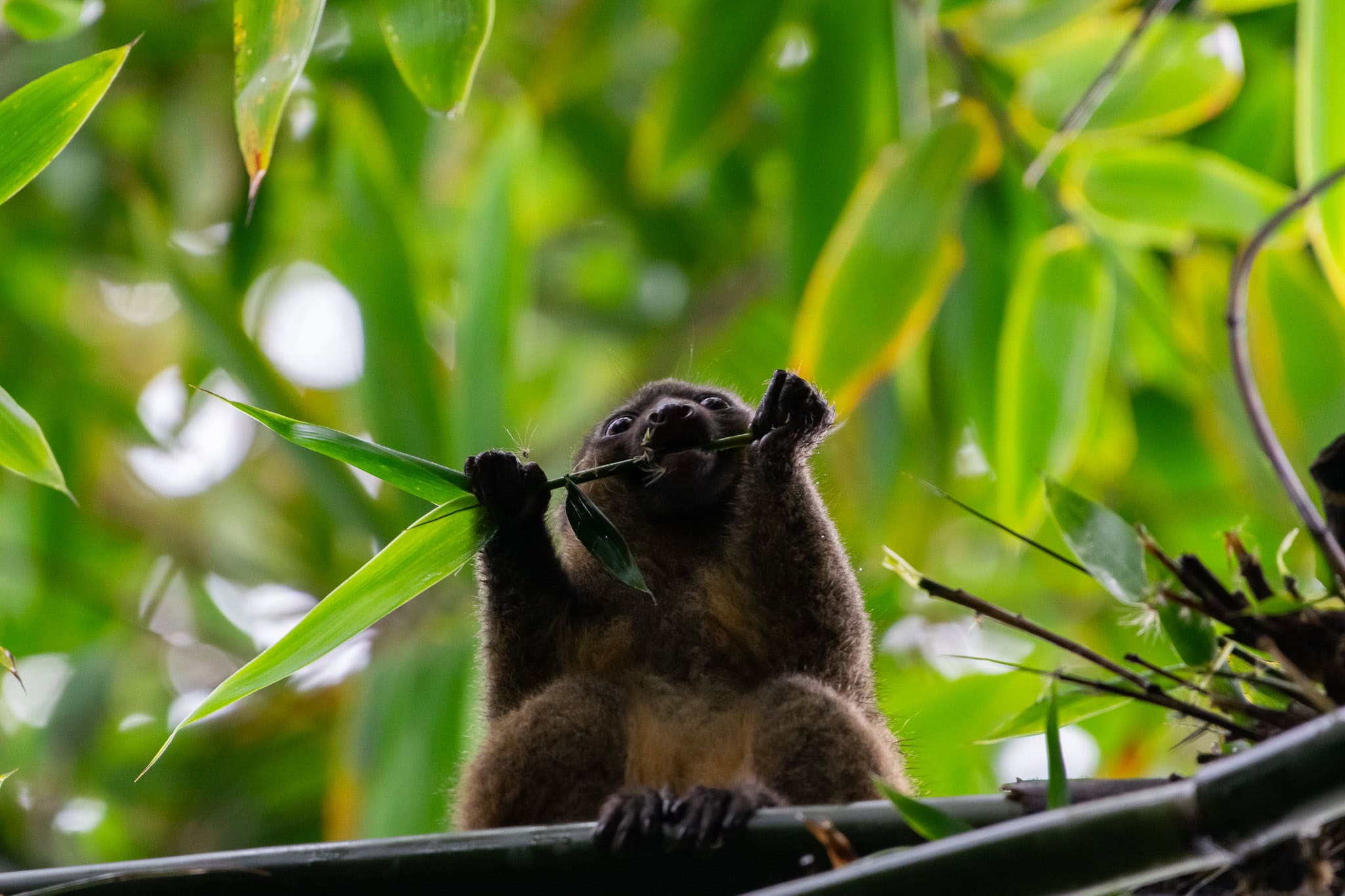
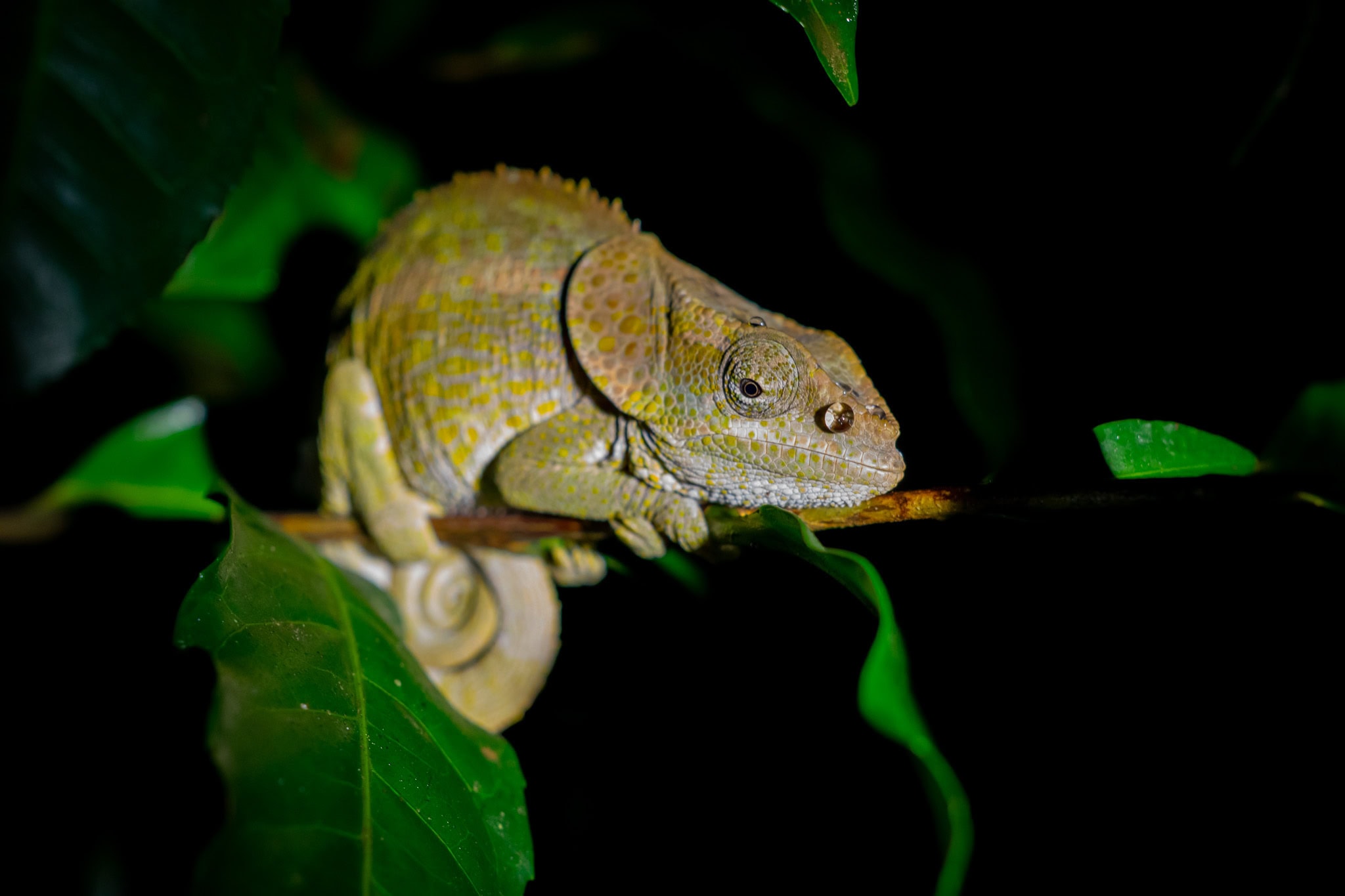
Ahead of us were two days each in Ranomafana National Park and Andasibe National Park. We took night walks through the rainforest and visited a rescue center for chameleons as well as one for lemurs. In the rainforest of Ranomafana, we were able to observe the famous golden bamboo lemur (Hapalemur aureus) — an endangered species found nowhere else in the world. We also saw many other lemurs, including the elegant Milne-Edwards’s sifaka (Propithecus edwardsi).
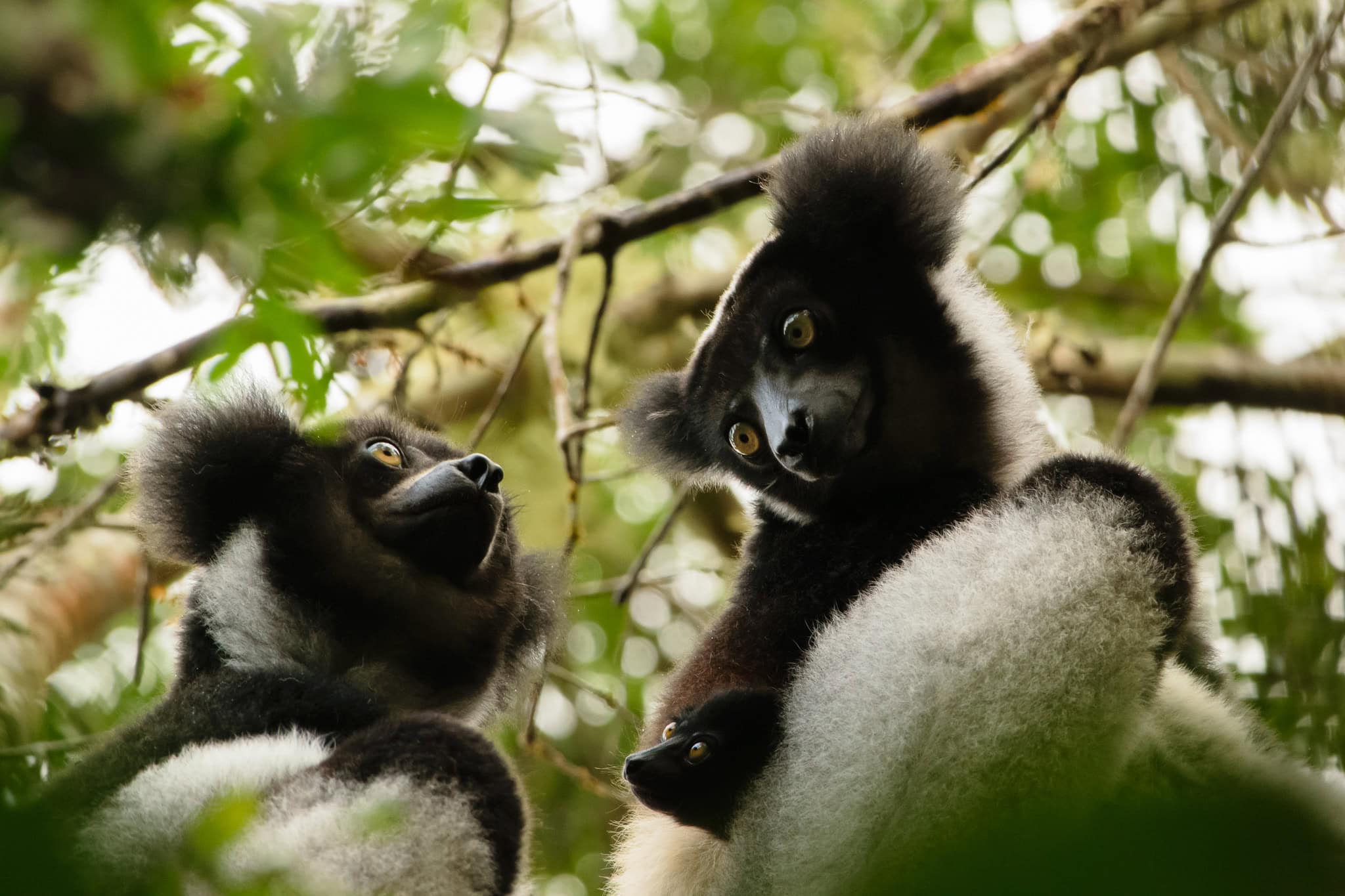
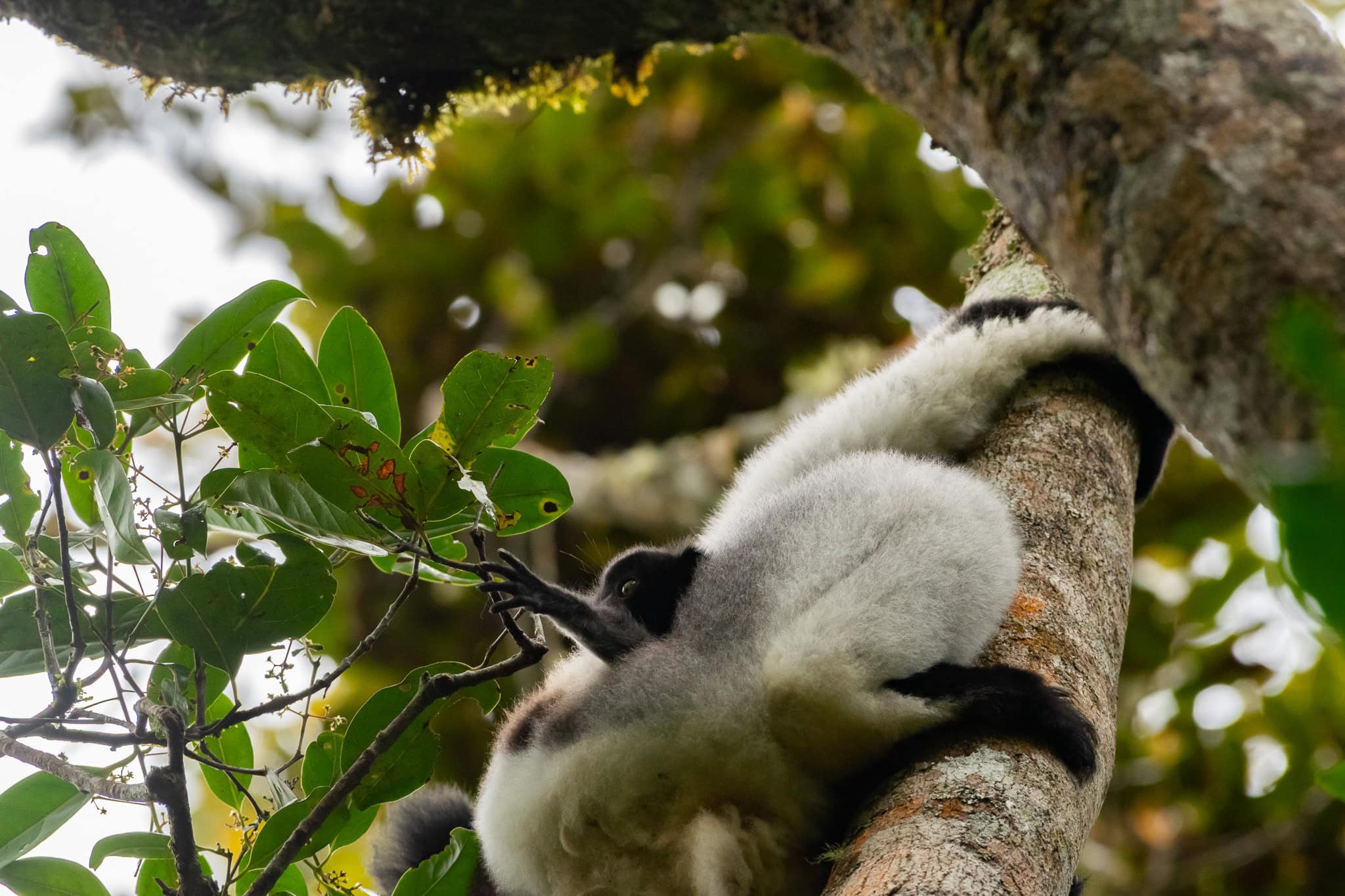
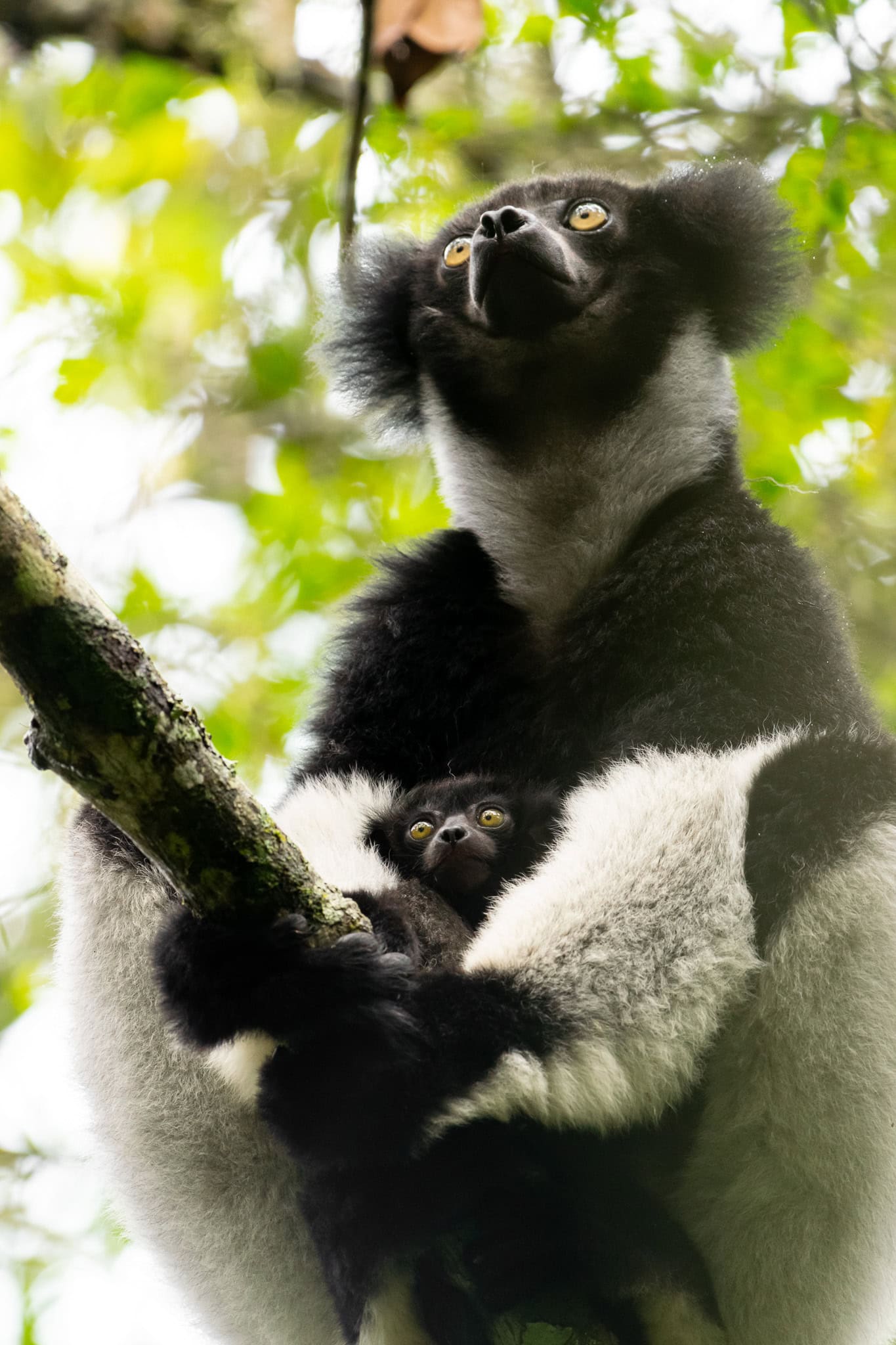
In Andasibe, we set off early in the morning into the national park to find the indris (Indri indri). We could hear their mythical-sounding calls from afar — a haunting howl drifting through the mist. Eventually, a group emerged from the dense forest and moved almost like dancers through the canopy above our heads. The indri is the largest living lemur species today, and being able to watch them for nearly an hour was a truly unforgettable experience.
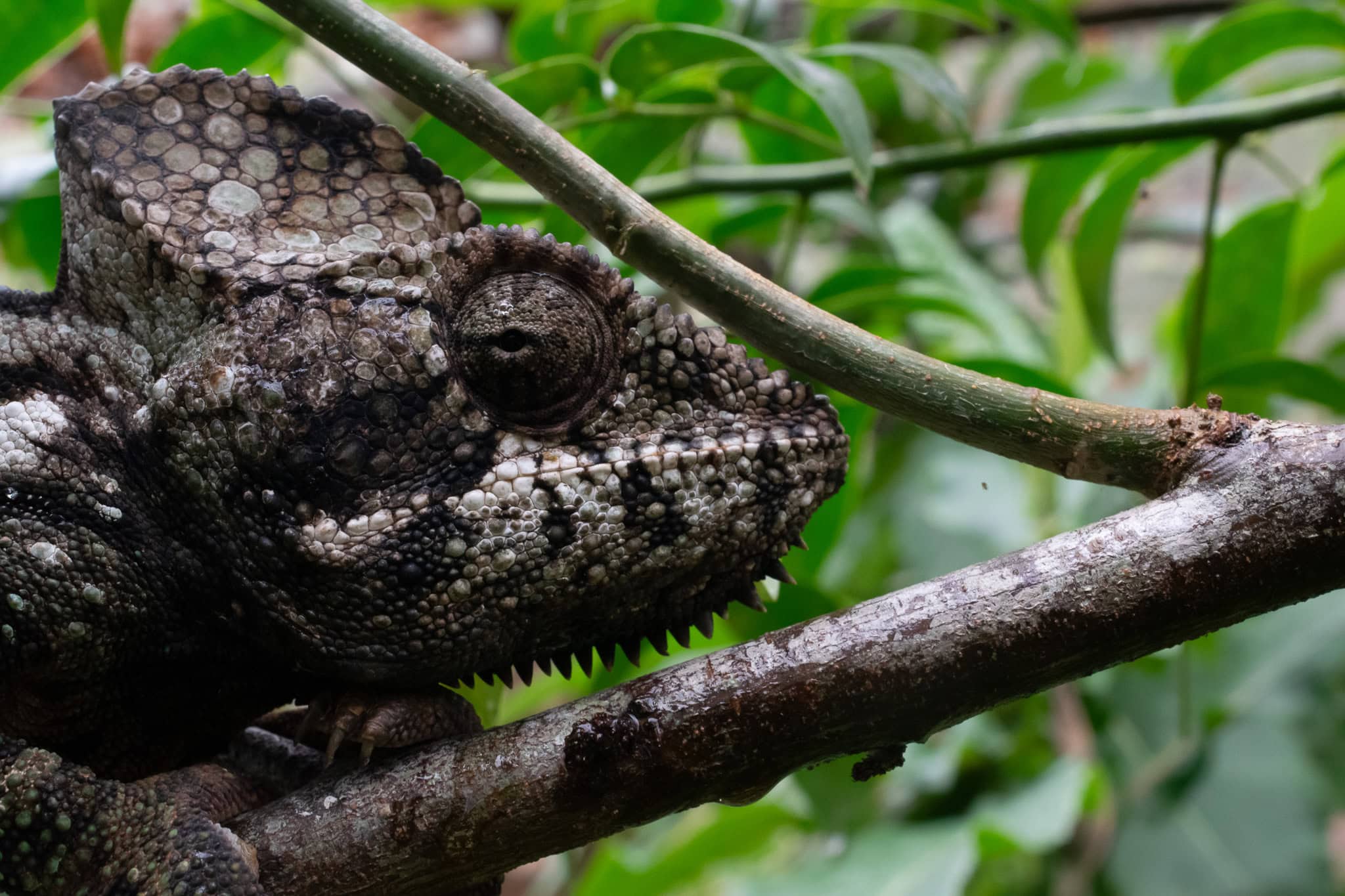
At the chameleon rescue center, the Réserve Peyrieras, we encountered a wide variety of reptiles and amphibians. Particularly fascinating was the enclosure with newly hatched juveniles that are soon to be released back into the wild. We were given a short guided tour and were able to witness a feeding — for the first time, we saw a chameleon’s tongue in action. An absolutely mesmerizing moment.
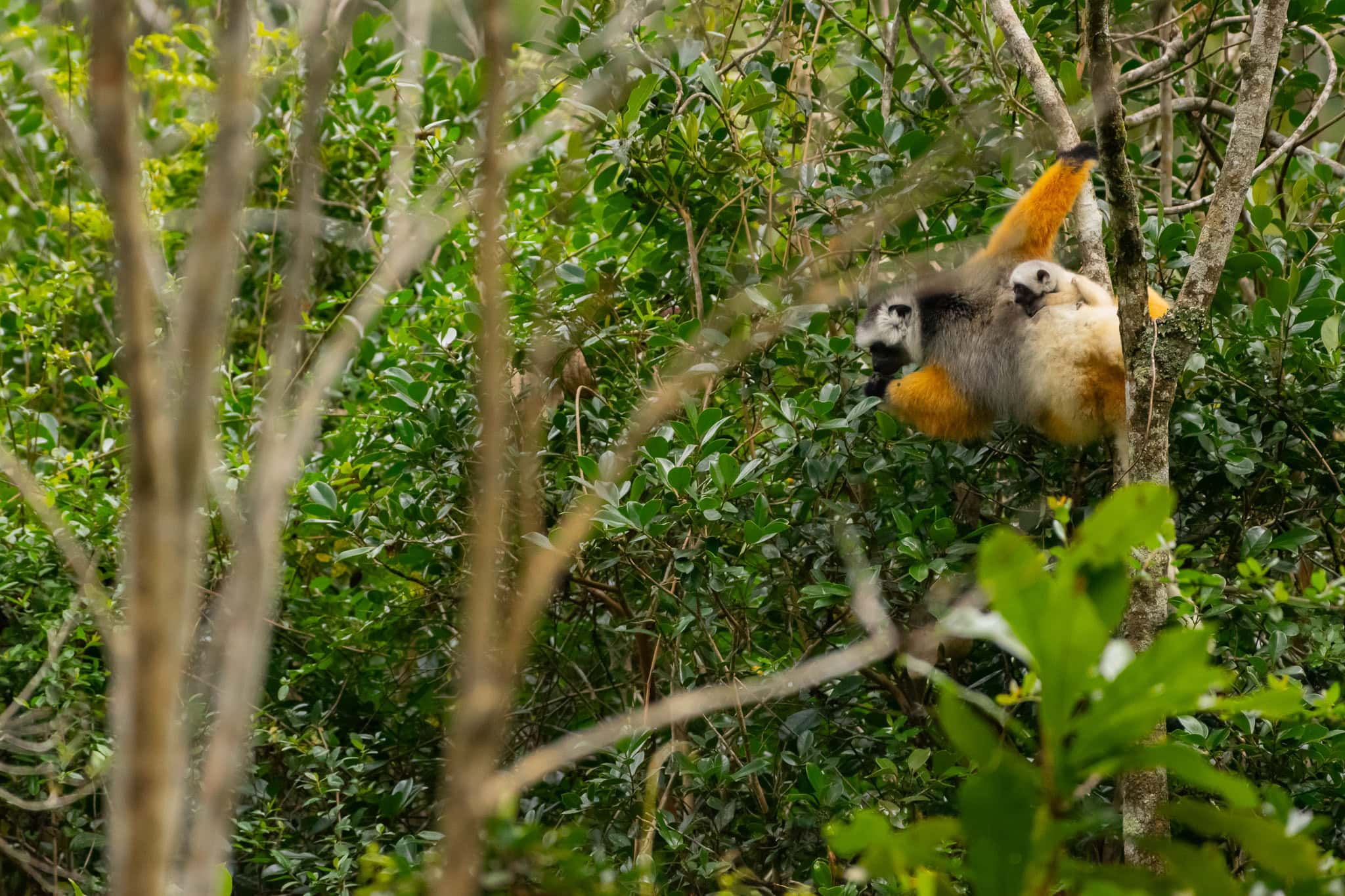
The lemur rescue center was equally impressive. The entire area was surrounded by an artificial water moat, preventing the animals from escaping. According to Teddy and the information provided by the center, all of the animals had originally come from captivity — which was easy to notice. The lemurs were very trusting, jumping onto our shoulders and heads, showing little to no fear. Particularly touching was a diademed sifaka (Propithecus diadema), constantly carrying its infant close by.
These final days in the national parks once again made it clear just how extraordinary and endemic Madagascar’s biodiversity truly is. We could hardly stop marveling — and photographing — and felt a little sad as the journey home drew nearer.

FAREWELL TO MADAGASCAR
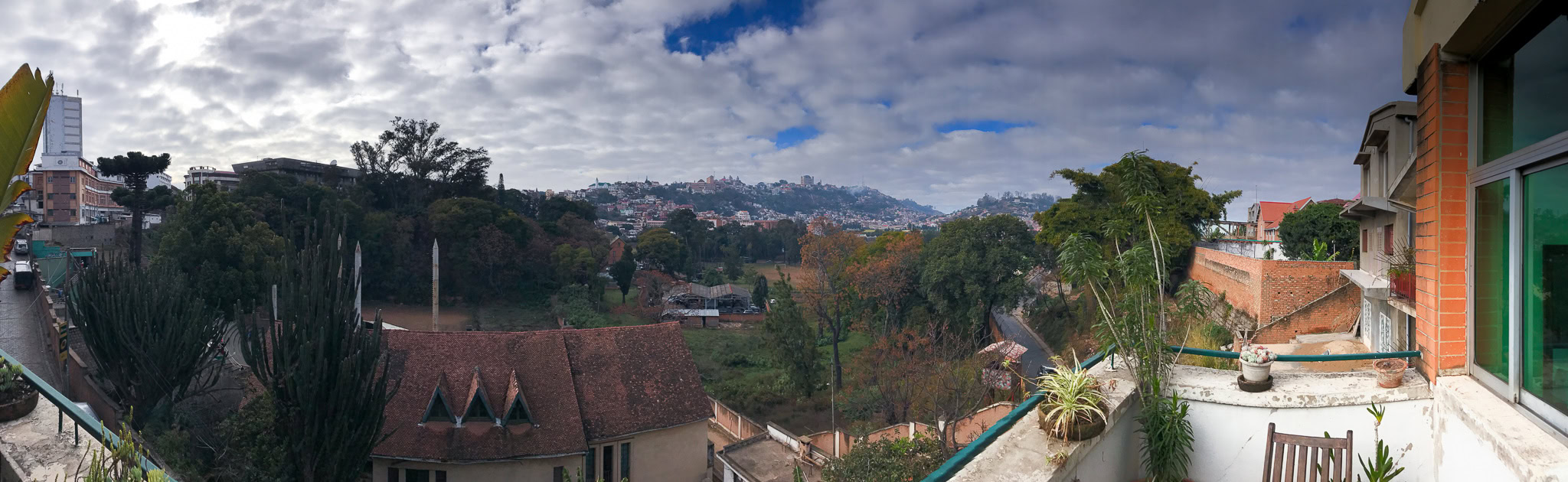
With heavy hearts, our driver brought us back to the capital. Behind us lay four weeks filled with intense experiences and unforgettable impressions — a month in a country that has so much to offer, and about which we had known so little beforehand. We reflected on the journey once more, looked through photos together, and enjoyed a final dinner with our guide Teddy before heading back from Antananarivo to Austria and Switzerland the following day.
To this day, this trip ranks among the most impressive I have ever taken — rarely have I felt such a deep connection to a country. And rarely has the desire to return been as strong as it is with Madagascar.
I still keep in occasional contact with Teddy. He has since founded his own small agency called Teddy’s Trails. He was a crucial part of what made this journey so special: always helpful, friendly, professional, and with a remarkable instinct for connecting us with the best local guides in every national park. He speaks fluent English, French, and Malagasy, knows the country like few others, and made us feel well taken care of at all times. I sincerely hope that my path will one day lead me back to Madagascar.
EQUIPMENT USED IN MADAGASCAR
Nikon D5300
GoPro HERO 4 Black
Nikkor 200–500mm f/5.6
Video: Full HD @ 60fps H.264
You can find more information about my equipment HERE.
Daniel Kainz
Focus Puller Underwatercamera | Travel
Chasing sharp focus, deep dives and the one National Geographic picture around the world!
Imprint | Privacy Policy | Cookie Guidelines (EU) | Copyright: Daniel Kainz 2026