
Costa RicaRoad trip: sloths, toucans & national parks
OVERVIEW – COSTA RICA
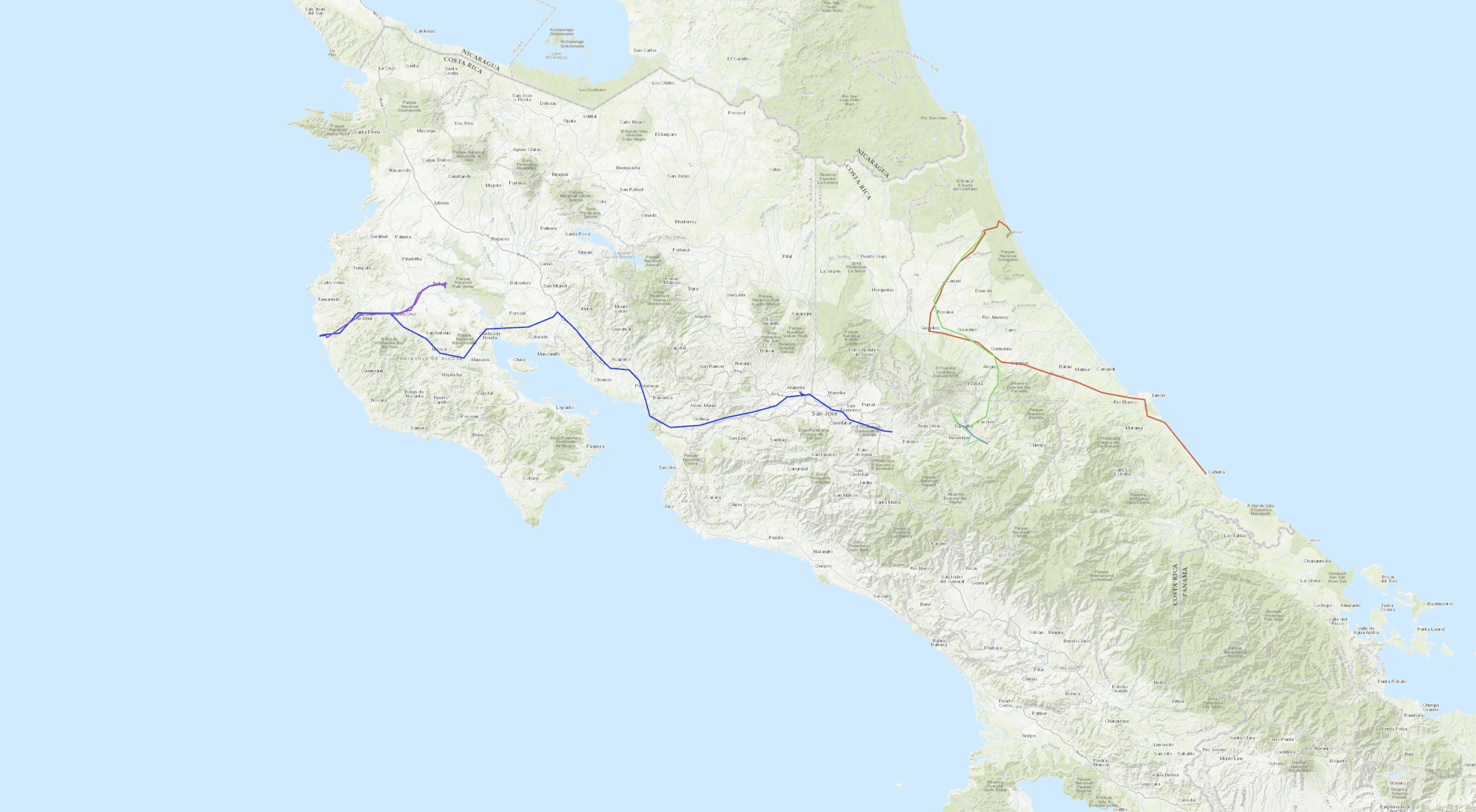
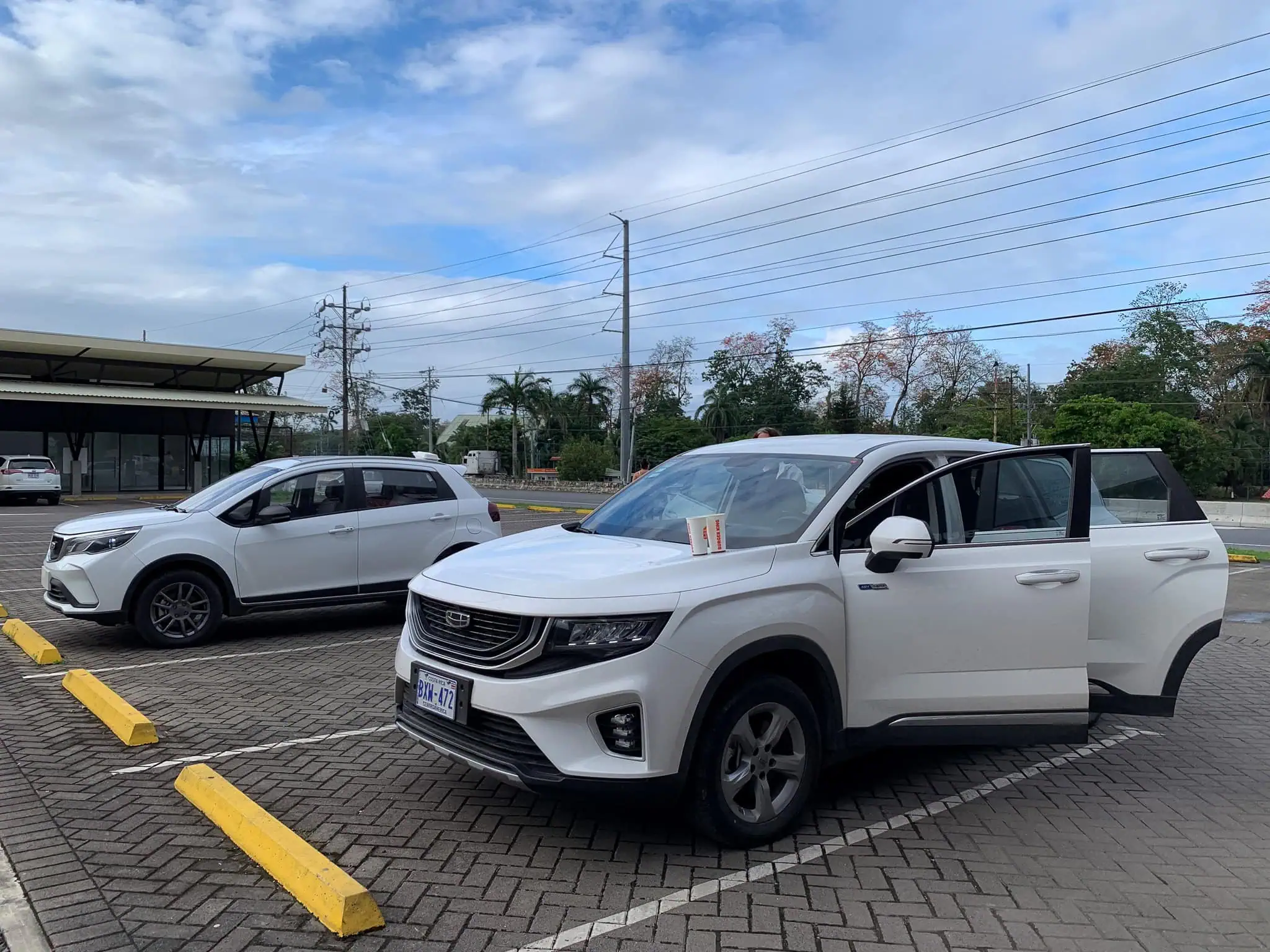
Costa Rica was the second stop on our journey through Latin America. After a month of traveling as a duo through Mexico, we had company: Paula’s mom and my parents joined us. Suddenly, there were five of us, and the travel dynamic shifted a bit. Our mode of transport was also part of this change—we rented a car! We were initially a bit worried about whether all five of us and our luggage would fit, but the Geely Okavango was a 7-seater with what felt like endless space. Once we had all landed in San José and gathered at our accommodation, we set off full of energy the very next morning!
the jungle house & manzanillo
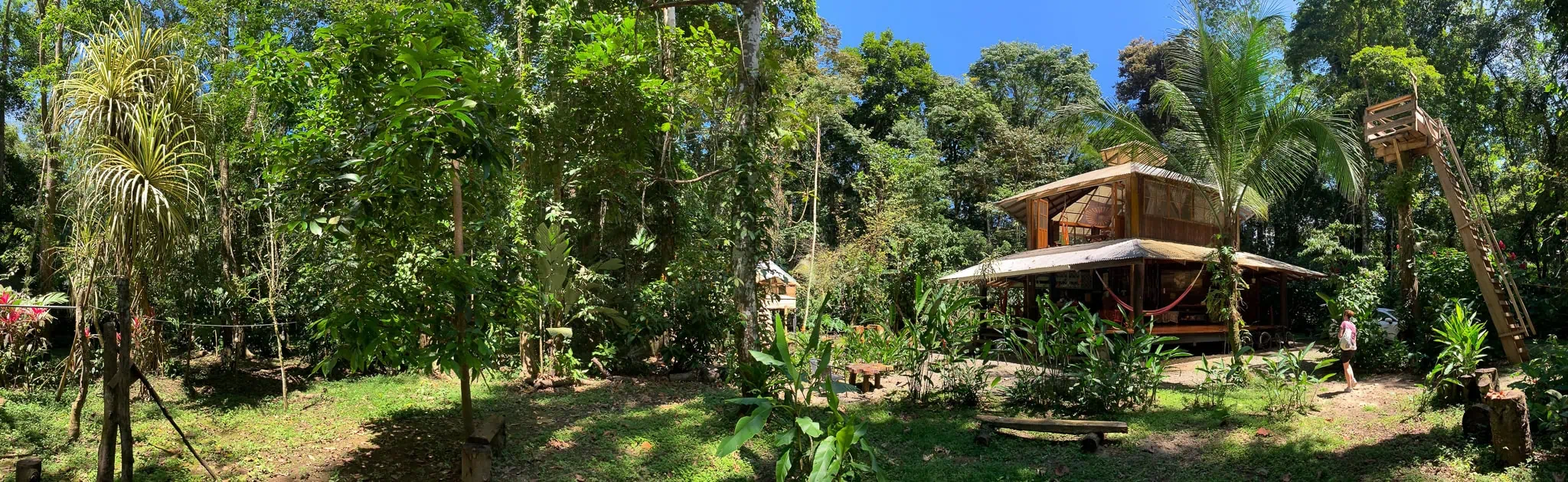
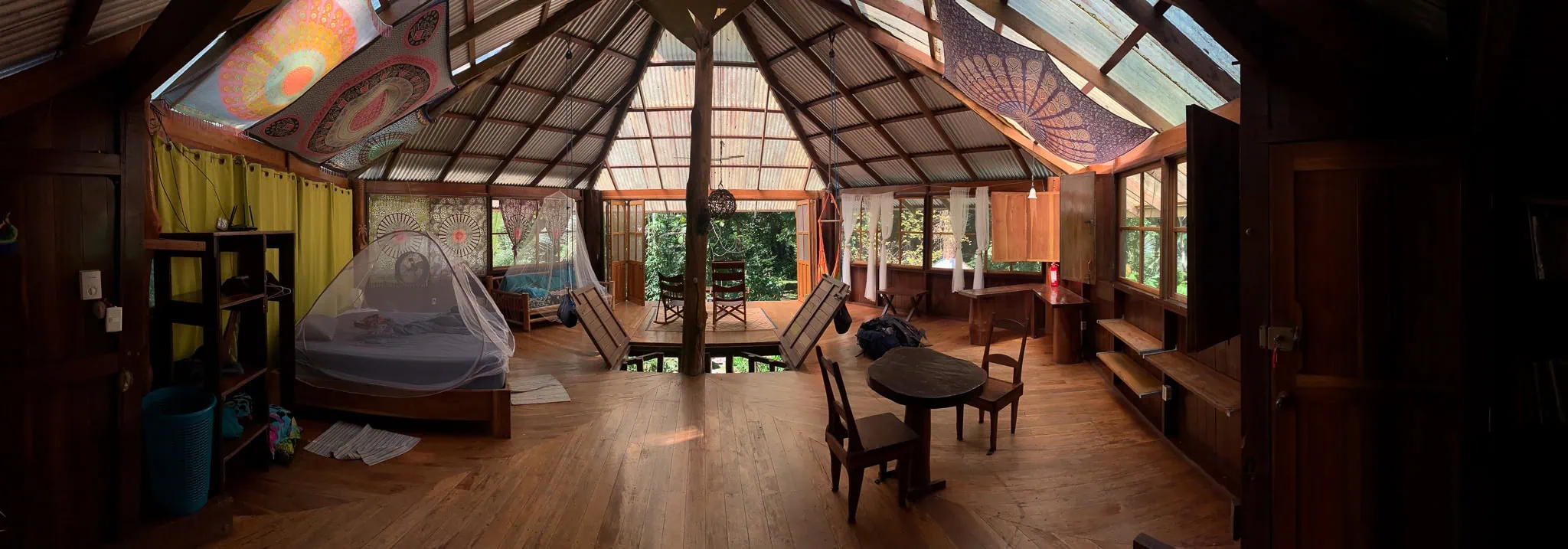
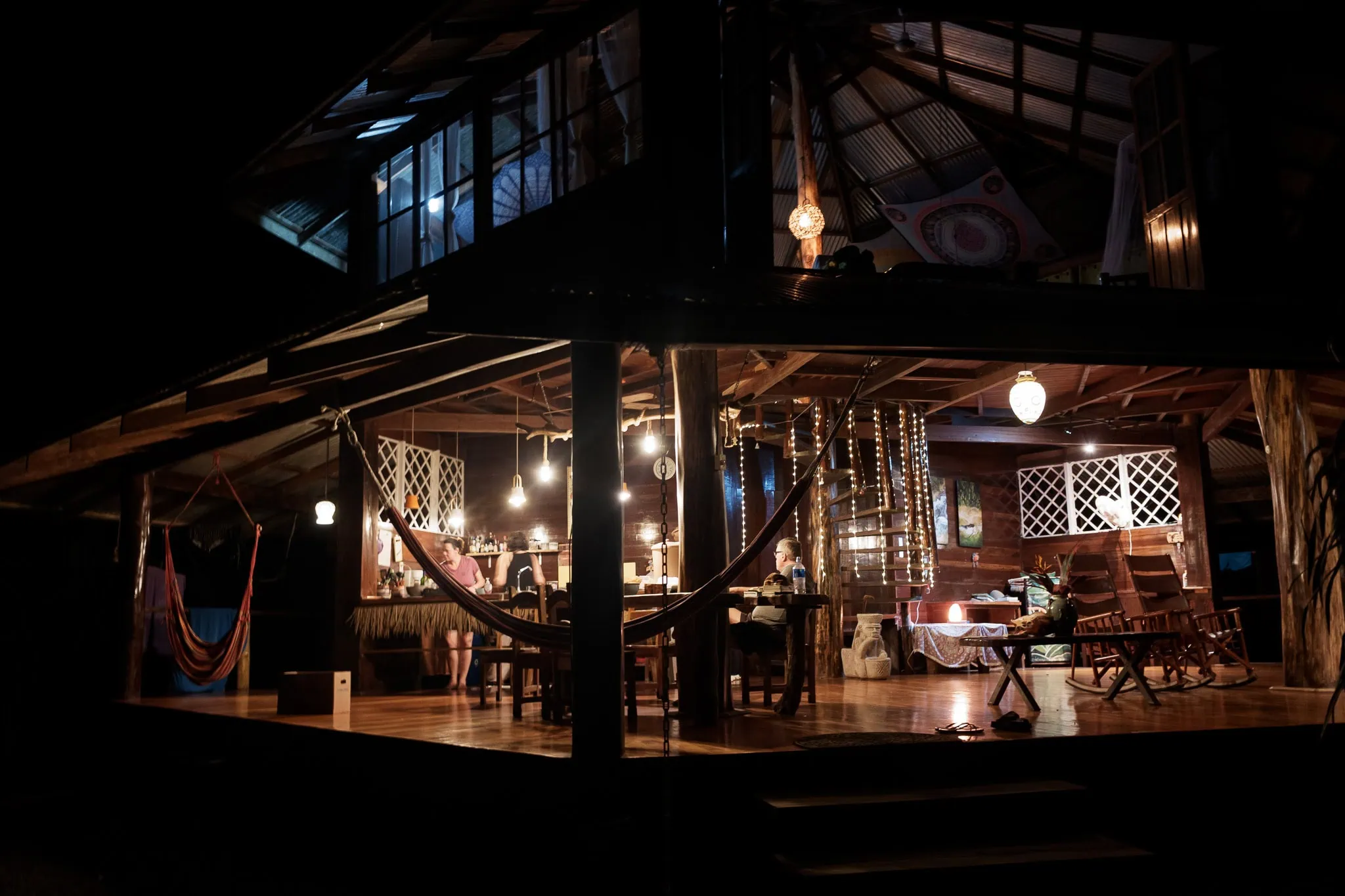
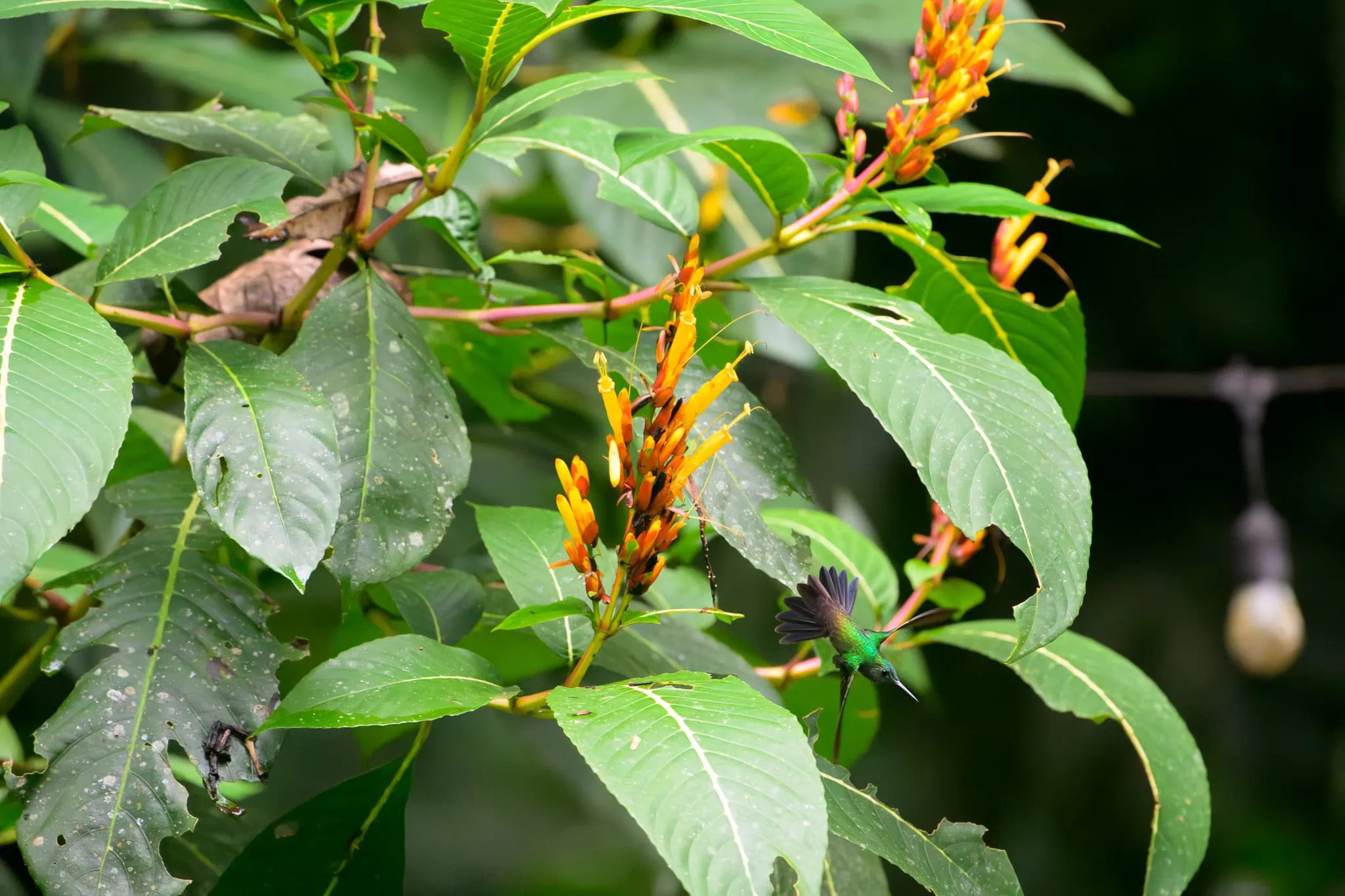
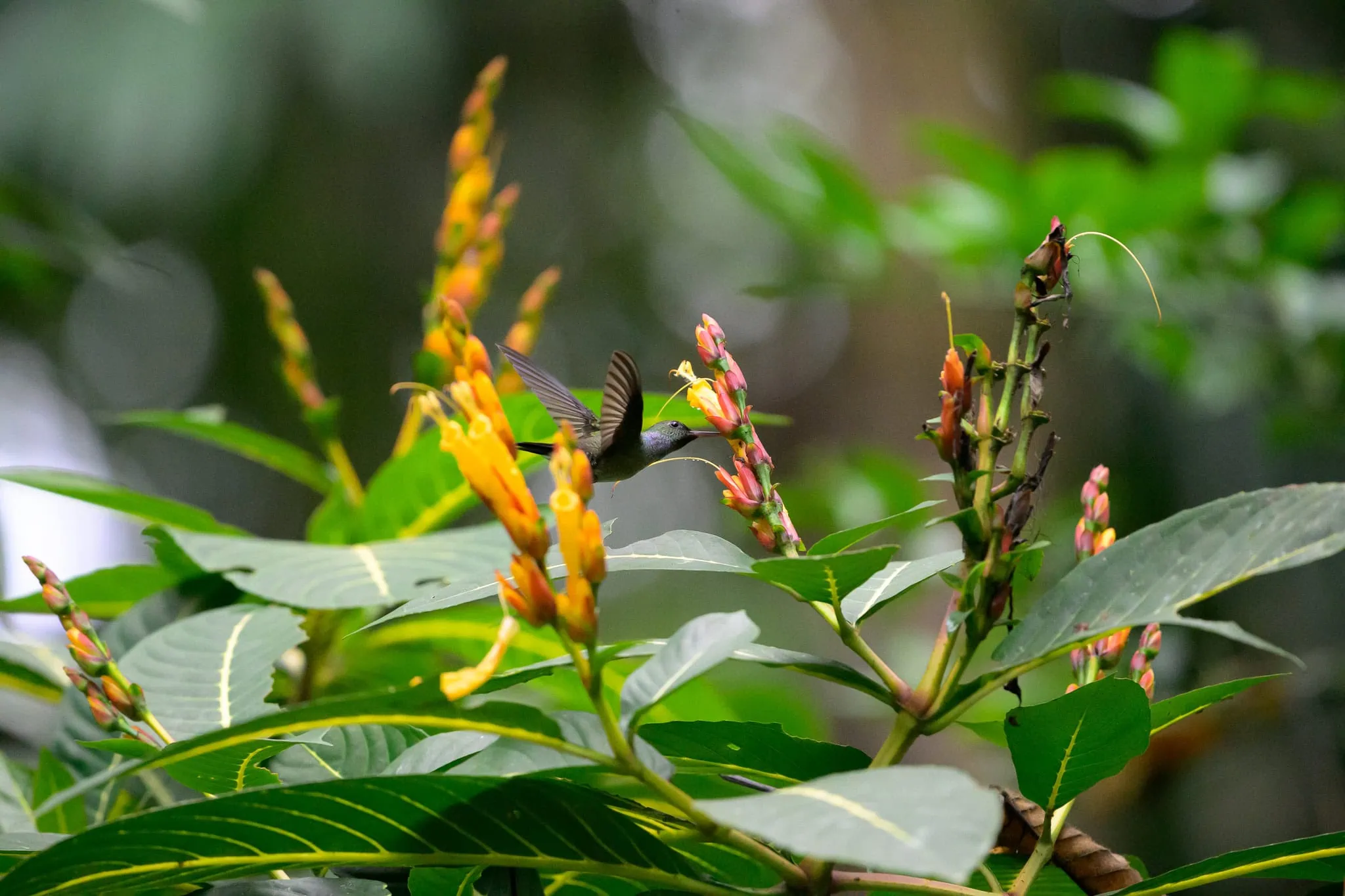
The man at the Sixt counter just smiled at us when we told him about our plan to drive to the East Coast. He said it would take forever and that the route would be terrible and wet. We didn’t let that deter us, though, and I started the Geely for the first time. It quickly became clear that Waze worked better here than other navigation apps, so we headed toward Manzanillo. The horror stories all turned out to be false, and after just under four hours, we arrived at our first stop: Manzanillo. More specifically, in an incredibly beautiful accommodation right in the middle of the jungle. It was an open-concept house with an open kitchen and an open upper floor. The garden was carpeted with blooming plants and hummingbirds buzzing around. There was also a barbecue area and a large observation tower. All around us stretched dense jungle.
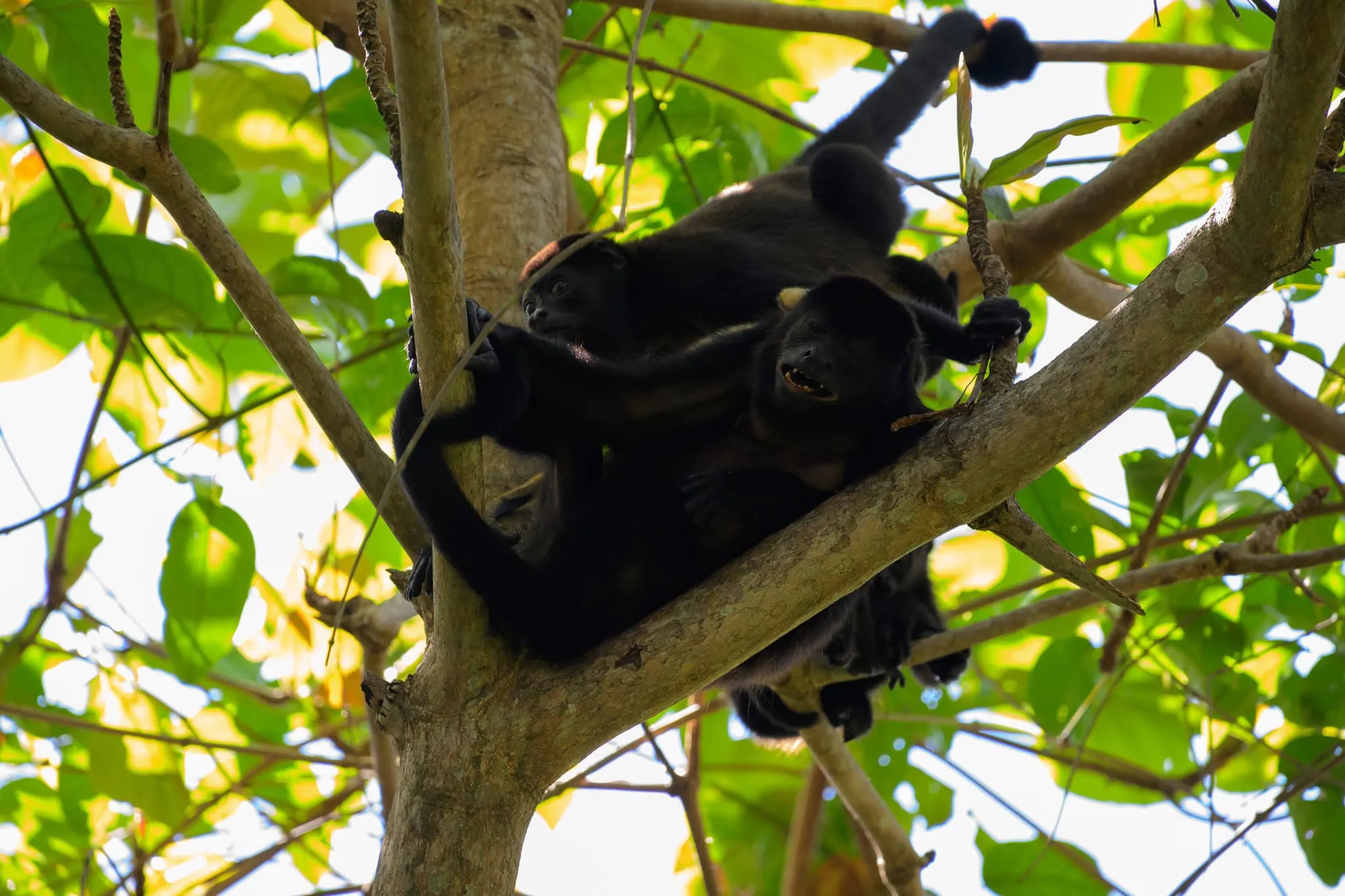
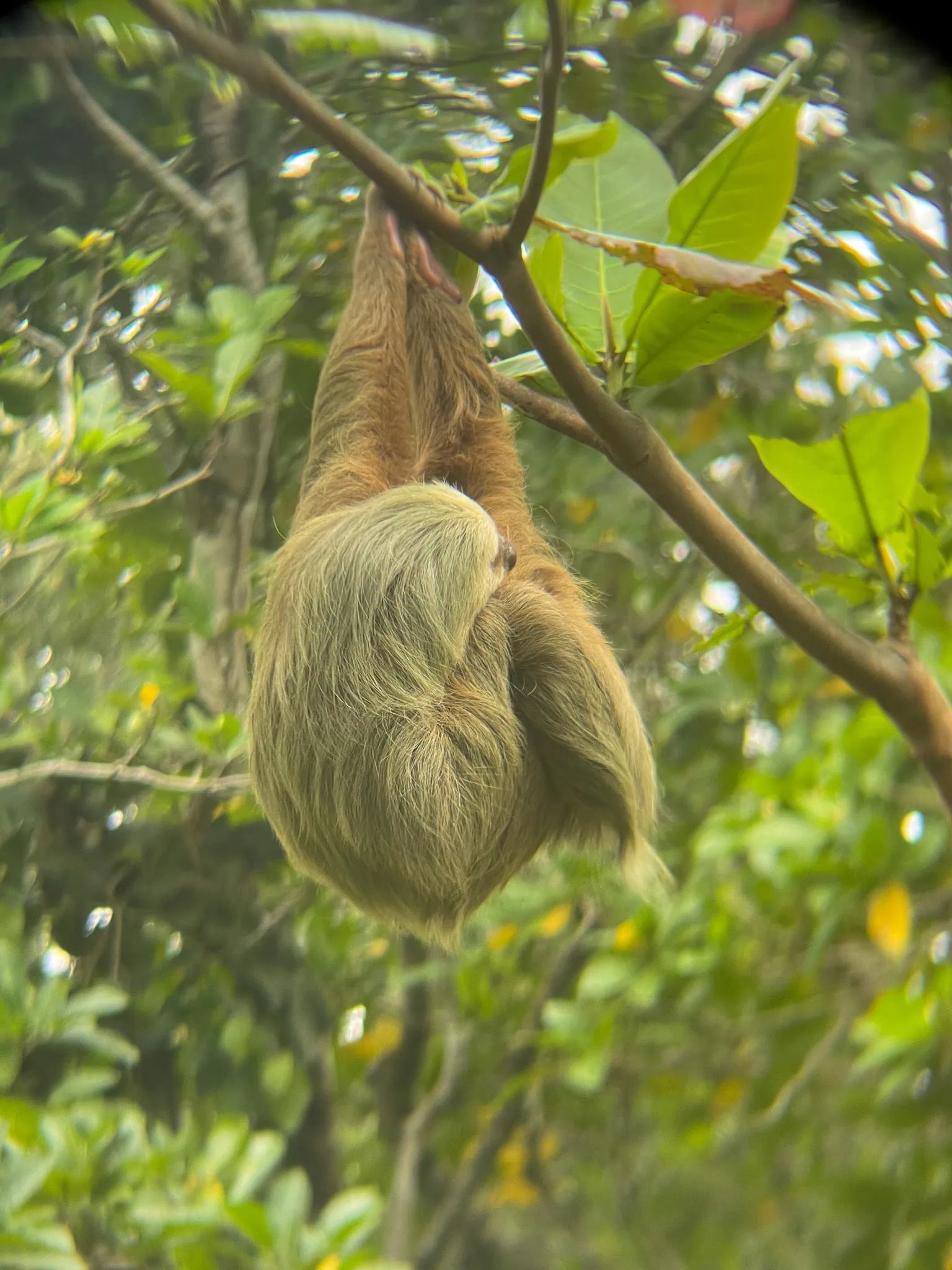
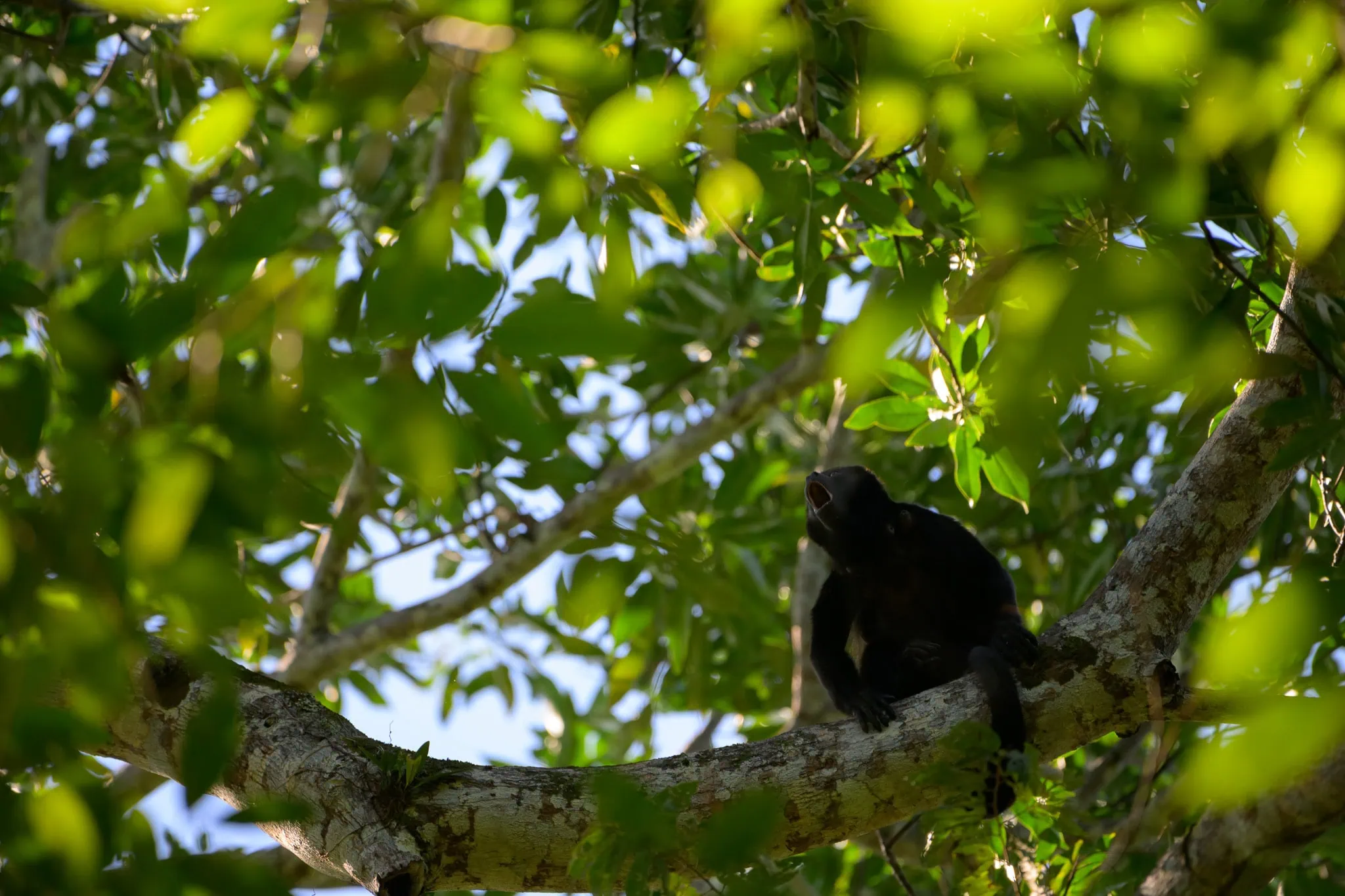
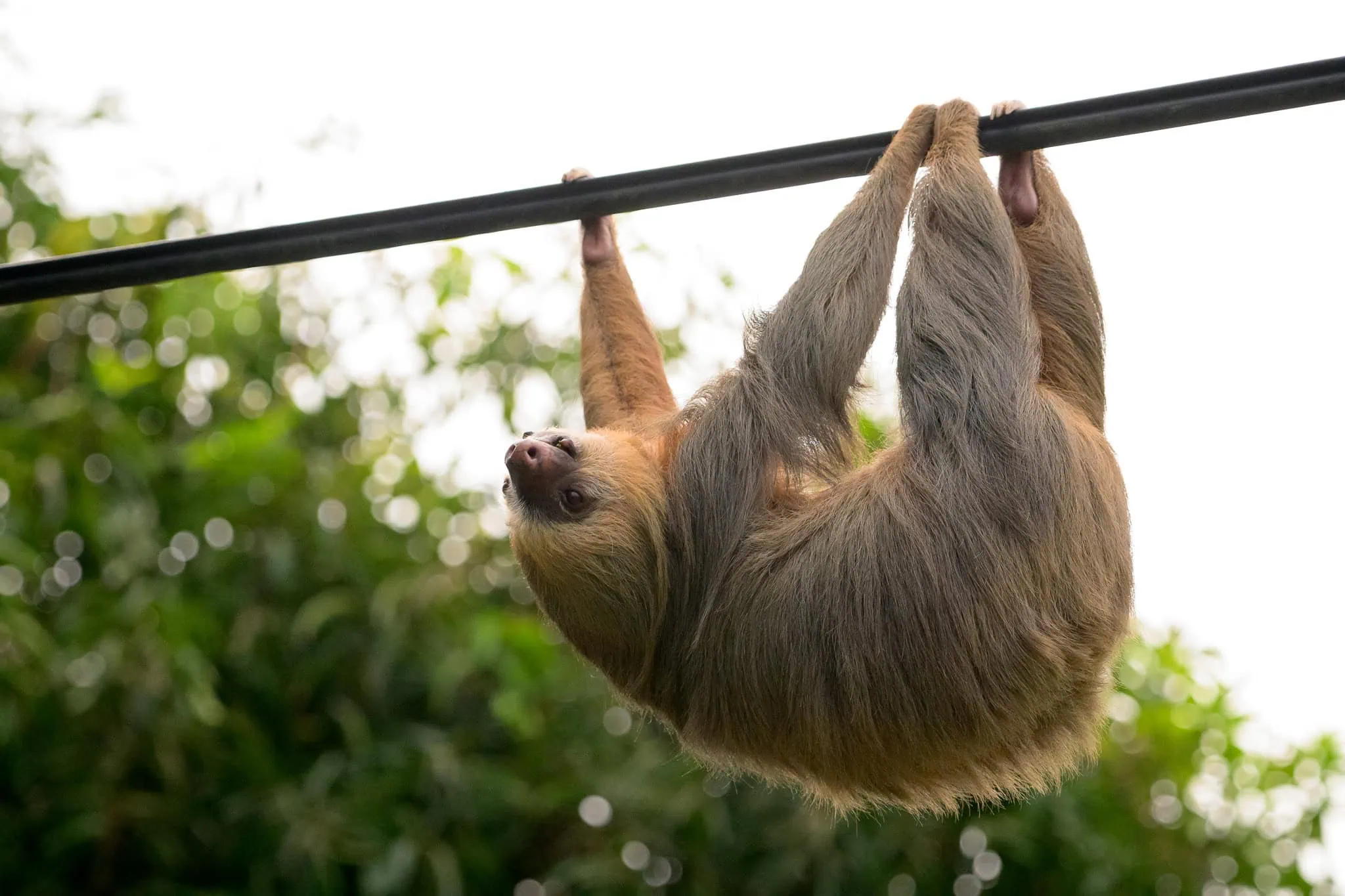
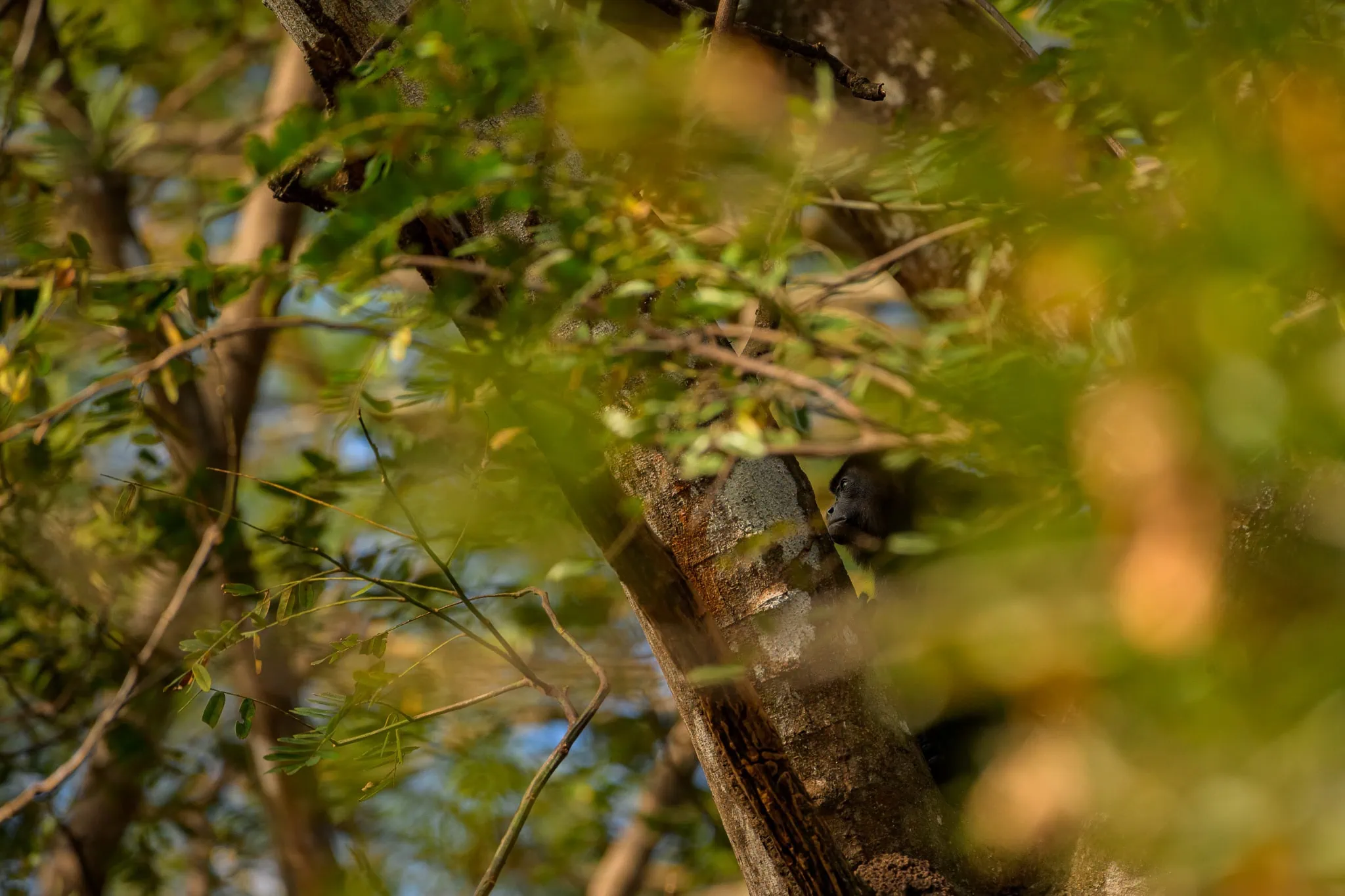
We had already spotted a sloth during the drive and were very excited to see what else we would discover here. The first night was loud and exciting. Every sound jolted me awake, while the pitter-patter of the rain lulled me back to sleep. Just before sunrise, a troop of mantled howler monkeys (Alouatta palliata) passed by and let us know it was time to get up. We had a great view of the monkeys from the open upper floor.
We spent the next few days exploring the area. We wanted to visit the “Ara Project Manzanillo,” but it was sold out for several days, so we decided to visit the “Jaguar Rescue Center” instead. The name is misleading, as a jaguar (Panthera onca) has never actually been cared for there. The story behind the name is this: one of the first animals was a young ocelot (Leopardus pardalis), which the locals thought was a young jaguar. The highlight of the tour was two baby sloths that were only a week old. We were told their mother died from an uninsulated power line, as a large portion of the overland power cables are still not insulated and sloths like to use them as bridges across roads. The “Shock Free Zones” project is working hard to insulate all power lines and make them safe for sloths.
The first few days in Manzanillo were a great start to this leg of our trip, so we packed up our Geely and headed toward Cahuita National Park.
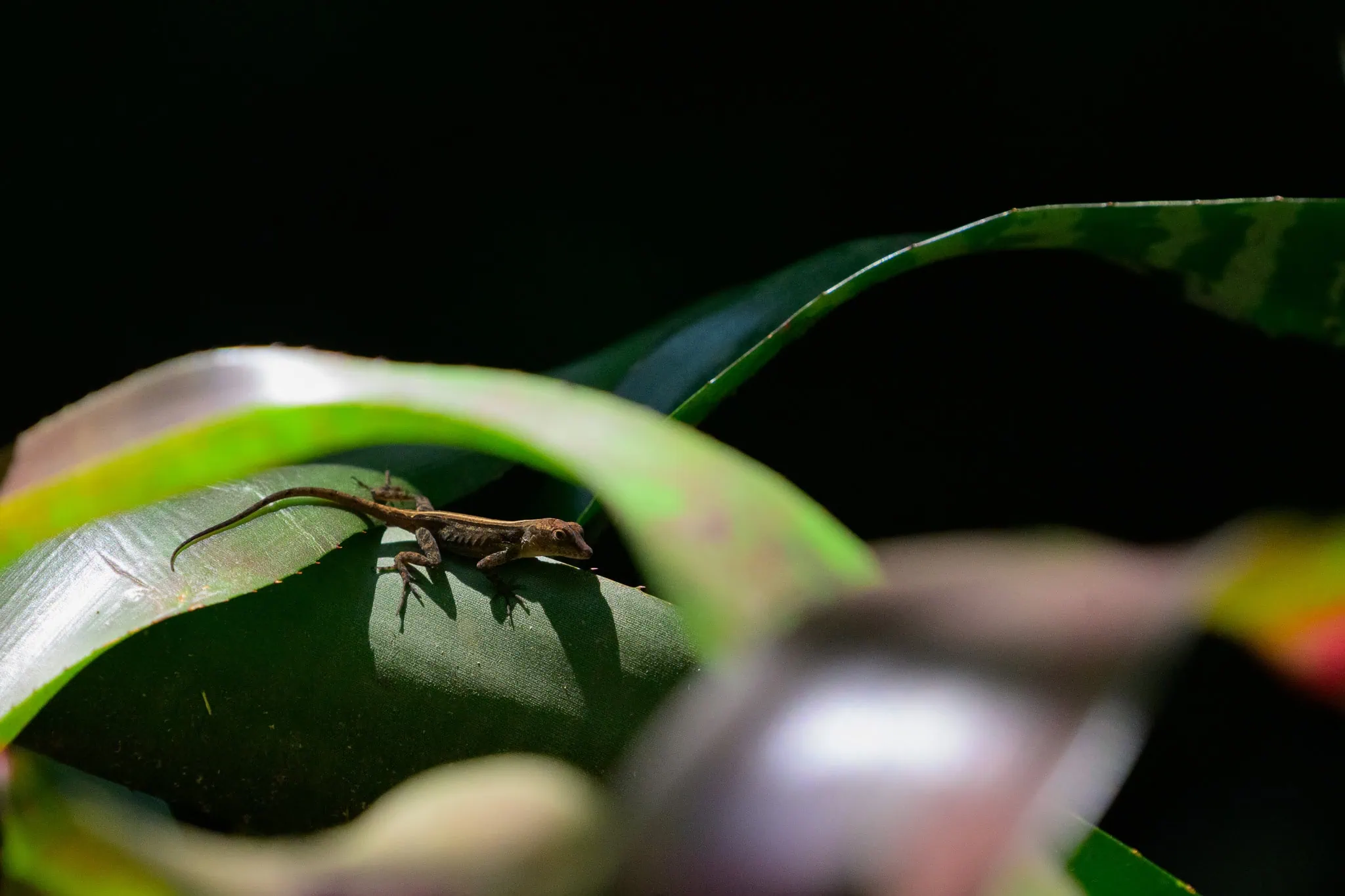
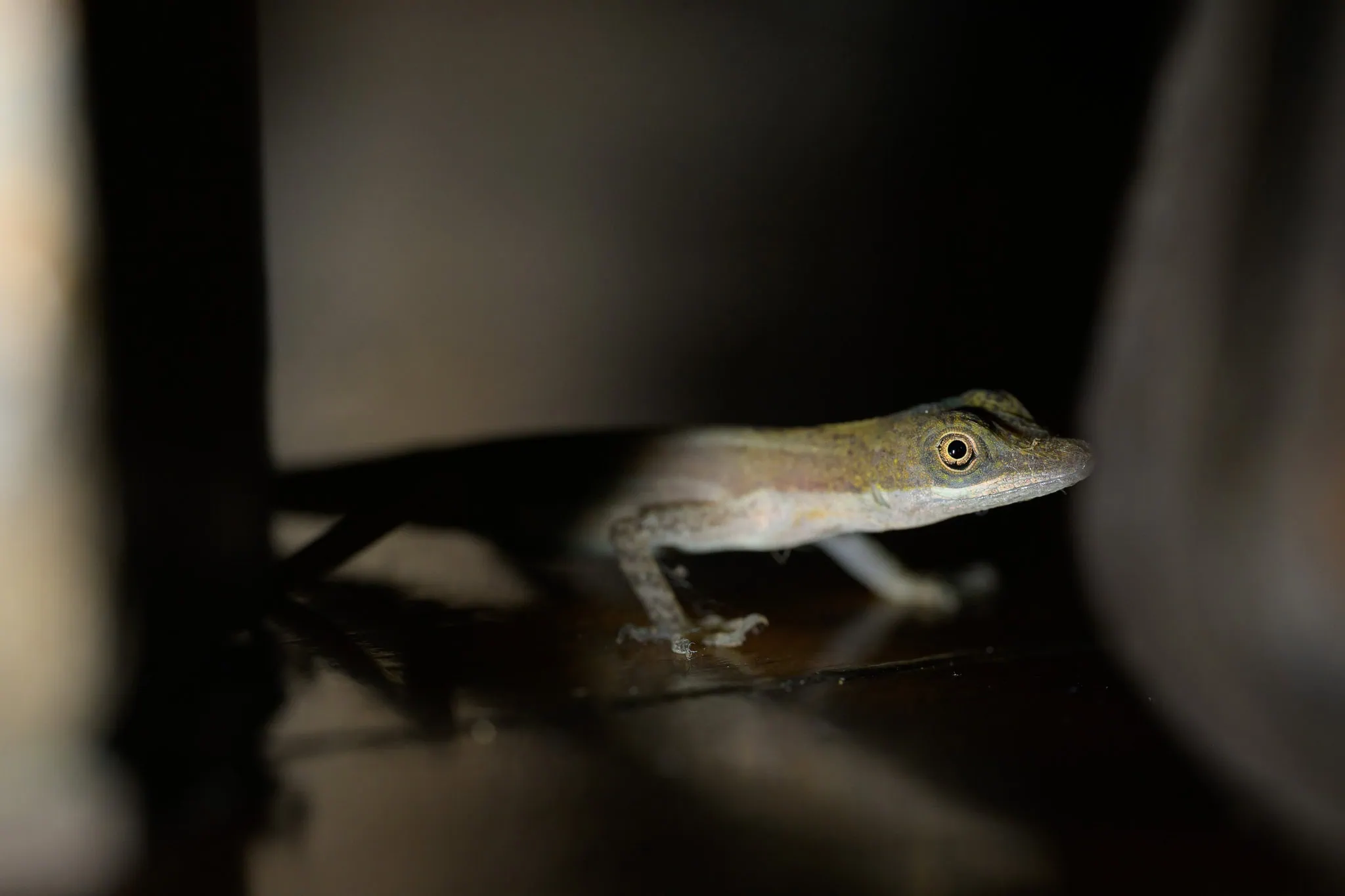
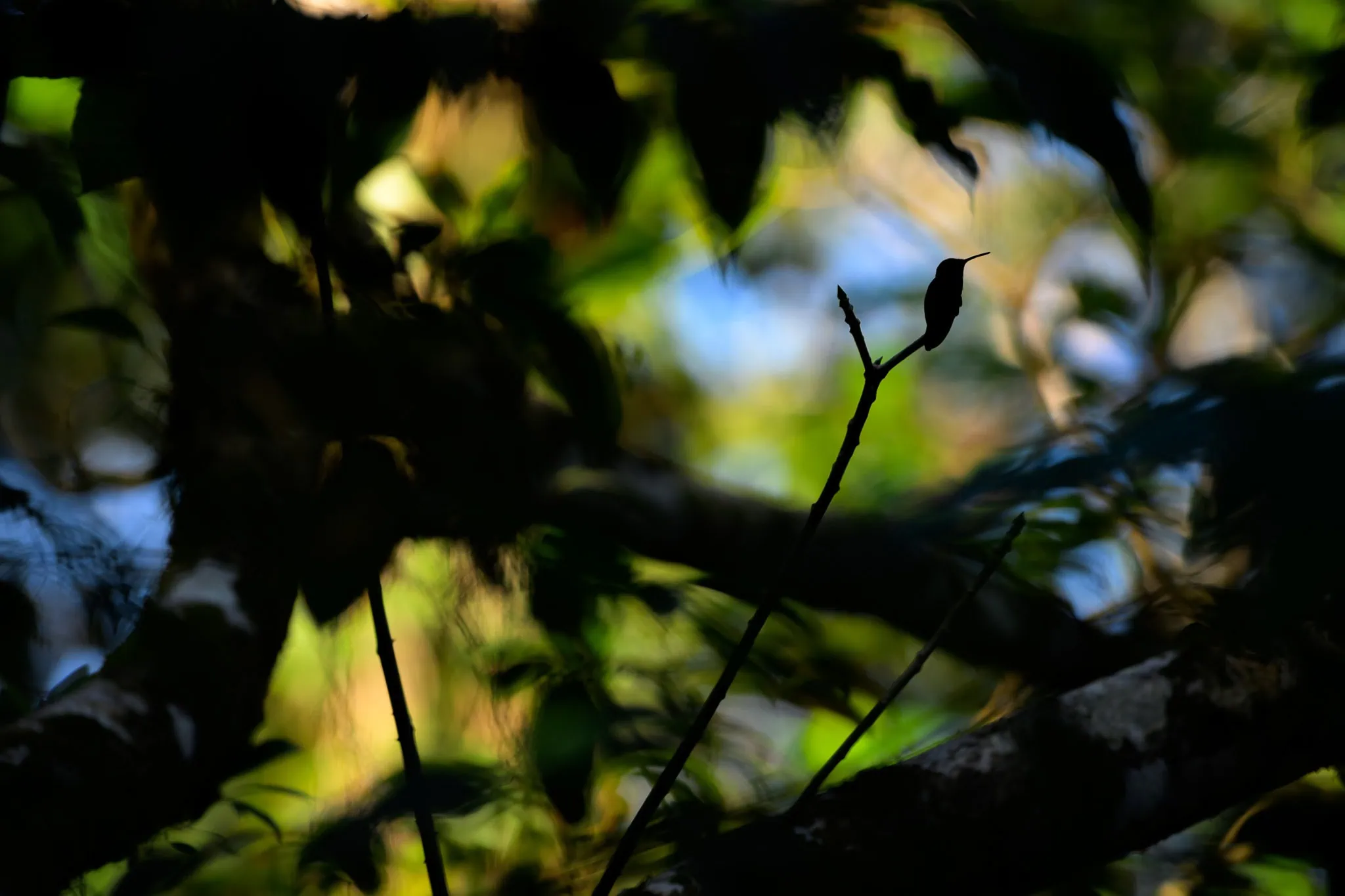
Cahuita National park
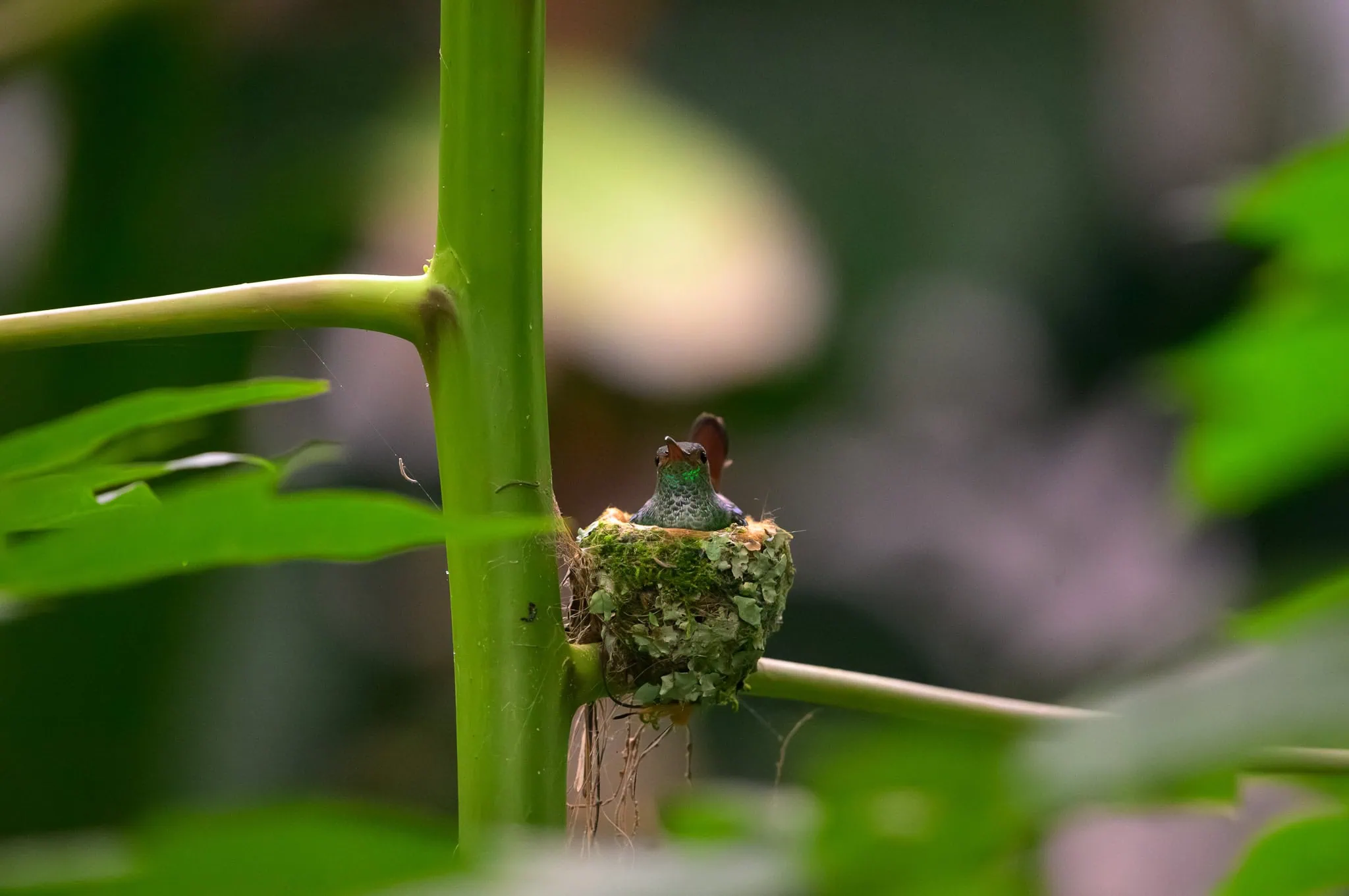
Our new accommodation was the complete opposite of our jungle house: cramped, dark, and very, very hot. Since there was no air conditioning, we escaped to the pool as quickly as possible. That’s where we found our first wildlife highlight: a hummingbird nest right next to the pool. We were able to watch a rufous-tailed hummingbird (Amazilia tzacatl) brooding from the water.
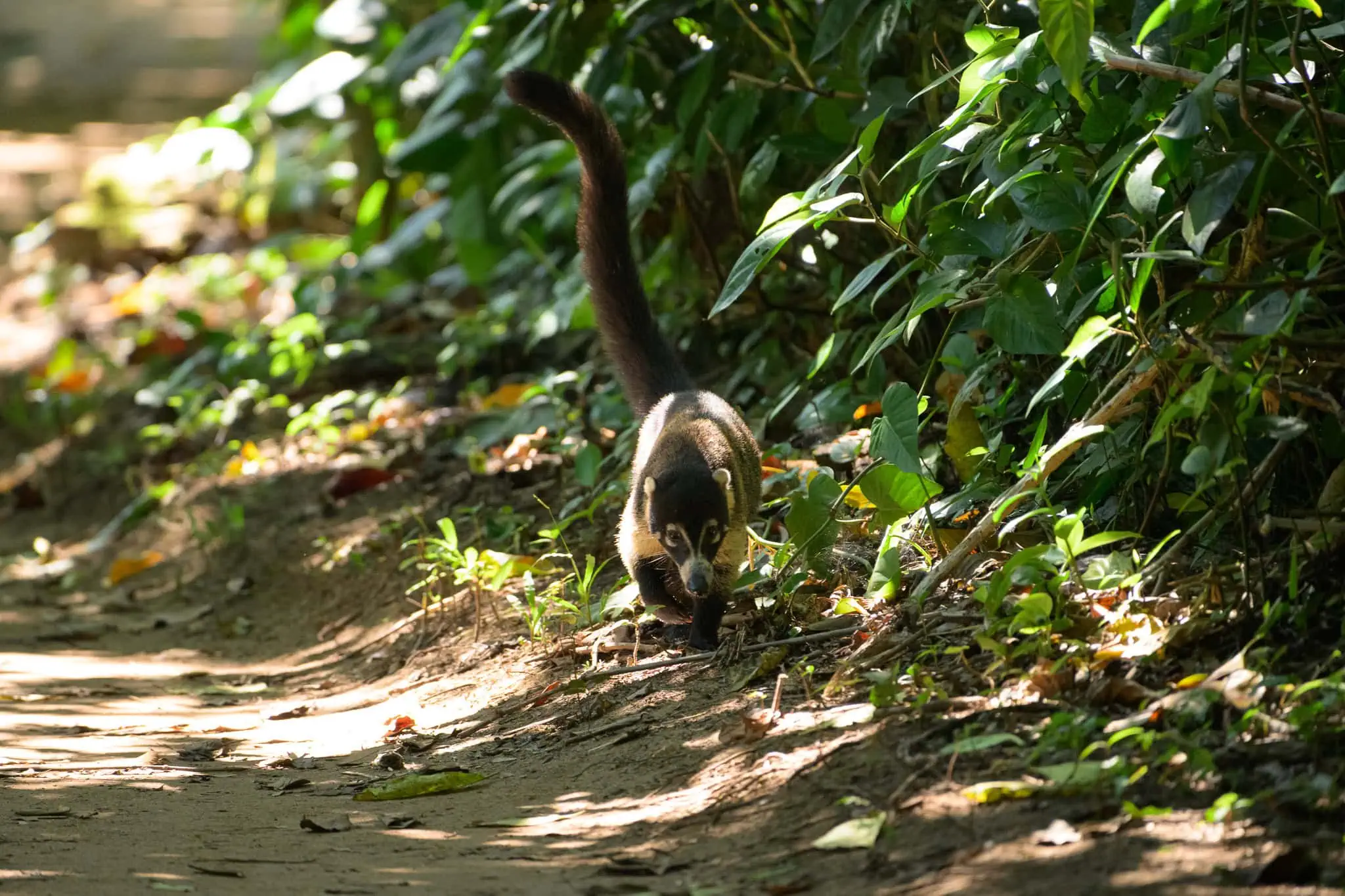
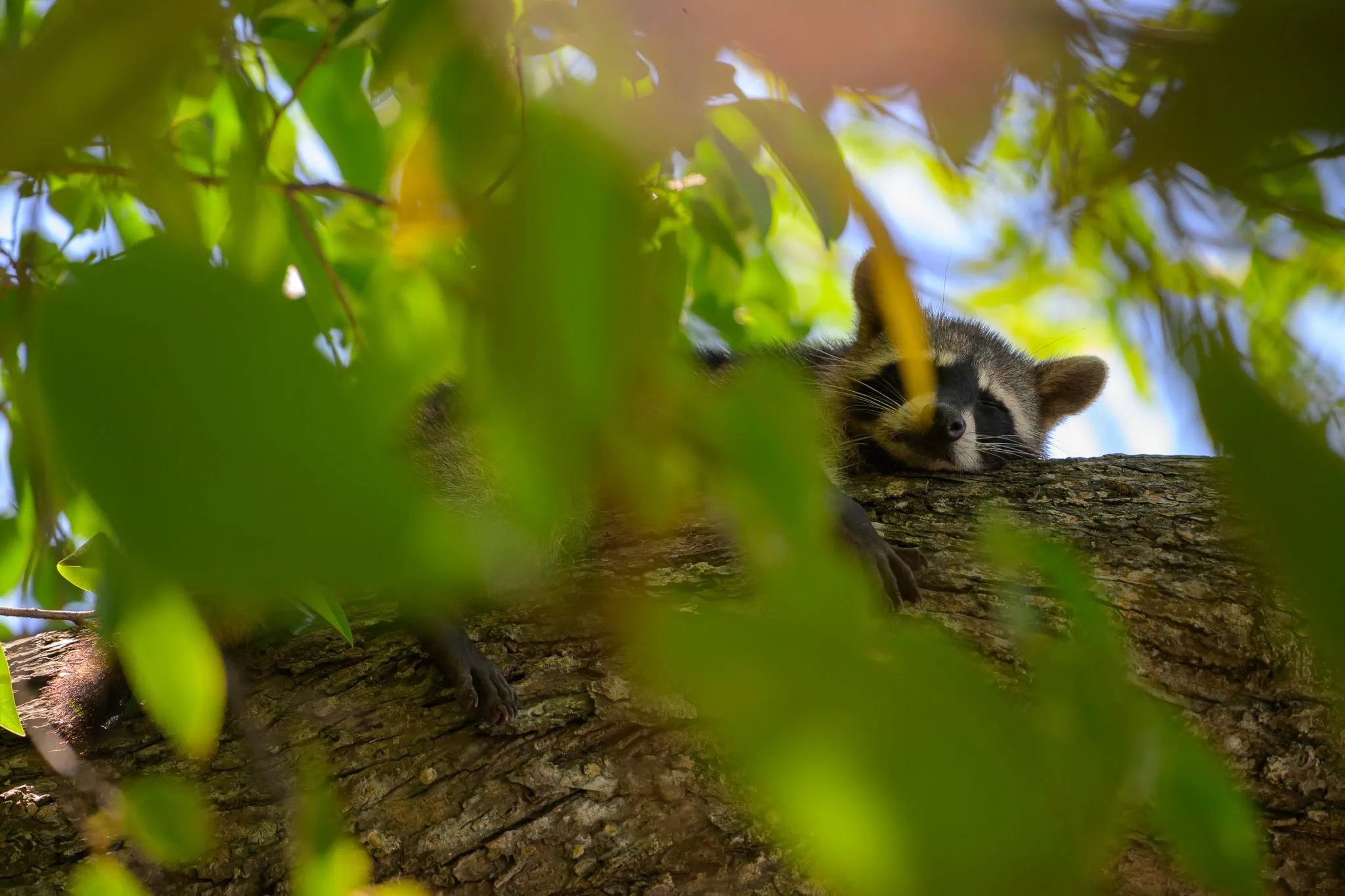
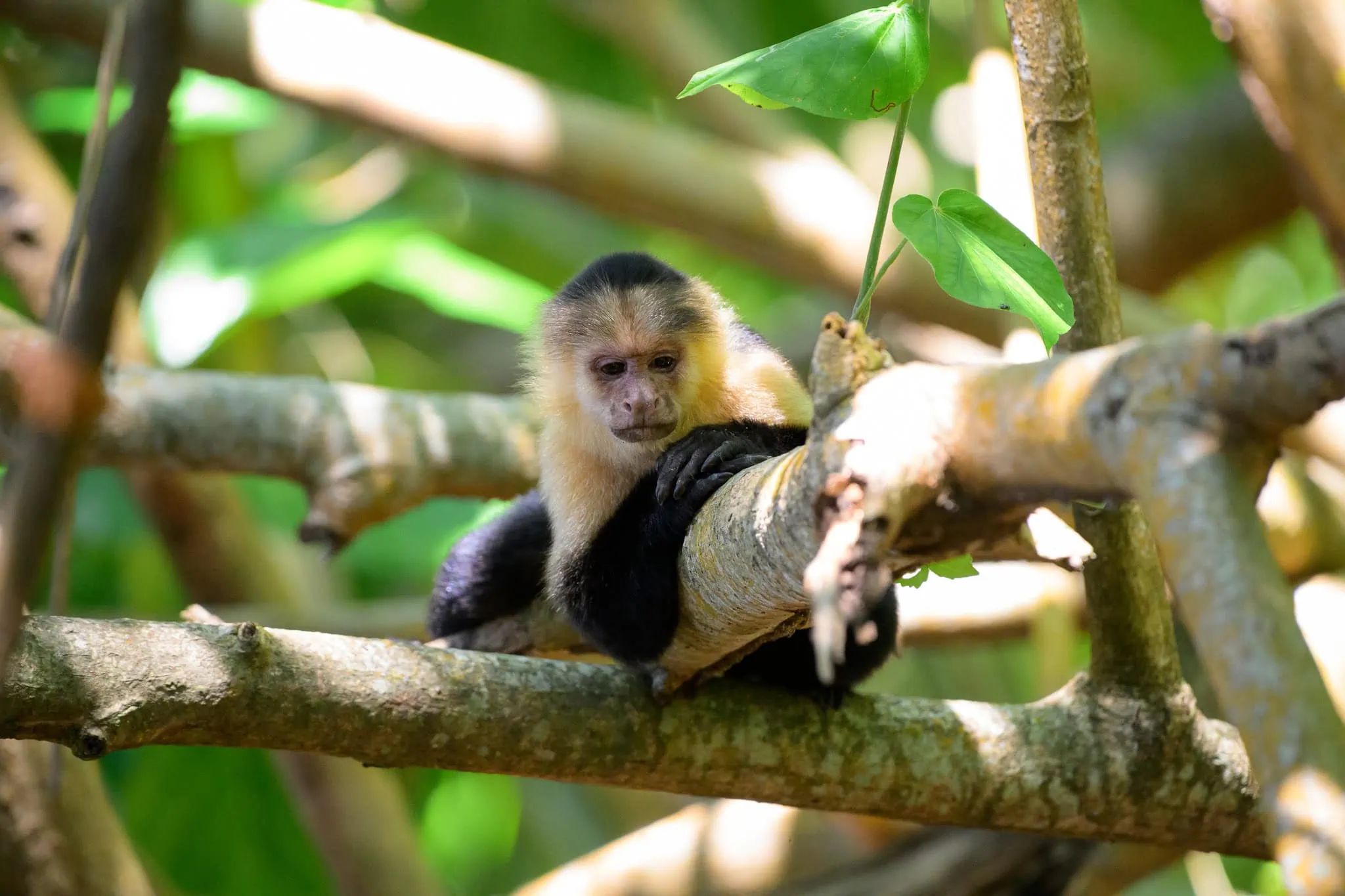
The next day, we got up very early to escape the heat of the national park. At the entrance, we first had to fight our way through a wall of guides offering their services. However, it quickly became clear that a guide was definitely not necessary here. The first section was so crowded that you immediately noticed whenever a guide spotted an animal. After a few kilometers, the crowds thinned out significantly, and we were able to enjoy and explore the national park properly. In between, there were sections that led along the beach, so we went for a swim as well. We saw countless Panamanian white-faced capuchins (Cebus imitator), Northern raccoons (Procyon lotor hernandezii), and a white-nosed coati (Nasua narica).
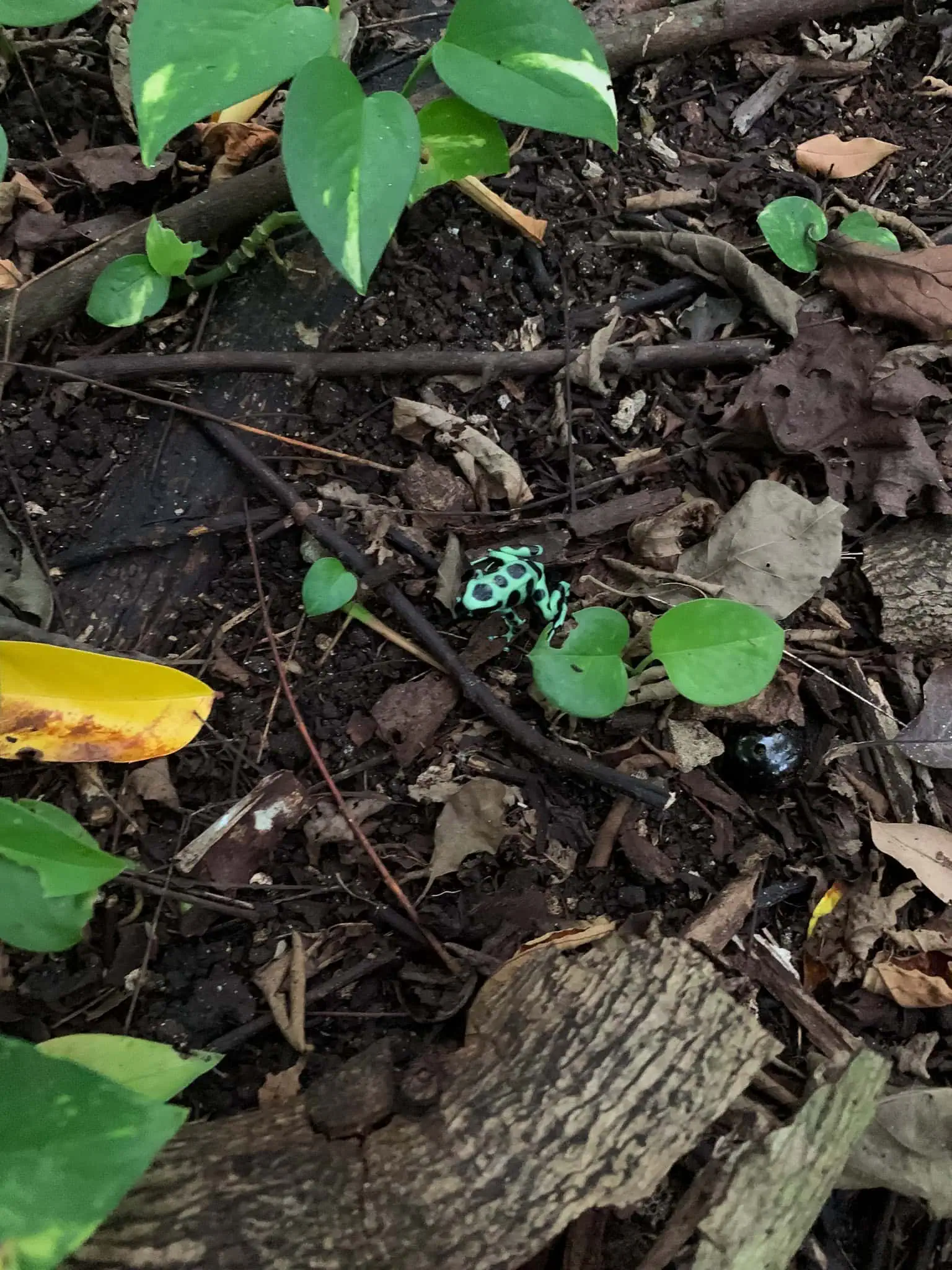
In the afternoon, I explored the woods behind our accommodation and found a small green-and-black poison dart frog (Dendrobates auratus)—the first poison dart frog of this trip. Then it was back into the pool one last time before packing up, as we were heading toward Tortuguero National Park early the next morning.
tortuguero national park
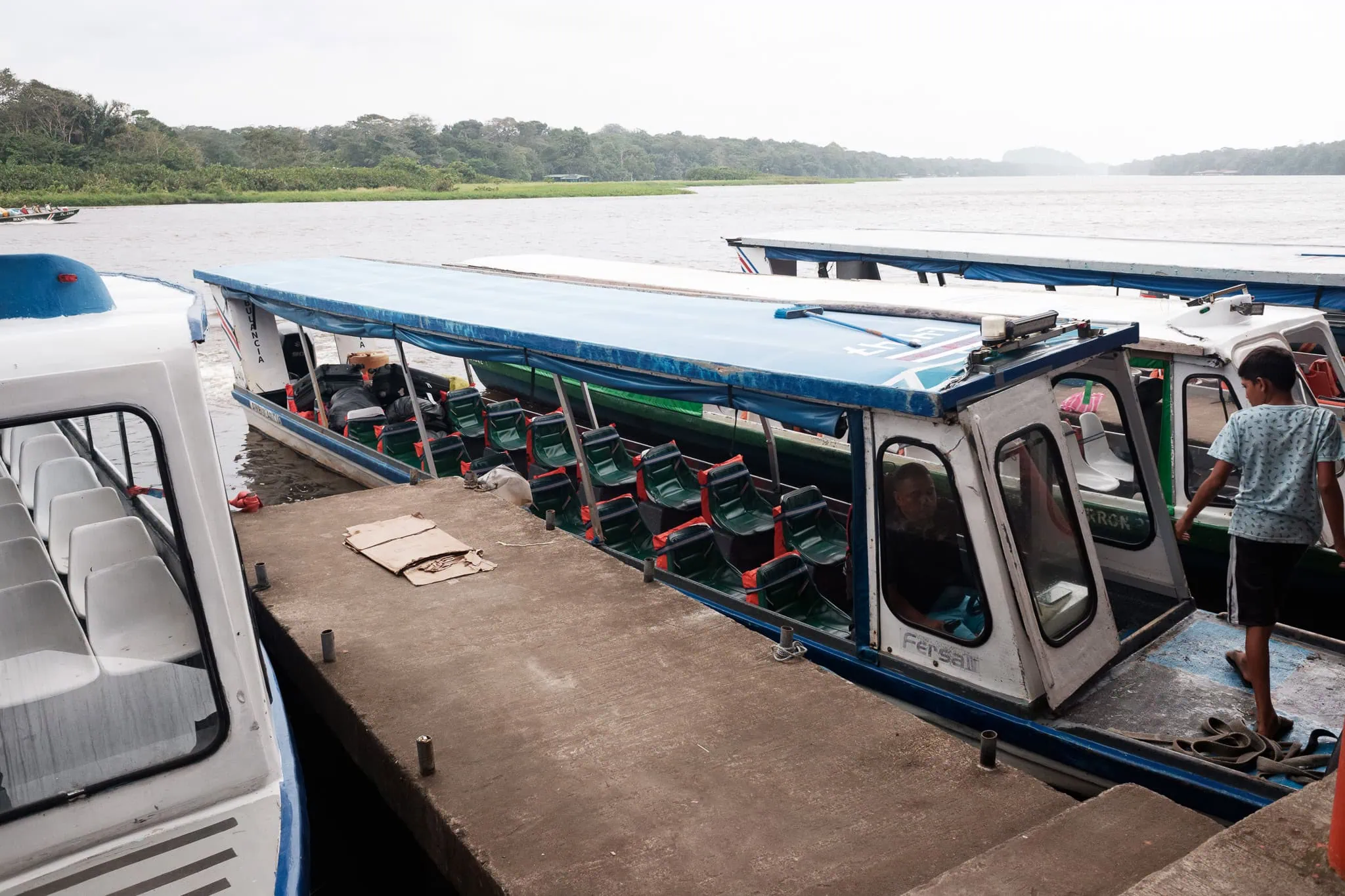
Tortuguero National Park can only be reached by boat. So, we parked our Geely in the parking lot of the small harbor, packed everything we would need for the next two days, and sat down in the waiting area. I already started researching which tours were absolute must-dos and quickly found a good tour provider. Fortunately, there were still five spots left for us, so I booked the full-day tour.
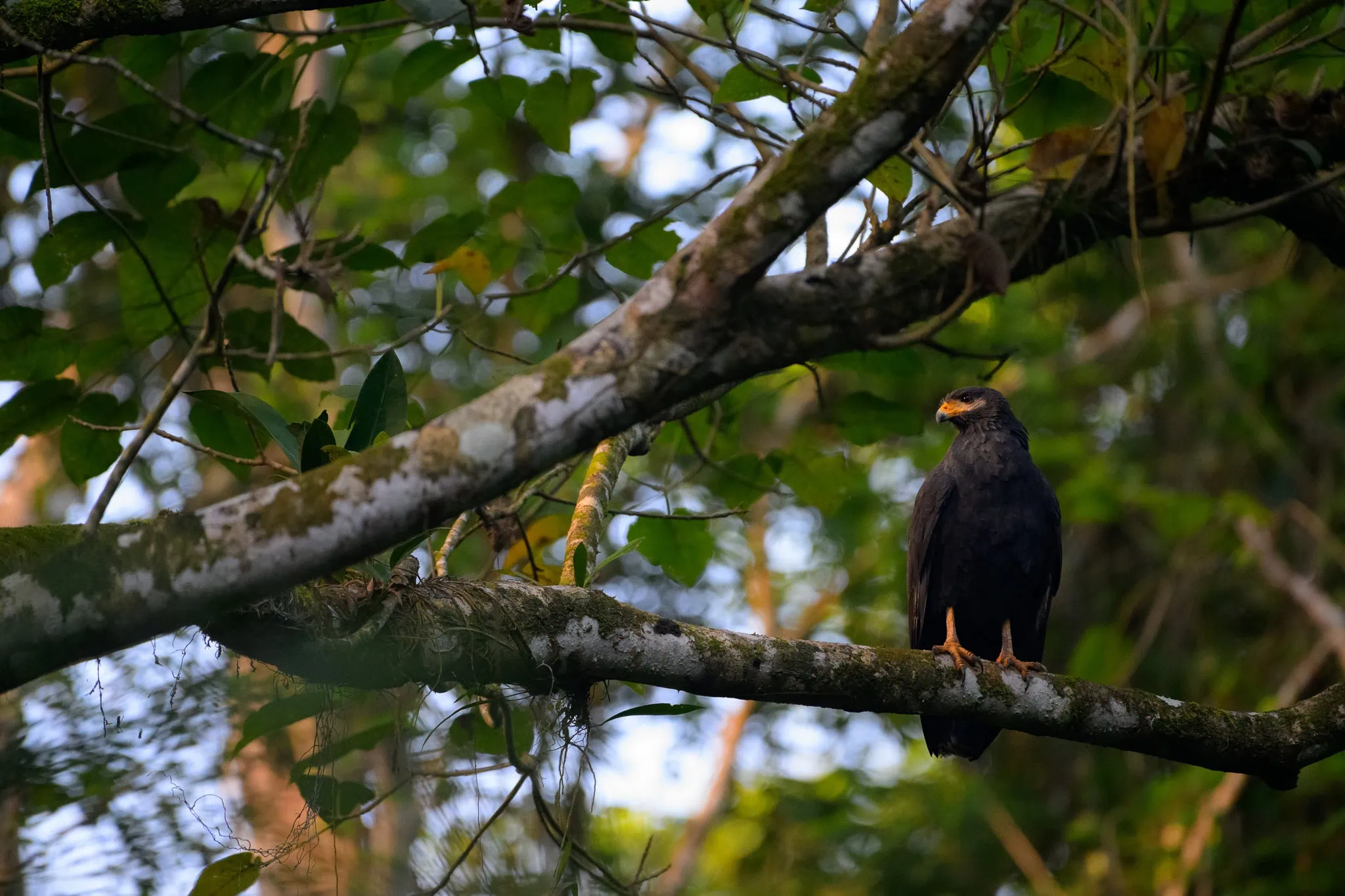
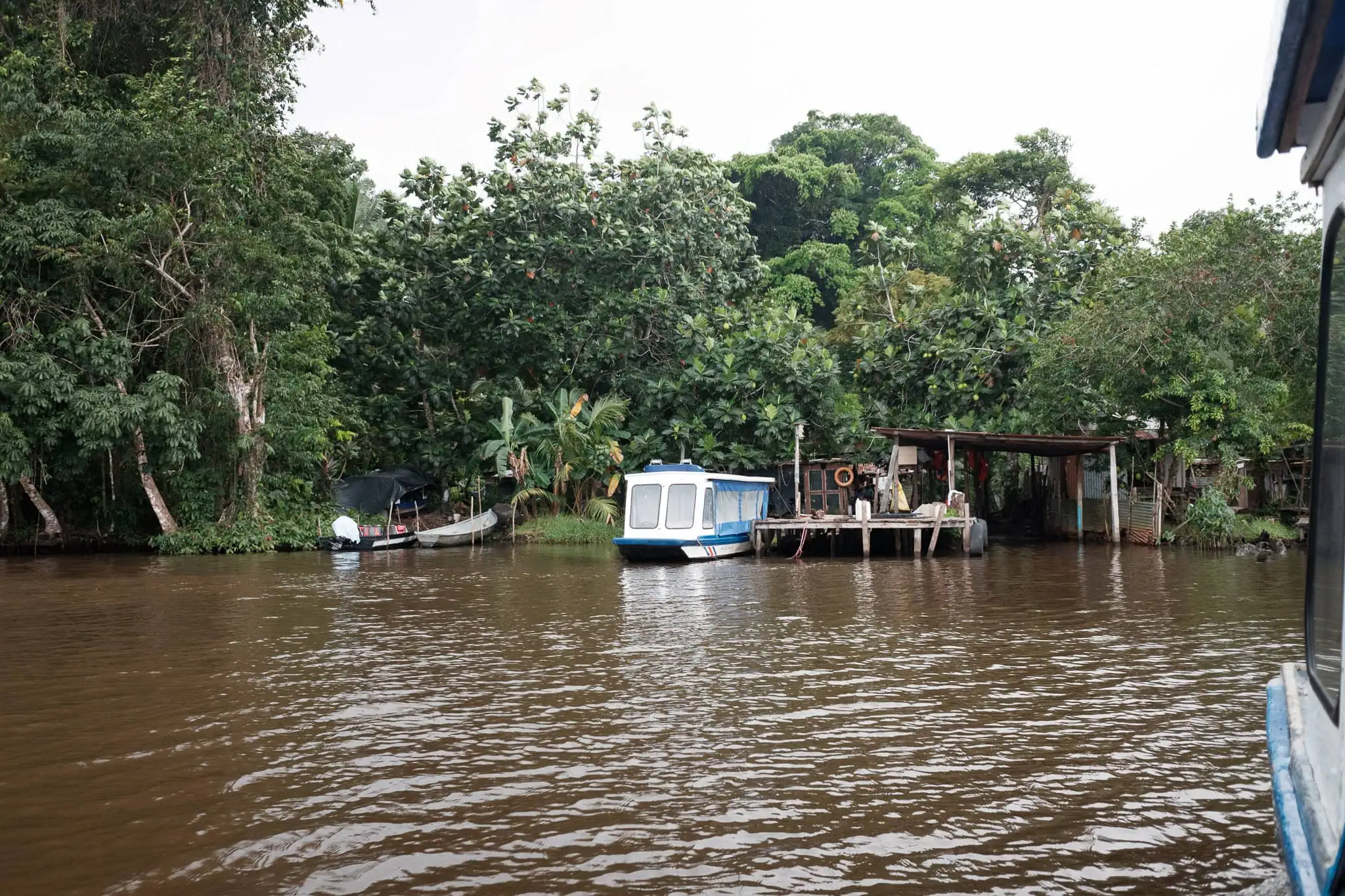
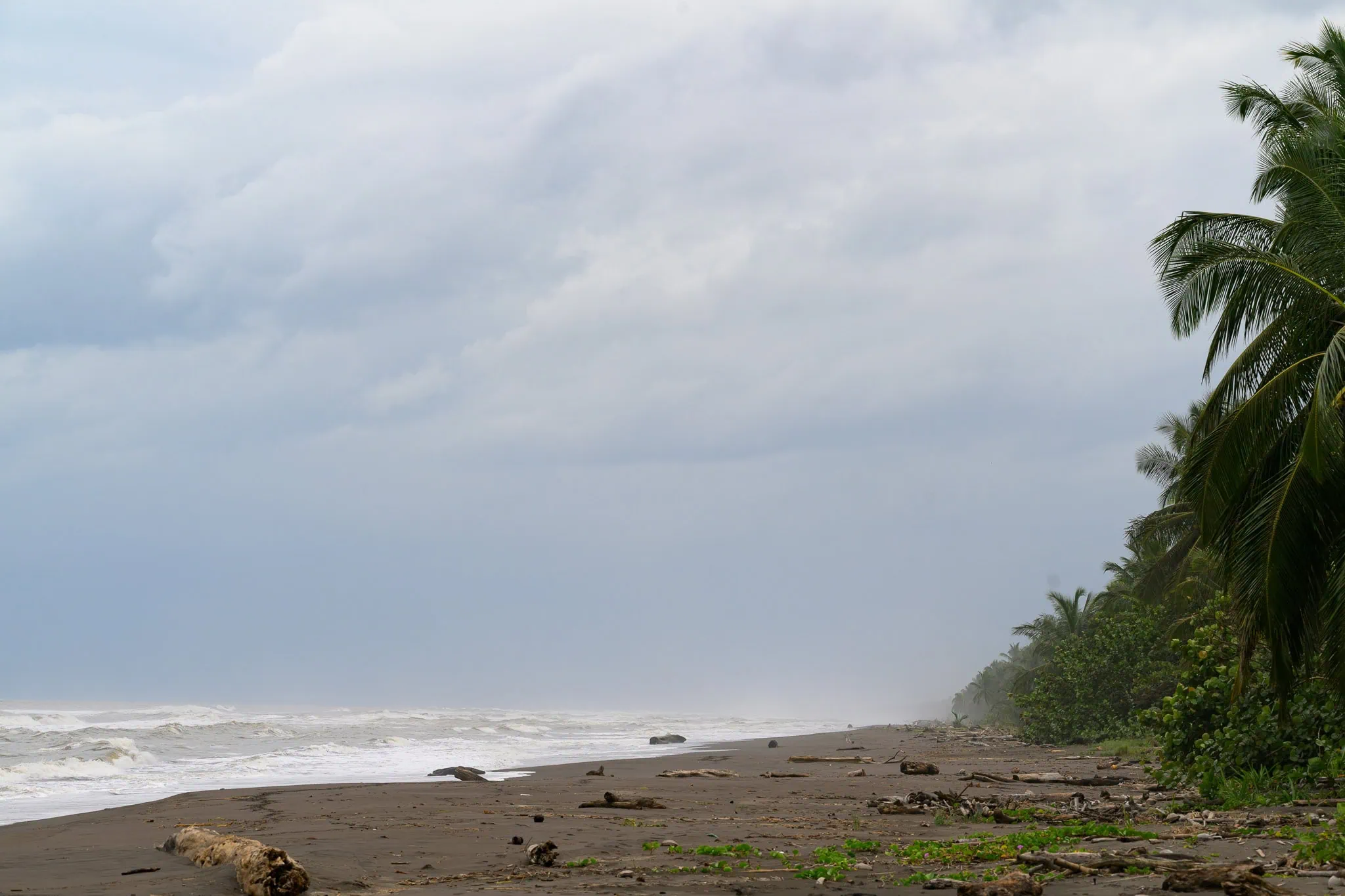
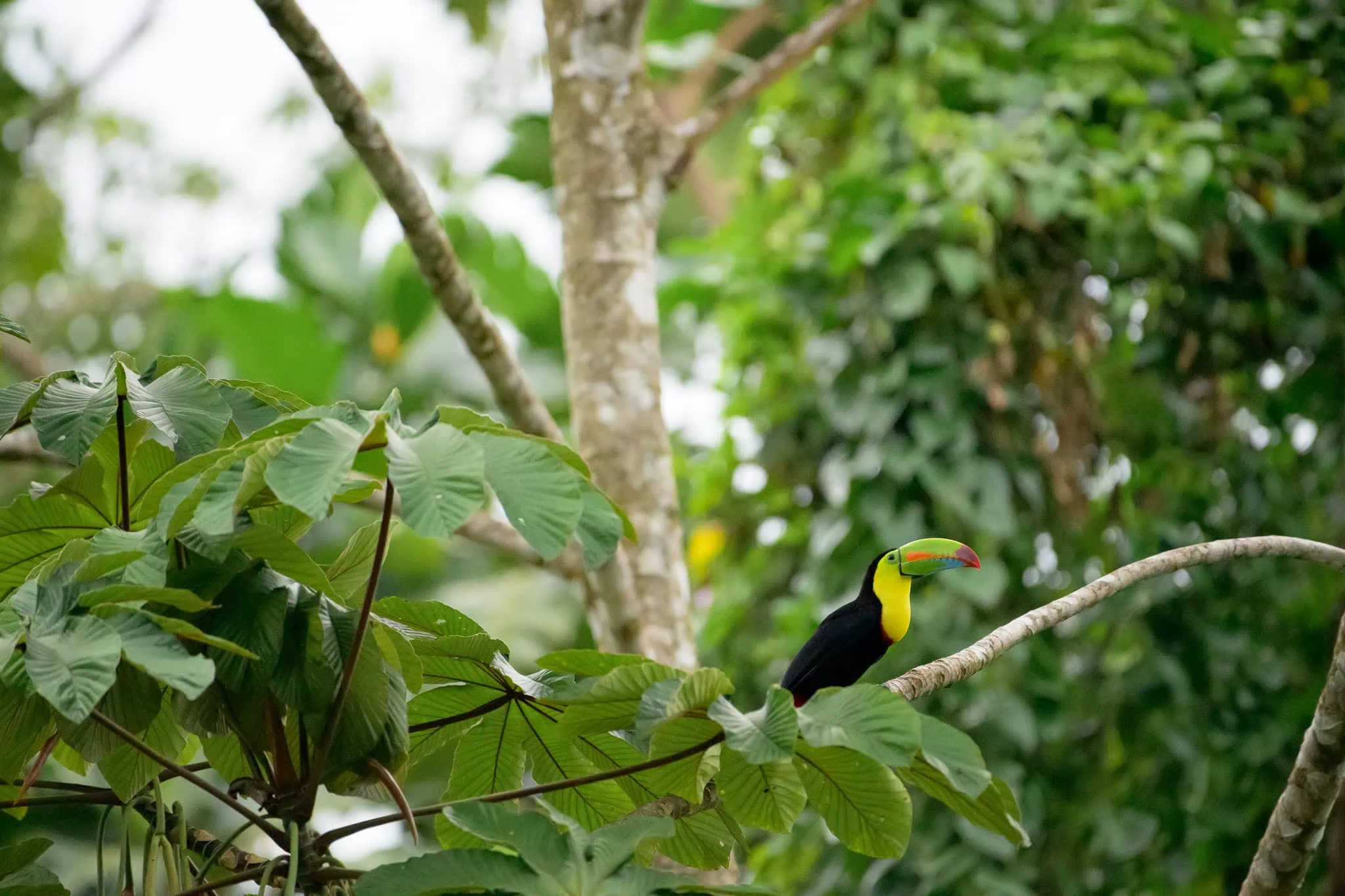
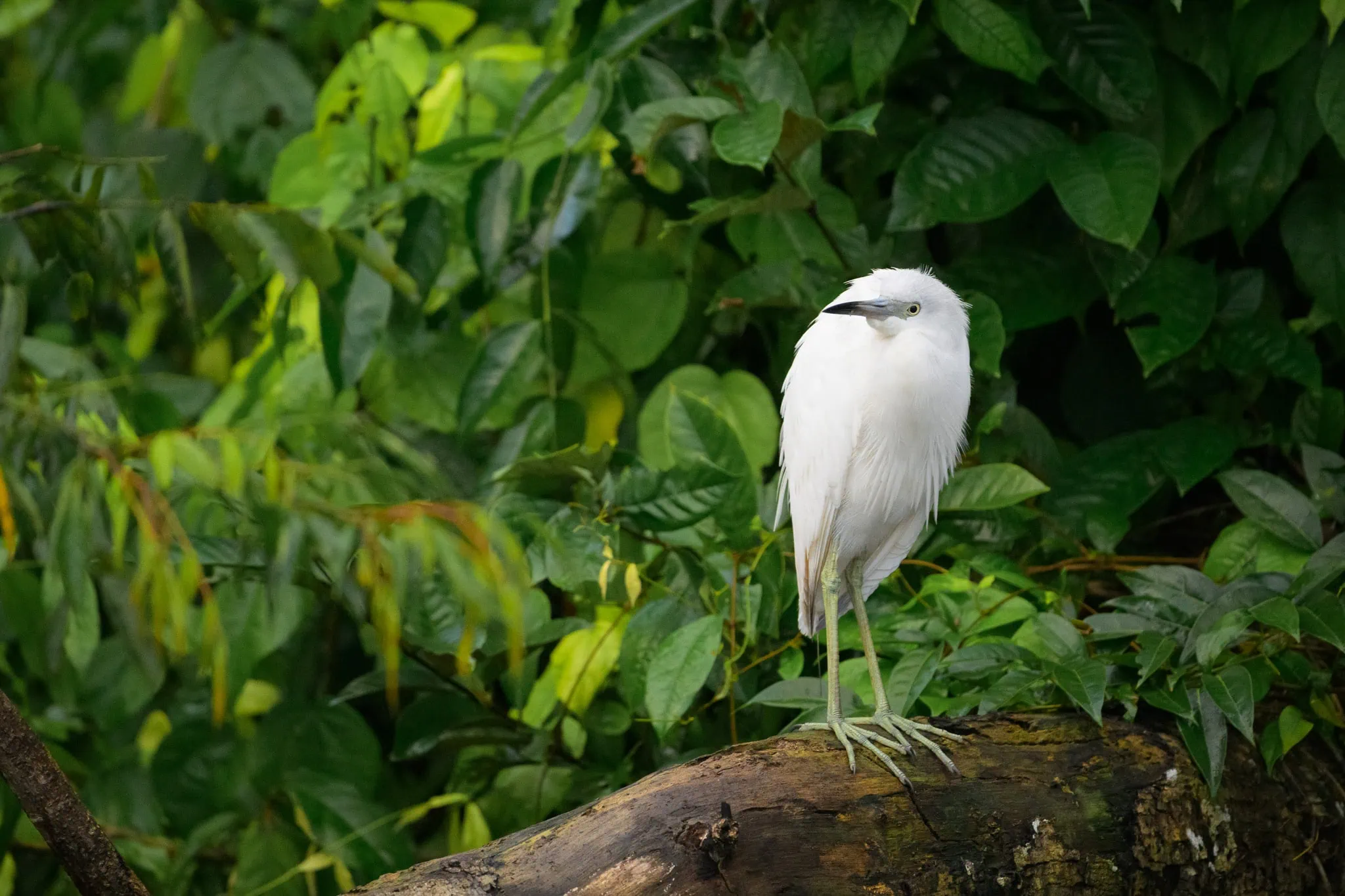
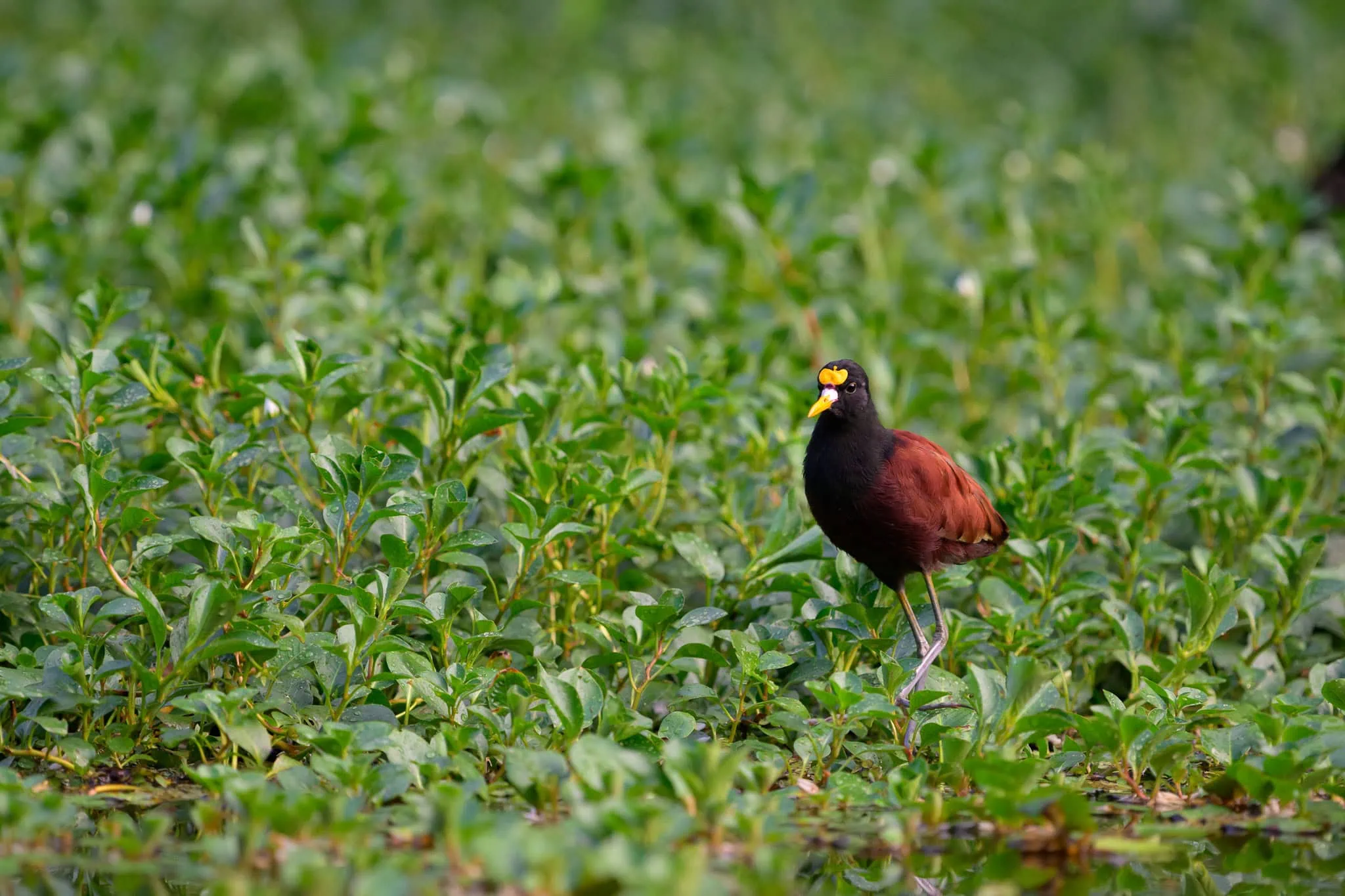
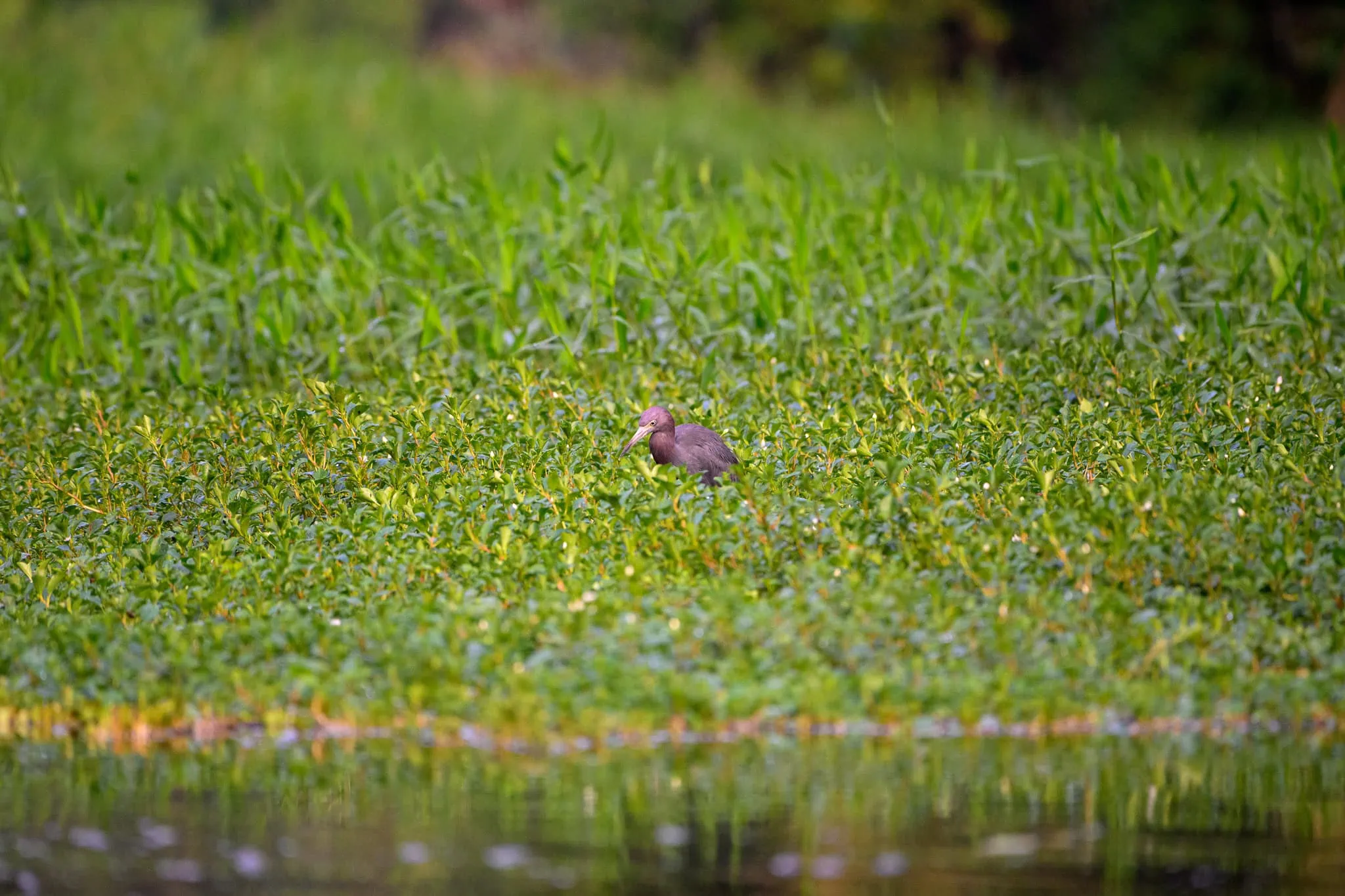
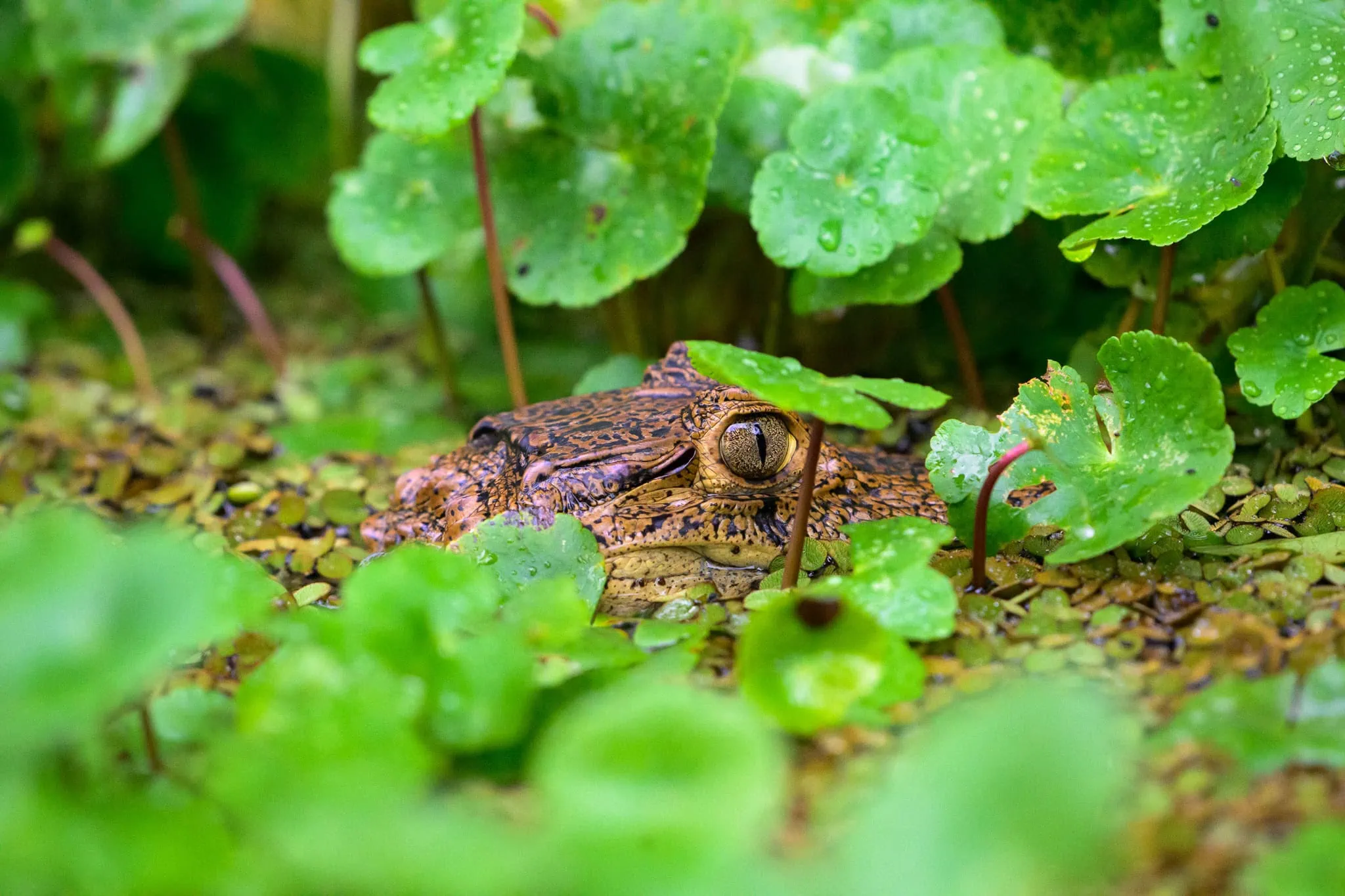
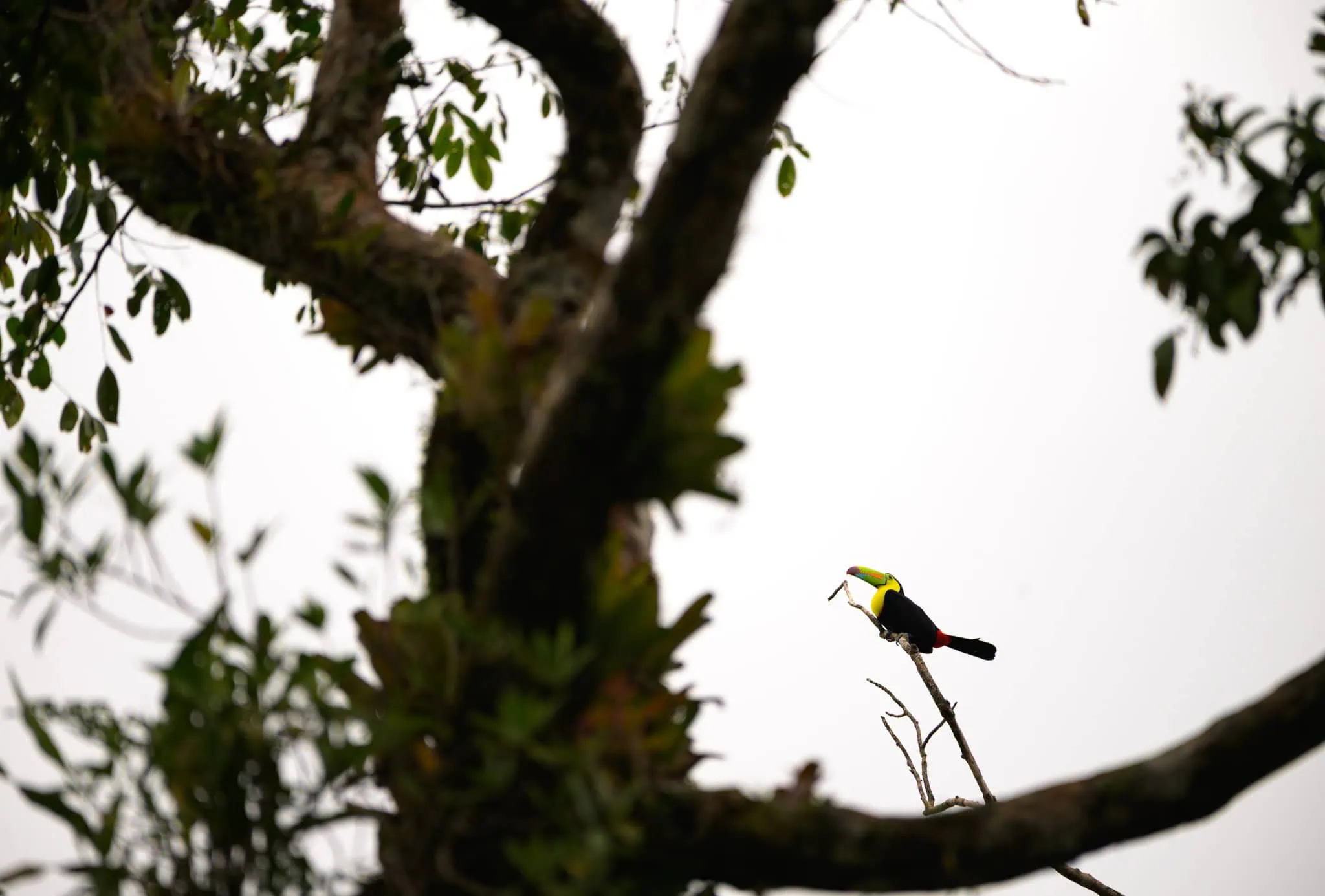
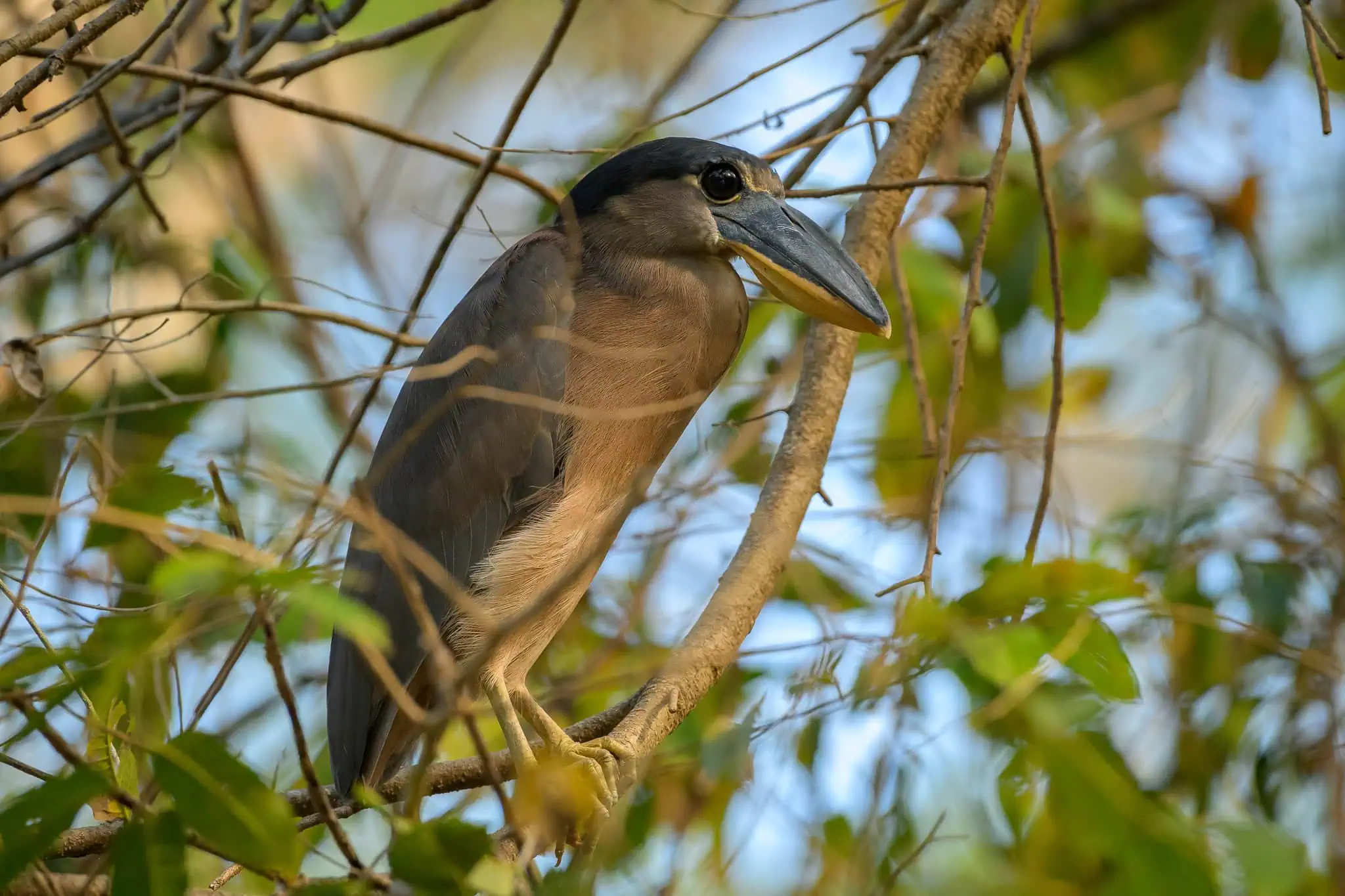
The boat ride was beautiful. We traveled through dense jungle; the banks were lined with crocodiles (Crocodylidae) and caimans (Caimaninae), and toucans (Ramphastidae) sat in the trees, watching us closely. We enjoyed the trip immensely and couldn’t stop marveling. If this was just the journey there, what would the park itself be like? After an hour and a half, we reached the small town in the heart of the national park and checked into our hotel first. It was located right on the beach and offered a great view of the very turbulent and wild Caribbean Sea.
Tortuguero National Park (by the way, Tortuguero means “turtle catcher”) has one of the largest populations of jaguars (Panthera onca) relative to its size. So, the chances of spotting one were very high. With this excitement, we explored the small promenade by the harbor, had dinner, and went to bed early.
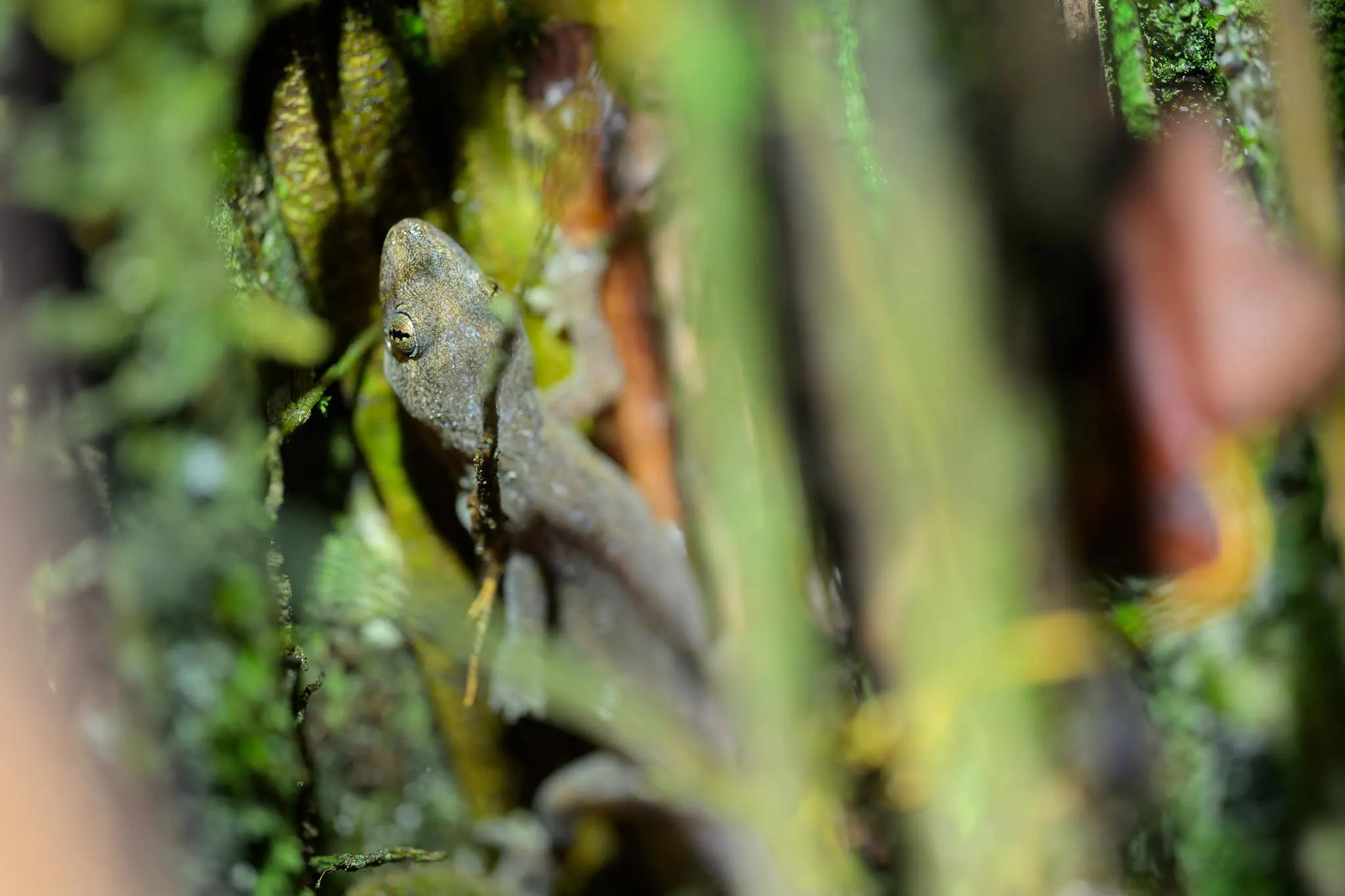
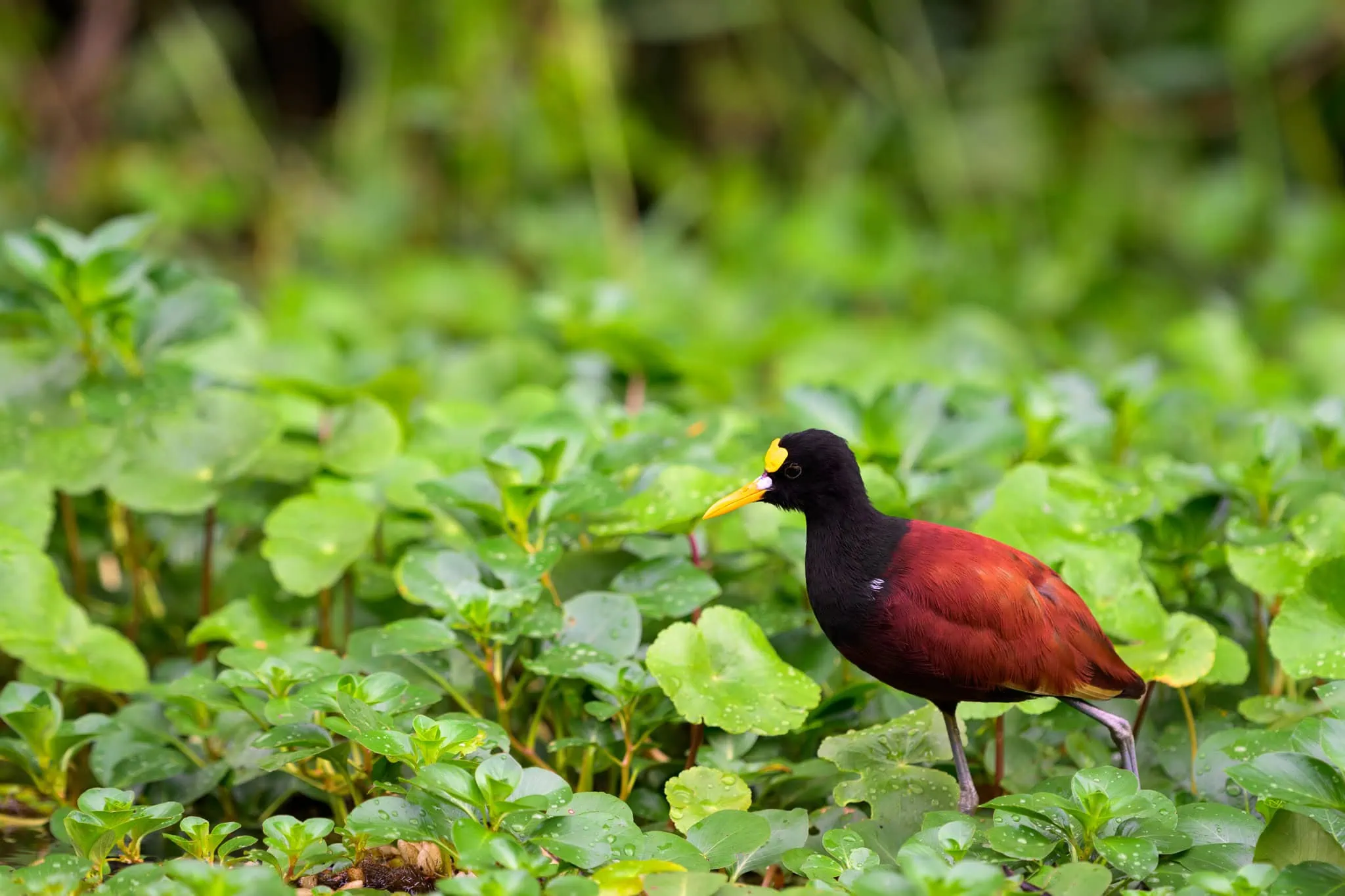
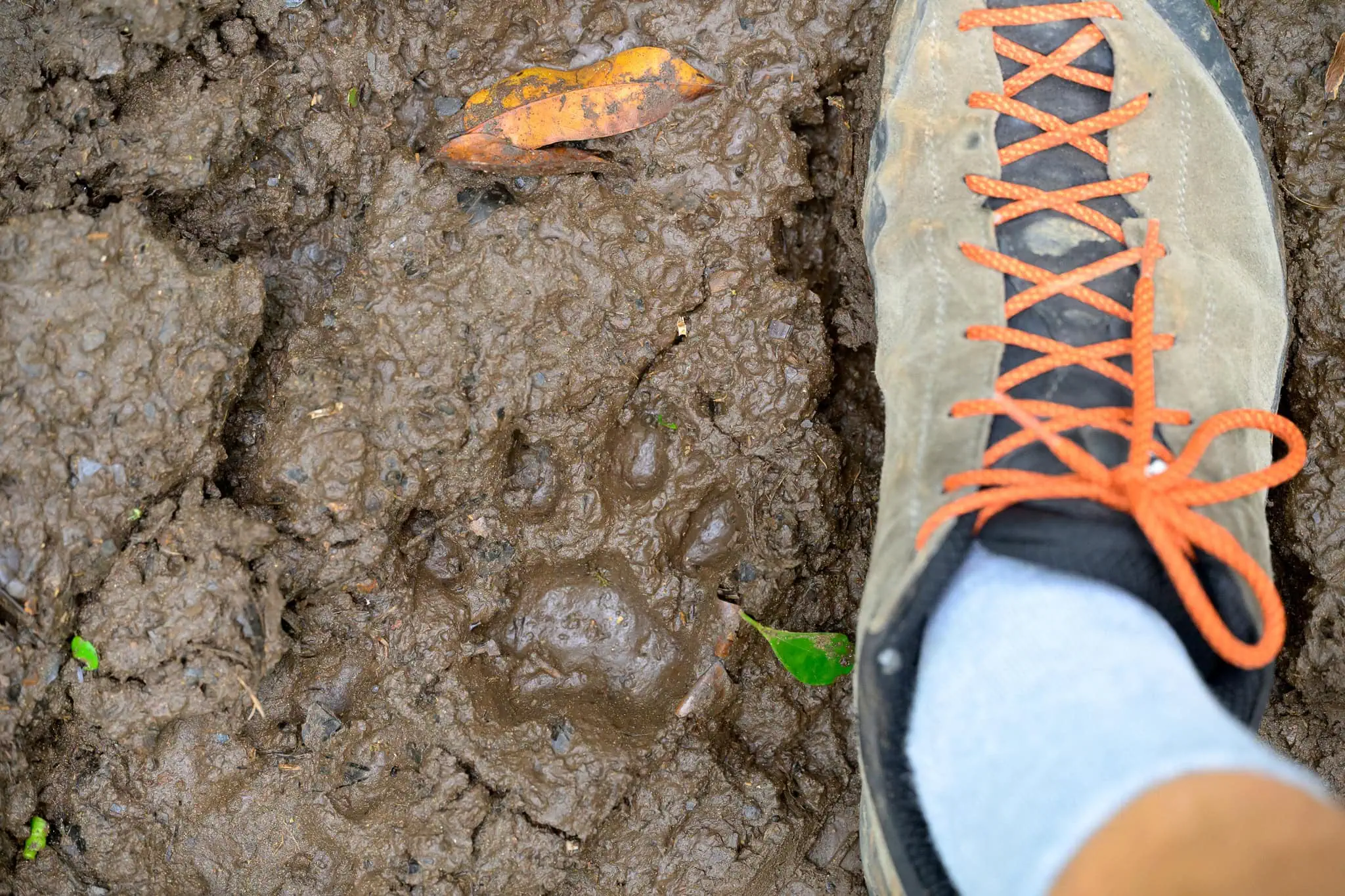
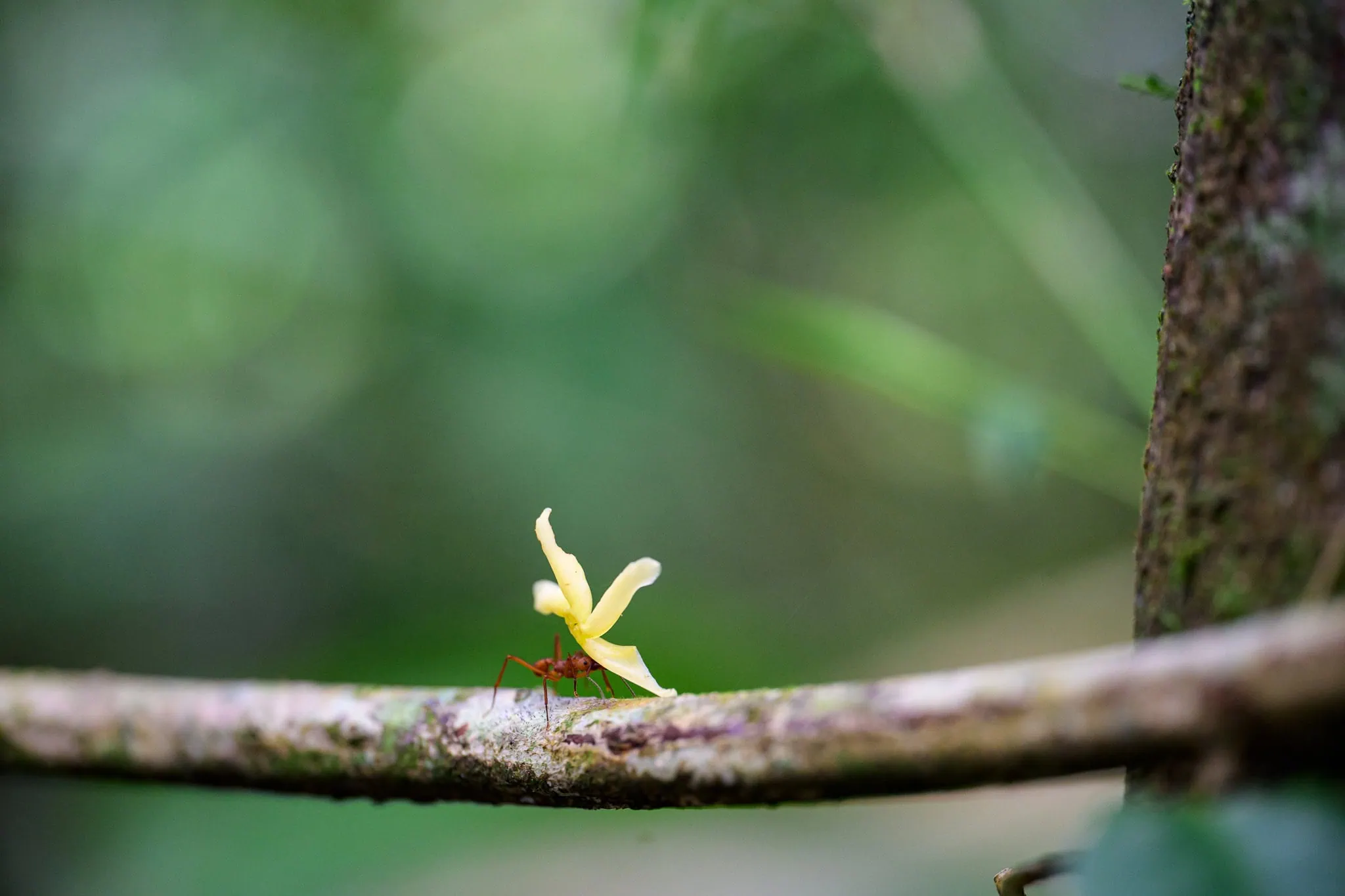
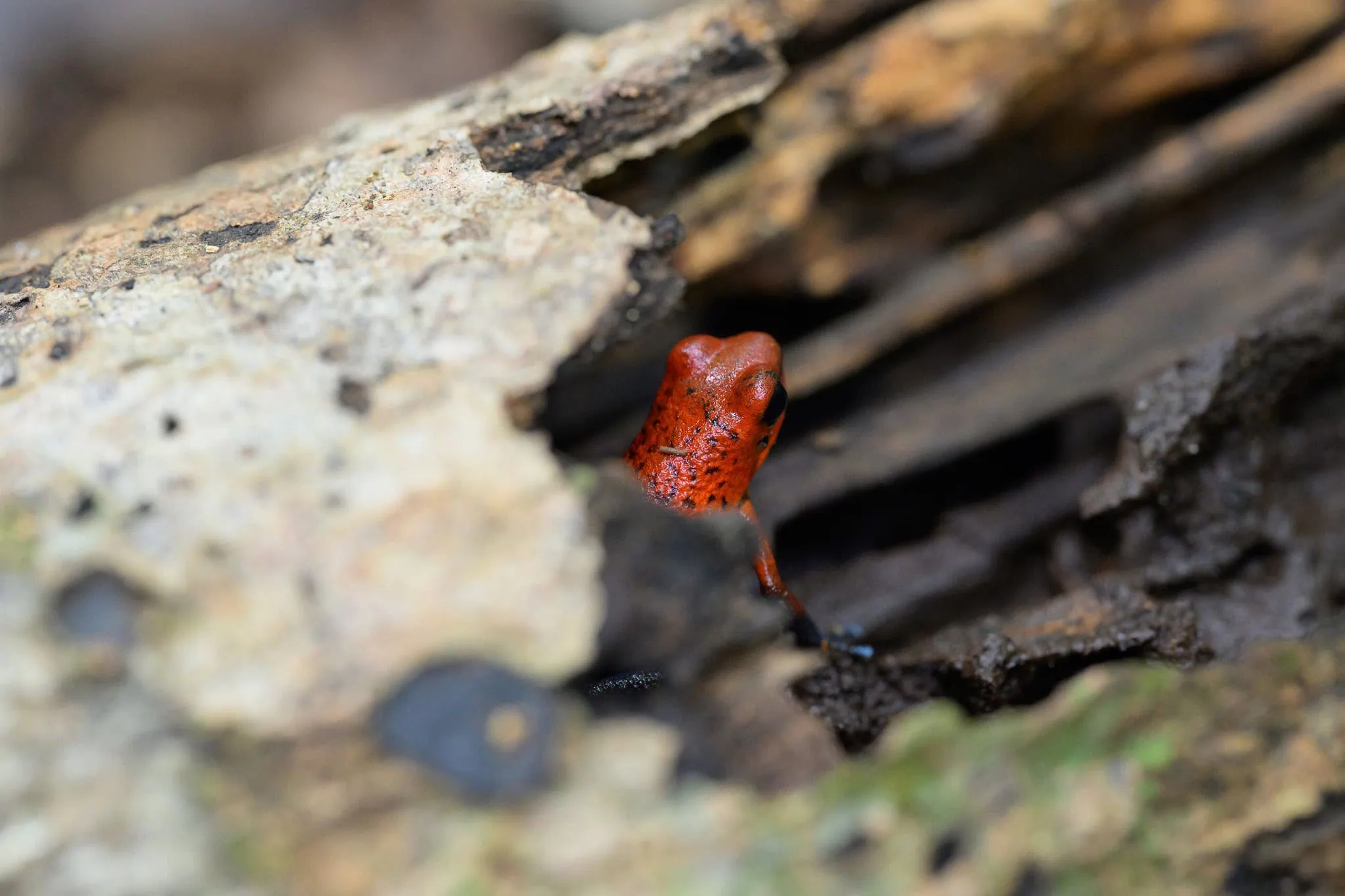
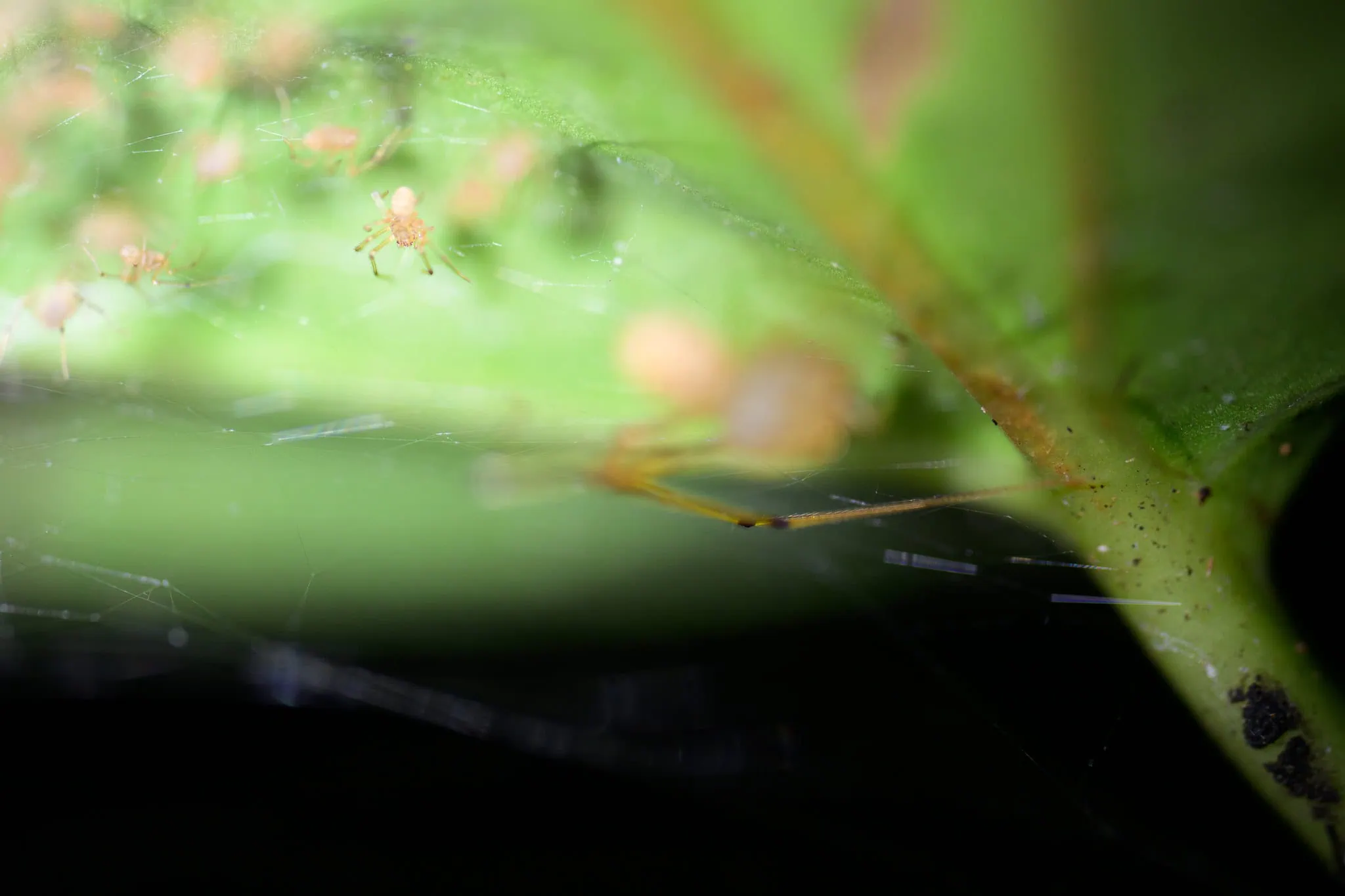
The next morning, we stood in front of a small house at 4:30 AM, where our guide, Chamba, was just launching the boat. It was a spacious canoe with an electric motor; this allowed us to enter areas of the national park that regular boats with internal combustion engines were not permitted to access. The tour began as a bird-watching trip and then turned into a search for jaguars in the park’s countless channels. After a few hours, we returned to the harbor without a jaguar but with many other fantastic impressions. We had some time for a quick breakfast before meeting up for a walk through the park. In one section deep in the forest, we noticed a strong, urine-like smell and then fresh jaguar tracks. Chamba told us that the jaguars even come into the town at night to hunt stray dogs. We were truly in the middle of the wilderness. Unfortunately, we didn’t find a jaguar here either, but we saw several strawberry poison frogs (Oophaga pumilio), leaf-cutter ants (Atta), and other small insects and amphibians.
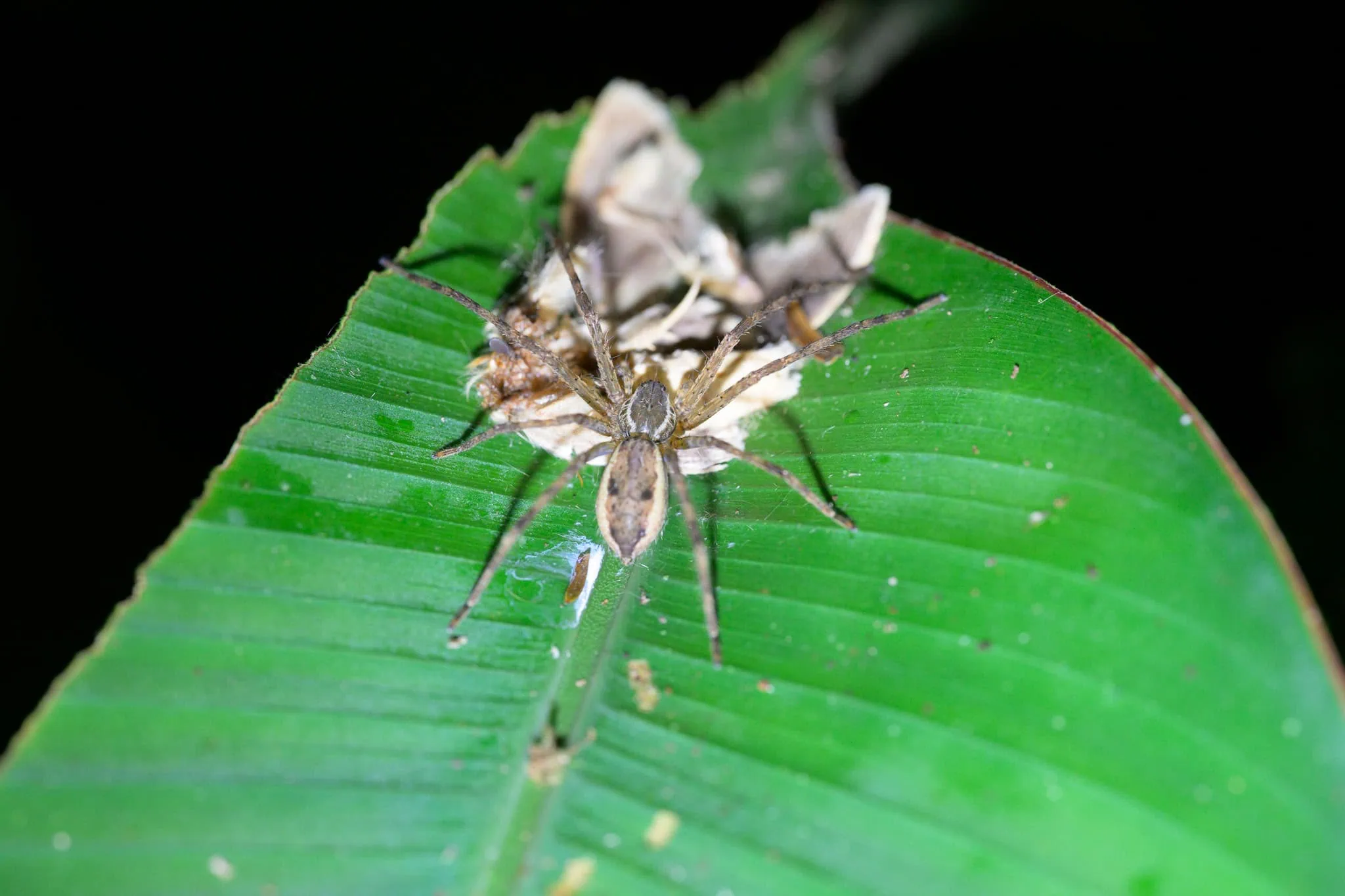
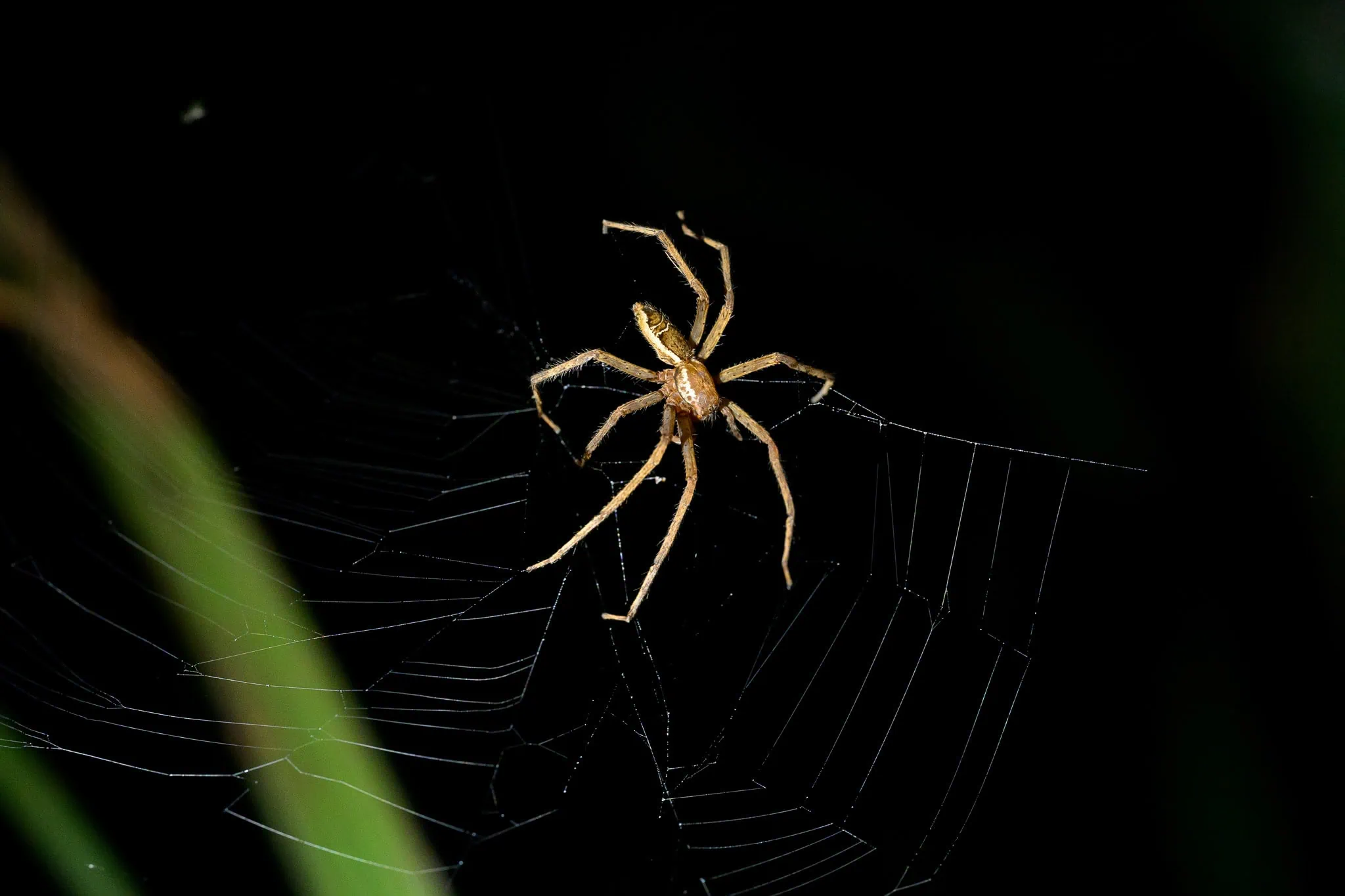
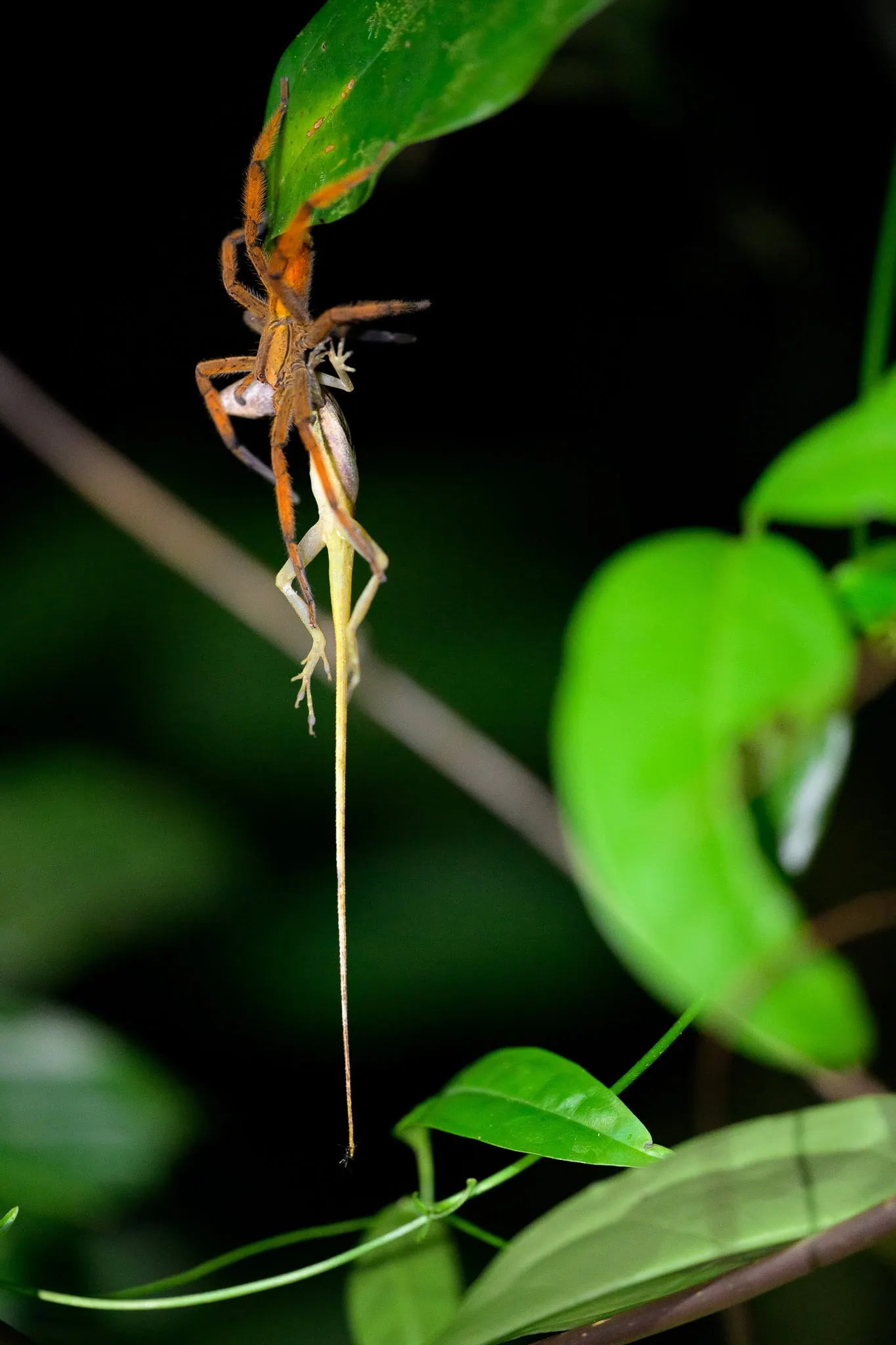
Since there can never be too many safaris and walks for me, I asked Chamba about a night safari. He mentioned he had access to a private property deep in the forest and could lead us through it tonight. Paula, my mom, and I took the plunge and met Chamba at the harbor at 6:30 PM. We took the boat to the other side and back deep into the forest. They let us out at a small jetty. We were warned once again that there were highly venomous snakes here, such as the Fer-de-Lance (Bothrops asper), and spiders, and that we had to be careful and wait for him. Carelessly, we walked ahead while Chamba was paying the boatman. We got our first reprimand for that. The reason why quickly became clear: just a few meters away, a female fishing spider (Cupiennius getazi) had just caught and killed a small lizard. The spider was as large as the palm of my hand and beautifully colored. We learned our lesson and stuck close to Chamba from then on.
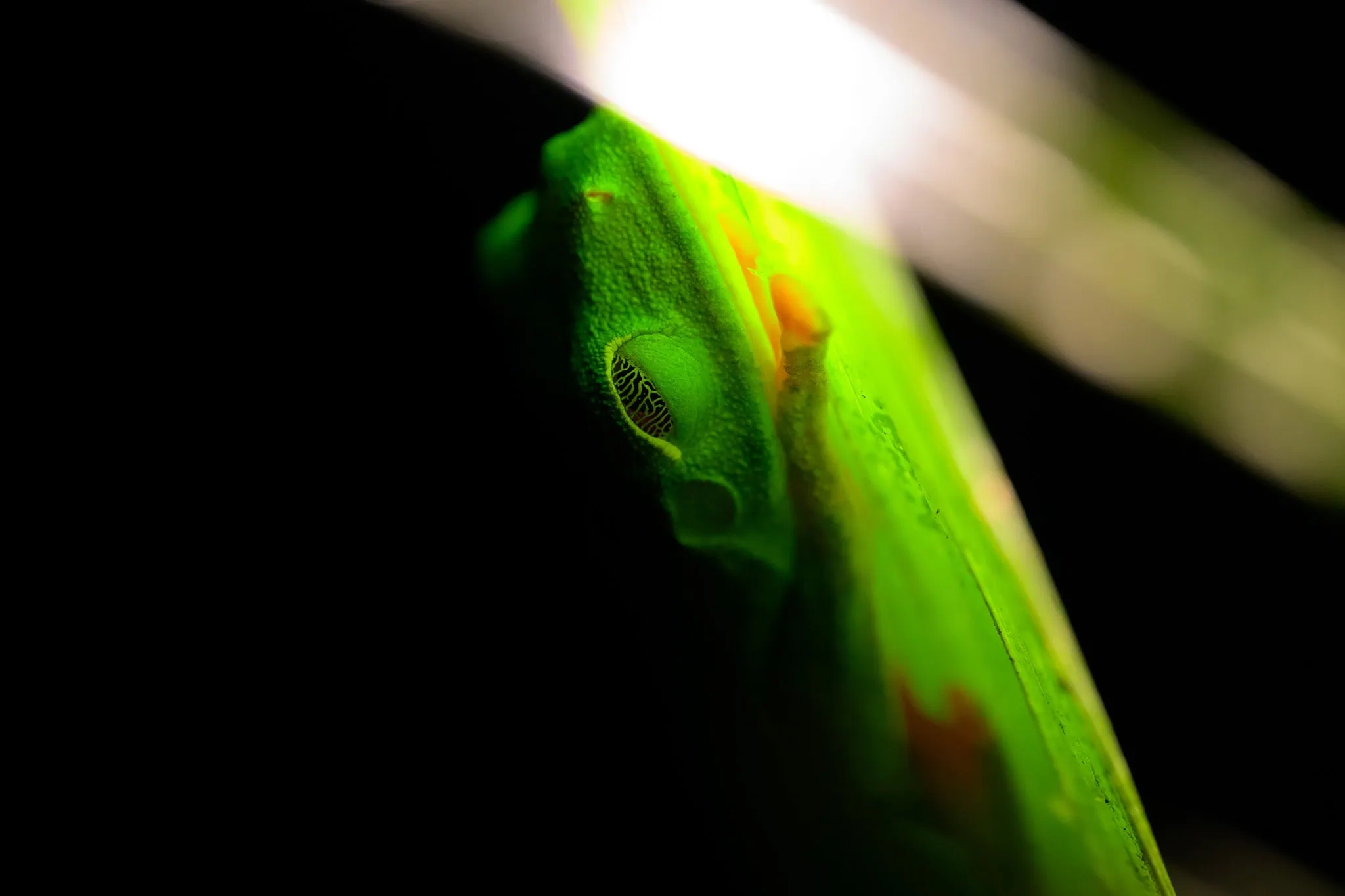
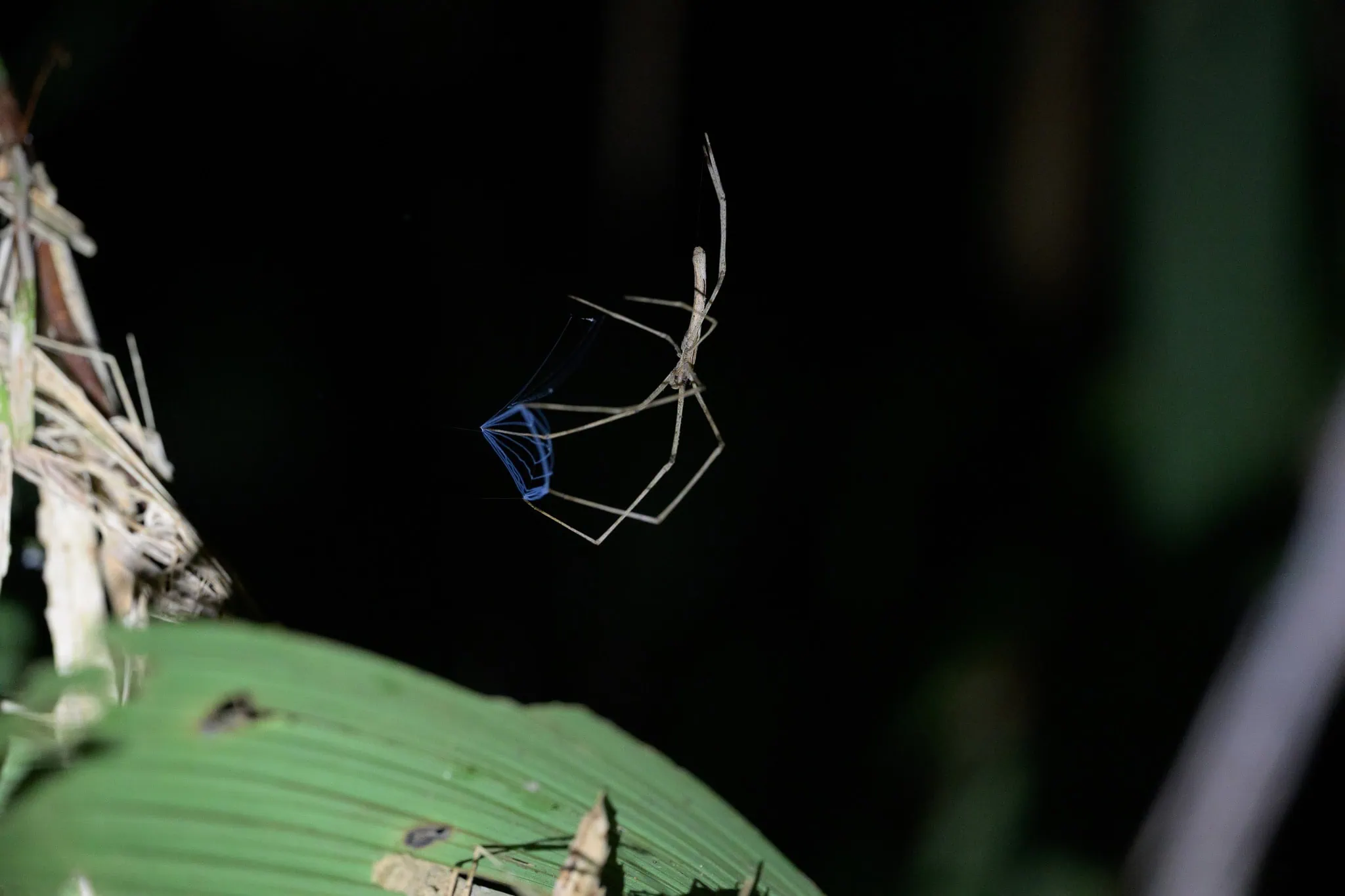
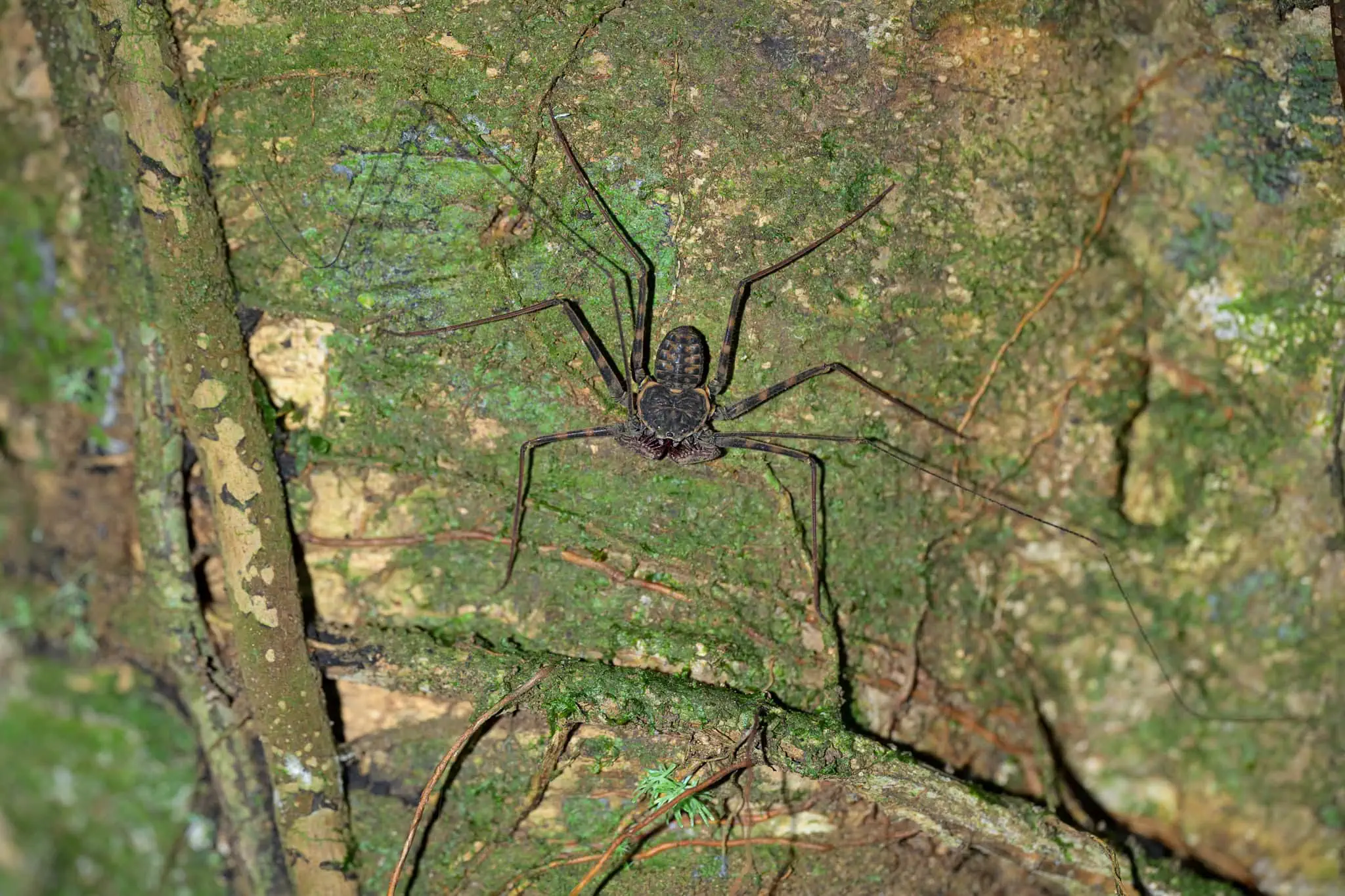
During the walk, we found several highlights, including an ogre-faced spider (Deinopidae) with its net ready, a sleeping red-eyed tree frog (Agalychnis callidryas), a tailless whip scorpion (Paraphrynus laevigatus), and various other spider and frog species.
All in all, it was a very exhausting but incredibly wonderful and biodiverse day for us. Since it was Paula’s birthday the next day, we went to sleep early and started packing for our departure.
Coffee, Highlands and the First Farewell from Costa Rica
Paula treated us to fruit shakes after breakfast, which we took with us as we boarded the boat back to our car. The river trip was just as wonderful as the journey there, and everyone was in high spirits. There were more animals to spot, and the trip went by far too quickly.
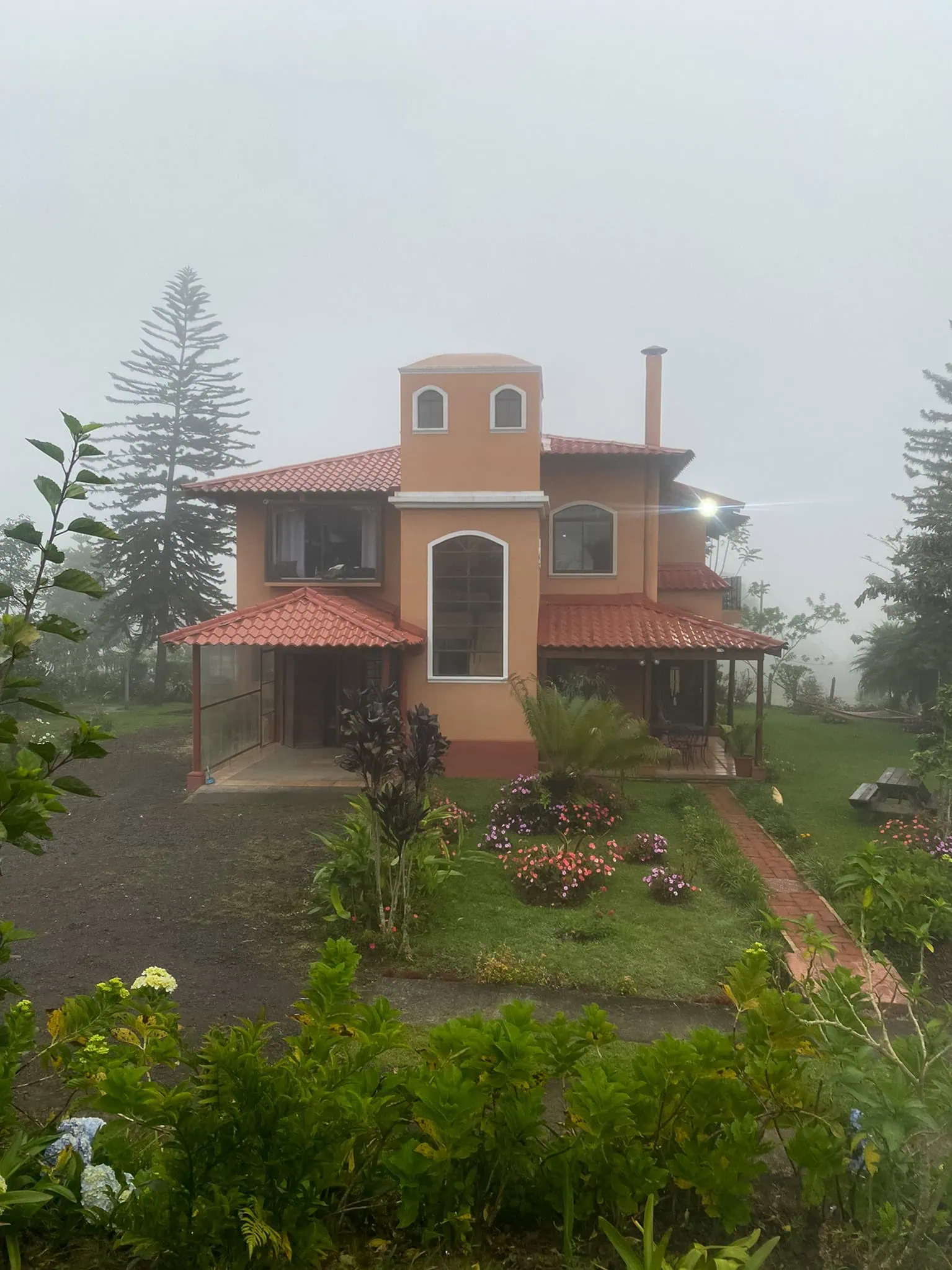
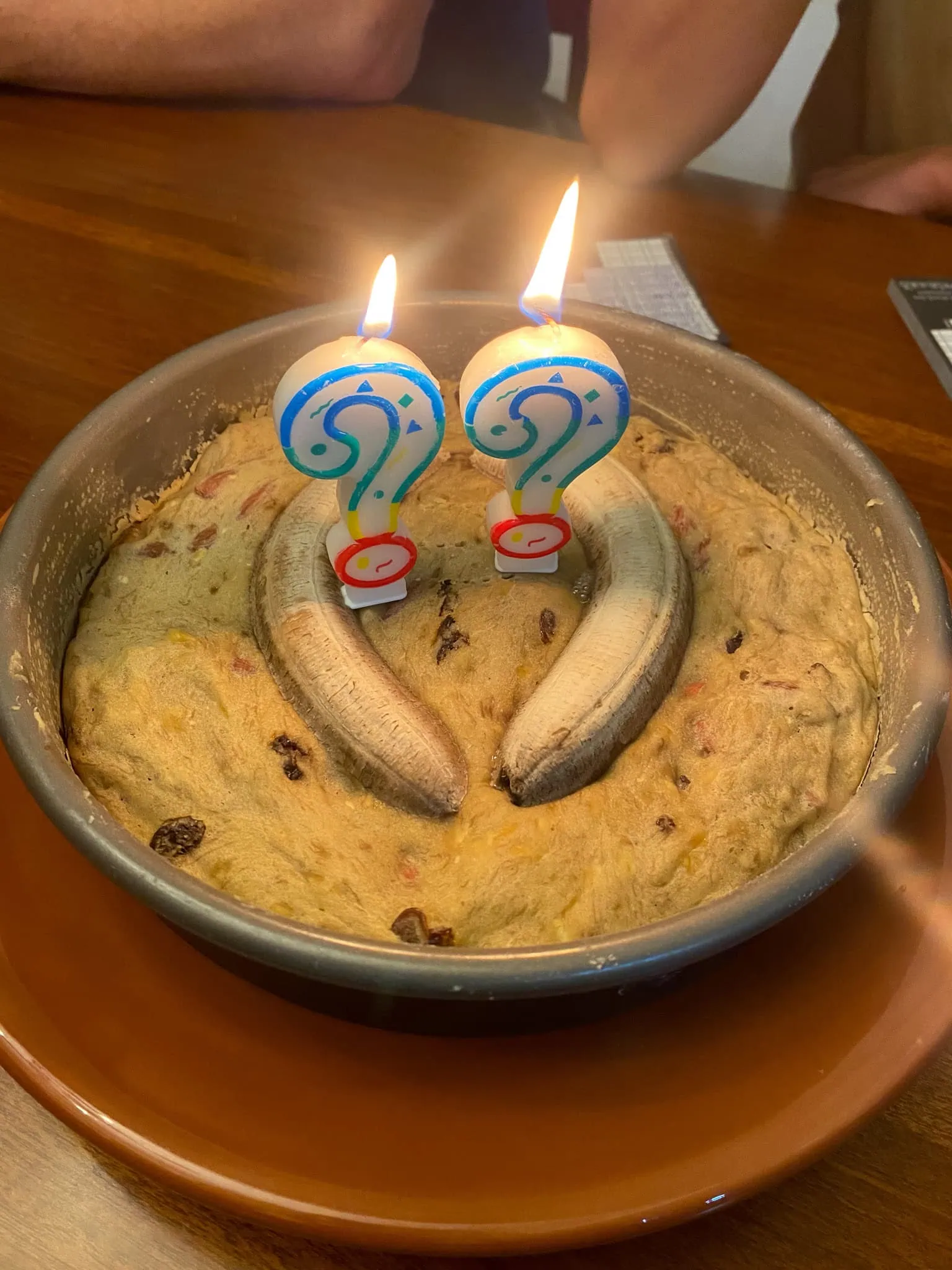
Once our luggage was stowed back in the Geely, we set off for Turrialba, a small town in the highlands of Costa Rica. We found a fantastic Airbnb there: a villa on a hill with a great view and very spacious furnishings. The property also featured stables with horses and a herb and vegetable garden. The man responsible for maintaining the grounds—which belonged to an American couple—explained everything to us. It was in Spanish, but Paula and I already understood most of it. We spent the evening with a birthday dinner and card games.
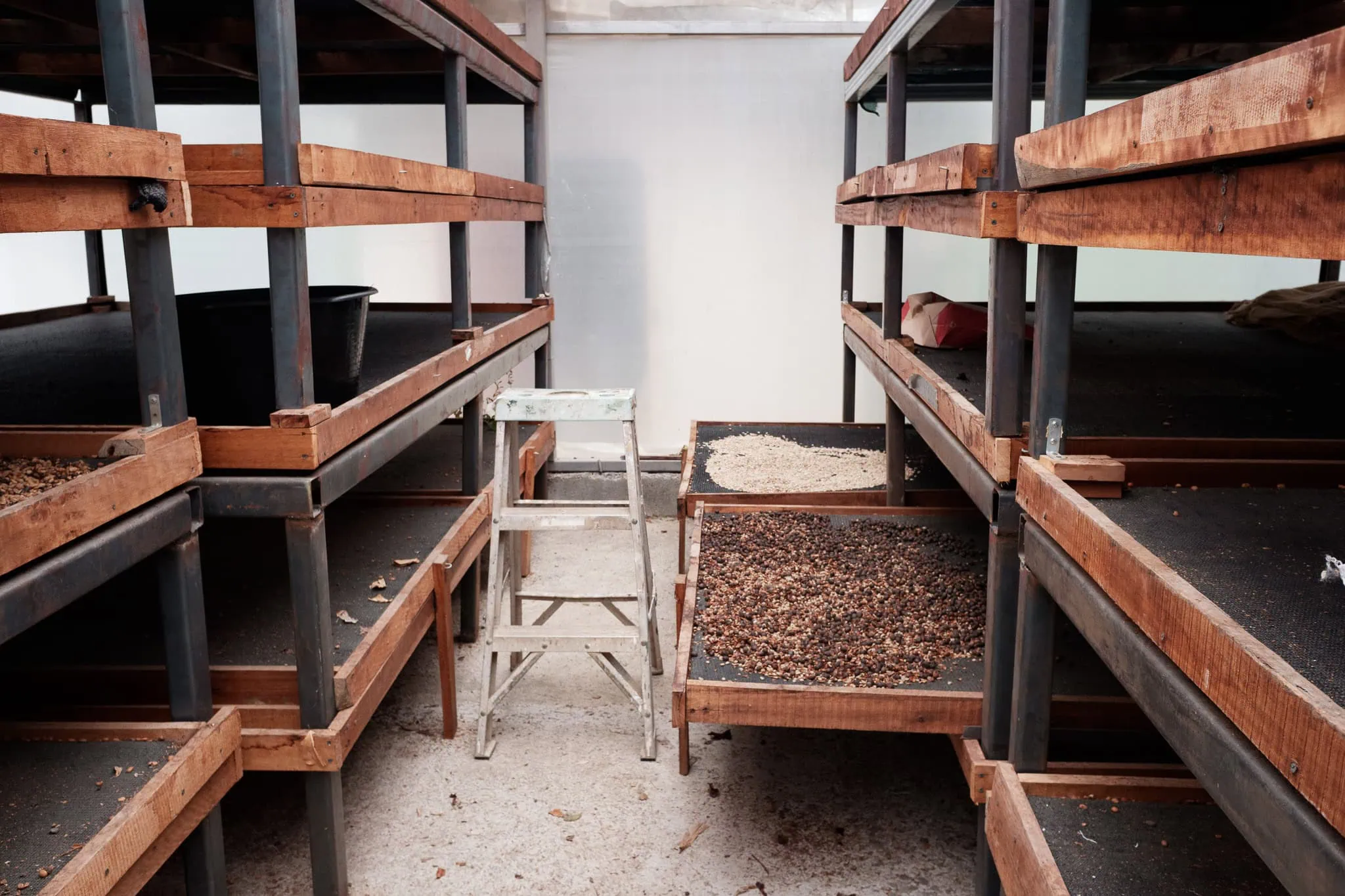
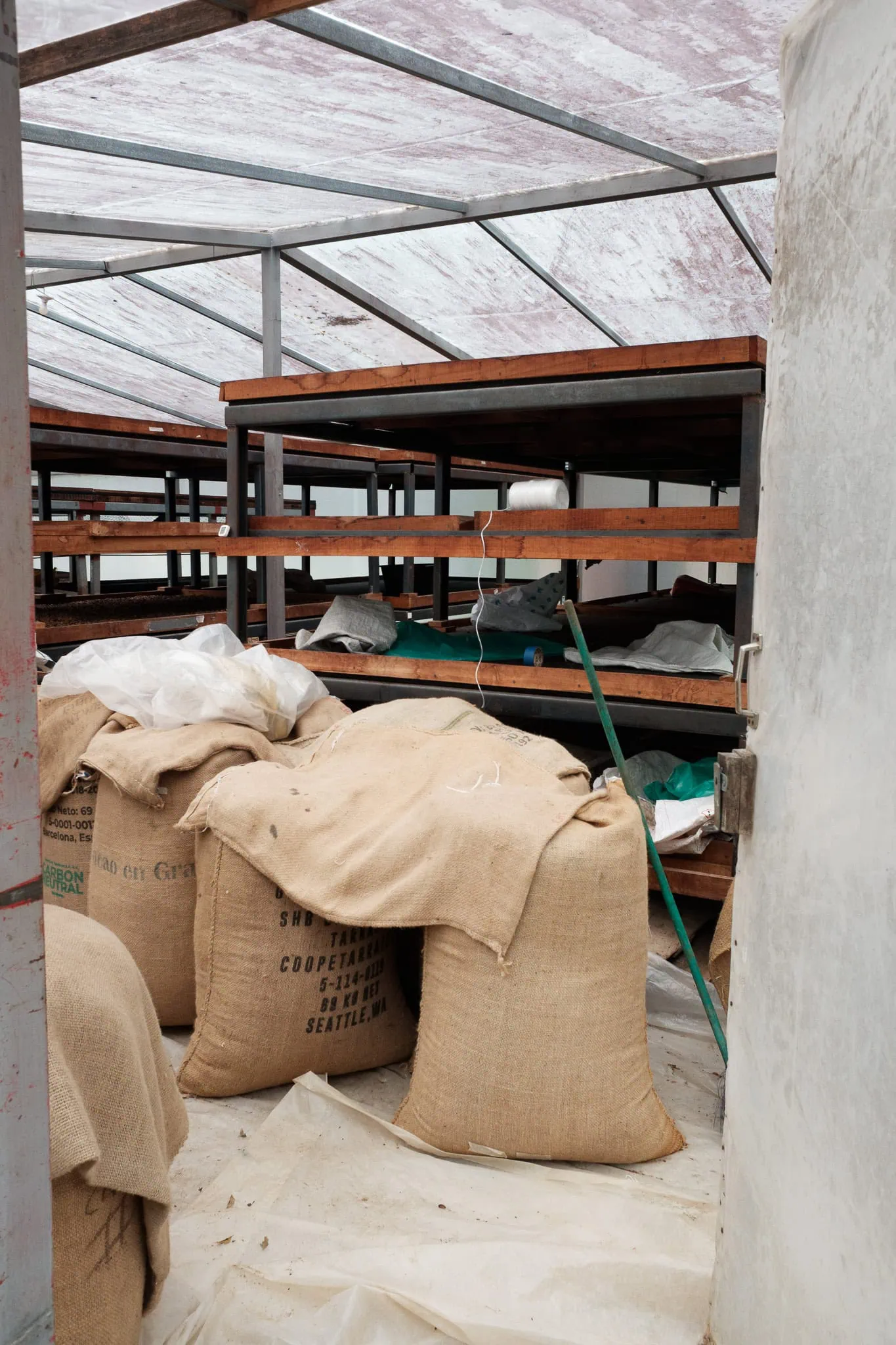
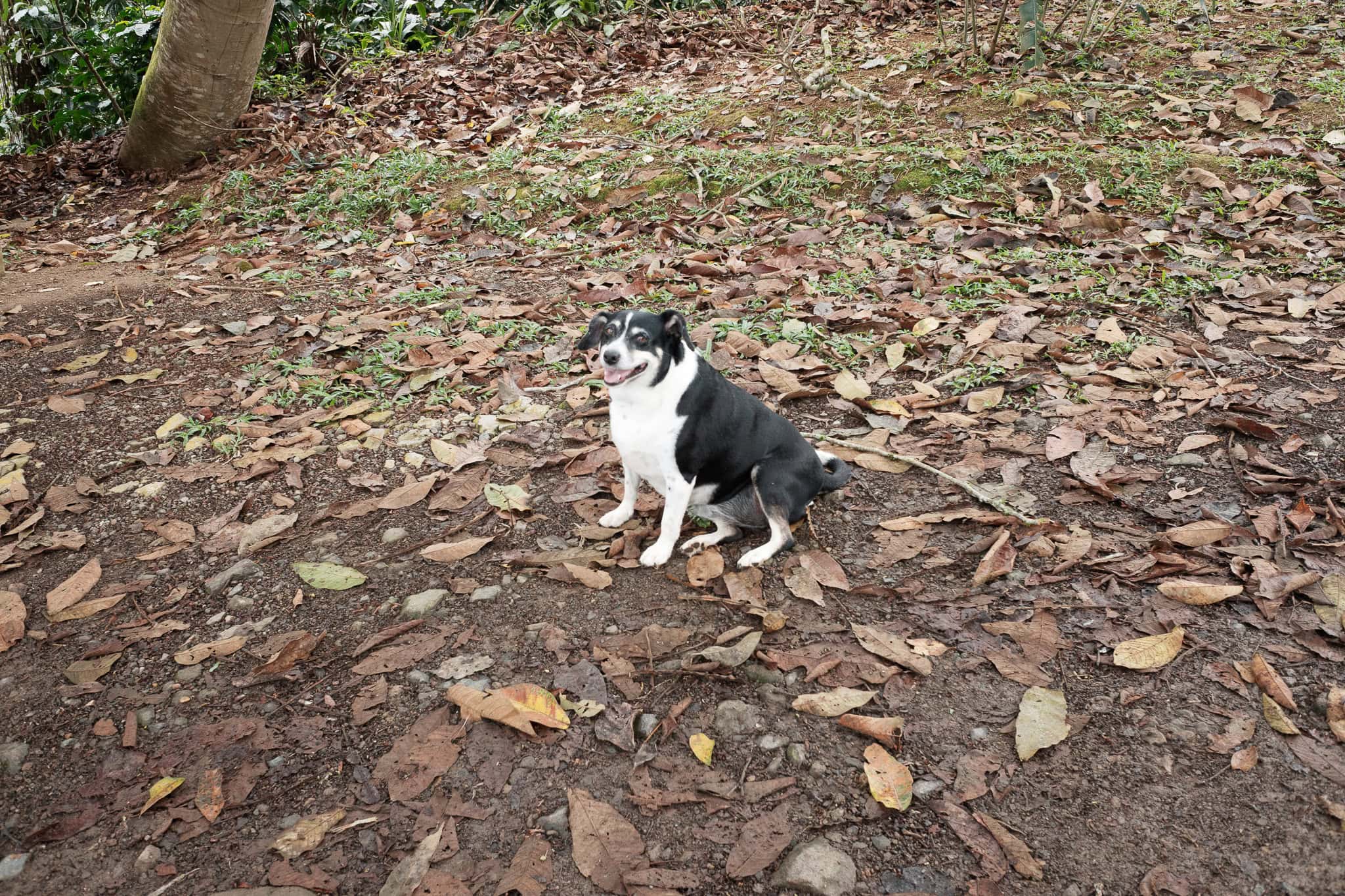
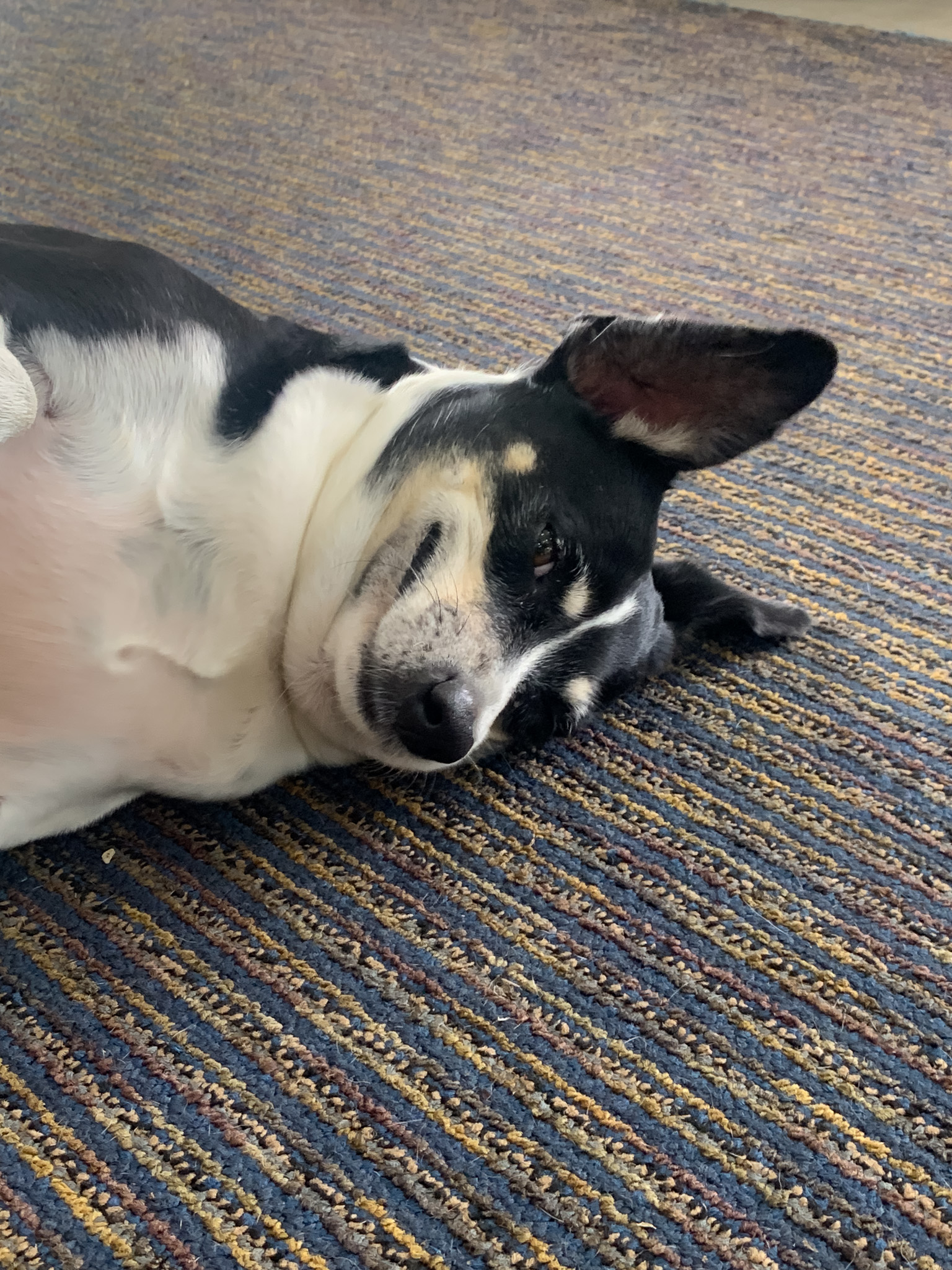
The next day, we drove to a coffee plantation for a tour and tasting. The owner was very kind and, luckily, spoke English as well. He explained everything about the various coffee varieties, the cultivation, the harvest, and finally the production process. We were accompanied by countless dogs that lived on the plantation, received veterinary care, and were able to lead dignified and safe lives.
In the evening, we had our final dinner with my parents, as they were flying back the next day. We reminisced about the events of the past few days and enjoyed our last evening together as a group of five.
38°C and the Pacific Coast of Costa Rica
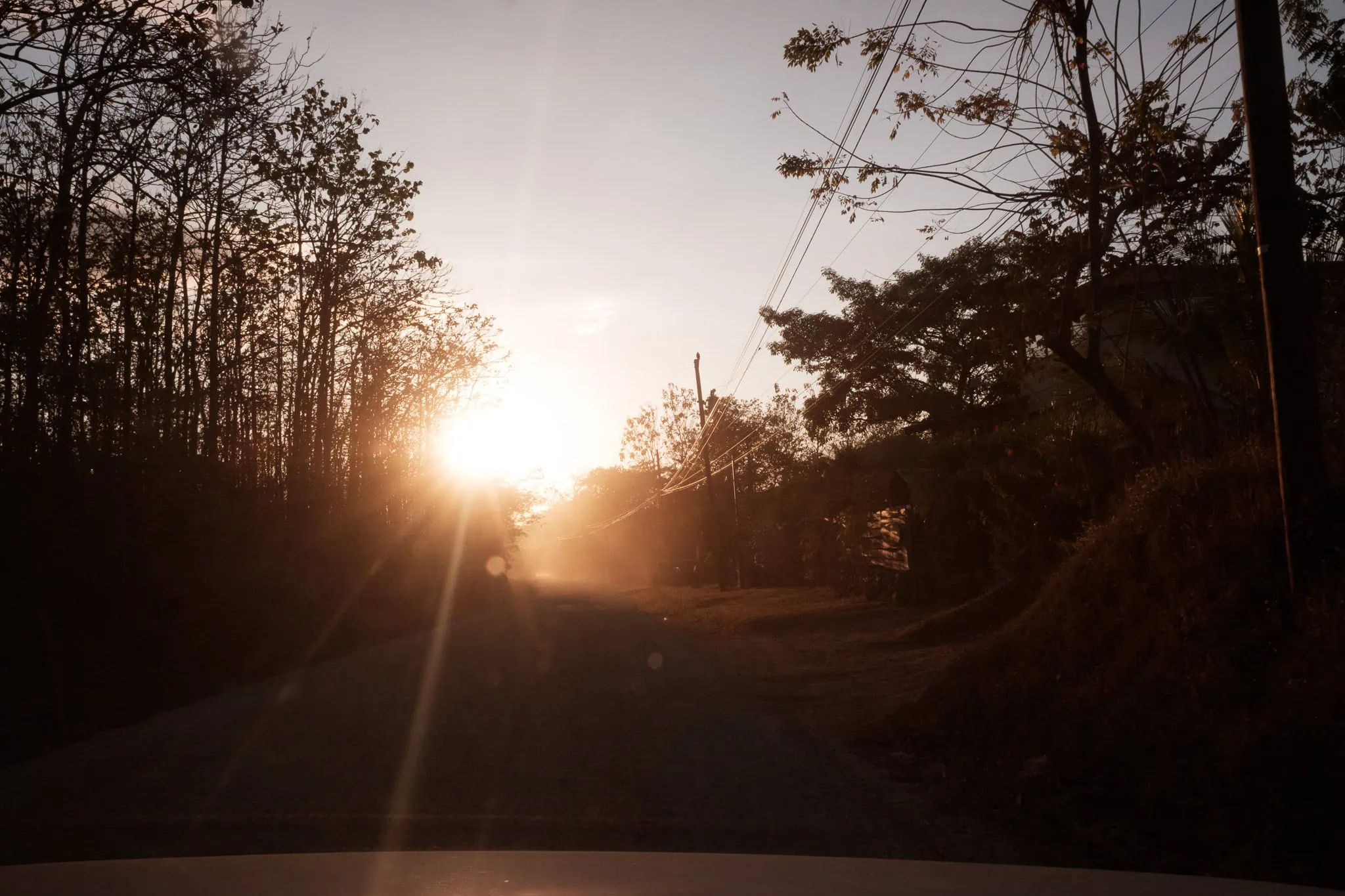
The drive to San José was a bit sad for me. We said our goodbyes at the airport and continued our journey as a trio for the next few days. After a quick energy boost at Burger King, we set off on the longest leg of our Costa Rican road trip. Our destination was the northern Pacific coast. We knew it would be hot, but we didn’t know it would be that hot. At 38°C, we climbed out of the sweltering Geely only to realize with horror that our eco-friendly accommodation had neither air conditioning nor windows. We were in for some very sweaty nights. Right on time for sunset, we drove to Playa Negra and enjoyed the seaside atmosphere. The temperature dropped to a comfortable level, and we raised a glass to the experiences of the past few days.
The property’s pool quickly became our sanctuary. Since we were the only guests, it was all ours. Even the small frogs in the water didn’t bother us. We made plans for the coming days. There was one more national park to visit: Palo Verde NP. It offered another chance for a river boat tour. No sooner said than done—we hopped back into the Geely and drove to the park with the AC working overtime. There, we hired a guide who explained everything to us on the boat. The breeze and the water were perfect, and the temperature remained pleasant.
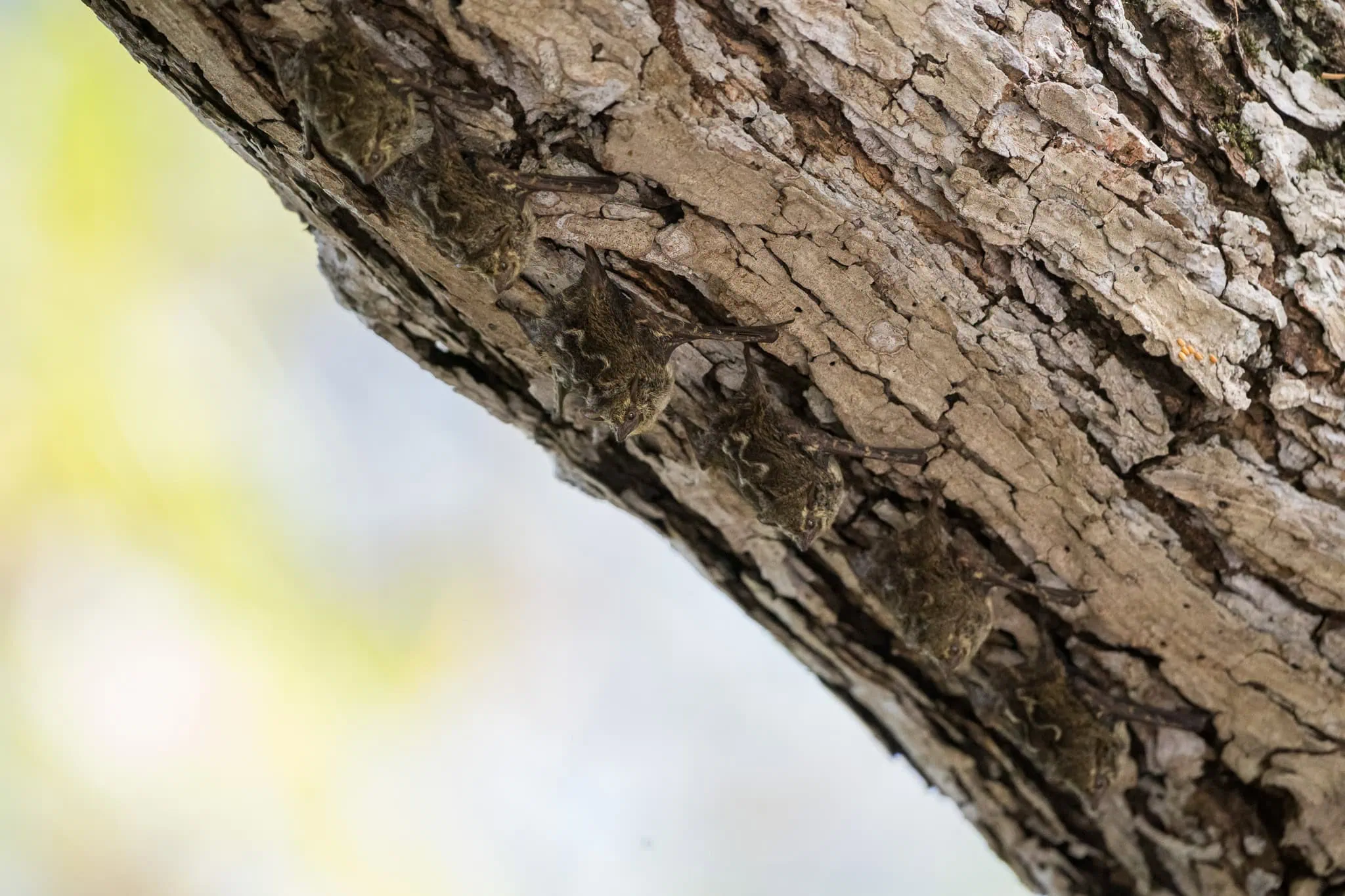
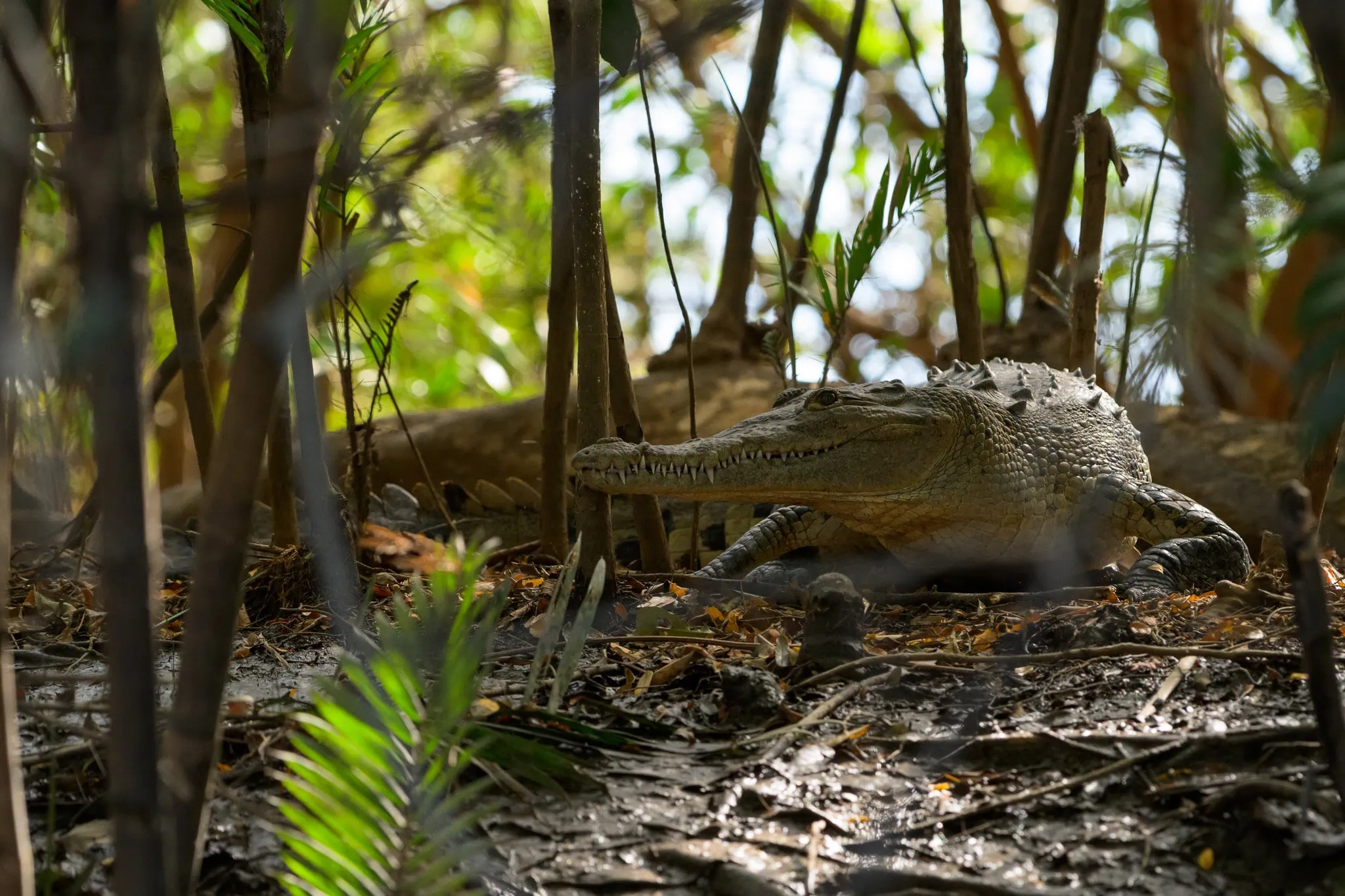
A major highlight was a group of proboscis bats (Rhynchonycteris naso) hanging in a neat row under a branch. This made them look like the jagged tail of a crocodile, causing predators to leave them alone so they could sleep peacefully. Furthermore, there were many American crocodiles (Crocodylus acutus) drifting through the water or sunbathing on the banks. We were also accompanied once again by Panamanian white-faced capuchins (Cebus imitator). Countless birds of various species lined the shores and trees, providing a fantastic soundscape.
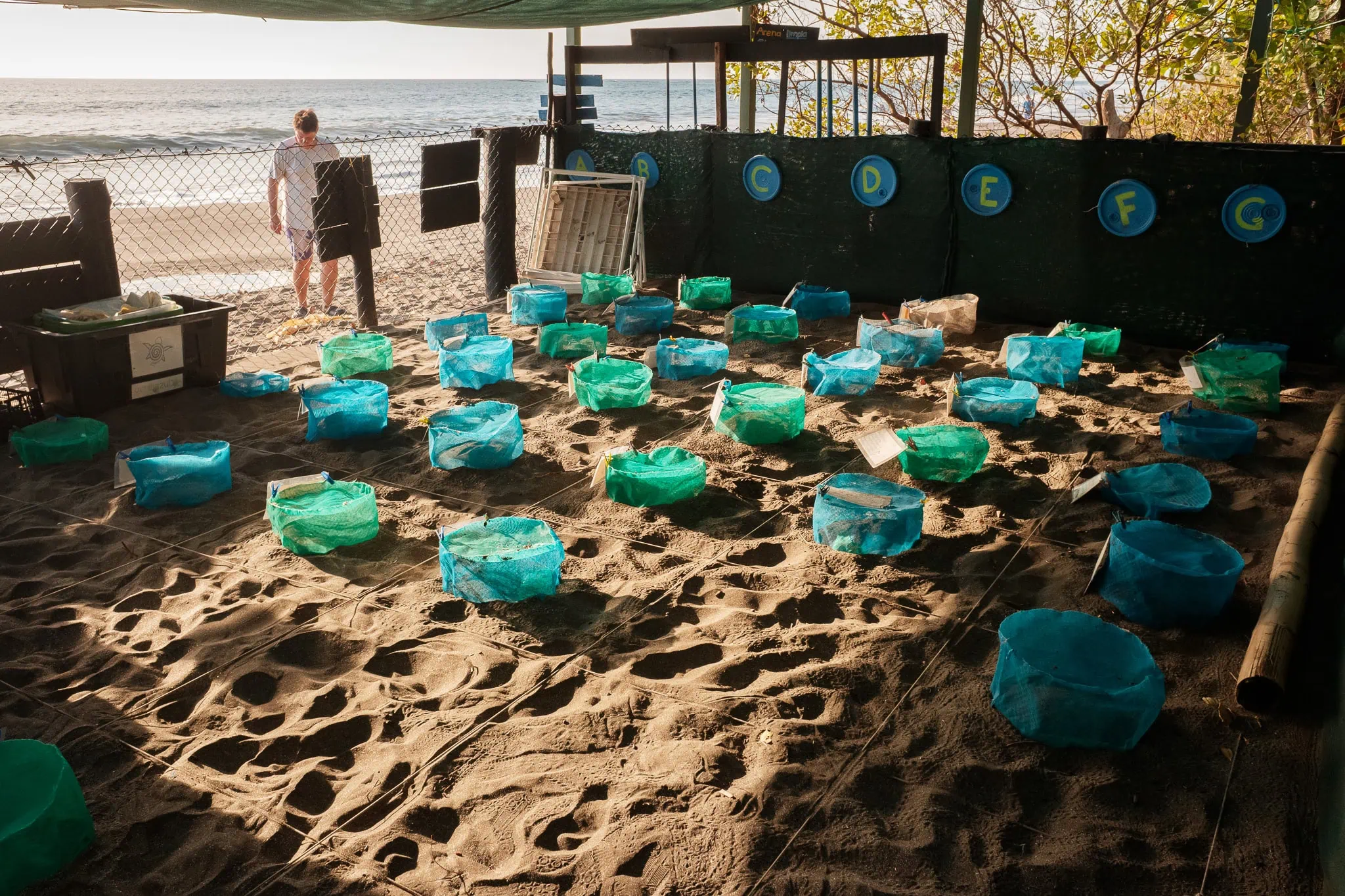
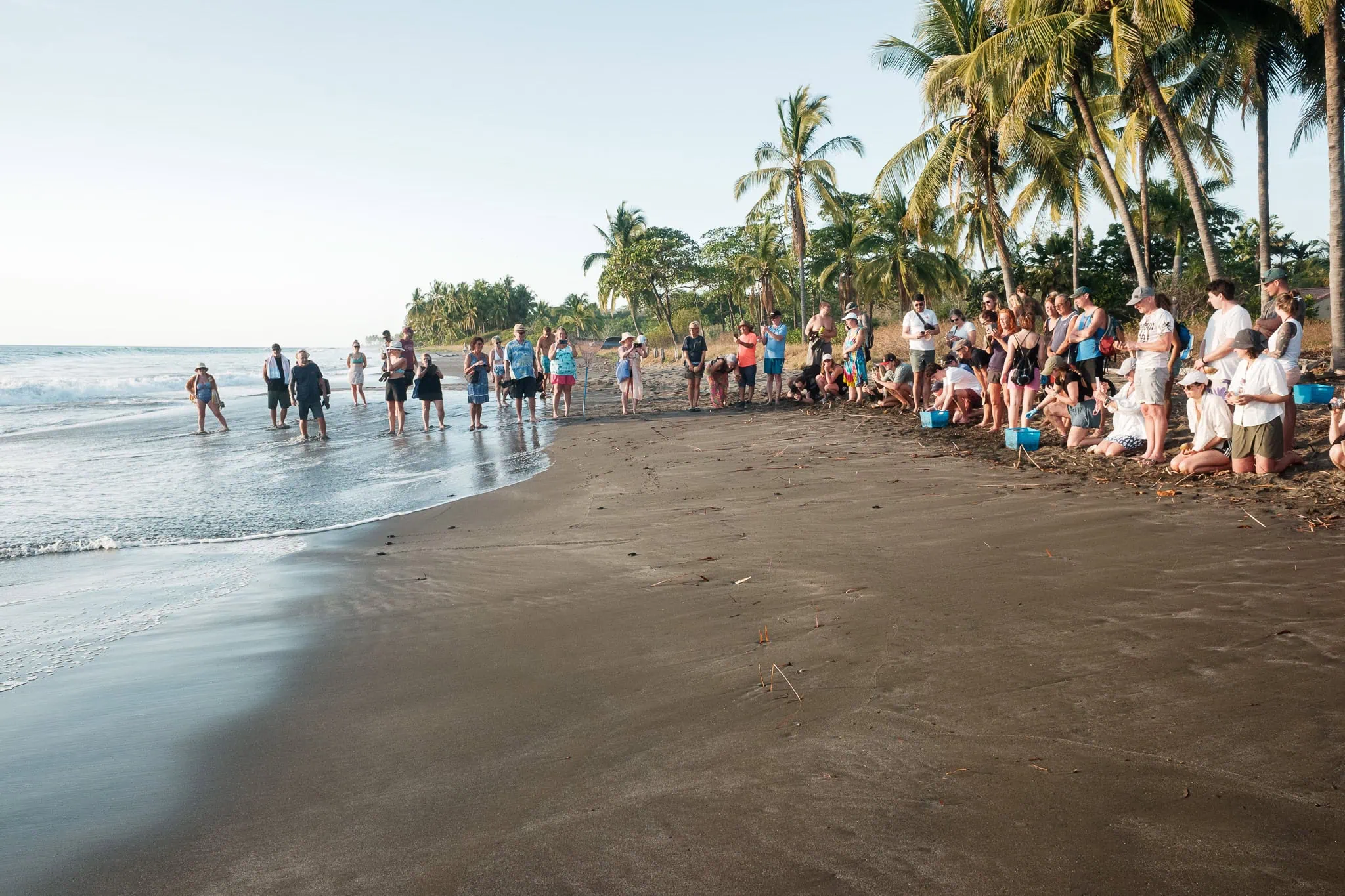
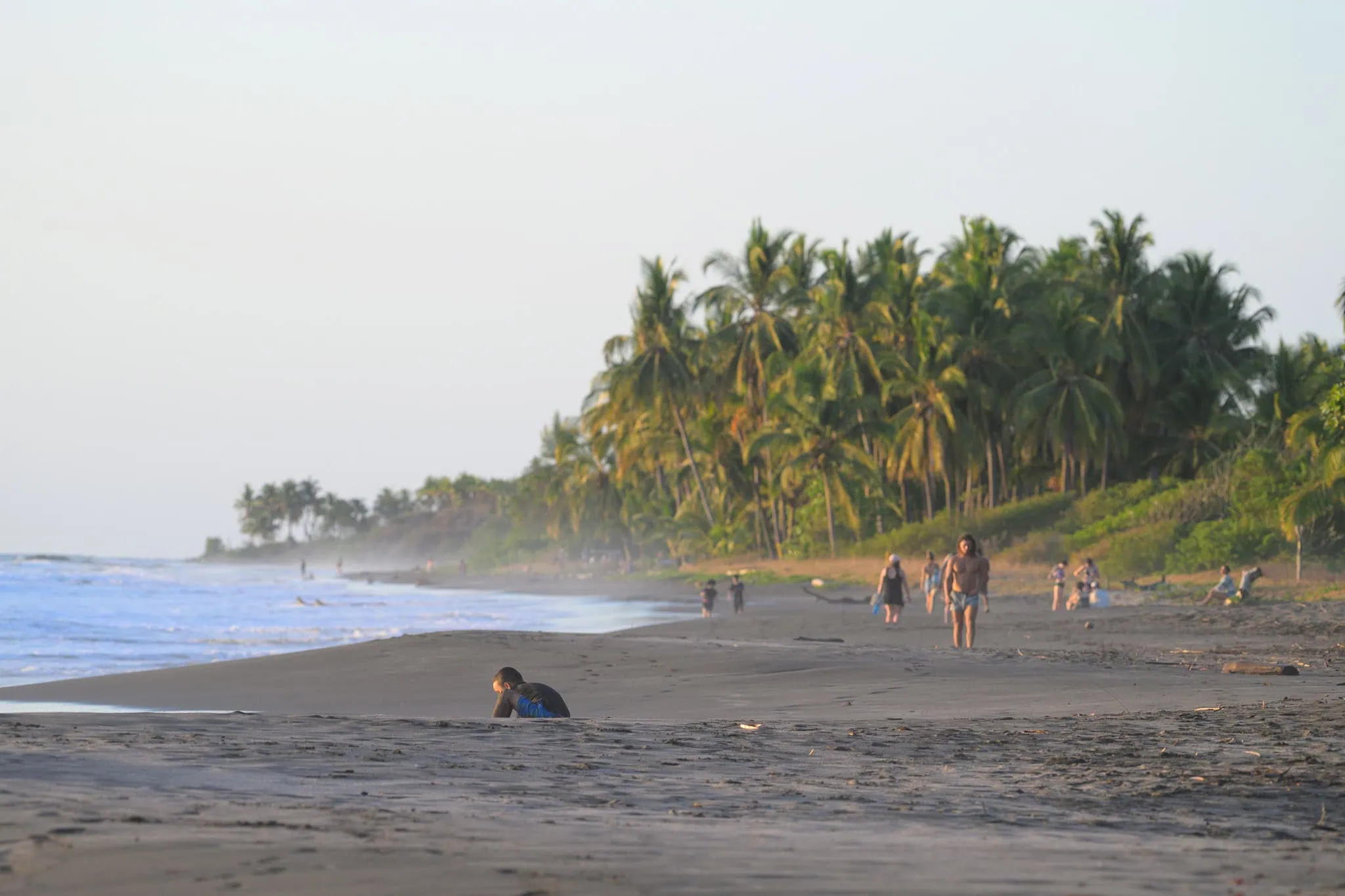
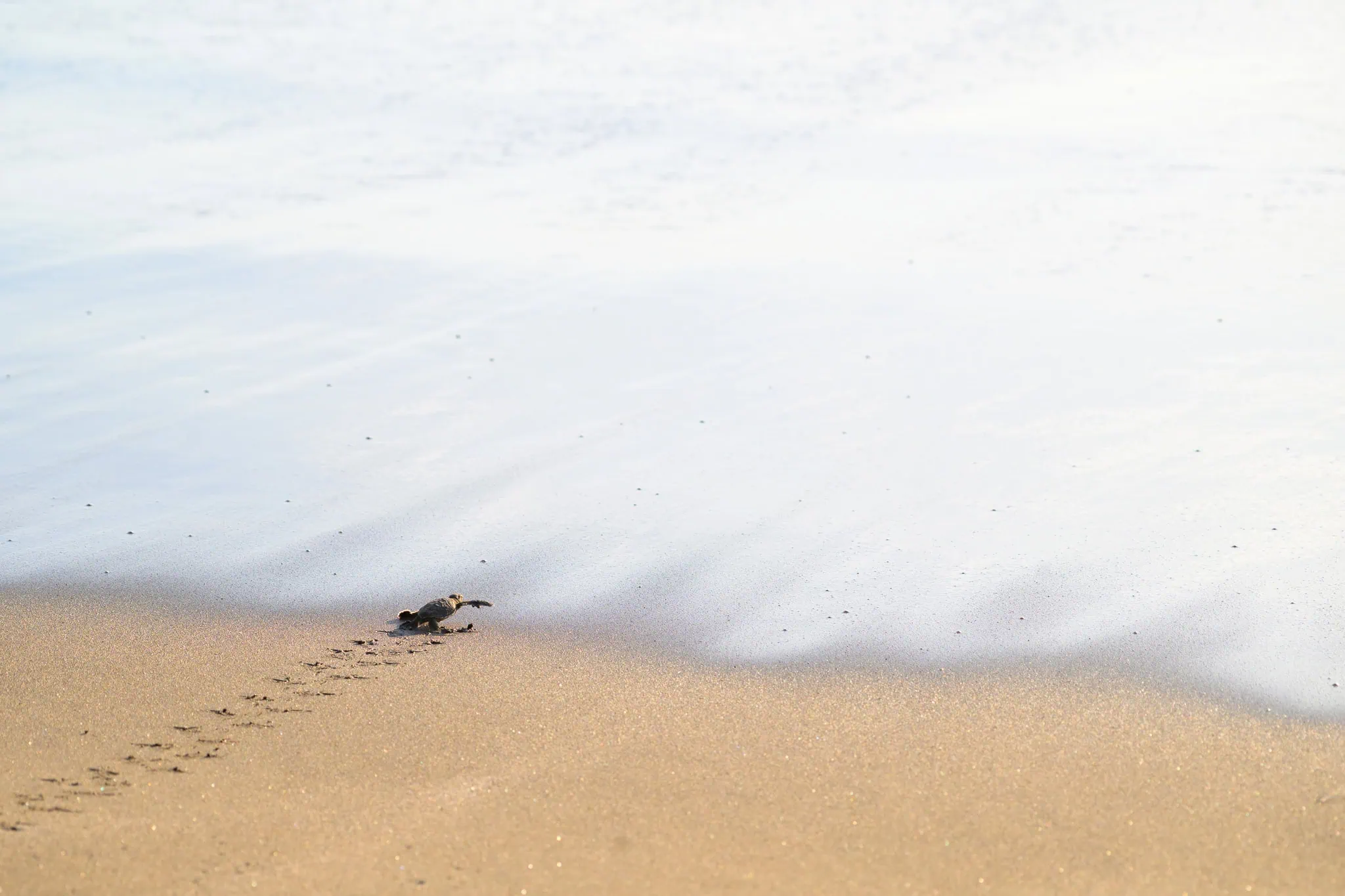
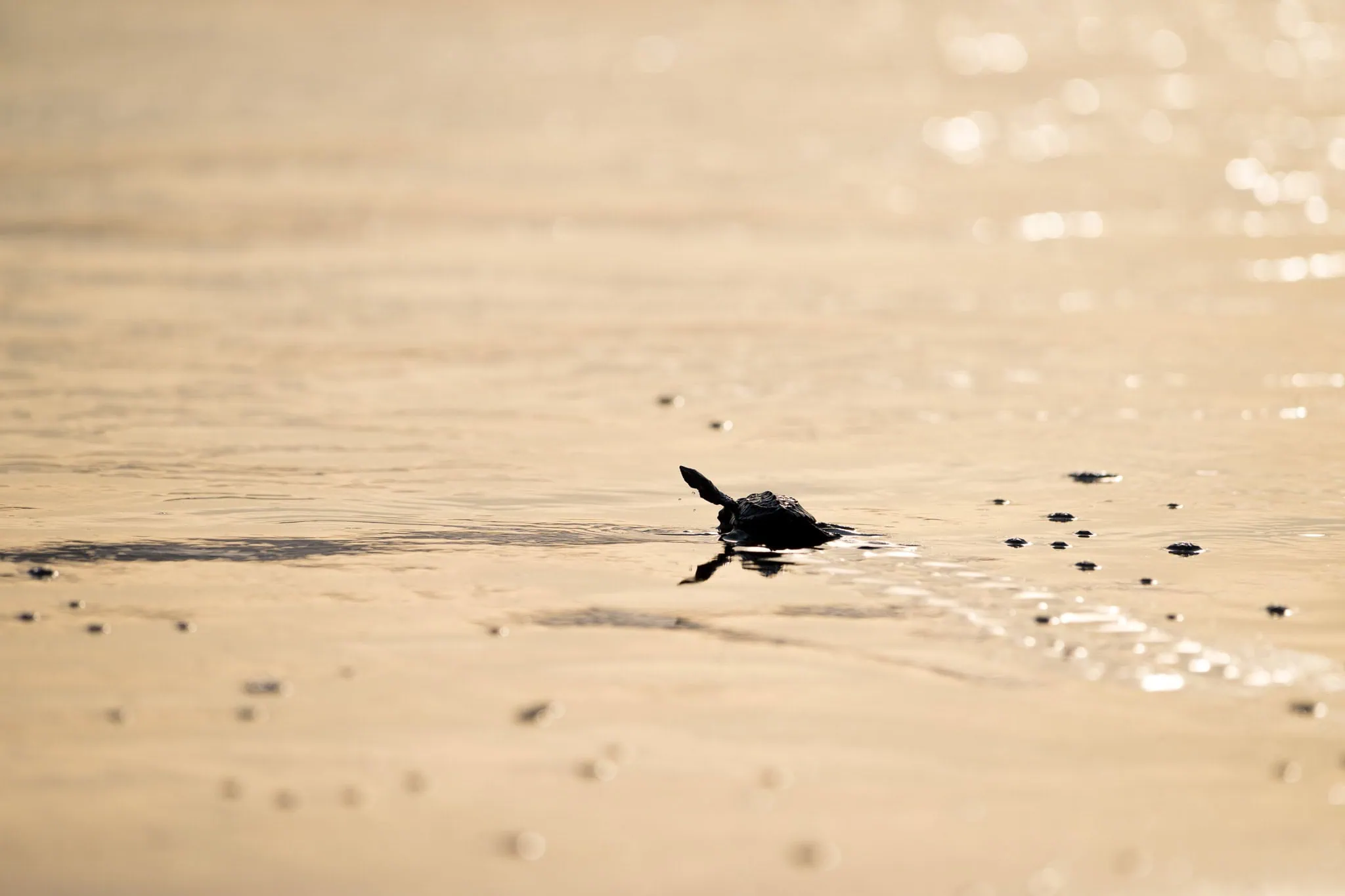
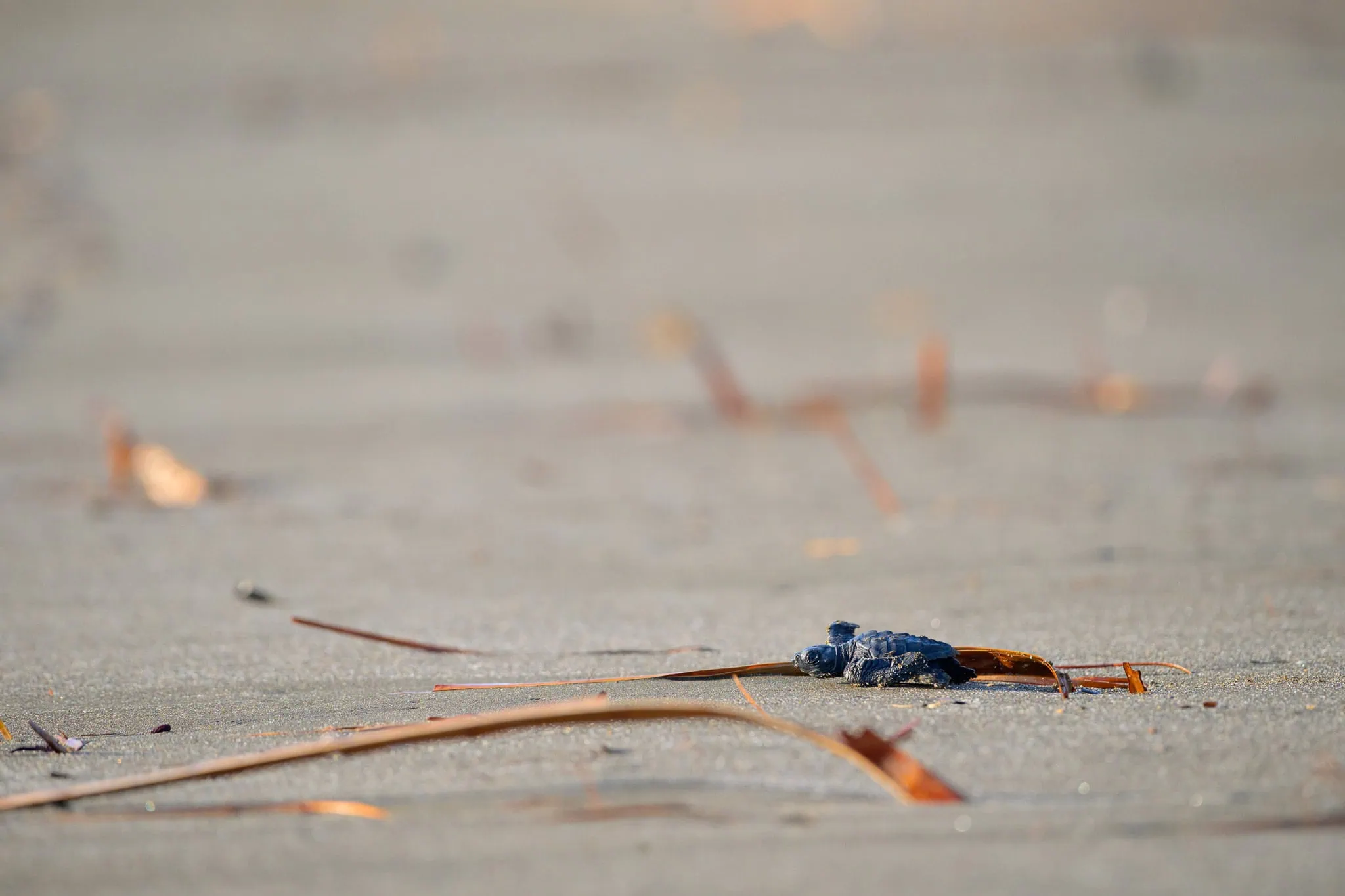
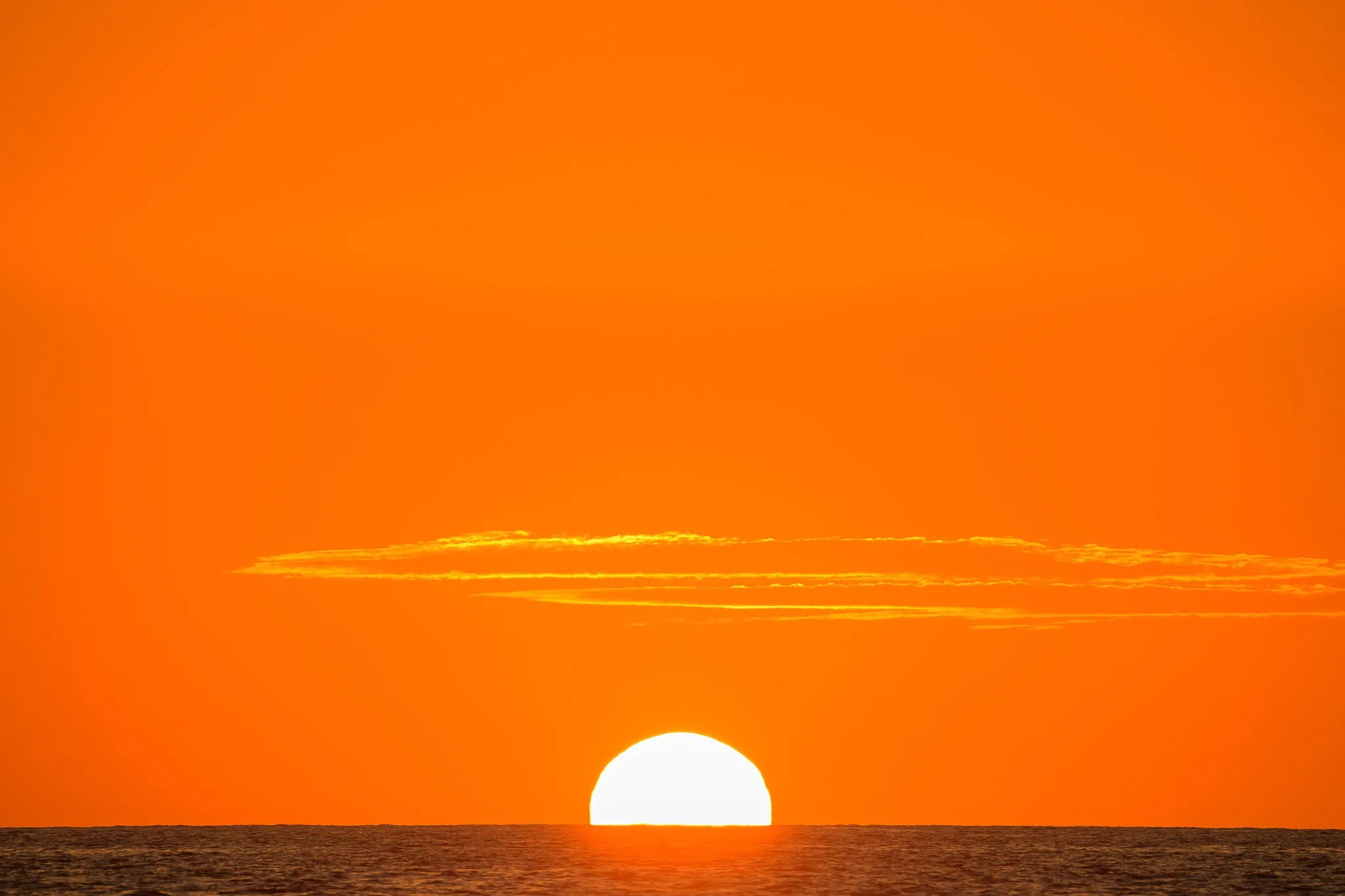
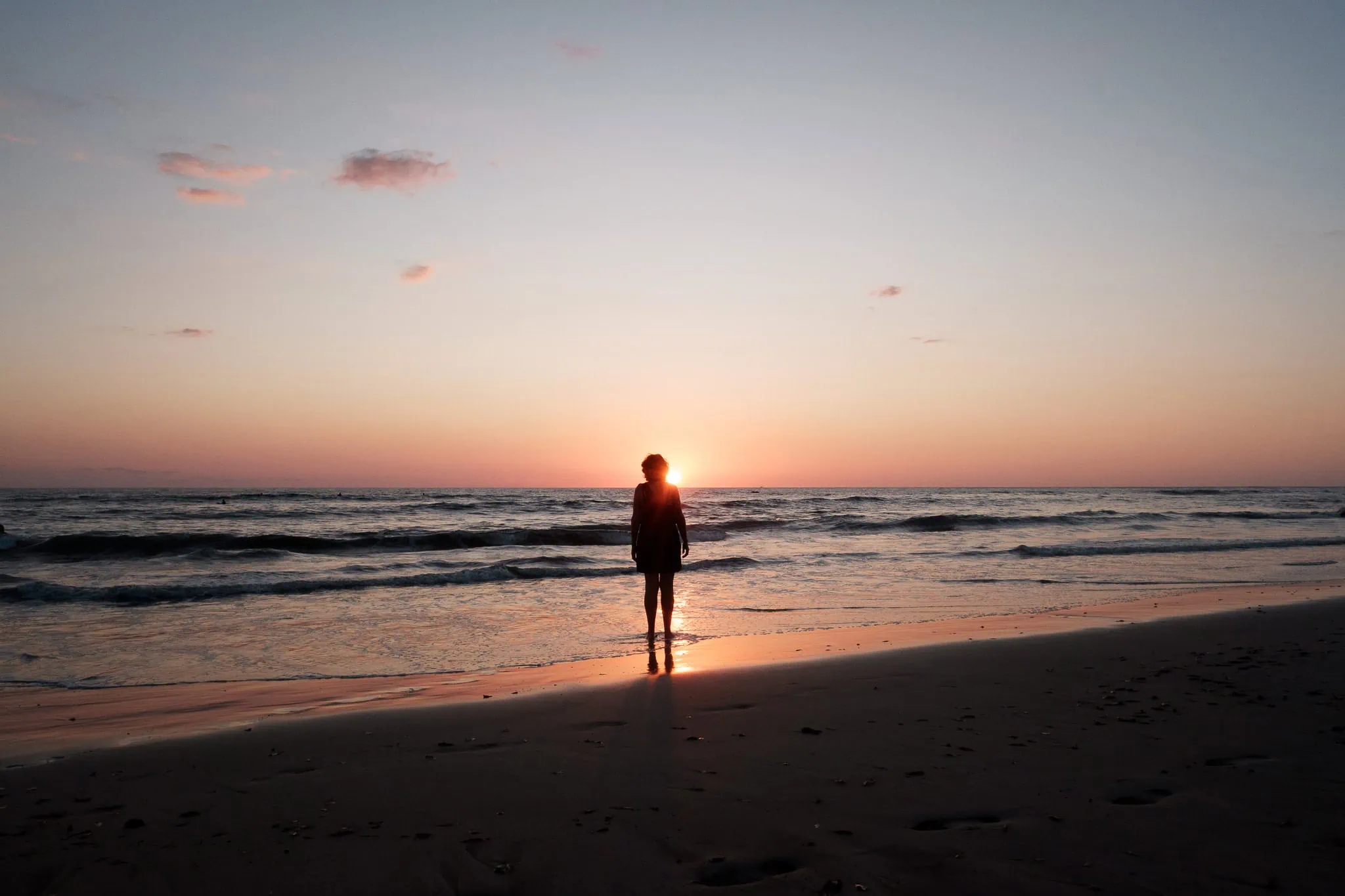
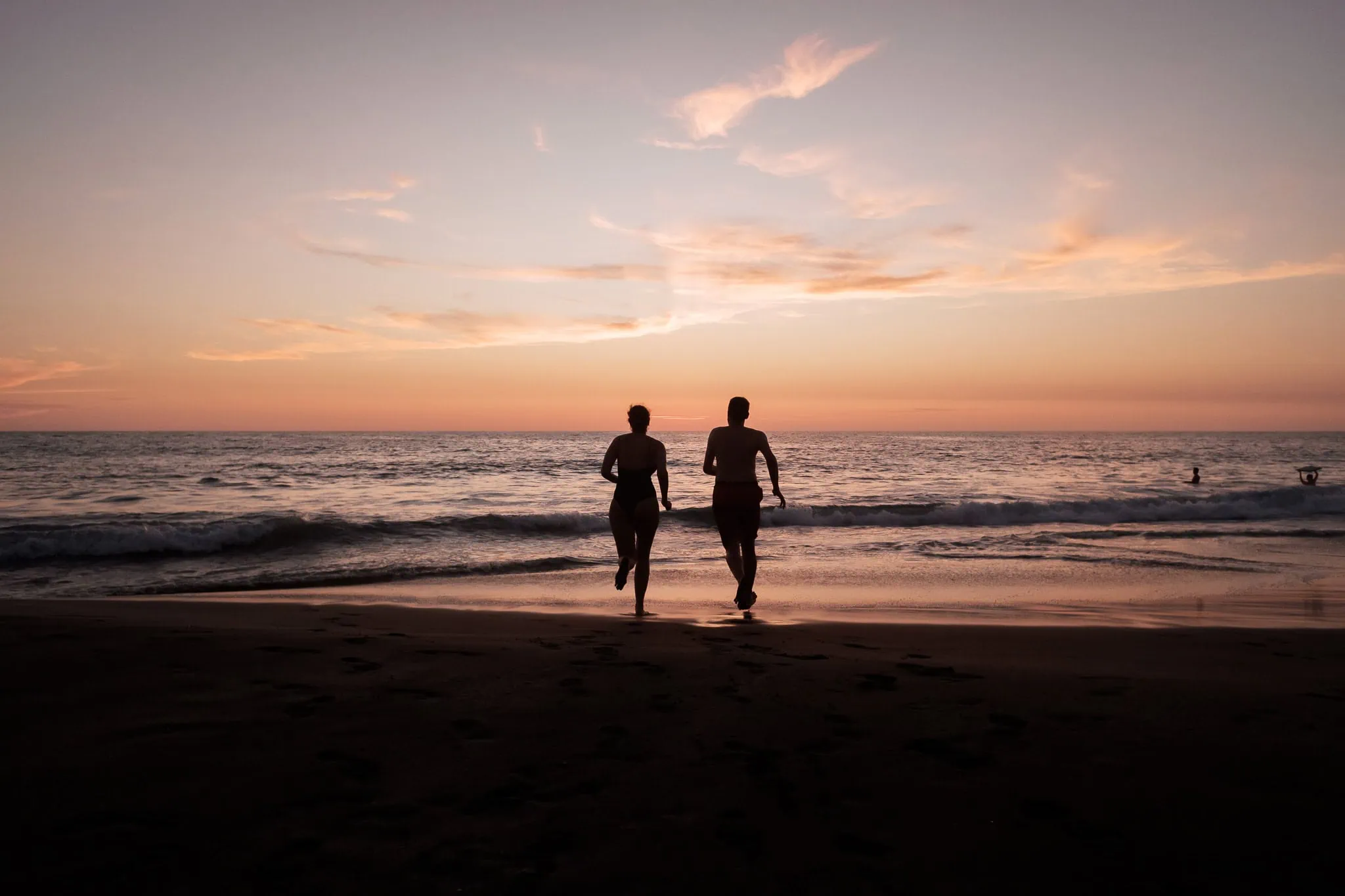
The excursion was definitely worth it. Back at the pool, we received some very exciting news: baby turtles had hatched at the local hatchery and were ready to be released. Of course, we didn’t want to miss that, so we headed to the beach. The sun was already very low when we arrived. For 10 USD per person, you received a coconut shell to help release the hatchlings into the wild. There were several rules to follow; most importantly, you had to stay behind an imaginary line on the beach to avoid accidentally crushing one of the tiny creatures. It was quite a touristy crowd, but a great experience nonetheless. Paula and her mom released the turtles while I photographed and filmed the whole spectacle. The sun was setting in the background—a truly magical moment.
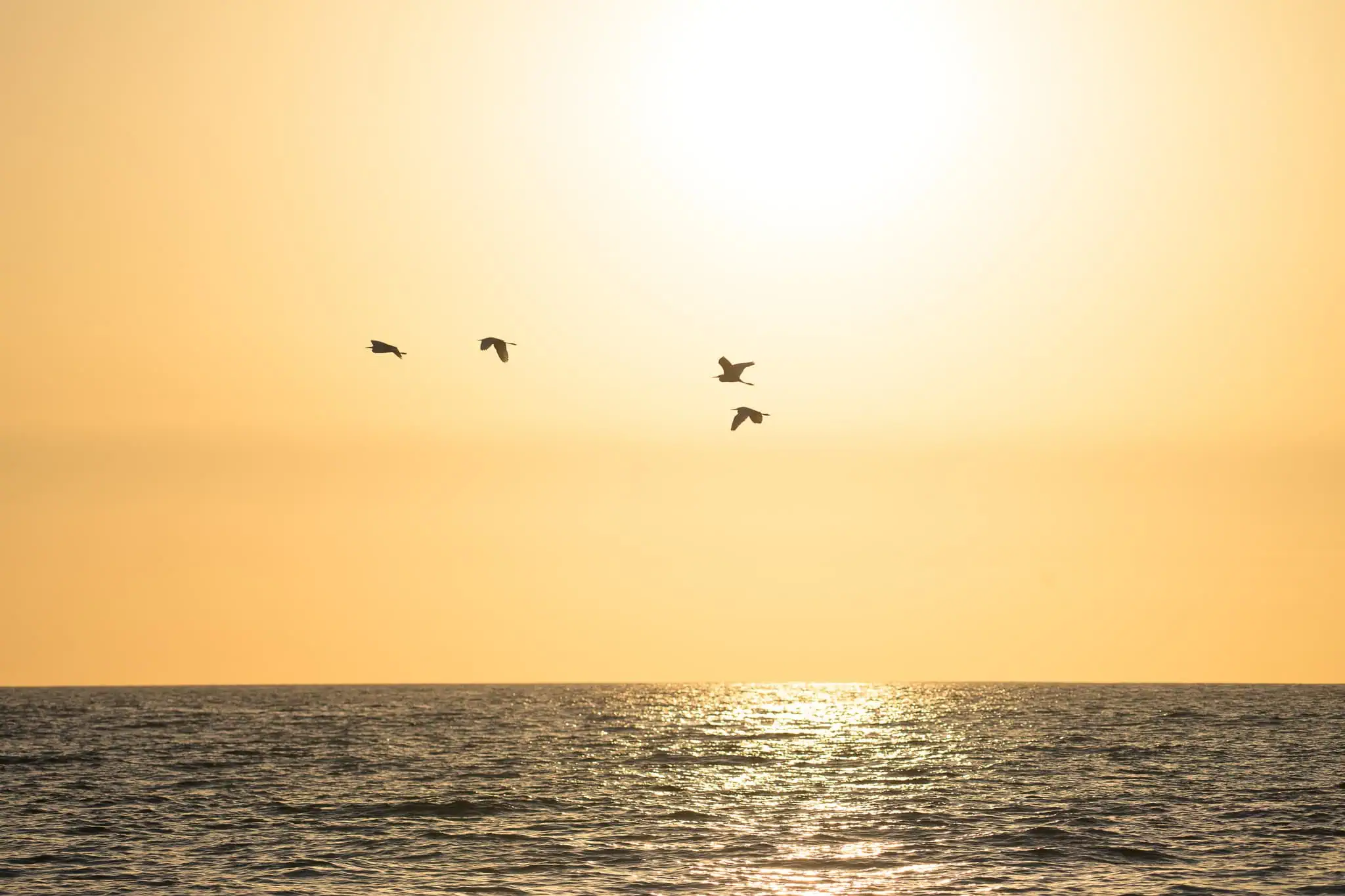
Every night, the hatchery digs up the nests of the turtle species that come ashore here — in our case young olive ridley turtles (Lepidochelys olivacea). That way the eggs can mature in the sand on a protected stretch of beach, and the hatchlings can later be guided safely into the sea. It raises the survival rate of the young turtles considerably and secures the future of the species a little. After that exciting moment, we stayed to enjoy the beautiful sunset on the beach.
San José and the Farewell to Costa Rica
With great memories and a functioning air conditioner, we drove back to San José. The drive took several hours, but our beloved Geely Okavango held up bravely. First, we returned the car to Sixt and then took a taxi to our final accommodation, an apartment in a high-end high-rise. Our taxi driver gave us a bit of a scare, claiming the area where our accommodation was located was very dangerous and advising us against staying there. We arrived with a sinking feeling, only to find out that he was mistaken and it was actually a very safe and beautiful neighborhood.
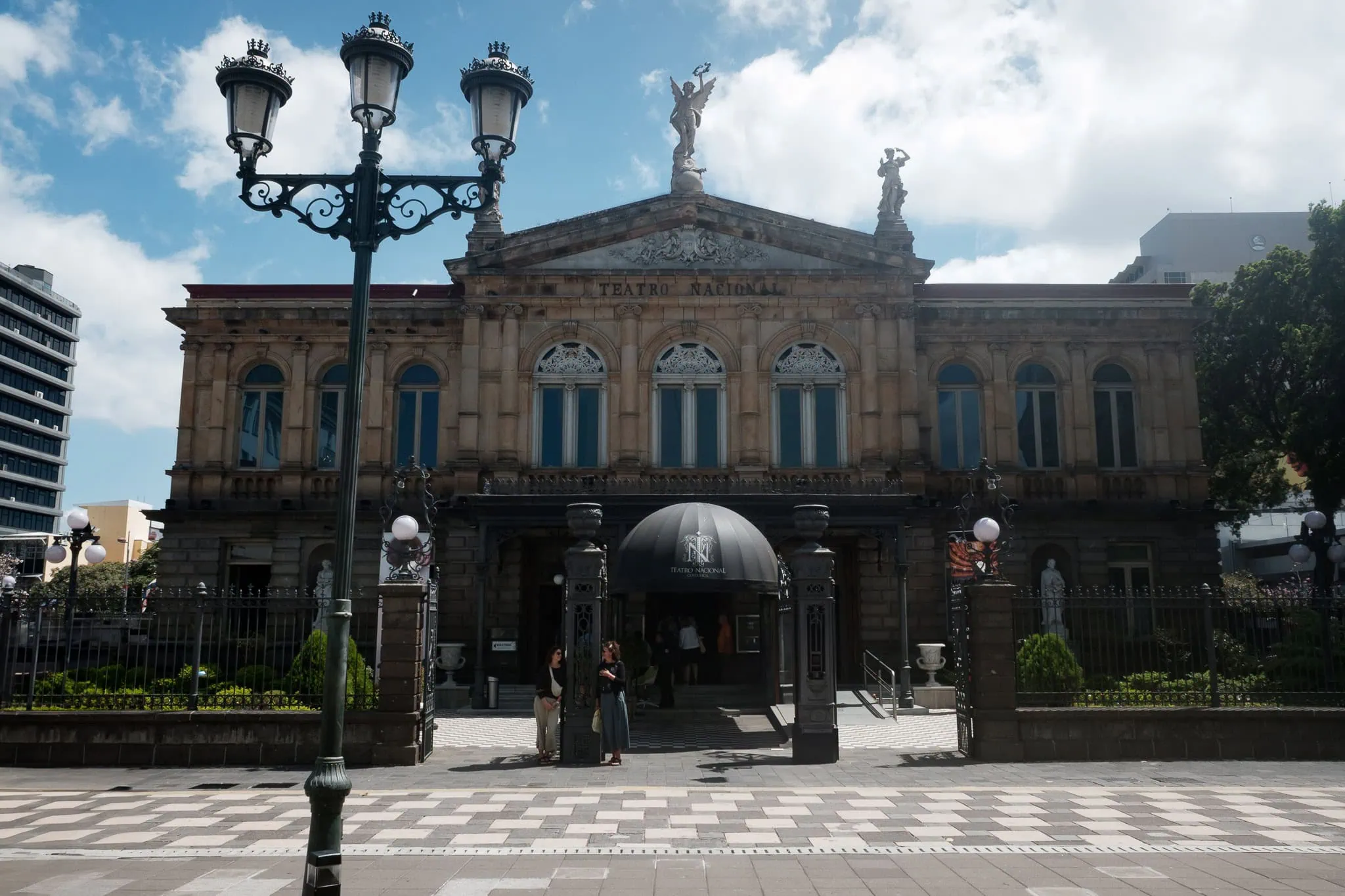
Relieved, we checked into our 16th-floor apartment and immediately started exploring the building. It had everything! A pool, a rooftop terrace, various meeting and chill-out rooms, a cinema, and a laundromat. After the tour, hunger drove us out onto the streets of San José. We grabbed some food and did some shopping. Afterward, we headed to the historical center but were quite disappointed by the city. So, it was a quick return to the cool apartment. We ended our last evening together with Netflix and a sushi order.
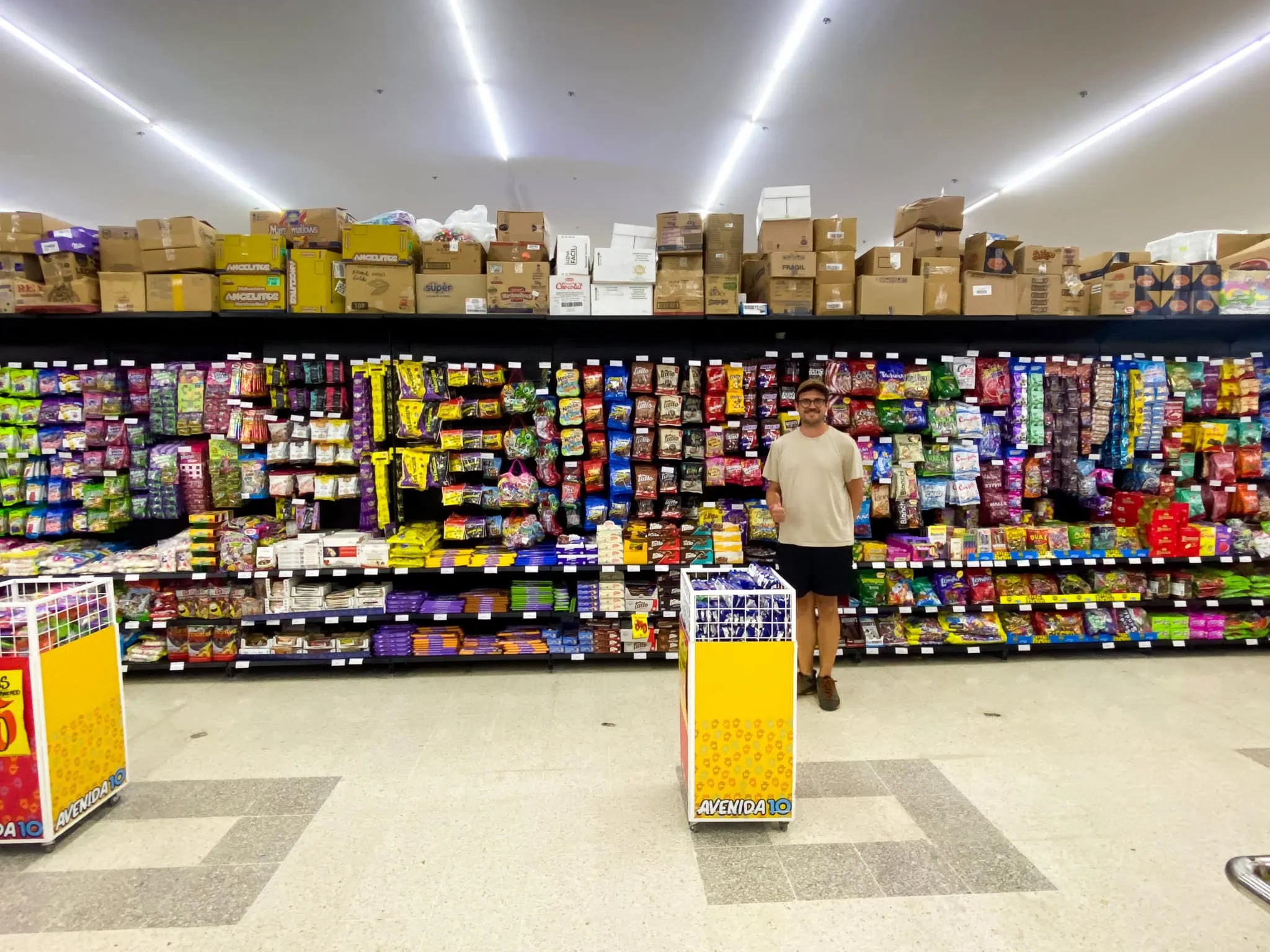
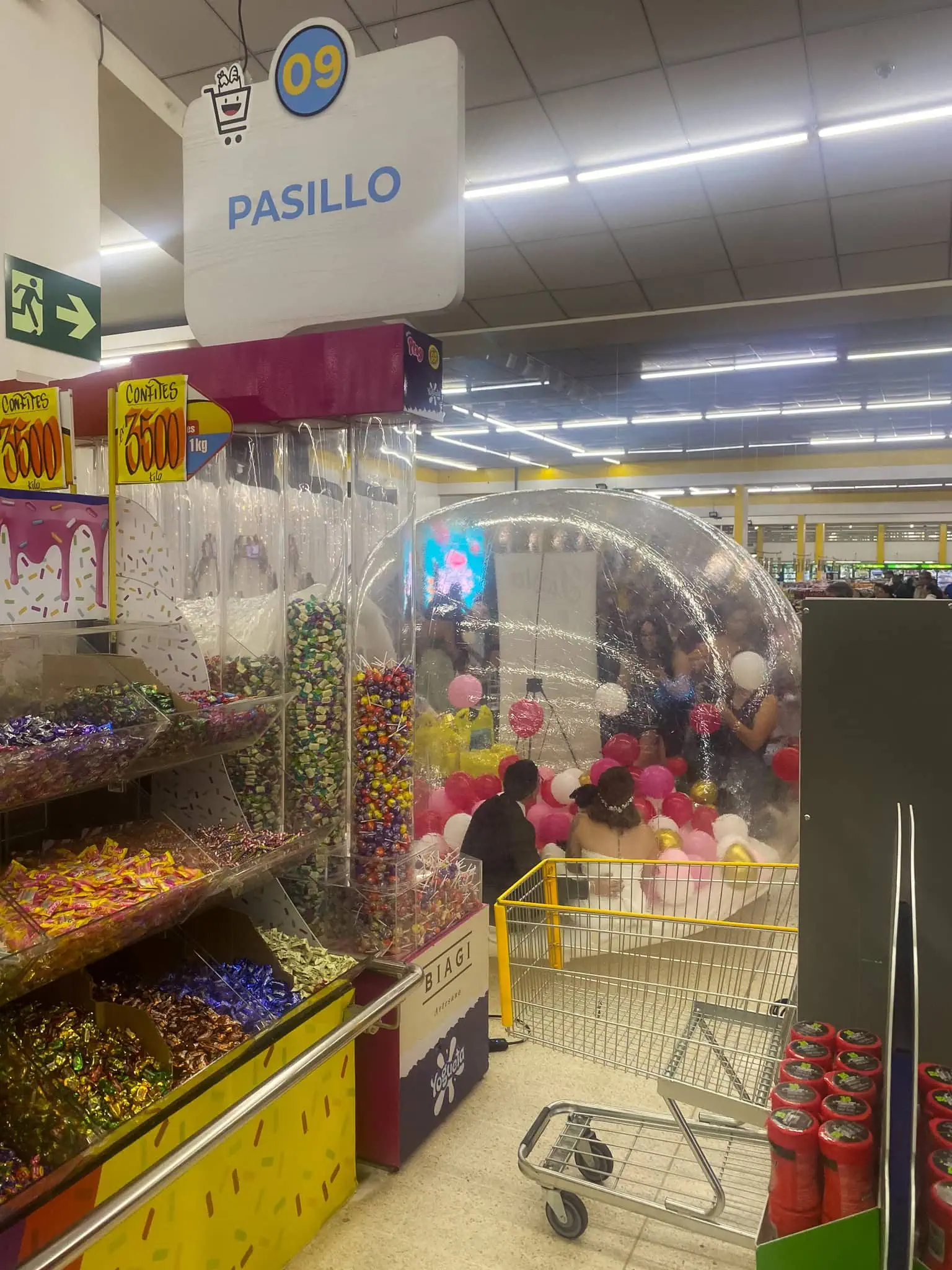
The next day began with saying goodbye to Paula’s mom. With a heavy heart, we took her to the airport. Now we were on our own again. We explored the area around our accommodation once more, withdrew US dollars for the upcoming trip to Ecuador, and went shopping one last time. In the supermarket, we witnessed a curious spectacle: three weddings right in the store! We were even offered a piece of cake. The background was that the supermarket had raffled off three weddings for Valentine’s Day, and we happened to become witnesses to them by chance.
Then it was time for us, too, the next day: packing and heading to the airport! Ecuador was waiting for us, but that’s another story. We reflected on the wonderful experiences of the last two weeks—like the release of the turtles —and looked forward to the next big stop and my big dream: the Galápagos Islands.
EQUIPMENT USED IN costa rica
Nikon Z8
Fujifilm XF10
Nikkor 200–500mm f/5.6
Video: 4K@120fps N-RAW with N-Log
Here you can find more about my used camera equipment.
Keep reading

Travel story
Madagascar: lemurs & chameleonsAn island full of species found nowhere else – route and national parks.
Travel story
Colombia: Andes & LlanosFurther through Latin America, from the wax palms of the Cocora Valley to the Llanos.

What I do for a living
Focus Puller / 1st AC in ViennaOn set I pull focus for series, feature films and commercials – available nationally and internationally.
Film & Travel
Underwater
Contact
Planning a project? I am available as focus puller / 1st AC in Vienna, across Austria and internationally.
Get in touch